
Language
Views: 222 Author: 3BU Technology Publish Time: 2026-06-16 Origin: Site


Content Menu
● What Is Insole Trimming and Why It Matters
● When You Should (and Shouldn't) Trim Your Insoles
>> Good situations for trimming
>> Situations where you should avoid trimming
● Step‑by‑Step: How to Trim Your Insoles Like a Pro
>> Step 1 – Choose the right shoes
>> Step 2 – Remove the original shoe liner
>> Step 3 – Use the original liner as your template
>> Step 4 – Trace only the overlapping areas
>> Step 5 – Double‑check before cutting
>> Step 6 – Trim slowly with sharp scissors
>> Step 7 – Test the fit inside the shoe
>> Step 8 – Make micro‑adjustments
● Common Trimming Mistakes (and How to Avoid Them)
● Expert Tips From an OEM Insole Manufacturer
● Real User Feedback: What People Actually Experience
● Safety, Comfort and When to See a Professional
● OEM Insight: How Brands Choose an Insole Manufacturer
● Ready to Upgrade Your Insoles?
● FAQs
As a leading OEM insole manufacturer in China (3BU Technology), we work with global footwear brands every day and see first‑hand how a correctly trimmed insole can transform comfort, fit and product performance. This guide combines factory‑floor expertise, customer feedback and practical steps so you can trim your insoles safely at home—without ruining a good pair of shoes. [blog.insoles]
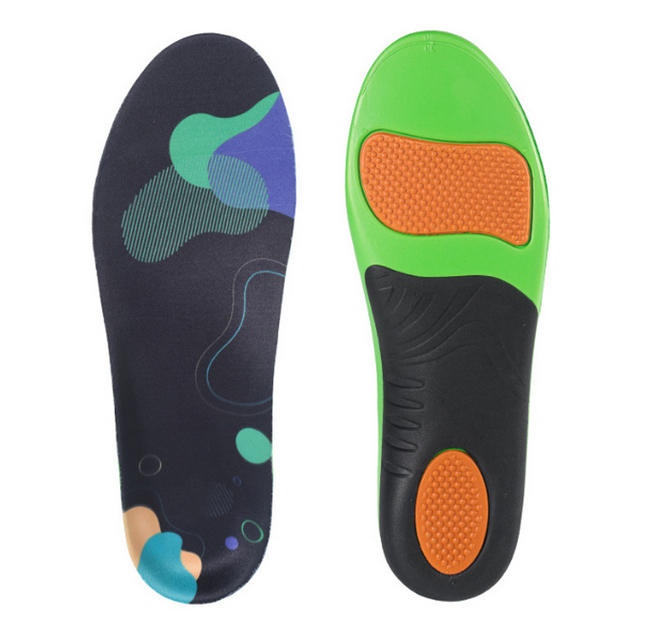
Insole trimming means custom‑shaping a flat or semi‑finished insole to match a specific shoe's internal footprint, usually using just a pen and sharp scissors. Because shoe sizing isn't standardized across brands, even "size 9" insoles can feel too long in one shoe and too short in another. [blog.insoles]
When you trim correctly, you:
- Improve overall comfort by eliminating toe cramping and heel slippage. [mygotooz]
- Reduce friction and hotspots that can cause blisters, especially during long walks or runs. [mygotooz]
- Keep cushioning and arch support in the right place under your foot instead of sliding or buckling. [youtube]
- Make premium insoles work perfectly in your favorite shoes instead of leaving them in the box. [blog.insoles]
From an OEM perspective, most multi‑size or "trim‑to‑fit" insoles are intentionally made slightly longer at the forefoot so that users can cut them down without losing heel support or arch contour. [fxfootwear]
Not every insole is designed to be trimmed, and not every footwear situation needs trimming. Knowing the difference protects both your shoes and your feet. [footlevelers]
- Over‑the‑counter comfort insoles that are clearly marked "trim to fit" or have cutting guidelines on the forefoot. [youtube]
- Multi‑purpose everyday shoes (sneakers, casual shoes, some work boots) with a removable factory insole. [blog.insoles]
- Volume‑sensitive fits where the insole bunches at the toe or pushes your foot upward, causing tightness. [mygotooz]
- Orthotic insoles with rigid shells or deep heel cups that rely on their full geometry for biomechanical control. [footlevelers]
- Insoles glued or built into the shoe (often in dress shoes, fashion boots or some safety footwear), where removal may damage the shoe. [mygotooz]
- Insoles you plan to swap between many shoes, because trimming for one last shape often makes them too short or narrow for another. [blog.insoles]
When in doubt, check the manufacturer's instructions; many brands clearly state if a model is *not* suitable for trimming. [footlevelers]
Below is a detailed, expert‑level process we use when guiding global customers on insole fitting. It is safe for most consumer "trim‑to‑fit" insoles.
Start by choosing the exact pair of shoes you want to optimize, instead of trimming based on a different pair.
- Use the shoes you wear most often for the target activity (running, work, hiking, daily commute).
- Make sure the shoes are clean and dry inside so you can see and feel how the insole sits. [mygotooz]
This matters because internal length, width and toe shape vary significantly even within the same numeric size across brands. [blog.insoles]
Most casual and athletic shoes have a removable factory insole. Removing it creates space and gives you a perfect tracing template.
1. Pull gently at the heel of the existing insole and peel it out slowly from heel to toe. [mygotooz]
2. If it feels glued, lift carefully along the edge instead of ripping straight up to avoid tearing the lining. [mygotooz]
3. If the insole is stitched, fully glued or clearly integrated into the midsole, do *not* force it. [blog.insoles]
In those "non‑removable" cases, manufacturers and podiatrists generally recommend placing a thin aftermarket insole on top of the existing liner rather than damaging the shoe. [footlevelers]
Once the original liner is removed, place it on top of your new insole.
- Align from the heel first: line up heel cup to heel cup and match the inner (medial) edge, not just the outer edge. [blog.insoles]
- Make sure the area under the arch and heel—where most support and cushioning sit—remains completely intact on the new insole. [blog.insoles]
From a design standpoint, the heel zone is where we pack in shock‑absorbing foams, EVA, PU or gel pods; trimming there can compromise performance and durability. [ortholite]
Use a fine‑tip pen or marker to trace around the parts of the original liner where the new insole extends beyond the template.
- Focus on the toe and forefoot area, where most excess length lives. [blog.insoles]
- If the insole is obviously too wide at the ball of the foot, you can carefully trace along the sides as well. [blog.insoles]
- Keep the heel and mid‑foot edges as close to the original as possible.
You're not drawing a full new insole shape; you're just defining where the new insole is too big. [blog.insoles]
This is the step most people skip—and where most trimming mistakes happen.
- Compare the traced line with the original liner again and ask: *Am I taking off more than 3–5 mm at any point?*
- Remember: you can always trim more, but you can't add material back. [mygotooz]
If you're unsure, shift the template slightly and re‑trace to minimize removal, especially around the big‑toe area where pressure is highest during push‑off. [blog.insoles]
Use sharp kitchen or craft scissors; dull blades can crush foam cells, cause jagged edges and lead to comfort issues later. [blog.insoles]
- Cut just *outside* the line first, leaving a tiny safety margin. [blog.insoles]
- Keep your cuts smooth and continuous rather than choppy to avoid little "steps" that you'll feel in the shoe. [blog.insoles]
- Rotate the insole as you cut instead of twisting your wrist unnaturally; this helps maintain precision.
For multilayer or denser insoles (e.g., with rubber, cork or dual‑density PU), you may need to cut in two passes to maintain a clean edge. [fxfootwear]
Place the trimmed insole into the shoe and slide your hand across the surface.
- Check that the insole lies flat with no buckling or bubbling, especially in the toe box. [youtube]
- Press along the edges to ensure there is no significant gap between the insole edge and the shoe wall.
- Put the shoes on and walk on a hard floor for 1–2 minutes to test real‑world feel.
If your toes hit the end or you feel pressure on the top of your foot, the insole may still be too long or the shoe may be too low‑volume for that model. [mygotooz]
If the insole is *still* slightly long, trim 1–2 mm at a time from the forefoot, then re‑test.
- Avoid trimming more than once around the same curve; repeated cuts can create uneven edges. [blog.insoles]
- If the width is the issue, trim only along the outer edge of the forefoot and keep the medial arch area intact.
Repeat the test‑and‑trim cycle until the insole feels secure, flat and comfortable.
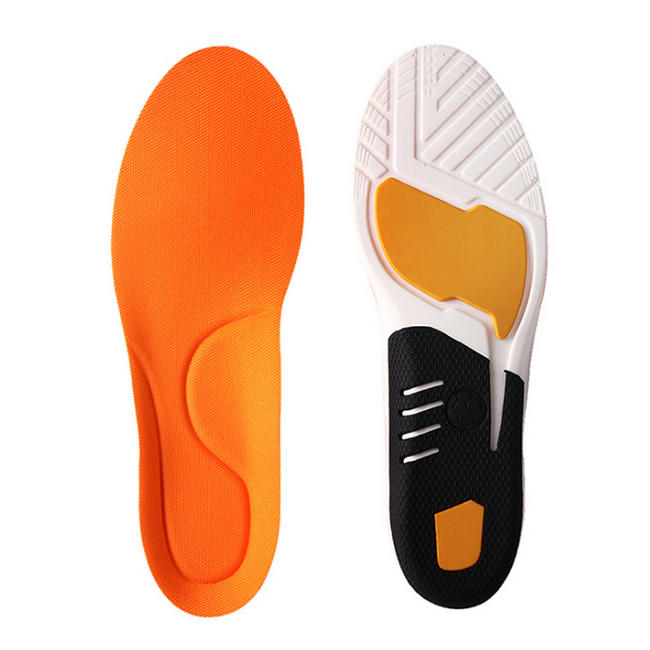
As an OEM supplier, we regularly review customer feedback and product returns across global markets. Many fit problems trace back to simple trimming errors rather than product defects. [mygotooz]
Frequent mistakes:
- Cutting off heel material and losing the cupped shape or heel cushion, leading to heel pain or reduced stability. [blog.insoles]
- Over‑trimming length so the insole slides forward inside the shoe or exposes the heel platform. [mygotooz]
- Trimming based on a different shoe, causing a perfect fit in one pair and poor fit in the target pair.
- Ignoring thickness/volume, especially in boots; even a perfectly trimmed insole can be too thick and make the shoe feel tight.
How to avoid them:
- Always align and protect the heel area during tracing.
- Trim in micro‑steps, test in the actual shoe after each cut, and stop as soon as the insole sits flat and secure. [blog.insoles]
- Consider lower‑profile insoles for slim dress shoes and tighter fashion footwear. [fxfootwear]
Based on our work with international footwear brands, sports labels and workwear companies, here are some pro‑level tips you won't usually see on retail packaging.
- Match insole type to shoe and activity. Cushioning‑focused insoles suit day‑to‑day comfort; high‑rebound or EVA‑PU hybrids suit running; firmer materials suit work and safety footwear. [fxfootwear]
- Pair left and right precisely. After trimming one insole, flip it over and use it as a template to trim the second so both sides match exactly. [mygotooz]
- Respect the arch zone. Many performance insoles use contoured mid‑foot molds; trimming aggressively around the arch can destabilize support.
- Monitor wear and compression. Even if the trimming is perfect, foam materials gradually compress; most consumer insoles need replacement every 6–12 months of regular use, depending on mileage and body weight. [mygotooz]
In an OEM project, we often provide brands with trim lines printed on the top cloth or bottom layer to guide end‑users; if your insole includes those, follow them as the primary reference. [youtube]
Real comments show how clear instructions and correct sizing impact user satisfaction.
- One user reported that after following a simple trimming guide, *"my innersoles now fit comfortably and I shall walk with them in tomorrow,"* highlighting how basic at‑home customization solved their fit issue. [blog.insoles]
- Another customer found that a size 10 insole was shorter than expected compared with a 30 cm boot liner and chose to size up to a larger insole instead, showing the importance of checking insole length in centimeters, not just shoe size. [blog.insoles]
From a UX and content perspective, these experiences underline two key points:
- Include clear, visual, step‑by‑step trimming guidance on product pages and packaging.
- Always show exact insole length range (in cm) alongside EU/US/UK sizing to reduce confusion and returns. [fxfootwear]
Trimming is safe for most standard comfort insoles, but it is not a substitute for medical care.
You should consult a podiatrist or medical professional before trimming or replacing insoles if:
- You have diabetes, peripheral neuropathy or poor circulation in your feet.
- You wear prescribed custom orthotics or have a history of severe plantar fasciitis, stress fractures or major foot surgery. [footlevelers]
- You notice persistent pain, numbness or significant changes in gait after switching insoles.
In professional practice, clinicians often prefer that patients do not alter custom orthotics at home; instead, they adjust or refurbish devices in the clinic or lab to maintain biomechanical accuracy. [youtube]
Because you mentioned OEM service, here's a concise view from the brand side that also helps end‑users understand why insole fit varies by product line.
Global footwear brands usually:
- Start by defining the "job" of the insole: long‑day comfort, performance rebound, workwear durability, orthotic‑level support, or price‑optimized retail comfort. [fxfootwear]
- Match material systems (EVA, PU, gel, memory foam, cork, recycled blends, etc.) to that job and to their sustainability or certification targets. [ortholite]
- Decide whether to ship a trim‑to‑fit multi‑size insole or fully graded sizes, based on their target market's expectations and return data. [fxfootwear]
For you as the end user, this explains why some insoles arrive deliberately oversize with printed trim lines, while others are "exact" and not meant to be cut. [fxfootwear]
Below is a quick reference for common issues and fixes when trimming insoles.
| Problem in shoe | Likely cause | Fix |
|---|---|---|
| Toes feel cramped even after trimming | Insole still slightly too long in toe area | Trim 1–2 mm more from forefoot only and re‑test. (blog.insoles) |
| Insole slides forward during walking | Over‑trimmed length or low friction bottom | Use thin double‑sided tape at heel or replace with a new, longer insole. (mygotooz) |
| Heel feels unstable or painful | Heel cup trimmed or heel foam removed | Replace insole; do not trim in heel area next time. (blog.insoles) |
| Insole buckles or bubbles at the toe | Insole still too long or shoe volume too low | Trim from toe in 1–2 mm steps; if still buckling, consider a thinner insole. (youtube) |
| One shoe feels different from the other | Left/right trimming inconsistent | Use the better‑feeling insole as a template and re‑trim the other to match. (mygotooz) |
If you are a footwear brand, wholesaler or manufacturer looking for OEM insole solutions that trim easily and fit consistently across your size runs, we can support you from material selection to packaging instructions. If you are an end user, start with the steps above and you'll have a custom‑fit insole that matches your shoe—and your feet—in just a few minutes. [fxfootwear]
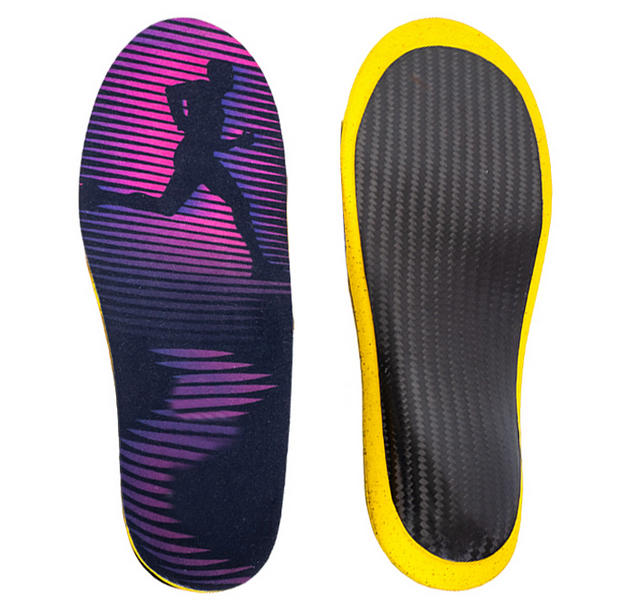
1. Can I trim insoles that have arch support or a hard plastic shell?
You can usually trim the soft forefoot area only, but you should avoid cutting into any firm arch shell, heel cup or plastic frame, as this may damage the support structure and void the warranty. [footlevelers]
2. Should I remove the original insole or put the new one on top?
If the original liner is removable and your shoes feel tight, it is usually better to replace the factory insole with the new one. If the liner is fixed or the shoe has enough volume, you can place a thin insole on top, but always test walk for pressure points. [mygotooz]
3. How do I know if I've trimmed too much?
Signs of over‑trimming include the insole sliding forward, exposing the heel platform, or leaving visible gaps along the shoe wall. In that case, it's safer to replace the insole than to keep using a poorly fitting one. [mygotooz]
4. How often should I replace my trimmed insoles?
Most everyday insoles need replacing every 6–12 months depending on use, weight and activity level, because cushioning foams compress and lose resilience over time. Runners or workers on their feet all day may need more frequent replacement. [mygotooz]
5. What tools do I really need to trim insoles at home?
For most products, all you need is a pen or fine marker and a sharp pair of kitchen or craft scissors. For thicker rubber or cork insoles, a heavy‑duty pair of scissors or a craft knife with a cutting board can help, but always work slowly and carefully. [mygotooz]
1. ShoeInsoles.co.uk – "Learn How to Trim Your Insoles." 2016. Updated with user comments in 2020–2021. <https://www.shoeinsoles.co.uk/blog/learn-how-to-trim-your-insoles.html> [blog.insoles]
2. Insoles.com – "How to Trim Your Insoles in 4 Simple Steps." 2023. <https://blog.insoles.com/how-to-trim-your-insoles-in-4-simple-steps/> [blog.insoles]
3. GoTooz – "How to Upgrade Your Old Shoe Insoles: A Step-by-Step Guide." 2022. <https://mygotooz.com/pages/how-to-upgrade-your-old-shoe-insoles-a-step-by-step-guide> [mygotooz]
4. Foot Levelers – "How to Trim Custom Orthotics." <https://www.footlevelers.com/tips-tutorials/953-how-to-trim-custom-orthotics> [footlevelers]
5. YouTube – "How to Trim Your Insoles – Complete How‑to Guide." 2025. <https://www.youtube.com/watch?v=NxJHaYyexWk> [youtube]
6. FX Footwear – "How Footwear Brands Choose an OEM Insole Manufacturer." 2026. <https://fxfootwear.com/oem-insole-manufacturer-footwear-brands-choose/> [fxfootwear]
7. Ortholite – "Process" articles on material and process best practices. <https://www.ortholite.com/category/process/> [ortholite]


