
Views: 222 Author: 3BU Technology Publish Time: 2026-06-12 Origin: Site


Content Menu
● How Insoles Improve Dress Shoe Comfort
● What Are Alignment‑Focused Insoles?
● Are Insoles Suitable for All Types of Dress Shoes?
>> Men's Oxfords, Derbies, and Loafers
>> Dress Boots and Chelsea Boots
● Real‑World Scenarios: When Insoles Make the Biggest Difference
● Potential Drawbacks and How to Manage Them
● Step‑by‑Step: How to Fit Insoles into Dress Shoes
>> 2. Match Insole Size and Shape
● How to Choose the Right Dress Shoe Insoles
>> Check Material and Construction
● Dress Shoe Insoles vs. Athletic Insoles
● OEM and Private‑Label Options for Brands and Importers
● Expert Tips from a Manufacturing Perspective
● Clear Next Step: Upgrade the Inside of Your Dress Shoes
● Frequently Asked Questions (FAQ)
If you have ever finished a business meeting or formal event with sore feet, knees, or even a stiff lower back, you are not alone—most dress shoes are designed for style first and comfort second, which is why high‑quality insoles for dress shoes can be a game‑changer. As a manufacturer that has worked with global footwear brands and orthotic professionals for years, we see every day how the right insole transforms rigid leather shoes into all‑day wearable footwear. [jcinsoles]
In this guide, we will walk through when and why to use insoles in dress shoes, what to look for as a buyer, and practical steps to make sure your insoles actually fit and perform in real life. [moz]
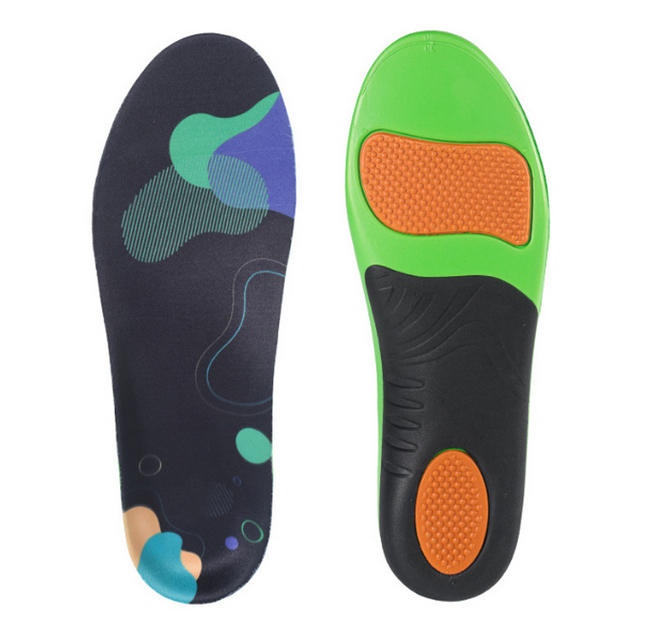
Most classic dress shoes—Oxfords, loafers, brogues, and heels—prioritize a slim silhouette and polished look over ergonomic support. [jcinsoles]
- Limited cushioning: Thin leather or synthetic outsoles offer minimal shock absorption, especially under the heel and forefoot.
- Flat, unsupportive footbeds: Many dress shoes have almost no built‑in arch support, which overloads certain structures like the plantar fascia. [jcinsoles]
- Rigid materials: Stiff leather uppers and narrow toe boxes can restrict natural foot movement and compress toes. [jcinsoles]
Over time, this design can contribute to:
- Foot fatigue and burning under the ball of the foot
- Heel pain and early‑stage plantar fasciitis
- Knee, hip, and lower‑back discomfort due to poor alignment [sevenatoms]
This is the gap high‑quality dress shoe insoles are designed to fill.
From a biomechanics perspective, an insole is more than "extra padding"—it is a tunable interface between your foot and the shoe that can modify alignment, pressure distribution, and shock absorption. [jcinsoles]
Key benefits of using insoles in dress shoes include: [jcinsoles]
- Enhanced cushioning: Soft yet resilient foams and gels reduce peak pressure under the heel and forefoot.
- Arch support: Properly contoured support helps manage overpronation or excessive supination, which can contribute to pain. [jcinsoles]
- Improved alignment: By stabilizing the heel and guiding the foot, insoles help stack ankles, knees, and hips more efficiently. [moz]
- Reduced injury risk: Long hours in unsupportive shoes without correction can aggravate issues such as plantar fasciitis, metatarsalgia, and Achilles strain. [jcinsoles]
- Better energy management: When your feet are supported, you waste less energy fighting poor alignment, so standing and walking feel easier.
In short, insoles allow you to keep your formal aesthetic while quietly upgrading the "engineering" inside your shoes.
Some insoles—like the alignment‑focused models often used by athletes and active professionals—go beyond simple cushioning and aim to control how your foot moves through each step. [jcinsoles]
These insoles typically feature:
- A supportive shell or "chassis" beneath the arch and heel
- A suspension or flex system that adapts to your gait
- Zoned cushioning to fine‑tune comfort under different parts of the foot
The goal is to align your body from the ground up:
1. Heel alignment: Keeps the heel from collapsing inward or rolling outward excessively.
2. Midfoot guidance: Supports the arch so it does not overstretch with each step.
3. Forefoot balancing: Distributes load under the ball of the foot more evenly. [moz]
This level of control is especially helpful if you spend long days in dress shoes on hard floors, travel frequently, or alternate between sneakers and formal shoes and want consistent support across all footwear. [jcinsoles]
Not every insole works in every shoe. Here is how different dress styles interact with insoles.
These styles often have:
- Removable or partially removable liners
- Medium‑volume interiors
- Moderate heel height
In most cases, slim‑profile insoles with moderate arch support and a relatively low toe‑box profile fit well after removing the original sockliner. [sevenatoms]
Heels and pumps can be more challenging due to:
- Narrow toe boxes
- High heel‑to‑toe drop
- Limited heel cup depth
For these shoes, forefoot pads, metatarsal cushions, or half‑length insoles are often better than full‑length orthotics, especially when space is tight. [tw.my-best]
Dress boots usually have more interior volume and a higher collar, which makes them excellent candidates for full‑length support insoles, especially if you stand or walk extensively.
Based on feedback from international customers and OEM partners, we consistently see insoles for dress shoes delivering the most impact in these situations: [sevenatoms]
- Corporate professionals: People wearing leather Oxfords or loafers 8–10 hours a day report less heel and lower‑back pain after switching to structured insoles.
- Retail and hospitality staff: Workers in formal uniforms standing on hard floors all day feel reduced fatigue and fewer end‑of‑shift aches.
- Travelers and sales reps: Frequent flyers who spend long hours walking through airports and city streets in dress shoes appreciate consistent cushioning and support.
Many users report that after a short adaption period, they "forget the insoles are there"—but notice the difference if they go back to the original thin footbeds. [jcinsoles]
Even high‑quality insoles can create issues if they are not matched to the shoe or user. Common challenges include:
- Tight fit: Dress shoes are often close‑fitting, so adding an insole without removing the original liner can make them uncomfortably tight.
- Heel slippage: If the insole lifts your heel too high, the heel may slip, especially in loafers.
- Adaptation discomfort: New support under the arch can feel "strange" or mildly sore for the first few days. [moz]
To address these issues:
- Remove any removable footbed before inserting the insole.
- If needed, consider sizing up half a size when you know you will use insoles with new dress shoes. [sevenatoms]
- Break in gradually: start with 1–2 hours per day and increase by an hour daily until full‑day wear feels natural.
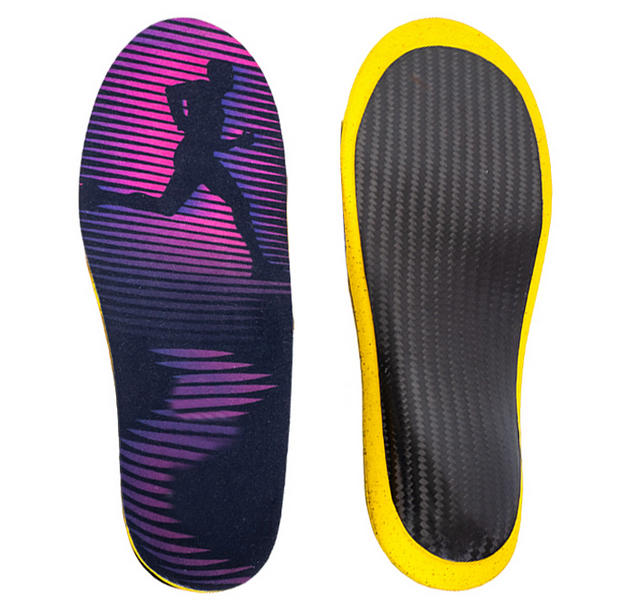
To make this as practical as possible, here is a quick implementation guide. [tw.my-best]
- Remove the existing insole if possible.
- Inspect interior volume: if your shoes already feel tight, choose a thin, low‑profile insole.
- Choose the insole size closest to your shoe size.
- If trimming is required, use the original footbed as a template and trim in small increments from the forefoot only.
- Place the insole flat against the shoe interior without wrinkles.
- Wear the shoes for 30–60 minutes at home and pay attention to:
- Pressure under the arch
- Heel stability
- Toe box space
- Day 1–2: 1–2 hours of wear.
- Day 3–4: 3–4 hours.
- Day 5+: Full‑day wear if comfortable.
If pain worsens or you feel numbness, stop and consult a medical professional—insoles should relieve, not create, symptoms. [moz]
Selecting the right insole is about aligning foot type, use case, and shoe constraints. [jcinsoles]
- Low/flat arch: Look for firmer medial support to control overpronation.
- Neutral arch: Moderate contour with balanced cushioning usually works best.
- High arch: Softer, more contoured support with generous cushioning under the forefoot and heel. [tw.my-best]
- Office and meetings: Focus on all‑day comfort, low‑profile designs, and subtle support.
- Events and presentations: Prioritize shock absorption and stability for long periods standing in one spot.
- Travel and city walking: Choose more robust support with durable materials that tolerate high mileage.
- Top fabric: Moisture‑wicking, breathable fabrics reduce odor and friction.
- Core structure: A combination of foam and a supportive shell provides both comfort and alignment.
- Durability: For heavy daily use, look for insoles rated for extended mileage and repeated compression cycles. [jcinsoles]
While some people simply move their athletic insoles into their dress shoes, they are not always ideal for formal footwear. [sevenatoms]
| Aspect | Dress Shoe Insoles | Athletic Insoles |
|---|---|---|
| Profile height | Low to medium to fit narrow, shallow shoes | Medium to high, designed for roomier sneakers |
| Cushioning focus | Forefoot and heel, thin yet resilient | All‑round, often thicker and softer |
| Arch support | Discreet but structured, tuned for subtle correction | More aggressive, designed for high‑impact activities |
| Aesthetic impact | Minimal, maintains shoe shape | Can lift heel or alter fit noticeably |
| Best use case | Offices, formal events, travel in business attire | Running, training, casual and sports footwear (jcinsoles) |
Using the right category ensures you get the benefits of support without compromising how your dress shoes look and feel.
If you are a footwear brand, wholesaler, or private‑label importer, insoles tailored for dress shoes can become a high‑margin accessory line or built‑in feature. [sevenatoms]
From a manufacturing perspective, custom OEM insoles can be optimized for:
- Specific last shapes and shoe volumes
- Target markets (e.g., office workers, hospitality, retail)
- Branding requirements (logo, packaging, color schemes)
- Regional preferences in durometer, arch height, and material feel [sevenatoms]
By integrating insoles that are engineered for dress shoes, brands can:
- Reduce return rates tied to "uncomfortable fit"
- Differentiate their offerings with measurable comfort benefits
- Build recurring revenue via replacement insole sales [sevenatoms]
For B2B buyers, requesting test runs and fit trials with your existing shoe lines is a practical way to validate performance before scaling.
Drawing on feedback from podiatrists, physiotherapists, and brand partners, here are three expert recommendations when considering insoles for dress shoes. [moz]
1. Prioritize alignment, not just softness. Overly soft insoles can feel comfortable initially but may worsen alignment issues over time.
2. Design for real‑world wear. Lab tests are important, but user testing in 8–10 hour workdays reveals durability and support performance in practice.
3. Balance support with flexibility. Rigid orthotics can be helpful for some conditions, but many office users prefer semi‑rigid designs that support without feeling "locked." [jcinsoles]
When these principles are followed, insoles become a long‑term solution rather than a short‑term band‑aid.
If you rely on dress shoes for work, events, or travel, adding well‑designed insoles is one of the simplest upgrades you can make for your comfort and long‑term joint health. Whether you are an individual user or a footwear brand exploring OEM options, prioritizing alignment, fit, and real‑world testing will help you choose insoles that keep you looking sharp and feeling supported all day. [sevenatoms]
If you share your typical dress shoe style (Oxfords, loafers, heels, etc.) and how many hours you stand or walk daily, we can narrow down the best insole profile and material combination for your specific needs.
1. Do I really need insoles in my dress shoes if I do not have foot pain now?
Many people develop discomfort gradually from years of standing or walking in unsupportive shoes, so adding insoles early can be a preventive move—especially if your job requires formal footwear and long hours on your feet. [sevenatoms]
2. Can I use the same insoles in multiple pairs of dress shoes?
Yes, as long as the shoe sizes and interior volumes are similar; however, for best fit and hygiene, many users prefer a dedicated pair of insoles for their most frequently worn shoes. [tw.my-best]
3. How long do dress shoe insoles last?
Usage patterns vary, but most quality insoles maintain functional support for several months to a year under daily office wear; if you notice flattened cushioning or reduced support, it is time to replace them. [jcinsoles]
4. Are insoles a substitute for medical treatment?
No, insoles can complement professional care but should not replace diagnosis or treatment; if you have ongoing or severe pain, consult a healthcare provider such as a podiatrist. [moz]
5. Will insoles make my dress shoes look different?
Most slim‑profile insoles are designed to be visually discreet; when properly fitted, they should not noticeably change the external appearance of your shoes, though you may feel a small increase in interior height.
1. ALINE Insoles. "Aline Insole: Should I Use Insoles in Dress Shoes?" Retrieved 2026, from
https://alineinsoles.com/blogs/news/aline-insole-should-i-use-insoles-in-dress-shoes
2. JC Insoles. "Effective Marketing Strategies to Grow Your Insole Brand." Retrieved 2026, from
https://www.jcinsoles.com/post/marketing-strategies-for-your-insole-brand [jcinsoles]
3. SevenAtoms. "SEO for Manufacturing Companies: Best Practices and Tips." Retrieved 2026, from
https://www.sevenatoms.com/blog/seo-for-manufacturing-companies [sevenatoms]
4. Moz. "What is Google E‑E‑A‑T? Guidelines and SEO Benefits." Retrieved 2026, from
https://moz.com/learn/seo/google-eat [moz]
5. mybest. "10 Best Insoles for Flat Feet (Curated by Physiotherapist)." Retrieved 2026, from
https://tw.my-best.com/80403 [tw.my-best]


