
Views: 222 Author: Edvo Publish Time: 2026-01-29 Origin: Site


Content Menu
● Why Removing Insoles Matters
● Understanding Shoe Insole Materials
● Step-by-Step Guide: How to Clean Shoe Insoles
>> Step 1: Take the Insoles Out Carefully
>> Step 2: Remove Surface Dirt
>> Step 3: Prepare a Mild Cleaning Solution
>> Step 4: Hand Wash—Not Machine Wash
● Can You Wash Insoles in a Washing Machine?
● How to Wash Shoes After Removing Insoles
● How Often to Clean and Replace Insoles
● Mistakes to Avoid When Cleaning Insoles
● How OEM Shoe Insole Manufacturers Ensure Washable Design
● Tips to Keep Shoe Insoles Fresh
● Eco-Friendly and Sustainable Insole Materials
● The Connection Between Shoe Insoles and Foot Health
● Professional Insights for Brands and Retailers
● FAQs
>> 1. Can I dry shoe insoles in a dryer?
>> 2. How can I remove odor without washing?
>> 3. Are orthopedic insoles washable?
>> 4. How should I clean leather insoles?
>> 5. Is it necessary to remove insoles before machine washing shoes?
Proper shoe care goes beyond keeping footwear looking clean—it's an important routine that affects comfort, hygiene, and durability. One of the most common questions people often ask is: Do you remove insoles when washing shoes? The short and correct answer is yes, you should always take out the insoles before washing.
Removing shoe insoles before washing prevents the buildup of bacteria and odor, helps both the shoes and insoles dry properly, and ensures that materials maintain their shape and function. Whether you are a footwear enthusiast, retailer, or an OEM shoe insole manufacturer, understanding proper insole maintenance can make a big difference in long-term performance and customer satisfaction.

When you wash your shoes with the insoles still inside, the moisture often becomes trapped between the footbed and shoe interior. This can create an ideal environment for mold and odor-causing bacteria. Moreover, the adhesive used to fix the insole might weaken, causing peeling or warping after drying.
Here are several key reasons why removing shoe insoles is crucial:
- Better Hygiene: Moisture trapped inside shoes can lead to unpleasant odors and fungal growth.
- Extended Durability: Separately drying insoles helps maintain material quality and cushioning.
- Efficient Drying: Shoes dry faster when insoles are removed.
- Protection Against Damage: Materials like foam or gel deform easily when wet for too long.
This simple step not only extends the lifespan of the shoe but also ensures consistent comfort during wear.
Different types of shoe insoles require different cleaning and maintenance methods. By knowing what material your insoles are made of, you can choose the best cleaning routine.
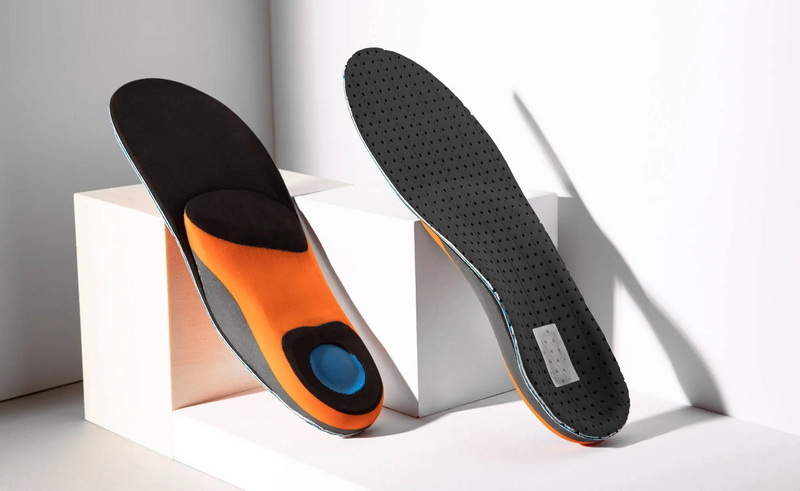
- Foam Insoles: Made from EVA or memory foam, providing lightweight cushioning. Avoid hot water or heat exposure, which can cause shrinkage or deformation.
- Gel Insoles: Designed for absorbing impact, ideal for running or work shoes. Clean only with a damp cloth to prevent rupturing the gel case.
- Leather Insoles: Found in luxury or formal shoes, they should never be soaked. Instead, clean gently with a leather-safe detergent and condition afterward.
- Orthopedic Insoles: Custom-tailored to medical specifications; follow the manufacturer's washing instructions carefully.
- Fabric or Mesh Insoles: Common in casual or sports shoes and easier to hand-wash using mild soap.
Knowing your insole type ensures you clean effectively without reducing comfort or quality.
Cleaning shoe insoles properly can help you get rid of dirt, sweat, and odor while maintaining their structure. Follow these steps for ideal results:
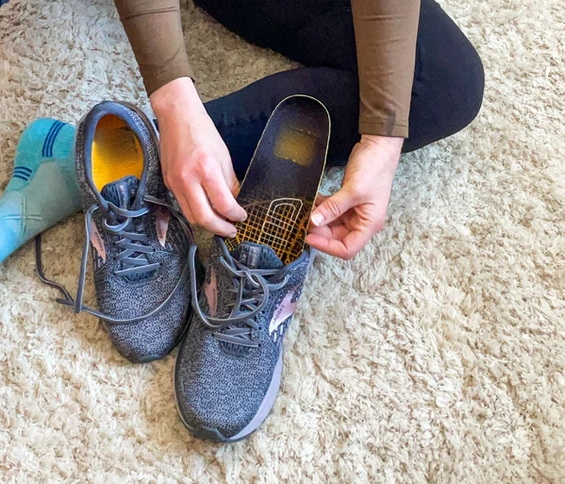
Remove the insoles slowly to avoid tearing the foam edges or separating layered materials. If they're stuck due to glue, loosen gently using a blunt object such as a spoon handle without force.
Brush away dust, sand, or debris before applying water. Use a soft toothbrush or shoe brush so the particles don't grind deeper into the surface.
Use lukewarm water with a small amount of detergent or dish soap. Never use bleach or harsh chemicals, as these degrade materials and damage odor-control coatings.
Dip a sponge or cloth into the cleaning solution and gently scrub. For hard stains, mix a teaspoon of baking soda or vinegar into the water for natural deodorizing properties. Avoid soaking the insole for long periods, especially if made from foam or leather.
Rinse each insole using clean water to remove detergent residues. Residual soap can stiffen the surface and irritate skin on future use.
Pat dry with a towel, then place the insoles in a ventilated area away from sunlight or heaters. Heat exposure can destroy glue and deform foam cushioning. Let them dry completely before putting them back into shoes.
Learning to maintain shoe insoles properly ensures lasting freshness and keeps your footwear performing at its best.
The short answer is: it depends, but in most cases, hand washing is safer. Foam, gel, or leather shoe insoles can degrade quickly in a washing machine. However, basic textile insoles can occasionally be washed using these guidelines:
- Use a gentle cycle with cold water.
- Place the insoles inside a mesh laundry bag to avoid tearing.
- Do not tumble dry; air dry naturally.
Always inspect the manufacturer's label. If there's no washable symbol, stick with hand cleaning to preserve longevity.
After removing the shoe insoles, you can wash the shoes themselves separately and more effectively. Here's a quick approach:
1. Pre-clean the shoe surface with a soft brush to remove dust or mud.
2. Use mild soap and warm water to clean the shoe interior and exterior.
3. Avoid soaking for long durations, which can harm glued parts or the inner lining.
4. Air dry the shoes in a well-ventilated area and never use direct sunlight.
Once both shoes and insoles are dry, you can reassemble them, ensuring freshness and comfort.
Regular cleaning of shoe insoles should be part of your footwear maintenance schedule. Here's what experts suggest:
- Light use or indoor shoes: Clean every 4 to 6 weeks.
- Heavy daily use (sports, outdoor, or work shoes): Clean every 2 to 3 weeks.
- Replacement timeline: Replace every 6–12 months, depending on the environment and material quality.
Signs that you need new insoles include:
- Persistent odor that doesn't wash away.
- Flattened or uneven cushioning.
- Torn or separating fabric layers.
Proper maintenance and timely replacement help maintain good foot health and walking comfort.
Even high-quality insoles can be ruined by improper cleaning. Avoid these common mistakes:
- Using bleach or harsh chemicals — they degrade materials and cause discoloration.
- Excessive water exposure — too much soaking weakens foam or leather bonding.
- Machine drying — extreme heat causes warping.
- Skipping deodorizing — odor-causing bacteria can remain even after washing.
- Ignoring drying time — reinserting a damp insole spreads bacteria and mildew.
Gentle methods and patience often produce the best results.
As a leading shoe insole manufacturer in China, we provide high-quality OEM and ODM solutions tailored for international shoe brands, wholesalers, and factories. Washability and durability are major design challenges in insole development, and we integrate both into every stage of production.
Our advanced manufacturing techniques include:
- EVA and PU foaming technology for lightweight resilience.
- Antibacterial and odor-control coatings that extend freshness.
- Breathable textiles and mesh fabrics for quicker drying times.
- Ergonomic design optimization for enhanced traction and comfort.
- Custom logo embossing and color design options for branded collections.
Every pair of shoe insoles we produce undergoes cleaning and moisture tests to ensure they meet both performance and international quality standards.
You can prevent odors and extend the life of your shoe insoles by following a few easy habits:
- Remove them after each long wear to let them air out.
- Sprinkle baking soda or activated charcoal powder overnight to absorb moisture.
- Use antibacterial shoe sprays weekly.
- Store shoes in a dry, ventilated area to prevent mold.
- Rotate between multiple pairs of shoes to allow proper drying.
Maintaining small daily habits can make shoes last longer, feel fresher, and stay comfortable throughout the day.
As consumer focus shifts toward sustainability, shoe insole manufacturers are adopting more eco-conscious materials. Bamboo fiber, cork, recycled foam, and plant-based latex are gaining popularity due to their comfort and biodegradability.
Producing eco-friendly, washable insoles not only reduces waste but also supports compliance with global sustainability certifications such as REACH, RoHS, and OEKO-TEX. For exporters and wholesalers, this ensures environmental responsibility while meeting international demand for green products.
Besides comfort and cleanliness, well-maintained shoe insoles play a direct role in long-term foot health. Insoles help:
- Distribute weight evenly, relieving pressure from heels and arches.
- Reduce friction that causes blisters and calluses.
- Support posture, preventing leg and back strain.
- Maintain balance during athletic activities.
Worn-out or dirty insoles compromise these functions, leading to discomfort or possible injury. Regular maintenance keeps your feet healthy and minimizes the risk of odor, fungus, or skin irritation.
For footwear brands, retailers, or distributors, educating customers about proper insole care increases product satisfaction and brand trust. Providing wash care instructions during packaging or labeling reinforces your product's perceived quality.
Collaborating with a professional OEM insole supplier ensures access to materials designed for washability, comfort, and durability—valuable for private-label and large-scale retail operations. Offering washable and eco-friendly insoles can also align your business with evolving consumer expectations in sustainable footwear.
So, do you remove insoles when washing shoes? Yes, you absolutely should—each time. Removing and washing shoe insoles separately improves cleanliness, extends lifespan, and protects both the shoe's inner structure and your foot's health.
From foam and gel to leather and eco-friendly options, every material benefits from careful maintenance. If you're a footwear professional, partnering with reliable OEM and ODM insole manufacturers ensures quality products your customers will appreciate for years.
Contact us to get more information!
No, dryers use high heat that can warp or melt foam and adhesives. Always air dry in a shaded, well-ventilated area.
Use baking soda, activated charcoal, or specialized deodorizing sprays. Let them sit overnight, then wipe clean before reinserting.
It depends on the design and materials. Most should only be wiped clean using a damp cloth. Always follow professional cleaning guidelines.
Clean gently using a damp cloth and minimal soap. After drying, apply a leather conditioner to maintain softness and prevent cracking.
Yes. Removing insoles allows shoes and insoles to dry fully, prevents adhesive damage, and improves overall hygiene efficiency.
1. [American Podiatric Medical Association – Footwear Care Tips](https://www.apma.org)
2. [REACH Compliance on Footwear Materials](https://ec.europa.eu/environment/chemicals/reach/reach_en.htm)
3. [The Footwear Industry Sustainability Platform](https://www.sustainableapparel.org)
4. [Healthline – How to Clean Shoes and Insoles Safely](https://www.healthline.com)


