
Language
Views: 222 Author: Amanda Publish Time: 2025-09-01 Origin: Site


Content Menu
● Do You Take Out the Original Insoles for Orthotics?
>> Reasons to Remove Original Insoles
>> Situations When You May Keep the Original Insoles
● How to Properly Install Orthotic Insoles
● Tips for Wearing Orthotic Insoles
● Understanding Different Types of Orthotic Insoles
● Signs You Need Orthotic Insoles
● FAQs
>> 1. Can I wear orthotic insoles in any shoes?
>> 2. What if my shoes don't have removable insoles?
>> 3. How often should I replace my orthotic insoles?
>> 4. Can I use orthotic insoles if I have flat feet?
>> 5. Are orthotic insoles covered by insurance?
Orthotic insoles have become essential for many who seek enhanced foot support and pain relief. But one common question users face is: Do you take out the original insoles when using orthotic insoles? This comprehensive article addresses this question and goes beyond, providing insights into what orthotic insoles are, why they are needed, installation tips, and answers to frequently asked questions.
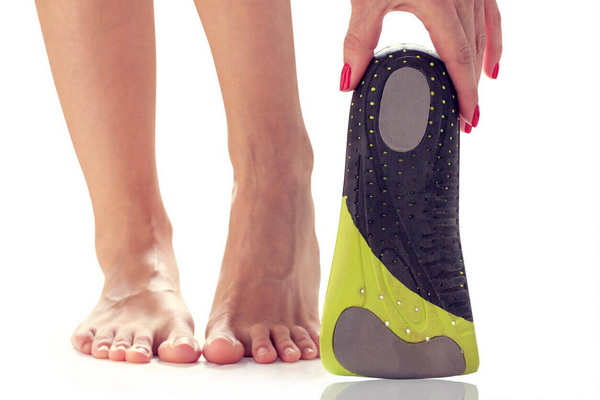
Orthotic insoles are specially designed shoe inserts aimed at providing additional support, cushioning, and alignment correction for the feet. Unlike regular insoles that come factory-fitted in most shoes, orthotic insoles are often custom-made or designed to address specific foot conditions like plantar fasciitis, flat feet, overpronation, or supination. These medically engineered inserts help distribute pressure evenly across your feet, improve gait, and reduce strain on muscles and joints.
They work by aligning the foot and ankle into the most anatomically efficient position, which helps to prevent injuries and reduce discomfort during everyday activities or exercise. Orthotic insoles can be made from various materials such as foam, plastic, or carbon fiber, depending on their purpose and level of support.
Orthotic insoles serve crucial roles such as:
- Providing Arch Support: One of the primary functions of orthotic insoles is to provide proper support to the arches, especially for individuals with flat feet or high arches. This support reduces foot strain and improves stability.
- Correcting Alignment: Many people have biomechanical imbalances such as overpronation (foot rolling inward excessively) or supination (foot rolling outward). Orthotic insoles help correct these misalignments, improving overall posture.
- Relieving Pain: Foot problems can often lead to secondary pain in the knees, hips, and lower back. Orthotic insoles help by realigning the foot mechanics, which can alleviate discomfort across multiple body areas.
- Enhancing Comfort: Beyond support, orthotic insoles provide customized cushioning to improve comfort during prolonged periods of standing, walking, or running.
- Improving Posture and Performance: Proper foot alignment achievable through orthotic insoles supports better body mechanics, which often enhances performance in sports and daily activities.
For athletes, individuals with chronic foot pain, or those standing for long hours, orthotic insoles can be game-changers. They can also prevent the progression of foot deformities by supporting proper foot function.
This is the most frequently asked question regarding orthotic insoles. The simple answer is: in most cases, yes, you should take out the original insoles. However, several important nuances affect this recommendation.
- Better Fit and Space: Orthotic insoles often have a thicker profile than factory insoles. Removing the original insoles prevents the shoe from becoming too tight, which otherwise could cause pressure points or reduce circulation.
- Proper Functionality: Orthotic insoles are designed to interface directly with the shoe base to provide correct support. Layering them on top of factory insoles can compromise their biomechanical effectiveness.
- Increased Comfort: Proper seating of orthotics within the shoe helps avoid slipping or shifting during movement, thereby maximizing comfort.
- Avoiding Additional Thickness: Double insoles add unnecessary bulk, which can make shoes uncomfortable or even impossible to wear properly.
Putting orthotic insoles in place of the original insoles allows them to function optimally within the shoe structure, providing the support and alignment correction intended.
- Thin or Minimal Orthotics: Some orthotic insoles are designed to be very slim and flexible; these may fit comfortably on top of the original insoles without issue.
- Shoes with Extra Space: For shoes that are loose or have a wide fit, keeping the original insoles beneath the orthotics can provide additional comfort and cushioning.
- Special Medical Instructions: In certain cases, podiatrists or orthotists may advise retaining the original insole for specific therapeutic reasons.
- Non-Removable Factory Insoles: If the factory insoles are glued permanently and cannot be removed without damaging the shoe, orthotic insoles may be used on top as a practical alternative.
It is important, however, to regularly evaluate the fit and comfort in these scenarios, as using both insoles together can sometimes lead to discomfort or reduced effectiveness.
Proper installation ensures the orthotic insoles deliver their full benefits. Follow these steps for best results:
1. Remove the Original Insoles:
- Gently take out the factory insoles by pulling them from the heel area. For insoles glued in, proceed carefully to avoid damaging the shoe.
2. Place the Orthotic Insoles:
- Insert the orthotic insoles, ensuring the heel cup fits snugly against the shoe's heel counter.
3. Check the Fit:
- Put on the shoe and walk around to test if the orthotic feels comfortable without causing any pinching or pressure points.
4. Adjust or Change Footwear if Needed:
- If the shoe feels too tight or uncomfortable, consider alternatives like shoes with a deeper footbed or wider fit.
5. Store Removed Insoles:
- Keep the original insoles separately in case you want to switch back or use them in other shoes.
Proper installation also includes periodic checks to verify that the insoles have not shifted or worn down, as this can affect support.

Maximizing the benefits of orthotic insoles requires certain considerations:
- Choose Appropriate Footwear: Opt for shoes designed with removable insoles and adequate depth to accommodate orthotics comfortably.
- Gradual Break-In Period: Begin by wearing the orthotic insoles for short periods, gradually increasing wear time to allow your feet to adjust.
- Consistent Use: For best results, wear orthotics consistently throughout the day in all recommended footwear.
- Regular Assessment: Schedule follow-ups with your podiatrist or orthotist to monitor insoles' effectiveness and make adjustments or replacements as needed.
- Maintain Hygiene: Keep both your shoes and orthotic insoles clean to prevent odor and fungal issues.
- Listen to Your Body: If you experience unusual pain or discomfort, re-evaluate the fit and type of orthotics or consult a professional.
Orthotic insoles come in a variety of types depending on their material, design, and purpose:
- Rigid Orthotics: Made from firm materials like plastic or carbon fiber, these provide strong support and control for serious biomechanical issues, often recommended for severe foot deformities.
- Semi-Rigid Orthotics: These combine flexibility and support, suitable for moderate foot problems and athletic activities.
- Soft Orthotics: Made from cushioned, shock-absorbing materials, soft orthotics prioritize comfort and are ideal for conditions requiring extra padding.
Knowing the right orthotic insole type for your needs helps optimize comfort and functionality.
Some indicators that orthotic insoles may benefit you include:
- Chronic foot, knee, or hip pain
- Noticeable foot fatigue or discomfort during prolonged standing or walking
- Visible foot misalignments such as flat feet or high arches
- Frequent blisters, calluses, or corns caused by abnormal foot mechanics
- Previous injuries requiring correction in foot or gait patterns
If experiencing any of these, consulting a foot specialist can determine if orthotics are appropriate.
The general recommendation for most users of orthotic insoles is to remove the original insoles to ensure better fit, support, and comfort. Orthotic insoles are designed to work most effectively when seated directly against the shoe base, and keeping factory insoles may reduce their therapeutic function. However, exceptions exist depending on shoe design, orthotic thickness, and specialized medical advice.
Proper installation and choosing suitable footwear are vital for maximizing the benefits of orthotic insoles. Gradual break-in and ongoing assessment ensure comfort and long-term foot health. Orthotic insoles not only alleviate foot pain but also improve posture, gait, and overall quality of life. Seeking professional advice is always advisable to select the right orthotics and shoe combination tailored to individual needs.
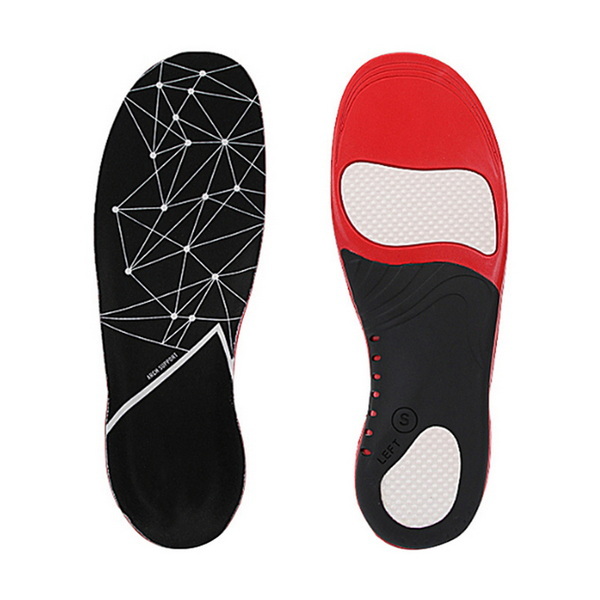
Most shoes with removable, deep enough insoles can accommodate orthotics. However, narrow or tight shoes may not fit orthotics comfortably. Custom orthotics are often designed considering the shoe type.
If the inside of the shoe is flat and has sufficient space, orthotics can sometimes be used without removing factory insoles. However, removing them is generally better if possible for fit and comfort.
Depending on materials and wear, orthotics typically last 1-3 years. Regular evaluation by a podiatrist ensures they still provide the support needed.
Yes, orthotic insoles are particularly recommended for flat feet to provide arch support and prevent pain from overpronation.
Coverage depends on your healthcare plan and whether orthotics are prescribed by a medical professional. Some plans cover custom orthotics partially or fully.
[1](https://www.reddit.com/r/NoStupidQuestions/comments/1dqpeo3/take_out_factory_insoles_when_get_orthotics/)
[2](https://www.upandrunningpodiatry.com.au/do-you-remove-your-insoles-with-3-4-orthotics/)
[3](https://alineinsoles.com/blogs/news/do-i-remove-original-insoles-when-using-orthotics-insoles)
[4](https://www.stridesoles.com/blogs/articles/do-i-remove-original-insoles-when-using-orthotics)
[5](https://www.solescience.ca/questions-orthotics-youve-always-wanted-ask/)
[6](https://www.upstep.com/a/community/orthotics/do-insoles-go-over-the-insole-that-comes-in-the-shoe-or-do-we-remove-the-one-that-s-there)
[7](https://www.melbournepodiatryclinic.net.au/blog/can-i-wear-orthotics-in-shoes-that-already-have-support-in-them/)
[8](https://www.bedfordshirehospitals.nhs.uk/patient-information-leaflets/a-guide-to-your-insoles-2/)
[9](https://heelthatpain.com/foot-orthotic-guide/)
[10](https://www.drscholls.com/blogs/expert-advice/the-difference-between-orthotics-insoles-and-shoe-inserts)


