
Views: 222 Author: Edvo Publish Time: 2026-02-02 Origin: Site


Content Menu
● The Critical Role of Shoe Insoles
● Average Lifespan of Shoe Insoles
● Signs You Need to Replace Your Shoe Insoles
>> 1. Visible Damage or Flattening
>> 2. Loss of Support or Structure
>> 3. Odor and Hygiene Problems
>> 5. Pain in Feet, Knees, or Back
>> 6. Noise or Loose Fit in Shoes
● Factors That Influence Insole Longevity
● How to Extend the Lifespan of Your Shoe Insoles
● Shoe Insoles for Different Lifestyles
>> For Hiking or Outdoor Activities
>> For Medical or Orthotic Purposes
● The Consequences of Using Worn-Out Insoles
● Choosing the Right Replacement Insoles
● Why Timely Replacement is Good for Business and Health
● Professional Advice on Replacement Intervals
● FAQ About Replacing Shoe Insoles
>> 1. How can I tell if my shoe insoles need replacing?
>> 2. Do athletic insoles wear out faster?
>> 3. Can I wash my shoe insoles instead of replacing them?
>> 4. Is it safe to use third-party or aftermarket insoles?
>> 5. How often should professionals on their feet replace insoles?
Comfortable, supportive shoes are essential for your overall well-being — but many people overlook one component that makes all the difference: shoe insoles. These removable layers inside your footwear influence not only comfort but also hygiene, posture, and even your walking performance. Over time, however, insoles lose their support, and keeping them in your shoes for too long can negatively affect your feet and back.
Understanding how often to replace shoe insoles can help keep your shoes performing at their best and your body properly aligned. This guide explains how long insoles last, what factors affect their durability, and when it's time to upgrade — whether you're a casual walker, an active athlete, or a professional standing all day.
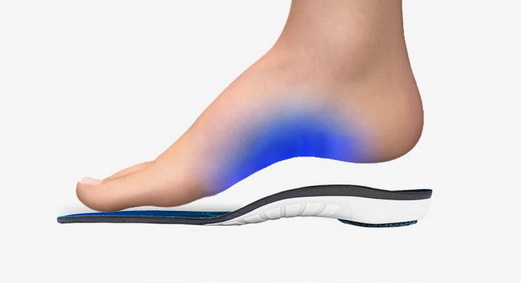
Shoe insoles (also known as inner soles or footbeds) are more than just padding. They serve several key purposes that impact both comfort and performance:
- Cushioning: They absorb shock and distribute pressure evenly across the foot.
- Arch support: Essential for maintaining natural alignment and preventing overpronation.
- Balance and stability: Properly structured insoles reduce foot fatigue and improve walking stability.
- Protection: They act as barriers against bacteria and moisture that build up inside shoes.
Replacing your insoles at the right time ensures your shoes provide consistent support — whether you're on your feet at work or engaging in high-impact activities like running and hiking.
On average, shoe insoles last between 6 and 12 months, but this lifespan varies widely depending on several factors:
- Usage frequency: Daily wearers will notice faster wear than occasional users.
- Activity intensity: Sports, hiking, or long hours on hard surfaces compress the insole material faster.
- Weight impact: Heavier individuals exert more pressure, reducing durability.
- Material quality: Orthotic-grade EVA or polyurethane insoles last longer than low-density foam or gel inserts.
- Shoe environment: Moisture, dirt, and temperature changes can degrade materials more quickly.
For example, runners may need to replace insoles every 3–4 months, while an office worker may only need to switch once a year. Monitoring these factors helps prevent discomfort before it develops into chronic pain.
Recognizing the right time to replace your shoe insoles prevents potential foot strain and keeps your shoes in better condition. Here are the most reliable warning signs:
Check for flattened spots, cracks, or thinning foam. A visually compressed insole has lost its ability to cushion effectively.
If your shoes suddenly feel unstable or less comfortable, or if you start feeling pain after standing or walking, it's a signal the insole's structure has broken down.
Persistent odor, even after cleaning, often indicates bacterial buildup deep within the insole material. Replacing them restores freshness and hygiene.
If one area of your foot feels more pressure or the shoe fits inconsistently, it means the insoles have uneven wear, reducing balance and gait alignment.
Old insoles can cause arch strain, plantar fasciitis, or knee discomfort by failing to absorb shock properly. Fresh insoles can alleviate these issues almost immediately.
If the insoles shift or make noise when walking, it means the glue or structural integrity has deteriorated.
Understanding what shortens or extends the life of shoe insoles helps you plan replacements strategically.
- Material Composition: Orthotic EVA or PU materials with deep heel cups and reinforced arches last longer than standard foam inserts.
- Moisture Exposure: Sweat and humidity accelerate bacterial growth and material degradation.
- Cleaning Habits: Regular washing with mild soap maintains freshness and prevents odor buildup.
- Environmental Conditions: Working outdoors, especially in wet or hot climates, wears insoles faster.
- Foot Anatomy: People with flat feet, high arches, or gait irregularities apply more pressure to certain points.
If you combine these insights with consistent cleaning and drying, you can maximize the functional life of every pair.
Even though insoles are replaceable, extending their lifespan saves money and keeps your feet healthier in the long term. Implement these habits:
- Air them out daily: After wearing, remove insoles and allow air to circulate overnight.
- Clean regularly: Use mild detergent; avoid machine washing or high heat, which can warp material.
- Alternate shoes: Rotating pairs allows compression-recovery time for each insole.
- Use moisture absorbers: Silica gel or cedar inserts help regulate humidity.
- Inspect monthly: Look for shape loss, discoloration, or odor — early signs they need attention.
- Avoid excessive heat exposure: Dry them naturally instead of under direct sunlight or on radiators.
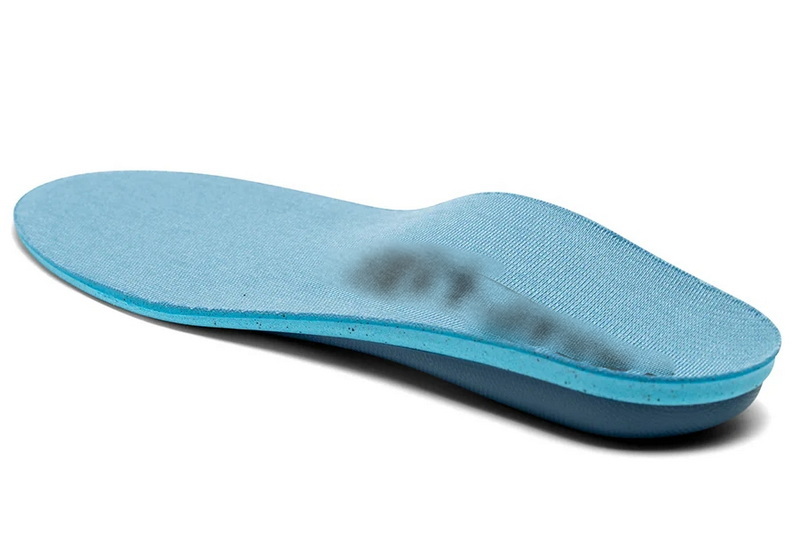
Not all shoe insoles are designed for the same purpose. Choosing the right type based on your activity helps maintain comfort and performance for longer.
General-purpose insoles made with lightweight foam or gel provide adequate cushioning for daily comfort. Replace them every 8–12 months.
Running or sports insoles need stronger shock absorption and arch stability. Replace every 3–4 months, especially after long-distance running or training.
Industrial workers, nurses, and retail employees on their feet for long hours should use robust orthotic-grade materials. Replace every 4–6 months for consistent support.
Trail and hiking insoles designed to resist moisture and rough terrain usually last 6 months but may need earlier replacement if exposed to high humidity or mud.
Custom shoe insoles for plantar fasciitis, flat feet, or other orthopedic conditions typically last 12 months but should be evaluated by a specialist every 6 months.
Ignoring worn-out insoles can lead to significant discomfort and even injury. Common problems include:
- Foot strain and fatigue: Loss of shock absorption stresses muscles and tendons.
- Joint pain: Misalignment from uneven cushioning affects knees, hips, and spine.
- Posture issues: Without proper support, your body adapts in unhealthy ways over time.
- Reduced shoe lifespan: Insoles act as a buffer; once they lose structure, your shoes wear out faster.
- Poor odor control: Old insoles retain moisture and bacteria, spreading unpleasant smells.
Essentially, neglecting insole replacement impacts both short-term comfort and long-term musculoskeletal alignment.
When replacing shoe insoles, focus on material quality and intended use rather than brand name. Consider these guidelines:
- Material durability: EVA, polyurethane, or carbon-fiber bases last longer than gel or latex foams.
- Arch type: Match the insole's arch profile to your foot — flat, medium, or high.
- Heel cushioning: Deep-cup designs improve heel stability, especially for runners.
- Breathability: Airflow channels help manage moisture during extended wear.
- Odor protection: Choose antimicrobial-treated or activated carbon layers for freshness.
- Custom options: Orthotic manufacturers can create personalized insoles for specific medical or ergonomic needs.
As a leading OEM shoe insole manufacturer in China, our company produces professionally engineered insoles for global brands, wholesalers, and shoe producers. Our designs focus on ergonomic fit, premium material selection, and advanced comfort technology to serve users in every category — from athletic footwear to industrial safety shoes.
For footwear brands and distributors, timely replacement of shoe insoles offers both consumer and business advantages:
- Customer satisfaction: Comfortable shoes encourage repeat purchases.
- Hygiene assurance: Promotes a clean, odor-free experience that builds brand trust.
- Extended shoe life: Supports structural integrity of footwear, reducing warranty claims.
- Brand reputation: Delivering reliable comfort and durability enhances credibility with global partners.
For individual users, caring about insole replacement means better health, comfort, and energy efficiency in every step.
Professional podiatrists and orthopedists often recommend replacing shoe insoles according to usage type:
- Casual users: Every 10–12 months.
- Office workers: Every 8–10 months.
- Athletes: Every 3–4 months or after 500 miles of running.
- Heavy-duty workers: Every 4–6 months under intense standing or walking conditions.
Monitoring how your feet feel daily remains the best guide. Comfort and support are the most reliable indicators — if they diminish, your insoles need replacement regardless of time elapsed.
Your shoe insoles play a silent but powerful role in maintaining your comfort, posture, and foot health. Replacing them regularly — typically every 6 to 12 months — prevents discomfort, extends the life of your shoes, and supports your entire body.
Never underestimate the impact of high-quality insoles. They help prevent fatigue, reduce injuries, and enhance every step you take. Whether for daily wear, sports performance, or professional use, fresh insoles are an investment in both comfort and health.
As a Chinese OEM manufacturer specializing in shoe insoles, we're committed to producing premium, durable, and comfortable products tailored to global market needs. For brands, wholesalers, and footwear producers, offering reliable replacement insoles ensures both customer satisfaction and long-term loyalty.
Contact us to get more information!

If your feet start feeling sore, your shoes lose their cushioning, or you notice odor and shape deformation, it's time to replace them. Visual wear or loss of springiness are clear indicators.
Yes. Running and high-impact movement compress shock absorbers at a faster rate, reducing their lifespan to around 3–4 months for frequent users.
You can clean insoles to remove odor or dirt, but cleaning doesn't restore lost cushioning, structure, or arch support. Replacement remains necessary over time.
Absolutely. Quality third-party shoe insoles often provide better cushioning and support than factory-issued ones, especially if they're orthotic-grade.
Nurses, warehouse workers, and teachers should replace their shoe insoles every 4–6 months to maintain comfort and prevent joint strain.
1. American Orthopaedic Foot & Ankle Society – [www.aofas.org](https://www.aofas.org)
2. American Podiatric Medical Association – [www.apma.org](https://www.apma.org)
3. Runner's World Magazine – [www.runnersworld.com](https://www.runnersworld.com)
4. Footwear Insight Journal – [www.footwearinsight.com](https://www.footwearinsight.com)
5. National Institute of Health (NIH) – [www.nih.gov](https://www.nih.gov)


