
Views: 222 Author: Edvo Publish Time: 2026-02-02 Origin: Site


Content Menu
● How Shoe Insoles Affect Shoe Size
● Understanding Internal Shoe Volume
● Do Insoles Make Shoes Bigger or Smaller?
● The Role of Material and Compression
● Shoe Type and Its Sensitivity to Insoles
>> Work Boots
>> Sneakers
● Can Shoe Insoles Fix Fit Problems?
● Adjusting Shoe Size with Insoles
● The Importance of OEM Precision in Insole Manufacturing
● The Balance Between Comfort, Support, and Sizing
● Long-Term Impact on Foot Health
● Maintaining Proper Shoe Fit After Insole Replacement
>> 1. How much do insoles really change shoe size?
>> 2. Can shoe insoles fix shoes that are too big or too small?
>> 3. Should I always remove the original insole when adding a new one?
>> 4. Do different materials affect shoe size differently?
>> 5. Can OEM insole manufacturers control sizing consistency?
Shoe insoles are one of the simplest yet most transformative components of footwear design. They can determine whether a shoe feels perfectly snug or uncomfortably tight, influence posture, and even affect walking performance. Many people underestimate how much a small change in insole thickness or shape can alter fit. Whether you're a footwear manufacturer designing OEM products or a consumer selecting replacements, understanding how much Shoe Insoles change shoe size can make a huge difference in comfort and performance.
This article explores how insoles modify the internal dimensions of a shoe, the factors influencing that change, and how to ensure the right fit without compromising functionality.
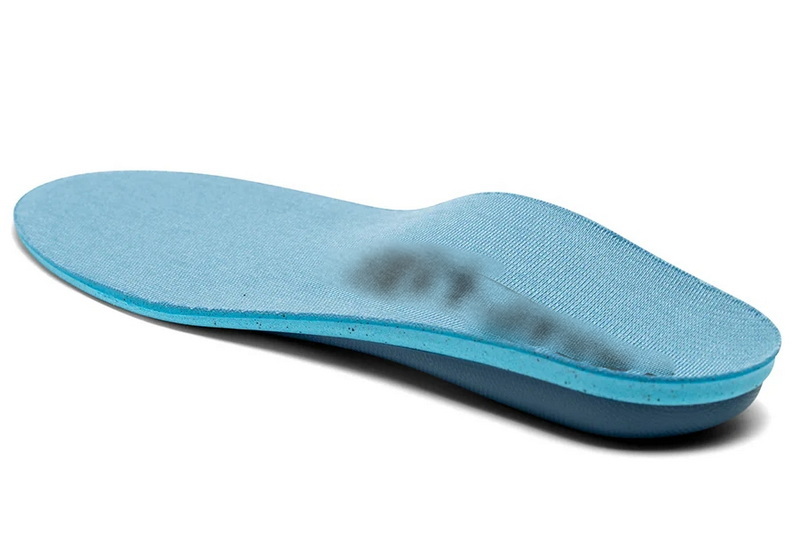
Shoe Insoles—also called footbeds or inner soles—are removable layers placed inside shoes to enhance comfort, provide support, and improve fit. They act as a bridge between the foot and the shoe's midsole, absorbing impact and aligning the foot's structure during walking or running.
Common types of insoles include:
- Comfort Insoles: Typically made from soft foam or gel, these prioritize cushioning for everyday use.
- Support Insoles: Designed for stability and posture correction, often featuring arch support.
- Custom Orthotic Insoles: Created from precise foot molds or digital scans for medical or athletic use.
The thickness, density, and contour of these insoles all play a part in how the shoe fits.
Every shoe has a fixed internal volume designed to accommodate the foot comfortably. When you insert an insole—especially one thicker or more structured than the original—it effectively reduces that internal space. This is what causes the sensation of a shoe feeling smaller than its stated size.
The relationship between insoles and shoe size change depends on several variables:
1. Insole Thickness: A thicker insole takes up more room, reducing internal volume and making the shoe tighter.
2. Material Density: A dense orthotic or gel compound compresses less, leaving less space for the foot.
3. Footwear Style: Narrow shoes show more noticeable size changes than wide or athletic designs.
4. Insole Replacement vs. Stacking: Adding insoles on top of existing ones compounds the thickness effect.
5. Arch and Heel Design: Specialized contours elevate parts of the foot, altering toe and heel spacing.
As a rough guide, a new insole that adds 2–3 mm in height will typically make shoes feel half a size smaller. If the insole adds 5 mm or more, the difference can approach a full size.
Shoe size is not only about length—it's also about *volume*. Internal shoe volume refers to the three-dimensional space that accommodates your foot. Two pairs marked as size 9 can feel entirely different depending on how much vertical and lateral space the insole and design allow.
High-volume shoes such as running sneakers usually tolerate added insoles without discomfort. Low-volume shoes like leather loafers or heels, however, can feel instantly restrictive if you change the original insole configuration.
When trying out new Shoe Insoles, always consider:
- The space under the tongue and above the instep
- The clearance around the toes
- The tightness across the sides of your foot
If any of these points feel compressed, the insole is altering the shoe's internal size.
Shoe insoles never truly change the external shoe size, but they absolutely affect how the shoe feels internally.
- Thicker insoles make shoes feel *smaller*, reducing the internal space and tightening the fit.
- Thinner or compressible insoles make shoes feel *larger*, as the foot sits lower inside the shoe.
If the goal is a tighter fit, thicker cushioned or gel insoles are ideal. For more space, remove the original insole and use a lightweight foam version.
For shoe manufacturers and OEM partners, precise insole measurement—usually in millimeters—is critical to maintaining standard sizing across production batches.
One of the biggest factors determining how much Shoe Insoles affect shoe size is material compression. Materials like EVA foam gradually conform to the foot's shape, losing slight thickness over time. Other materials such as PU or gel compounds retain their height for longer.
Here's how different materials commonly behave:
- EVA Foam: Lightweight, resilient, and adaptable; minimal size change after break-in.
- Memory Foam: Ultra-soft but thicker; compresses unevenly and often requires extra shoe space.
- PU Foam: Dense and shock-absorbent; retains shape and thickness longer, reducing shoe volume.
- Gel or Silicone: Generally thicker and heavier; significantly change perceived shoe size.
- Leather: Slim, durable, and breathable; best for narrow or formal shoes.
Choosing the right combination of material and thickness ensures optimal balance between comfort and shoe size accuracy.
Different footwear styles respond uniquely to insole replacement. Some shoes are built with removable liners, while others rely on permanent glued layers.
These typically have removable insoles, making them easy to upgrade. Replacing them with supportive Shoe Insoles usually doesn't alter the size much, as their design allows extra internal depth for athletic activities.
Dress shoes are built with tighter guidelines for design and comfort. Even minor increases in insole thickness can make these shoes snug. The preferred replacement is a thin leather or microfoam insert.
Because safety and support are crucial, they often use thick cushioned or thermal insoles. Replacing them might require selecting a half-size larger shoe if you're installing rigid orthotics.
Casual sneakers strike a balance between volume and structure, so swapping insoles generally produces moderate size changes. Use ergonomic insoles for extra comfort during long daily wear.
Fashion shoes—especially high heels—show the most noticeable response to insoles. Slight differences in padding or contour can dramatically alter both fit and posture.
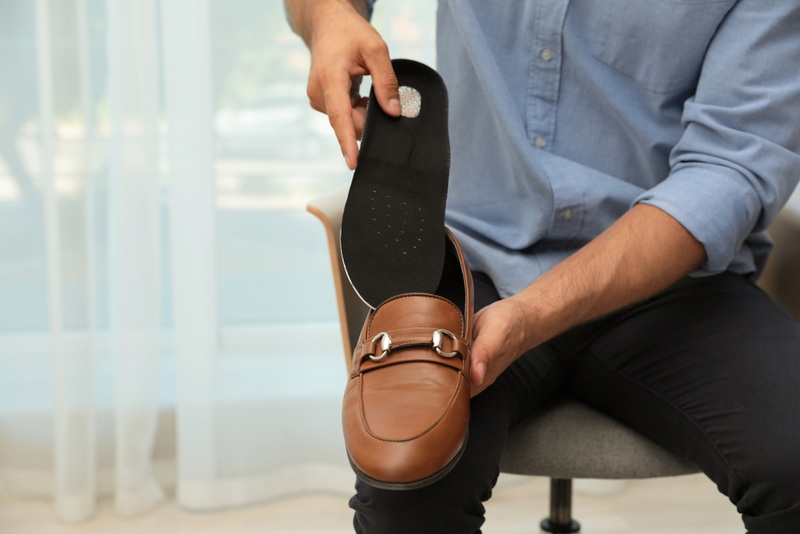
Yes, Shoe Insoles can correct minor fit inconsistencies. For example:
- Tight Shoes: Replace the existing insoles with thinner ones to regain internal room.
- Loose Shoes: Add thicker or double-layer insoles to reduce empty space and secure the heel.
- Foot Slippage: Use heel cushions or targeted lift pads.
- Uneven Pressure: Choose arch-specific orthotics that balance weight distribution.
However, correcting more than one full shoe size difference using insoles alone is not recommended. In that case, changing the shoe size itself is a better choice for long-term comfort and health.
Here's a simple guide for using Shoe Insoles strategically:
- Use thicker, high-volume insoles or double layers in heel and forefoot areas.
- Add cushioning pads or orthotic inserts for extra depth filling.
- Wear thicker socks to complement the increased insole volume.
- Switch to thinner, low-profile insoles (especially if replacing a stock liner).
- Use insoles made of lightweight material like EVA or perforated foam.
- If necessary, trim insoles for precise length fitting, ensuring no wrinkles or pressure points.
Always test the shoes by walking on different surfaces for a few minutes. This ensures that the new insole maintains stability, balance, and breathability.
For brands and footwear factories, mastering how Shoe Insoles interact with shoe sizing is a core part of product consistency. In OEM manufacturing, even a 1 mm deviation can alter fit perception for international buyers.
Professional insole providers develop 3D models and test hundreds of thickness profiles across different shoe types. They also consider environmental factors—temperature, humidity, and long-term compression—since these affect the final fit once shoes reach global markets.
Working with a trusted OEM shoe insole manufacturer ensures:
- Uniform insole density and contour accuracy.
- Proper alignment with shoelast dimensions.
- Consistent fit across full size runs.
- Easier compliance with customer feedback on comfort and sizing.
When testing shoes with new or replacement insoles, follow these best practices:
1. Remove the old insole first before inserting a new one to prevent doubling thickness.
2. Check toe clearance—you should have roughly a thumb's width of space.
3. Observe heel seating—your heel should stay snug with no lift during walking.
4. Evaluate width—ensure your toes can move freely but not slide excessively.
5. Walk or run test—wear the shoes for several minutes before deciding.
For new shoes, insoles may initially feel stiff or tight but typically settle after several days of wear as the materials conform to your feet.
Many people mistakenly believe that thicker insoles are always better for comfort. However, the right comfort doesn't come from depth alone—it comes from supportive design. Insoles that contour naturally to the foot's anatomy promote alignment without excessive bulk.
The best Shoe Insoles balance:
- Adequate cushioning for shock absorption.
- Structural stability in the arch and heel.
- Breathability for moisture control.
- Slim design to preserve shoe size consistency.
For both consumers and manufacturers, choosing insoles that fit these requirements ensures durability and user satisfaction.
Poorly fitting insoles can lead to a cascade of issues—blisters, misalignment, and even chronic knee or back discomfort. Overly tight insoles minimize blood circulation, while loose ones cause friction and instability.
Regular inspection of Shoe Insoles helps prevent these problems. Replace worn-out insoles every 6–12 months or as soon as signs of flattening, odor, or surface cracking appear. For industrial or high-performance footwear, more frequent replacement may be necessary due to heat and impact exposure.
OEM customers in global markets often specify durability standards by hours of continuous wear, ensuring consistent product quality for demanding users like athletes or workers.
After swapping or upgrading Shoe Insoles, it's essential to maintain their optimal performance:
- Allow shoes to air-dry regularly to preserve insole structure.
- Store footwear in ventilated areas to prevent deformation.
- Remove and clean insoles periodically to extend their life.
- Avoid washing insoles in high heat; instead, use mild soap and rinse gently.
These habits not only prolong insole lifespan but also maintain shoe shape and hygiene, keeping the internal size stable.
So, how much do insoles change shoe size? The change may seem subtle, but it significantly affects comfort and functionality. Thicker insoles tend to make shoes feel up to one full size smaller, while thinner or compressible alternatives can create extra room. Every millimeter counts, especially for high-performance or formally structured footwear.
Understanding this relationship ensures proper insole design and accurate shoe sizing—core elements in footwear manufacturing and personal comfort alike. Whether you're designing custom OEM shoe insoles or upgrading your daily sneakers, balancing cushioning, support, and internal space is the key to achieving the perfect fit.
Contact us to get more information!
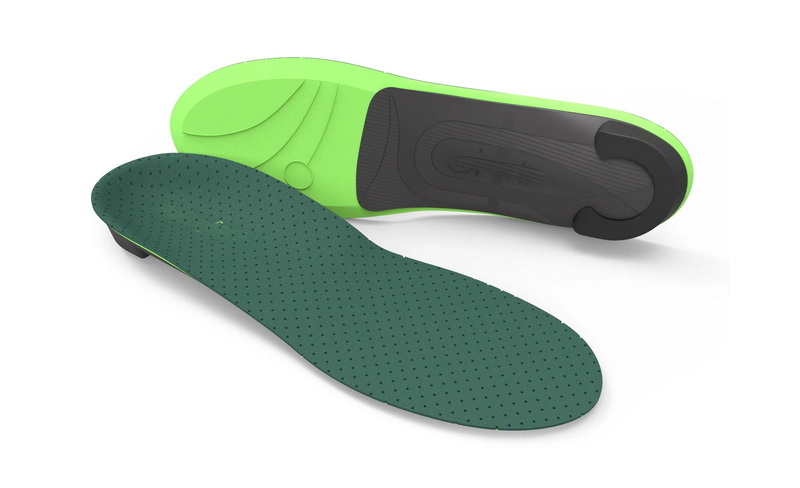
Insoles can alter perceived fit by half to one full size depending on thickness and material density. A 3–5 mm increase in height usually leads to a snugger fit.
Yes. Thicker Shoe Insoles help fill loose shoes, making them tighter, while thinner ones increase internal volume for tight-fitting footwear.
Absolutely. Keeping the original plus an extra insole doubles the height and may cause discomfort or improper arch alignment.
Yes. Gel and PU insoles typically make shoes feel smaller, while EVA or leather insoles are thinner and maintain truer size.
Professional manufacturers can precisely adjust material density and thickness tolerances within fractions of a millimeter, ensuring every pair of shoes maintains the correct internal size.
1. American Podiatric Medical Association – Foot Health and Shoe Fit Guidelines.
2. Footwear Science Journal – "The Role of Insole Thickness in Shoe Fit and Comfort."
3. Sports Medicine Research Institute – “Influence of Orthotics on Footwear Sizing and Performance.”
4. OEM Footwear Standards (China National Footwear Testing Center, 2025).
5. Footwear Industry Handbook – Insole Material Properties and Design Principles.


