


Content Menu
● Why Add Insoles To Your Shoes?
● Types Of Shoe Insoles And Their Uses
>> Sports And Performance Insoles
● Step-By-Step: How To Add Insoles To Shoes
>> Step 1: Choose The Right Insole For Your Shoes
>> Step 2: Remove The Old Insoles (If Possible)
>> Step 3: Use Old Insoles As A Template
>> Step 4: Trim The New Insoles Carefully
>> Step 5: Insert The Insoles Properly
>> Step 6: Test The Fit And Feel
>> Step 7: Allow A Break-In Period
● Tips To Get The Best Results With Shoe Insoles
● Common Mistakes When Adding Insoles
>> Wearing New Insoles All Day Immediately
>> Not Replacing Worn-Out Insoles
● How Shoe Insoles Support Health and Posture
● Cleaning And Maintaining Shoe Insoles
>> When To Replace Shoe Insoles
● Choosing Shoe Insoles For Different Footwear
>> Work Boots And Safety Shoes
>> Dress Shoes
>> High Heels
● Can You Move Insoles Between Shoes?
● When To Seek Professional Advice
● FAQ
>> 1. How often should I replace my shoe insoles?
>> 2. Can I put new insoles on top of the original ones?
>> 3. Do insoles work in all types of shoes?
>> 4. Can shoe insoles help with knee or back pain?
>> 5. How do I know if I chose the right type of insole?
Adding shoe insoles is one of the most effective ways to upgrade the comfort, support, and performance of almost any pair of shoes. Whether you are an athlete, a worker who stands all day, or simply someone who wants a more comfortable walking experience, learning how to add insoles to shoes correctly ensures you get the maximum benefit from every step.
Shoe insoles are not just accessories; they directly influence how your feet, ankles, knees, and back handle daily impact. When used properly, they can turn average footwear into a customized support system designed for your lifestyle and foot type.
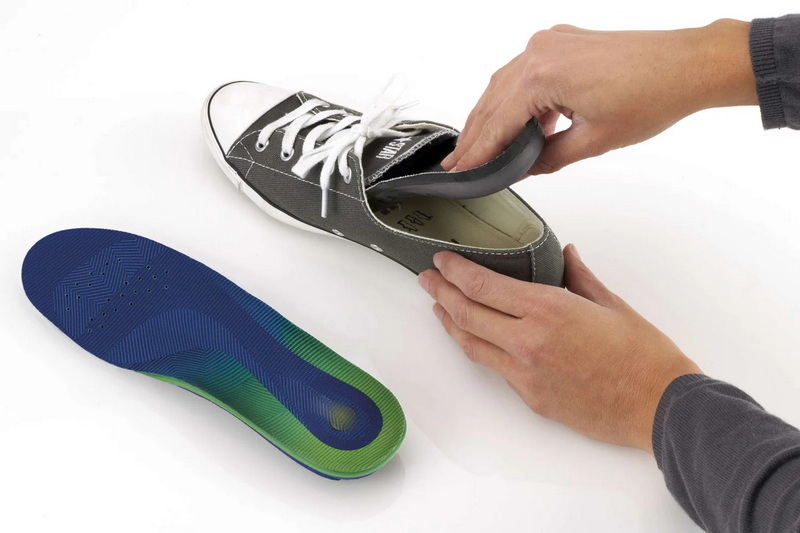
Shoe insoles, sometimes called footbeds or inner soles, are removable inserts placed inside your shoes to provide extra cushioning, support, or corrective alignment. They are made from materials such as foam, gel, cork, leather, or composite technical materials, each offering different levels of firmness and flexibility.
Common categories of shoe insoles include:
- Comfort insoles for everyday cushioning.
- Support insoles for better arch and heel stability.
- Orthotic insoles for medical or postural correction.
- Performance insoles for sports and high-impact activities.
- Temperature-control insoles for heated or cooling effects.
While many shoes ship with basic factory insoles, these are often thin and wear down quickly. Replacing them with quality shoe insoles allows you to tailor the inside of your shoes to your unique needs.
There are many reasons people choose to add shoe insoles instead of buying new shoes. Good insoles can radically change how a shoe feels and performs without altering its appearance.
Key benefits of adding shoe insoles include:
- Increased comfort during walking, running, and standing.
- Better arch support and weight distribution.
- Improved alignment of feet, ankles, knees, and hips.
- Reduced shock and impact on joints.
- Relief from pressure points and hot spots.
- Enhanced stability and balance.
- Extended life span of your shoes by absorbing wear.
For people with flat feet, high arches, plantar fasciitis, or knee and back discomfort, the right shoe insoles can be an important part of daily pain management and prevention.
Before you learn how to add insoles to shoes, it is useful to understand the main types available. Choosing the right kind will make the fitting process easier and the results better.
These soft, usually full-length shoe insoles are made from foam, gel, or a combination of both. They provide general cushioning and reduce fatigue for people who walk or stand for long periods. They are ideal for casual shoes, sneakers, and light work footwear.
Arch support shoe insoles are designed to support flat feet, low arches, or high arches. They help control foot motion, reduce overpronation or supination, and stabilize the heel. These are common in walking shoes, running shoes, and work boots.
Orthotic shoe insoles are more structured and may be custom-made based on a prescription. They address specific medical issues such as plantar fasciitis, heel spurs, and chronic knee or back pain. Over-the-counter orthotic-style insoles are also available for general support.
These shoe insoles are optimized for athletes and active users. They often feature advanced cushioning in the heel and forefoot, moisture-wicking top layers, and firm arch shells to support quick movements and repetitive impact.
Specialty shoe insoles include heel cups, metatarsal pads, slim insoles for dress shoes, and forefoot pads for high heels. They are tailored to very specific problems or shoe styles, providing targeted relief without filling too much space.
Learning how to add insoles to shoes properly is straightforward, but each step matters. Proper preparation and fitting will help the shoe insoles sit flat, stay in place, and feel natural.
Start by identifying your main purpose:
- Daily comfort and cushioning.
- Extra arch support or heel stability.
- Pain relief from specific conditions.
- Enhanced performance in sports or work.
Consider your shoe type as well:
- For running shoes, choose flexible, shock-absorbing insoles.
- For work boots, pick firmer arch support and durable materials.
- For dress shoes, use thinner, low-profile shoe insoles.
- For high heels, select slim forefoot pads or heel cushions.
Sizing is crucial. Most insoles come in size ranges (for example, men's 8–10, women's 6–8). Choose the range closest to your shoe size, knowing you can trim them later.
Many shoes contain removable factory footbeds. Grip the heel area and gently pull up to remove them. If they are fully glued and cannot be removed without damaging the shoe, you may need to place the new shoe insoles directly on top, as long as there is enough room.
Removing the original insoles makes it easier to:
- Use them as a template for trimming new insoles.
- Ensure better space and fit.
- Clean the inside of the shoe before inserting new insoles.
Place the old insole directly on top of the new shoe insoles. Make sure the heel and inner edge line up as closely as possible. Use a pen or marker to trace around the toe and forefoot of the old insole onto the new one.
Important tips:
- Always trace the original insole that fits well in the shoe.
- Work on one insole at a time to avoid mixing left and right shapes.
- Take note of any special shaping around the toes or sides.
Using sharp scissors, cut along the traced line on the new insole. It is better to cut slightly outside the line first, then test the fit and trim more if needed. Start trimming from the toe area and avoid cutting near the heel cup or arch structure, as these are important for support.
Once trimmed, place each shoe insole inside the shoe to check:
- Does it lie flat from heel to toe?
- Does it follow the curve of the toe box without bunching?
- Is there any buckling at the sides?
If the insole is still too large, trim a tiny amount more from the toe until it fits smoothly.
After trimming both shoe insoles, slide each one into its shoe. Angle the insole in slightly if needed and ensure:
- The heel cup sits firmly against the back of the shoe.
- The arch lines up with your natural arch position.
- The forefoot area fills the front without folding or lifting.
Press down along the length of the insole with your hand to eliminate air pockets and make sure the edges are fully seated.
Put on your shoes with the new shoe insoles and walk around indoors for several minutes. Pay attention to:
- Overall comfort and tightness.
- Any unusual pressure points or rubbing.
- Whether your heel feels stable or slips.
- Your arch feeling supported but not painfully raised.
If the shoes feel too tight, you can:
- Remove any original insole that is still inside.
- Try a thinner style of shoe insoles.
- Loosen laces or choose shoes with more internal volume.
If the support feels off-center, remove the insole, reposition it, and test again.
Even perfectly fitted shoe insoles can feel different at first. Your muscles and joints need a short adjustment period, especially if the arch support is stronger than what you had before.
To avoid discomfort:
- Wear the new insoles for 1–2 hours on day one.
- Gradually increase usage time each day.
- Monitor for any persistent pain or blistering.
If serious discomfort continues after a week of gradual use, you may need a different style or level of support.
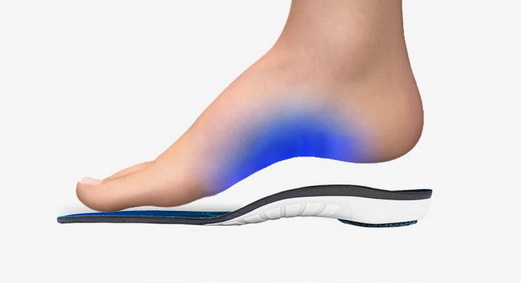
To make the most of your shoe insoles, keep these practical tips in mind:
- Match insole shape to your foot type (flat, neutral, or high arch).
- Avoid overfilling shoes; too little space leads to pressure and rubbing.
- Combine shoe insoles with proper socks that manage moisture and reduce friction.
- Do not stack multiple full-length insoles in one shoe.
- Replace extremely worn or compressed insoles promptly.
If you are unsure which type of shoe insoles are right for you, start with a medium-firm support insole designed for everyday use and adjust from there based on comfort.
Many problems with shoe insoles come from simple mistakes during selection or fitting. Avoid these common errors to ensure long-lasting comfort.
Buying insoles that are too large and trimming them aggressively can distort their structure. Choosing insoles that are too small leaves gaps and reduces support. Always start with the closest size range to your shoe.
Every shoe has a limited amount of internal space. Thick shoe insoles may work well in boots or roomy sneakers but feel cramped in slim dress shoes or low-profile running shoes. Always consider the shoe's depth and toe box height.
Leaving extra length in the forefoot can cause the insole to fold upward, which feels like a lump under your toes. Take the time to trim shoe insoles correctly and test both the left and right shoe individually.
Putting brand-new, high-support shoe insoles into your shoes and wearing them for a full day can lead to soreness. A short break-in schedule helps your feet adapt smoothly.
Old insoles that are flattened, cracked, or permanently stained no longer deliver adequate support or hygiene. Continuing to wear them can actually increase discomfort and foot fatigue.
Well-chosen shoe insoles can play a major role in supporting healthy posture and movement patterns. By improving how your feet interact with the ground, they influence the alignment of your entire body.
Key health-related effects include:
- More even distribution of body weight across the feet.
- Reduced excessive inward or outward rolling of the ankles.
- Less strain on the plantar fascia, Achilles tendon, and calf muscles.
- Better shock absorption in the heel and forefoot.
- Reduced stress on knees, hips, and lower back.
For workers who stand on hard floors or athletes performing high-impact movements, quality shoe insoles can help reduce fatigue, improve stability, and support more efficient motion.
Proper care will keep your shoe insoles fresh, hygienic, and supportive for a longer period.
Follow these steps for regular cleaning:
1. Remove the shoe insoles from your shoes.
2. Brush off dust, grit, and loose debris.
3. Prepare a small bowl with warm water and mild soap or detergent.
4. Use a soft cloth or sponge to gently wipe the surface.
5. Rinse lightly with clean water if needed.
6. Pat dry with a towel and leave them to air dry completely.
Avoid soaking insoles for long periods or using very hot water, as this can weaken adhesives and deform foam or gel structures.
To control odor:
- Allow shoe insoles to dry completely between uses.
- Rotate between two pairs of insoles or two pairs of shoes when possible.
- Sprinkle a small amount of baking soda on the insoles overnight, then brush it off.
- Store shoes and insoles in a dry, ventilated area instead of closed containers.
No matter how well you care for them, shoe insoles eventually wear out. Signs that it is time to replace them include:
- Visible flattening or compressed cushioning.
- Cracks, peeling layers, or rough edges.
- Persistent odor even after cleaning.
- Loss of support or increased foot fatigue.
For moderate daily use, many people replace their shoe insoles every 6–12 months. Heavy users, such as runners or workers on their feet all day, may need replacements more frequently.
Not every shoe works best with the same type of insole. Selecting shoe insoles that match both your foot and your footwear will give the best results.
For running and training shoes:
- Look for full-length shoe insoles with responsive cushioning.
- Choose insoles that allow natural foot flex.
- Prioritize moisture-wicking top layers to keep feet dry.
For work boots and safety footwear:
- Select robust, supportive shoe insoles with firm arch shells.
- Consider insoles with extra heel cushioning for impact on hard floors.
- Use materials that resist compression under heavy weight.
For casual sneakers:
- Use medium-cushion, flexible shoe insoles for all-day comfort.
- Choose designs that are easy to remove and clean.
- Balance softness with adequate arch guidance.
For dress shoes:
- Pick thin, low-volume shoe insoles that do not crowd the toe box.
- Leather or slim foam insoles maintain a sleek profile.
- Avoid excessively thick cushioning that lifts the heel too much.
For high heels:
- Use targeted forefoot pads to reduce pressure on the ball of the foot.
- Consider heel liners to reduce slipping.
- Choose clear or low-profile designs that do not alter the shoe's fit drastically.
Many people like to transfer one favorite pair of shoe insoles between different shoes. This can work, but there are a few points to remember:
- Only move insoles between shoes with similar size and shape.
- Check that the insole sits flat in each shoe without curling or bending.
- Inspect for wear more frequently, as moving them often can stress the material.
- If you rely on shoe insoles daily, owning several pairs is more convenient and hygienic.
While most people can choose basic shoe insoles on their own, some conditions may require professional guidance. You should consider seeing a podiatrist or foot specialist if you have:
- Severe or persistent heel or arch pain.
- Recurrent injuries such as shin splints or stress fractures.
- Visible deformities like bunions or very high arches.
- Medical conditions affecting joints or nerves in the feet.
A professional can recommend custom or specialized orthotic shoe insoles and advise on how to add insoles to shoes in a way that supports your specific medical needs.
Knowing how to add insoles to shoes gives you a powerful way to customize comfort, support, and performance without buying entirely new footwear. By choosing the right type of shoe insoles, trimming them accurately, inserting them carefully, and allowing a proper break-in period, you can transform ordinary shoes into a far more supportive and comfortable part of your daily life.
Shoe insoles can help reduce fatigue, improve alignment, and protect your joints from everyday impact. With regular cleaning and timely replacement, they remain an easy, affordable, and highly effective upgrade for almost any pair of shoes you own.
Contact us to get more information!
Most people should replace shoe insoles every 6–12 months, depending on how often they wear them and how intense the activity is. If you notice flattening, loss of support, or persistent odor that cleaning cannot remove, it is time to change them sooner.
You can place new shoe insoles on top of original footbeds only if your shoes still have enough internal space and do not feel tight. However, in most cases it is better to remove the old insoles first so the new pair can sit flat and support your feet correctly.
Shoe insoles can be used in most closed footwear, including sneakers, boots, and dress shoes, as long as there is enough space inside. Very tight or minimal shoes may not have enough volume for thicker insoles, so you may need a slim, low-profile design.
Yes, properly chosen shoe insoles can help improve your foot alignment, which in turn can reduce stress on your knees, hips, and lower back. While they are not a cure for every condition, they are often part of a broader strategy to relieve joint and muscle discomfort.
The right shoe insoles should feel supportive and comfortable after a short break-in period, without creating sharp pressure or new pain. Your feet should feel more stable, less tired at the end of the day, and better aligned during walking or running. If discomfort continues, try a different arch height, firmness level, or insole style.
https://www.sidas.com/blogs/news/5-good-reasons-to-wear-insoles-in-my-shoes [sidas](https://www.sidas.com/blogs/news/5-good-reasons-to-wear-insoles-in-my-shoes)
https://www.alimed.com/blogs/footwear-insoles-and-inserts/the-importance-of-shoe-insoles-for-foot-health [reddit](https://www.reddit.com/r/Ultralight/comments/owku6j/could_someone_explain_insoles_and_why_and_when/)
https://thinlineglobal.com/blog/how-to-put-insoles-in-shoes [drscholls](https://www.drscholls.com/blogs/expert-advice/the-difference-between-orthotics-insoles-and-shoe-inserts)
https://footwave.com/knowledge-base-footwave/happy-feet-the-ultimate-guide-to-using-insoles-for-comfort-and-support [masterfitinc](https://masterfitinc.com/8-common-pains-insoles-help-relieve/)
https://www.scheels.com/e/post/shoe-insole-care-guide/ [alimed](https://www.alimed.com/blogs/footwear-insoles-and-inserts/the-importance-of-shoe-insoles-for-foot-health)
https://treadlabs.com/blogs/insoles-reach-your-stride/how-to-clean-shoe-insoles-essential-care-guide [thinlineglobal](https://thinlineglobal.com/blog/how-to-put-insoles-in-shoes)
https://alineinsoles.com/blogs/news/a-step-by-step-guide-to-replacing-your-shoe-insoles [pcssole](https://pcssole.com/blogs/blog/what-is-the-best-way-to-clean-and-maintain-shoe-insoles)


