
Views: 222 Author: Edvo Publish Time: 2026-02-02 Origin: Site


Content Menu
● Why Changing Shoe Insoles Matters
● Signs That Your Shoe Insoles Need Replacement
● Types of Shoe Insoles You Can Use
>> Gel Insoles
>> Odor-Control and Moisture-Wicking Insoles
● Step-by-Step Guide: How To Change Insoles in Shoes
>> Step 1: Remove the Old Insoles
>> Step 2: Clean the Inside of the Shoes
>> Step 3: Use the Old Insole as a Template
>> Step 4: Insert the New Insoles Correctly
>> Step 5: Test the Fit and Comfort
>> Step 6: Make Small Adjustments if Needed
● Tips for Maintaining Your Shoe Insoles
● Special Considerations for Different Shoe Types
>> Work Boots and Safety Shoes
>> Dress Shoes and Formal Footwear
>> Hiking, Outdoor, and Trail Footwear
>> Casual Slip-Ons and Everyday Sneakers
● Benefits of Replacing Shoe Insoles Regularly
● Common Mistakes to Avoid When Changing Insoles
● How Often Should You Replace Shoe Insoles?
● Environmental and Sustainability Considerations
● FAQ
>> 1. How often should I replace my Shoe Insoles?
>> 2. Can I move the same pair of Shoe Insoles between different shoes?
>> 3. Do replacement Shoe Insoles really make a difference compared with the original ones?
>> 4. Can I wash my Shoe Insoles, and if so, how?
>> 5. What type of Shoe Insoles are best if I have foot pain?
Replacing and upgrading your Shoe Insoles is one of the simplest and most effective ways to improve comfort, support, and overall foot health. Whether you are an athlete, a worker standing all day, or someone who simply wants more cushioning, learning how to change insoles in shoes will help you get the most out of every pair.
A fresh set of Shoe Insoles can make old shoes feel new again. By understanding when to replace them, how to choose the right type, and how to install them correctly, you can protect your feet, extend the life of your footwear, and enjoy a more comfortable walking or running experience.
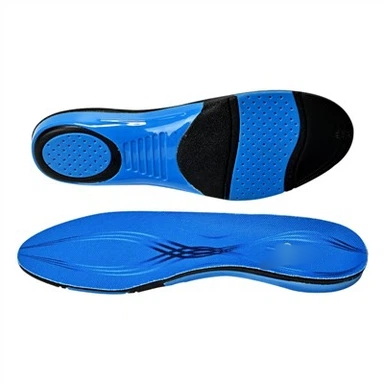
Many people only think about their shoes and ignore the condition of their Shoe Insoles. Yet the insole is the part that directly contacts your foot, absorbs shock, and supports your arch. Over time, even high-quality insoles compress and break down, causing:
- Less cushioning and more impact on your joints
- Reduced arch support and poor alignment
- Increased friction that can lead to blisters or calluses
- Odor buildup and poor hygiene inside the shoe
Replacing Shoe Insoles at the right time restores proper cushioning and support. It also allows you to customize each pair of shoes according to your feet and lifestyle, choosing extra cushioning, stronger support, or specialized materials as needed.
It is not always obvious when Shoe Insoles need to be replaced, especially if the outer sole of the shoe still looks fine. Here are key signs that indicate it is time to change them:
- Visible flattening, cracks, or torn areas on the insoles
- You feel like you are walking directly on the hard bottom of the shoe
- Persistent foot fatigue, heel pain, or arch discomfort
- Strong odors that remain even after cleaning the shoes
- Uneven support or feeling off-balance when walking
If you notice any of these issues, replacing your Shoe Insoles can provide immediate relief and help prevent more serious foot problems.
Choosing the right Shoe Insoles is just as important as replacing them. Different insoles serve different needs, and selecting the wrong type can limit the benefits. Here are the most common categories:
Comfort insoles focus on cushioning and softness. They are ideal for casual shoes and for people who stand or walk for moderate amounts of time. These Shoe Insoles usually use foam, memory foam, or a soft blend of materials to absorb impact and reduce pressure under the heel and forefoot.
Support insoles are designed to help with alignment and stability. They tend to be firmer than simple comfort insoles and are suitable for people with flat feet, high arches, or frequent joint discomfort. These Shoe Insoles help guide your foot into a more neutral position during walking, which can reduce strain on your ankles, knees, and lower back.
Orthotic insoles are either custom-made or high-performance prefabricated inserts used to address specific foot conditions. They can provide targeted support for plantar fasciitis, overpronation, supination, and other biomechanical issues. These Shoe Insoles are often recommended by podiatrists for ongoing foot pain and alignment problems.
Gel Shoe Insoles use soft gel pads strategically placed under high-impact zones such as the heel and ball of the foot. They offer excellent shock absorption, making them a strong choice for running, court sports, and activities involving frequent jumping or hard landings. Gel insoles are also popular in work shoes for people who stand on hard surfaces all day.
Memory foam Shoe Insoles mold to the shape of your foot, creating a personalized footprint. This contouring effect helps distribute pressure more evenly and reduces localized pain under specific points such as the heel or metatarsals. They are well suited for casual wear, travel, and long days on your feet where comfort is the top priority.
Some Shoe Insoles use activated carbon, antimicrobial treatments, or moisture-wicking fabrics to maintain a fresher environment inside your shoes. These are particularly useful for athletic shoes, work boots, or any footwear worn in warm conditions where sweating is common.
When selecting Shoe Insoles, always consider your shoe size, foot shape, main activities, and whether you need more cushioning, more structure, or a balance of both.
Changing Shoe Insoles is a simple process that anyone can do at home. Follow this practical step-by-step guide to ensure you get a perfect fit and maximum comfort.
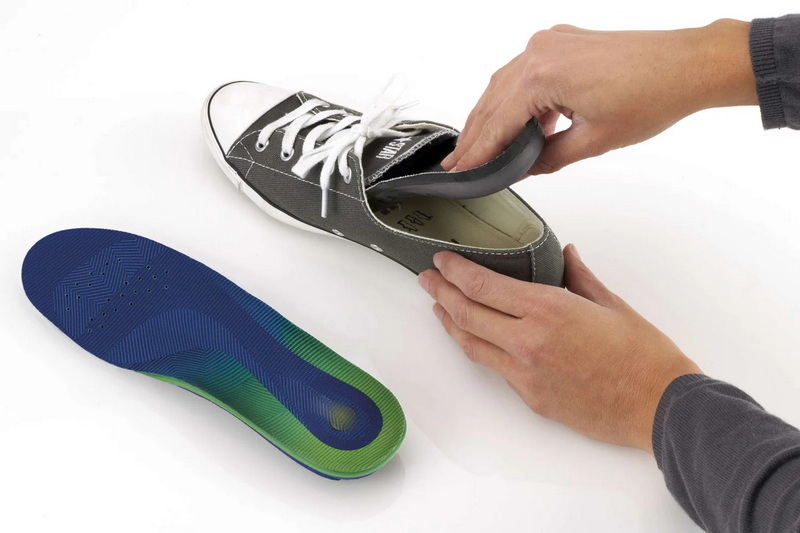
Start by taking out the existing insoles from your shoes. Grip the insole at the heel and gently pull it upward, working your way toward the toe. In many shoes, the insoles are not glued down and will come out easily. If they are lightly attached, take your time and peel them away to avoid tearing the fabric lining.
With the old Shoe Insoles removed, use a dry or slightly damp cloth to wipe the interior of the shoe. Remove dust, sand, or any small stones that may have collected. If there is odor, you can use a mild shoe deodorizer or spray and let the shoes air out completely before installing the new insoles. A clean interior helps new insoles sit flat and last longer.
Place your new Shoe Insoles on a flat surface and then lay the old insoles on top of them. This allows you to compare shapes and lengths. If the new insoles are larger, use the outline of the old pair as a cutting guide. Trim only the front toe area, little by little, using sharp scissors. It is safer to cut less at first and check the fit than to trim too much at once.
Slide the new Shoe Insoles into the shoe, inserting the toe end first. Push them all the way to the front, then press down around the heel area to seat them properly. Make sure there are no folds or raised edges. Run your hand along the whole insole to confirm that it lies completely flat against the shoe bottom.
Put the shoes on and walk around on a firm surface for a few minutes. Pay attention to how your feet feel, especially under the heel and arch. You should feel stable, supported, and comfortable, without any tightness or rubbing. If the insole pushes your foot up too much and makes the shoe feel cramped, you may need a thinner style of Shoe Insoles or a different size.
If you notice pressure near the toes or sides, remove the insole and trim a tiny amount from the front or sides where it feels tight. Reinsert and test again. Small, careful adjustments help ensure that the Shoe Insoles fit each shoe perfectly.

Once you have installed new Shoe Insoles, proper care will help you enjoy their benefits for a longer period.
- Rotate between at least two pairs of shoes so each pair of insoles gets time to air out.
- Remove the insoles occasionally after use and let them dry overnight in a cool, ventilated area.
- Hand-wash removable Shoe Insoles with mild soap and lukewarm water when they begin to smell or look dirty, then air-dry them completely.
- Avoid using high heat from dryers or radiators, as it can warp or damage the insole materials.
- Monitor cushioning and support regularly so that you can replace them before they are completely worn out.
By maintaining your Shoe Insoles properly, you protect your feet from unnecessary strain and keep your shoes fresher for everyday use.
Not all shoes are built the same, so changing Shoe Insoles can involve slightly different considerations depending on the style.
Athletic shoes usually have removable factory insoles, making them easy to upgrade. For running, training, or sports, choose Shoe Insoles that combine cushioning with good arch support and shock absorption. Runners often benefit from gel or performance foam insoles that reduce impact on joints, especially during longer distances.
If you spend long hours standing on concrete or other hard surfaces, pay attention to durability, support, and moisture control. Work-oriented Shoe Insoles often include extra cushioning under the heel, reinforced arch structures, and breathable top layers. These features help reduce fatigue and keep your feet more comfortable during demanding shifts.
Dress shoes are typically slimmer and more structured, so bulkier insoles may not fit well. For this category, look for thin, low-profile Shoe Insoles that add comfort without taking too much space. Leather or slim foam inserts can provide a subtle but meaningful improvement in cushioning and support without changing how the shoe looks or fits around the upper.
Hiking boots and outdoor shoes need Rugged Shoe Insoles that can handle moisture, mud, and long walking distances. Moisture-wicking fabric, antimicrobial treatments, and firm arch support are valuable features. These insoles help prevent blisters, hot spots, and excessive sweating during full days on the trail.
For lightweight sneakers or slip-on shoes, flexible and soft Shoe Insoles usually work best. Too much stiffness may make these shoes feel uncomfortable. Focus on comfort, ease of insertion, and good breathability so you can wear them comfortably for errands, travel, or relaxed outings.
Changing Shoe Insoles is not just a matter of comfort; it is directly connected to your long-term foot health and overall physical well-being. Regular replacement provides several benefits:
- Better shock absorption, reducing stress on your ankles, knees, and hips
- Improved arch support, which can help with posture and alignment
- Reduced risk of conditions like plantar fasciitis and general foot fatigue
- Less friction and fewer blisters, thanks to smoother, fresher surfaces
- A cleaner, more hygienic environment inside your shoes
When your Shoe Insoles are in good condition, every step feels more stable and supported. This can make a noticeable difference if you walk or stand for long periods at work or during daily routines.
Even though changing Shoe Insoles is simple, some frequent mistakes can limit the benefits:
- Leaving the old insole inside and stacking a new insole on top, which can make the shoe too tight and unstable
- Cutting too much off the new insole, causing gaps and movement inside the shoe
- Choosing ultra-soft cushioning with no support when you really need firmer arch control
- Ignoring your specific foot shape and buying generic insoles that do not match your needs
- Waiting until your feet hurt badly before replacing worn-out Shoe Insoles
By avoiding these mistakes, you ensure that each replacement actually improves the way your shoes feel and perform.
The ideal replacement interval depends on how often you use the shoes, your body weight, the type of activities you do, and the material of the Shoe Insoles. In general, many people benefit from replacing insoles every six to twelve months for everyday casual use. Very active individuals, such as runners or workers who are constantly on their feet, may need to replace their Shoe Insoles every three to six months.
Rather than only following the calendar, pay attention to how the insoles look and feel. If cushioning feels flat, if you see visible cracks or compressed areas, or if you notice more foot discomfort than usual, it is a strong signal that you should change your Shoe Insoles soon.
As awareness of environmental impact grows, more people are paying attention to what happens to worn-out Shoe Insoles. Traditional foam or gel insoles can be difficult to recycle through standard household systems. However, some brands now offer eco-friendly options made from materials like natural cork, recycled foam, or biodegradable compounds.
When choosing new Shoe Insoles, you can look for products that highlight sustainable materials, reduced chemical use, or recyclable packaging. While it may not be possible to recycle every pair of insoles, choosing more durable, high-quality designs and replacing them at appropriate intervals can also lower waste over time.
Knowing how to change insoles in shoes gives you direct control over the comfort, support, and hygiene of your footwear. By recognizing when your Shoe Insoles are worn, selecting the right type for your feet and activities, and following a clear replacement process, you can transform the way your shoes feel. Regularly updated insoles help you stay comfortable longer, protect your joints from excessive impact, and keep your shoes fresher and more enjoyable to wear. With the proper Shoe Insoles in place, every step becomes more stable, cushioned, and supportive.
Contact us to get more information!
Most people should replace their Shoe Insoles every six to twelve months for everyday wear, but very active users may need new insoles every three to six months. The best approach is to watch for signs like flattening, reduced cushioning, or new foot discomfort and replace them when these issues appear.
Yes, you can move Shoe Insoles between different shoes as long as the size, shape, and depth are similar. However, using one pair of insoles in too many shoes can wear them out faster, and having dedicated insoles for your main footwear often provides better long-term comfort and hygiene.
In many cases, high-quality replacement Shoe Insoles provide better cushioning, arch support, and moisture control than the thin factory insoles that come with most shoes. Upgrading your insoles can significantly improve comfort, reduce fatigue, and support healthier foot alignment during daily activities.
Most removable Shoe Insoles can be gently hand-washed using mild soap and lukewarm water. After cleaning, rinse thoroughly and let them air dry completely in a cool, ventilated area. Avoid strong chemicals, washing machines, and high heat, as these can damage the materials and shorten the life of the insoles.
If you have ongoing foot pain, orthotic or supportive Shoe Insoles are usually more helpful than basic cushioning alone. Look for insoles that offer structured arch support, heel stabilization, and pressure relief. When pain is persistent or severe, it is wise to consult a foot specialist, who may recommend custom orthotic Shoe Insoles tailored to your specific condition.
https://alineinsoles.com/blogs/news/a-step-by-step-guide-to-replacing-your-shoe-insoles [alineinsoles](https://alineinsoles.com/blogs/news/a-step-by-step-guide-to-replacing-your-shoe-insoles)
https://theinsolestore.com/pages/insole-guide [theinsolestore](https://theinsolestore.com/pages/insole-guide)
https://www.rei.com/learn/expert-advice/insoles.html [rei](https://www.rei.com/learn/expert-advice/insoles.html)
https://insoles.com/pages/how-often-to-change-your-insoles [youtube](https://www.youtube.com/watch?v=M9vaZ6foTPo)
https://www.drcomfort.com/blog/how-long-do-shoe-inserts-last/ [insoles](https://insoles.com/pages/how-often-to-change-your-insoles)
https://www.coastalboot.com/blogs/news/114173507-how-to-guide-replacing-insoles [drcomfort](https://www.drcomfort.com/blog/how-long-do-shoe-inserts-last/)
https://thinlineglobal.com/blog/how-to-put-insoles-in-shoes [aetrex](https://www.aetrex.com/blogs/aetrex-blog/memory-foam-arch-support-insoles)


