
Language


Content Menu
● Why Shoe Insoles Are Important
>> Corrected Posture and Improved Balance
>> Reduced Fatigue and Pain Relief
>> Prevention of Foot Problems
● Different Types of Shoe Insoles
>> Work Insoles
● Key Factors To Consider Before Buying Shoe Insoles
● How To Choose the Perfect Shoe Insoles Step by Step
>> Step 1: Identify Your Needs
>> Step 2: Measure Your Foot Size
>> Step 4: Select Proper Material
>> Step 5: Fit and Comfort Test
>> Step 6: Choose a Reliable Supplier
● Benefits of Purchasing OEM Shoe Insoles
>> Rapid Production and Supply Capacity
>> Branding and Packaging Options
● When To Replace Your Shoe Insoles
● How To Care For Your Insoles
● Where To Buy Quality Shoe Insoles
>> Retail and Specialty Stores
>> OEM Factories and Wholesale Channels
● Common Mistakes When Buying Insoles
● FAQ
>> 1. What type of shoe insoles are best for long work hours?
>> 2. How can I tell if my insoles need replacing?
>> 3. Can I move one pair of shoe insoles between different shoes?
>> 4. Are OEM shoe insoles suitable for retail brands?
>> 5. What materials provide the best shock absorption?
Choosing the right shoe insoles can transform how your feet feel every day. Whether you are an athlete, a worker who stands all day, or a brand sourcing OEM products, understanding how to select the perfect insole is essential. Proper insoles not only add comfort but also improve foot alignment, cushion impact, and extend shoe life.
This guide walks you through what shoe insoles are, their types, how to choose them, and why OEM manufacturing matters. It also includes practical advice for care, replacement, and purchasing strategies for both personal and business use.

Shoe insoles, also called inner soles or footbeds, are removable inserts placed inside shoes to improve cushioning, support, and overall comfort. They act as a barrier between your feet and the sole of the shoe, absorbing shock, assisting with posture, and enhancing fit.
Most insoles are made of durable materials such as EVA foam, gel, silicone, memory foam, or polyurethane. Some premium types combine several materials to achieve specific performance goals — for example, gel layers for shock absorption and EVA foam for stability.
They're often used to address foot issues such as flat arches, heel pain, or plantar fasciitis, but they also serve non-medical purposes such as boosting comfort for long days on your feet.
Many people underestimate the role shoe insoles play in long-term foot and body comfort. The right insole can reduce pain, prevent injury, and even enhance physical performance.
A high-quality insole cushions every step, minimizing the pressure that builds up when walking or standing for extended periods. Foam or gel layers distribute weight evenly, allowing for all-day comfort.
Misaligned feet can cause knock-on effects for knees and hips. Insoles improve alignment, allowing your body to maintain a natural, balanced stance.
By supporting key pressure points, such as the heel and ball of the foot, insoles reduce muscle fatigue and relieve pain caused by repetitive stress.
Conditions like plantar fasciitis, metatarsalgia, and shin splints can arise from inadequate arch or heel support. The proper insole can relieve discomfort and help prevent chronic injury.
Insoles are not one-size-fits-all. The best option depends on your lifestyle, shoe type, and foot structure. Below are the most common types.
These are made primarily for shock absorption and cushioning. They're ideal for casual use or standing on hard floors for long durations.
Support insoles focus on structure rather than softness. They provide firm arch and heel support to correct biomechanical imbalances.
Custom-made or over-the-counter orthotics help those with specific foot conditions, such as overpronation or high arches. They can be medically prescribed or found in specialized stores.
Engineered for athletes and runners, these insoles prioritize energy return, stability, and performance. They absorb motion shocks during running, jumping, or intense activity.
Perfect for occupational shoes or safety boots, these insoles maximize comfort and protection for workers who stand or move constantly during their shifts.
Newer designs include temperature-regulating technology, keeping feet warm in winter or cool in hot conditions. These are increasingly popular in outdoor occupations.
Choosing the right pair involves understanding your foot structure, activity level, and the intended shoe.
There are three main arch types:
- Flat arch: Requires firm support to stabilize the foot.
- Normal arch: Best supported by moderate cushioning and flexibility.
- High arch: Needs enhanced cushioning and extra shock absorption.
Understanding your arch ensures an insole that complements your natural movement.
An office worker will need different insoles than a marathon runner. Daily users can focus on comfort, while athletes should choose more dynamic and stable insoles for shock absorption.
Thin dress shoes and heavy-duty work boots need different insole designs. Always consider thickness and width so your insoles fit without making the shoe too tight.
- EVA foam: Lightweight yet comfortable.
- Gel: Excellent at dissipating impact.
- Leather: Breathable and ideal for formal shoes.
- Memory foam: Conforms to foot shape for custom comfort.
Durability is also a factor – replace cheaper insoles more often, or invest in a lasting pair from a trusted manufacturer.
Quality insoles wick away moisture and prevent odor by using antibacterial and breathable materials. This is especially crucial in warm conditions.
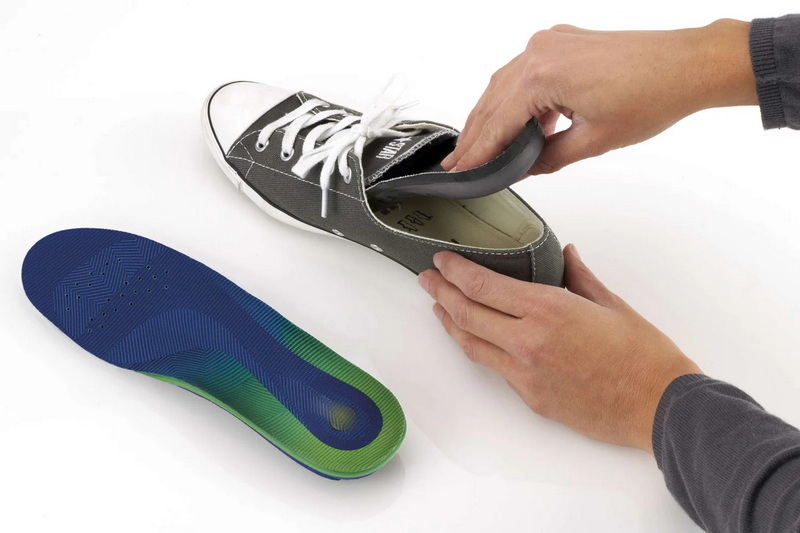
Ask yourself: Are you buying for comfort or medical reasons? Do you intend to wear them for walking, sports, or work? Your purpose determines the type of insole required.
Insoles are often sold in size ranges. Measure your foot length and width accurately, and trim-to-fit if needed.
Perform a simple `wet footprint test`: step on a paper after wetting your foot. The shape of the imprint indicates whether you have flat, medium, or high arches.
Choose foam for everyday use, gel or PU for sports, or leather for formal wear. For medical use, orthotic-level polyurethane is recommended.
Insert insoles into your shoes and walk indoors. You should feel balanced without heel lift or discomfort. Ensure they don't crowd the shoe's interior.
If buying for resale or brand production, partner with a verified OEM shoe insole manufacturer that uses advanced machinery, non-toxic materials, and quality assurance testing.
Working directly with OEM suppliers — particularly from leading Chinese factories — offers strong advantages for international buyers, distributors, and private brands.
OEM factories can develop insoles to meet brand-specific needs — from shape, density, and thickness to custom branding logos and color packaging.
Bulk orders significantly lower manufacturing costs, giving you flexibility to offer affordable pricing while maintaining quality.
Established OEM manufacturers use standardized production, quality inspection, and environmentally safe materials. This ensures consistent comfort and durability among batches.
Manufacturers that support global export markets often provide fast turnaround times, meeting seasonal demands and custom specifications efficiently.
From private label designs to printed logos, OEM partners allow you to build a distinct product identity suitable for retail distribution.
Even the most durable shoe insoles have a lifespan. Regular replacement is necessary to maintain support and hygiene.
You should change your insoles when you notice:
- Flattened or compressed cushioning.
- Persistent odor even after cleaning.
- Cracked or worn-out material.
- Foot pain reappearing during normal use.
In general, replace insoles every 6 to 12 months for optimal comfort.
Proper care extends longevity and comfort.
- Remove insoles daily to air dry.
- Hand wash gently with mild detergent.
- Do not expose them to direct sunlight or heat.
- Use deodorizing sprays to prevent bacterial buildup.
Keeping insoles clean ensures freshness and prevents unpleasant odor or material degradation.
Physical stores offer the benefit of in-person fitting. You can test various insoles to see how they feel when standing or walking.
Major e-commerce platforms provide countless options and brands. Always review size information and return policies before purchasing.
For bulk buyers, OEM manufacturers — especially those in China — can produce customized insoles for global brands and distributors. This approach ensures quality control, international compliance, and brand flexibility.
Many people buy the wrong shoe insoles because they overlook important details. Avoid the following errors:
- Ignoring your arch type or foot size.
- Picking the cheapest pair without considering durability.
- Using insoles that don't fit the shoe properly.
- Expecting one pair to suit every shoe type.
- Failing to replace worn-out or dirty insoles.
By knowing what your feet truly need, you can avoid pain and poor posture caused by incorrect choices.
The shoe insole industry continues to advance through technological innovation. Smart insoles can now track movement, foot pressure, and temperature. Eco-friendly options made from recycled materials are also gaining traction as sustainability becomes a market priority.
Brands working with reputable OEM insole manufacturers are shifting to personalized and data-driven production processes, ensuring both comfort and environmental responsibility.
As global demand rises, customization, comfort, and biomechanics will shape the future of footwear interiors.
Choosing the right shoe insoles is not a one-time purchase — it's an investment in comfort, health, and performance. Whether you're buying for yourself or sourcing from an OEM manufacturer, understanding foot type, material quality, and product design helps ensure you make the right decision.
Well-fitted insoles reduce fatigue, improve alignment, and upgrade every pair of shoes you own. For businesses, partnering with trusted manufacturers means delivering quality, comfort, and design precision to end users worldwide. With thoughtful selection and regular maintenance, the perfect insole can support you step-by-step every day.
Contact us to get more information!
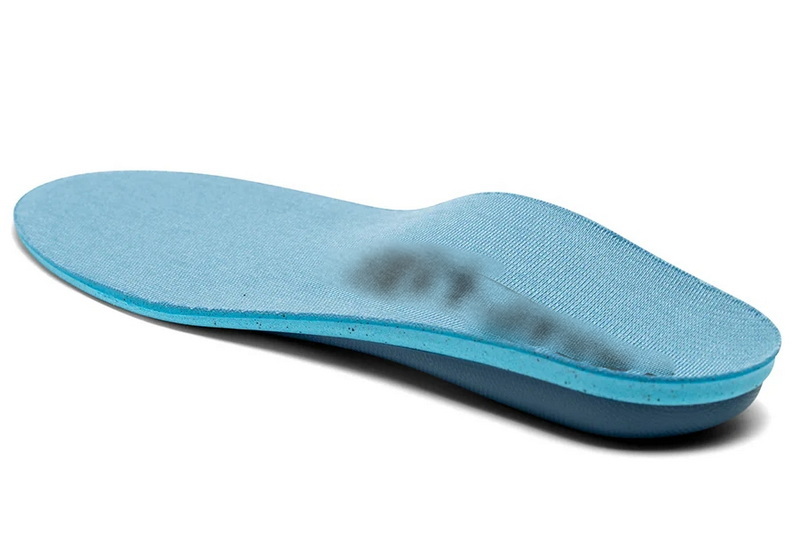
Work insoles made from EVA or gel materials with reinforced arch and heel support are ideal for jobs requiring hours of standing or walking.
If cushioning feels flat, or you experience recurrent pain or odor, it's time to replace them — typically every 6 to 12 months depending on usage.
You can, but one consistent pair per shoe type ensures a better fit and maximum comfort. Size or shoe shape differences can cause slipping or imbalance.
Yes. OEM-manufactured insoles allow retailers and brands to customize design, materials, and branding while maintaining factory-level quality control and competitive pricing.
Gel and polyurethane are top choices for shock absorption, making them great for athletes, runners, and anyone needing extra heel and forefoot protection.
1. [https://www.verywellfit.com/](https://www.verywellfit.com/)
2. [https://www.runnersworld.com/](https://www.runnersworld.com/)
3. [https://www.healthline.com/](https://www.healthline.com/)
4. [https://www.webmd.com/](https://www.webmd.com/)
5. [https://www.medicalnewstoday.com/](https://www.medicalnewstoday.com/)


