
Views: 222 Author: Amanda Publish Time: 2025-09-02 Origin: Site


Content Menu
● Understanding Orthotic Inserts
● How Medicare Covers Orthotic Inserts
>> Medical Necessity Requirement
>> Types of Orthotic Inserts Covered
>> Annual Limits and Additional Pairs
● Obtaining Orthotic Inserts Under Medicare
● Limitations and What Medicare Does Not Cover
● Medicare Parts and Orthotic Insert Coverage
>> Medicare Part C (Medicare Advantage)
>> Medigap (Medicare Supplement Insurance)
● Benefits of Orthotic Inserts for Medicare Beneficiaries
● FAQ
>> 1. Does Medicare cover custom orthotic inserts?
>> 2. Are over-the-counter insoles covered by Medicare?
>> 3. How much do I have to pay for orthotic inserts under Medicare?
>> 4. Can I get extra pairs of orthotic inserts through Medicare?
>> 5. Do Medicare Advantage plans cover orthotic inserts?
Orthotic inserts are specialized devices designed to support, align, or improve the function of the feet. These devices are essential in helping individuals manage foot pain, correct deformities, and improve overall mobility. Many people, especially seniors and those with chronic conditions like diabetes, rely on orthotic inserts as part of their healthcare routine. Given the importance of these devices, a common question arises: Does Medicare cover orthotic inserts? This article explores the scope of Medicare coverage for orthotic inserts, detailing eligibility criteria, types of orthotics covered, costs involved, and how beneficiaries can access these benefits effectively.

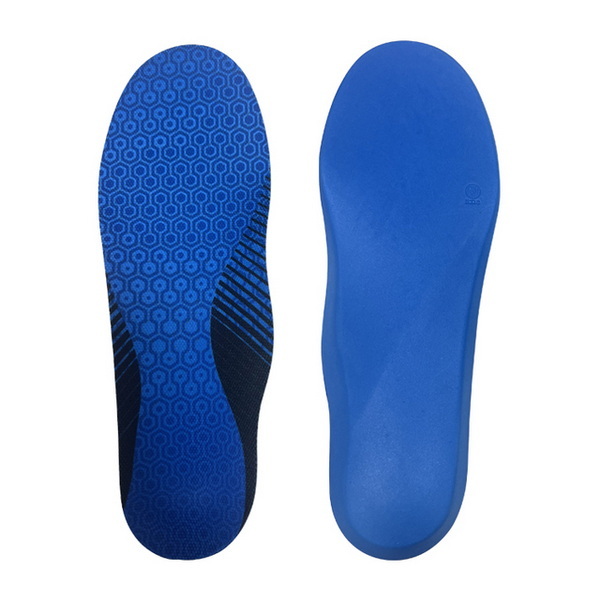
Orthotic inserts, also called orthoses, are removable or fixed devices placed inside footwear to provide proper support or alignment to the feet. They can be custom-made based on an individual's specific foot shape and condition or purchased as standard inserts. Orthotic inserts serve multiple purposes, such as:
- Alleviating foot pain caused by conditions like plantar fasciitis or heel spurs
- Providing relief from arthritis-related discomfort
- Correcting deformities such as flat feet or high arches
- Supporting foot and ankle injuries during recovery
- Preventing further damage due to diabetic neuropathy and other complications
Proper use of orthotic inserts can dramatically improve a person's quality of life by increasing comfort and enabling better mobility.
Medicare's coverage of orthotic inserts falls mainly under Part B (Medical Insurance). Medicare Part B covers orthotic devices when they are medically necessary and prescribed by a qualified healthcare professional. This means the orthotic insert must be prescribed as part of treatment for an underlying medical condition, rather than for comfort or convenience.
A crucial condition for Medicare coverage is the “medical necessity” of the orthotic insert. The prescribing doctor must certify that the orthotic insert is essential to treat or manage a diagnosed condition. Examples of qualifying diagnoses include:
- Diabetes-related foot disease with risk of ulcers or infection
- Severe foot deformities affecting mobility or causing pain
- Arthritis impacting foot joints significantly
- Post-operative care after foot or ankle surgery
- Neurological conditions causing foot weakness or imbalance
Without this certification, Medicare will generally not cover the cost of orthotic inserts.
Medicare covers several types of orthotic devices, including:
- Custom-molded orthotic inserts: These are made from a mold or 3D scan of the patient's feet. Medicare covers one pair per year when prescribed.
- Extra-depth shoes: For patients with diabetes-related foot issues, Medicare may cover extra-depth shoes intended to accommodate orthotic inserts.
- Therapeutic shoes and inserts: Medicare Part B provides coverage for therapeutic shoes and inserts for patients diagnosed with diabetes who have severe peripheral neuropathy or foot deformities.
- Ankle-Foot Orthoses (AFOs) and Knee-Ankle-Foot Orthoses (KAFOs): These braces are also covered under Medicare Part B when medically necessary to support weak or deformed limbs.
Medicare generally limits coverage to:
- One pair of custom-molded shoes per year for eligible patients
- One pair of custom orthotic inserts per year
- Two additional pairs of inserts per year for custom-molded shoes
- Three pairs of inserts per year for extra-depth shoes
Such limits are designed to balance beneficiary needs with cost management for the program.
Medicare beneficiaries seeking orthotic inserts should follow these steps to ensure coverage:
1. Visit a Medicare-enrolled doctor: A doctor must diagnose the condition and determine the need for orthotic inserts.
2. Get a prescription: The doctor or podiatrist must write a prescription specifying medical necessity.
3. Choose a Medicare-approved supplier: Orthotic inserts must be purchased from suppliers who accept Medicare assignments.
4. Submit claims and documentation: Keep copies of prescriptions and receipts for Medicare claims processing.
It's important to note that Medicare generally does not cover orthotic inserts purchased without a prescription or from non-approved vendors.
Under Original Medicare Part B, beneficiaries usually pay 20% of the Medicare-approved amount for orthotic inserts, after meeting the Part B deductible. Medicare pays the remaining 80%. Costs may vary depending on the supplier and the type of orthotic device. Some beneficiaries opt for Medicare Advantage (Part C) plans, which might offer additional benefits or cover some out-of-pocket expenses associated with orthotic care.
Supplemental or Medigap plans can also help cover deductibles and coinsurance costs related to orthotic inserts, reducing the financial burden.
Medicare excludes coverage for:
- Over-the-counter (OTC) orthotic inserts and shoe inserts bought without a prescription
- Orthotic devices intended only for comfort or routine foot care
- Non-customized or ill-fitting devices not meeting medical standards for prescribed use
- Devices purchased from suppliers not authorized by Medicare
Patients should understand these limitations to avoid unexpected expenses.
Part A (Hospital Insurance) covers orthotic devices but only when furnished during an inpatient hospital stay or in a skilled nursing facility. Outpatient orthotic care is typically not covered under Part A.
Covers orthotic inserts, ankle-foot braces, therapeutic shoes and inserts for patients with diabetic foot conditions, and necessary fittings or adjustments to these devices.
These plans must at least provide the same coverage as Original Medicare Parts A and B. Many Medicare Advantage plans offer enhanced benefits for orthotic devices, sometimes including additional coverage for devices or fewer copayments.
Medigap plans help pay for costs not covered by Medicare Parts A and B, such as deductibles, coinsurance, and copayments related to orthotic inserts.
Orthotic inserts provide significant benefits for Medicare beneficiaries, especially those managing chronic conditions or recovering from injury. Some key advantages include:
- Pain relief: Orthotic inserts help redistribute pressure across the foot, reducing pain caused by conditions like plantar fasciitis, arthritis, or diabetic neuropathy.
- Improved mobility: By correcting alignment and providing support, orthotics enable better walking biomechanics.
- Prevention of complications: For diabetic patients in particular, custom orthotics can help prevent foot ulcers and infections that may lead to more severe outcomes.
- Enhanced quality of life: Reduced pain and improved mobility translate to greater independence and daily functioning.
Proper fitting and regular monitoring by a healthcare provider ensure orthotic inserts remain effective and comfortable.
Medicare does cover orthotic inserts, but coverage depends on strict criteria emphasizing medical necessity. Beneficiaries with qualifying medical conditions such as diabetes-related foot disease, severe arthritis, or foot deformities can obtain coverage for custom orthotic inserts, therapeutic shoes, and braces through Medicare Part B. To access benefits, patients must follow the proper channels, including obtaining a prescription from a Medicare-enrolled doctor and purchasing from Medicare-approved suppliers.
Understanding the scope and limitations of Medicare coverage helps beneficiaries navigate their options, manage costs, and maintain foot health effectively. Orthotic inserts play a crucial role in enhancing mobility and quality of life for millions of Medicare beneficiaries.

Yes, Medicare Part B covers one pair of custom-molded orthotic inserts per year when prescribed for medical conditions such as diabetes-related foot disease or severe arthritis.
No, Medicare does not cover orthotic inserts or shoe inserts purchased over the counter without a prescription and medical necessity certification.
Typically, Medicare beneficiaries pay 20% of the Medicare-approved cost for orthotic inserts after meeting the Part B deductible.
Yes, Medicare covers additional pairs of inserts annually—usually two pairs for custom-molded shoes and three pairs for extra-depth shoes.
Medicare Advantage (Part C) plans must cover at least the same benefits as Original Medicare Part B and often offer additional coverage for orthotics.
[1](https://www.healthline.com/health/medicare/does-medicare-cover-orthotics)
[2](https://footnanklecenters.com/does-medicare-cover-custom-orthotics/)
[3](https://www.medicalnewstoday.com/articles/does-medicare-cover-orthotics)
[4](https://askchapter.org/magazine/senior-health-wellness/medicare-resources/does-medicare-cover-orthotics)
[5](https://www.mutualofomaha.com/advice/medicare/medicare-coverage/does-medicare-cover-podiatry-and-orthotics)
[6](https://www.gohealth.com/medicare/coverages-benefits/medical-equipment-and-supplies/orthotics/)
[7](https://www.medicare.gov/coverage/therapeutic-shoes-inserts)
[8](https://www.medicare.org/articles/does-medicare-cover-orthotics/)
[9](https://www.ehealthinsurance.com/medicare/coverage/learn-if-medicare-cover-orthotics-medicare-coverage/)
[10](https://www.prolaborthotics.com/orthoses/does-medicare-cover-foot-orthotics/)


