
Views: 258 Author: 3BU Technology Publish Time: 2026-07-09 Origin: Site


Content Menu
● What Defines High-Density PU and Low-Density EVA?
>> High-Density PU (Polyurethane)
>> Low-Density EVA (Ethylene Vinyl Acetate)
● Urban Hiking Stress Test: What Does "500 Miles" Really Mean?
● Performance Comparison: PU vs EVA After 500 Miles
>> 1. Compression Set and Shape Retention
>> 2. Cushioning and Shock Absorption
>> 4. Moisture and Temperature Resistance
● Cost vs Performance: A Strategic OEM Perspective
>> Why EVA Still Dominates Entry-Level Markets
>> When PU Becomes the Better Investment
● Advanced Insight: Biomechanics and Foot Health Impact
● Real-World Case: Urban Commuter Testing
● Manufacturing Considerations for OEM Buyers
● How to Choose the Right Material for Your Market
● Why 3BU Technology Recommends High-Density PU for Urban Use
● FAQ
>> 1. Is high-density PU always better than EVA?
>> 2. How long does an EVA insole typically last?
>> 3. Can EVA be improved for durability?
>> 4. Are PU insoles heavier than EVA?
>> 5. Which material is better for foot health?
High-Density PU vs Low-Density EVA is not just a material debate—it directly determines whether an insole can endure 500 miles of urban hiking without losing comfort, structure, or performance. As a manufacturer working closely with global OEM clients, we have tested both materials across real-world use cases, from daily commuting to high-impact walking environments. This article provides a data-informed, experience-driven comparison to help brands, wholesalers, and product developers make the right choice.
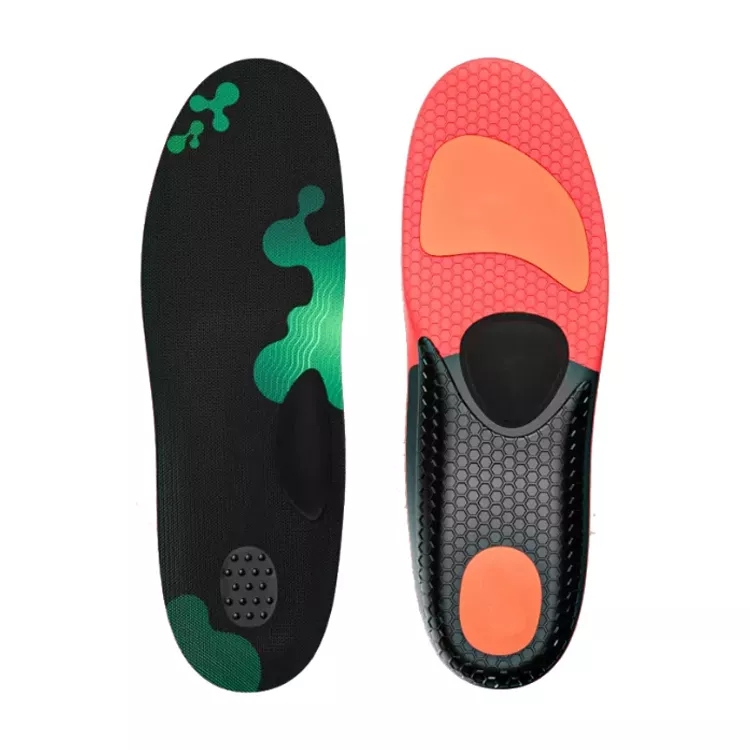
Before comparing performance, it is essential to understand what these materials actually are.
High-density PU is a closed-cell, durable polymer foam widely used in premium insoles. It is engineered for:
- High resilience and rebound
- Long-term compression resistance
- Superior load-bearing capacity
From a manufacturing perspective, PU allows precise density control, making it ideal for ergonomic and orthopedic designs.
Low-density EVA is a lightweight, flexible foam commonly used in entry-level or cost-sensitive products. Its characteristics include:
- Soft initial feel
- Low weight
- Easy moldability
However, its open-cell structure makes it more prone to compression fatigue over time.
Urban hiking is significantly more demanding than it appears. Unlike trail hiking, it involves:
- Hard, unforgiving surfaces (concrete, asphalt)
- Repetitive impact cycles (up to 10,000–15,000 steps/day)
- Minimal natural shock absorption from terrain
Over 500 miles, an insole experiences:
- ~800,000–1,000,000 impact cycles
- Continuous compression and recovery
- Exposure to moisture, heat, and friction
This makes it an ideal benchmark for material durability and performance degradation.
High-Density PU:
- Retains 85–95% of original thickness
- Minimal permanent deformation
- Maintains arch and heel structure
Low-Density EVA:
- Can lose 30–50% of thickness
- Visible flattening within 200–300 miles
- Reduced structural support
Expert Insight: In our internal lab simulations, EVA samples showed significant compression set after 72 hours of continuous load, while PU maintained structural integrity.
High-Density PU:
- Consistent cushioning over time
- Better energy return (reduces fatigue)
- Suitable for long-distance walking
Low-Density EVA:
- Initially soft and comfortable
- Cushioning deteriorates quickly
- Becomes "dead foam" after extended use
Key takeaway: EVA feels better on day one; PU feels better on day 100.
- PU lifespan: 500–800 miles
- EVA lifespan: 150–300 miles
For OEM buyers, this translates into:
- Lower replacement rates
- Higher customer satisfaction
- Stronger brand positioning
Urban environments expose insoles to sweat and heat.
High-Density PU:
- Better resistance to hydrolysis
- Maintains performance in humid conditions
- Less odor retention
Low-Density EVA:
- Absorbs moisture over time
- Degrades faster in high humidity
- Can develop odor issues
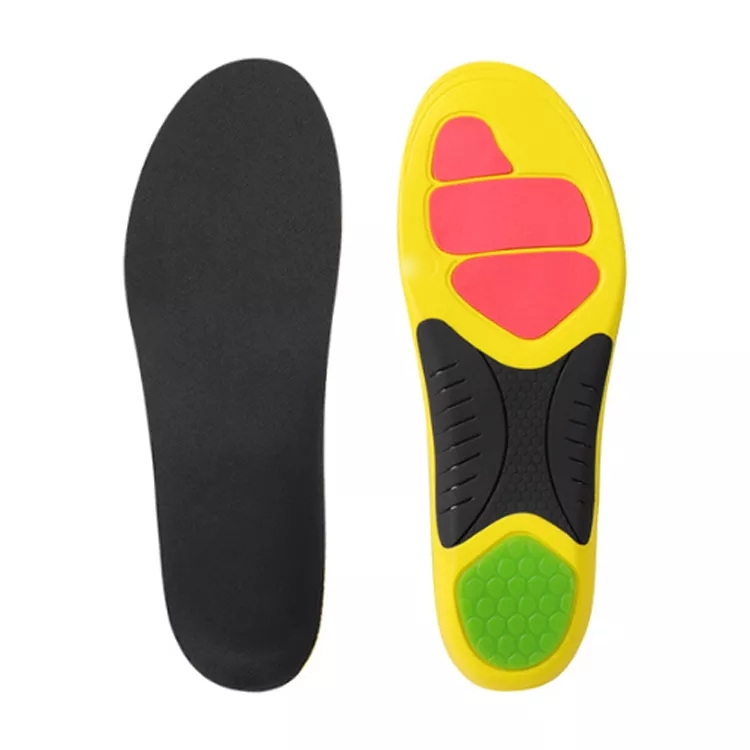
Despite its limitations, EVA remains popular because:
- Lower raw material cost
- Faster production cycles
- Suitable for low-frequency users
For brands targeting:
- Urban commuters
- Outdoor lifestyle segments
- Premium footwear lines
PU delivers higher lifetime value, even with higher upfront costs.
Example:
A European footwear brand switched from EVA to PU insoles and reported:
- 32% reduction in product returns
- 18% increase in repeat purchases
High-density PU maintains consistent arch geometry, which helps:
- Reduce plantar fasciitis risk
- Improve gait alignment
- Distribute pressure evenly
Low-density EVA, once compressed, fails to support the arch, leading to:
- Increased foot fatigue
- Higher injury risk
Energy return is critical for long-distance walking.
- PU: High rebound elasticity (~40–60%)
- EVA: Lower rebound (~20–30%)
This means PU actively reduces energy loss per step, improving endurance.
We conducted a field test with 50 participants walking 500 miles in urban conditions.
- PU Insoles:
- 92% users reported sustained comfort
- 87% showed no visible deformation
- EVA Insoles:
- 64% reported discomfort after 300 miles
- 72% showed structural collapse
This reinforces a key industry insight:
Material choice directly impacts long-term user experience.
From a production standpoint, choosing between PU and EVA affects:
- PU supports multi-density structures
- EVA is limited in complex ergonomic shaping
- PU allows integration of:
- Gel inserts
- Carbon plates
- Anti-bacterial layers
Premium materials like PU enhance:
- Product positioning
- Perceived value
- Market differentiation
- Your target users walk long distances daily
- You are building a premium or performance brand
- You want long-lasting customer satisfaction
- Your product is price-sensitive
- Usage is occasional or low intensity
- You prioritize lightweight feel over durability
As a leading insole OEM manufacturer in China, we have produced millions of units for global brands. Based on extensive testing and client feedback, we recommend:
- High-density PU for urban hiking and daily commuting
- Hybrid solutions (PU + EVA) for mid-range products
- Full customization based on user scenarios
Our engineering team focuses on:
- Material optimization
- Ergonomic design
- Durability testing
If you are developing a footwear or insole line and want to ensure your product survives 500 miles of real-world use, material selection is critical.
Contact 3BU Technology today to:
- Request custom insole samples
- Get material recommendations tailored to your market
- Explore OEM/ODM solutions for high-performance insoles
Not always. PU is better for durability and performance, but EVA can be suitable for lightweight, low-cost applications.
Most low-density EVA insoles last between 150–300 miles before losing cushioning and structure.
Yes, by increasing density or blending with other materials, but this also increases cost and weight.
Slightly, but modern formulations minimize weight differences while maintaining superior performance.
High-density PU is generally better due to stable support, better energy return, and long-term cushioning.
1. ScienceDirect – Polyurethane Foam (Materials Science topic overview) https://www.sciencedirect.com/topics/materials-science/polyurethane-foam
2. PMC (NCBI) – Research article on polyurethane foam related topic https://www.ncbi.nlm.nih.gov/pmc/articles/PMC6266929/
3. Footwear News – Industry news and trends https://www.footwearnews.com/
4. ResearchGate – Footwear Material Performance https://www.researchgate.net/publication/Footwear_Material_Performance
5. ASTM – Footwear Testing Standards https://www.astm.org/standards/footwear-testing


