
Views: 279 Author: 3BU Technology Publish Time: 2026-07-06 Origin: Site


Content Menu
● How We Evaluate High‑Quality Rebound Insole Suppliers
● Technical Essentials of Rebound Insoles
● Why China Is a Core Cluster for Rebound Insoles
● Selection Criteria for This Top 10 List
● Top 10 Rebound Insole Manufacturers in China (2026)
>> 1. 3BU Technology (Dongguan) – Flexible OEM Partner for Mid‑Sized Brands
>> 2. Foamwell Sports Technology Co., Ltd. (Dongguan) – Foam‑Innovation Specialist
>> 3. Henan Bangni / FootMaster – Gel‑Based Rebound Solutions
>> 4. Dongguan Jiuhui Industrial Limited – Multi‑Material Comfort & Rebound
>> 5. Wenzhou Future Shoe Material Co., Ltd. – Cost‑Efficient Rebound Innovation
>> 6. Ningbo Kangbeien Health Tech Co., Ltd. – Therapeutic Rebound & Health Applications
>> 7. Qingdao Huayang Biotechnology Co., Ltd. – Antimicrobial High‑Rebound Systems
>> 8. Dongguan Topinsole Commodity Limited – Agile Private‑Label Rebound OEM
>> 9. Jinjiang Taiyuan Shoes Material Co., Ltd. – Athletic Rebound Expertise
>> 10. Suzhou Sunmed Co., Ltd. – Medical‑Grade Rebound & Orthotic
● Manufacturer Comparison: Capacity, MOQs & Certifications
● Buyer's Guide: Verifying, Sampling and Logistics
>> Verifying Factory Credentials
>> Avoiding Material Downgrading
>> Tooling Terms and Ownership
>> Logistics and Lead Time Planning
● Insider "Avoid‑the‑Trap" Tip Rarely Shared Online
● Frequently Asked High‑Level Procurement Questions
China has become the core global hub for rebound and comfort insoles, combining mature footwear clusters, advanced foam technologies, and increasingly stringent compliance systems that appeal to professional procurement teams. For buyers seeking long‑term OEM partners, Guangdong (especially Dongguan) and other major shoe regions offer a dense ecosystem of specialist factories, material suppliers, and testing labs that significantly reduce sampling time and scale‑up risk. [foam-well]
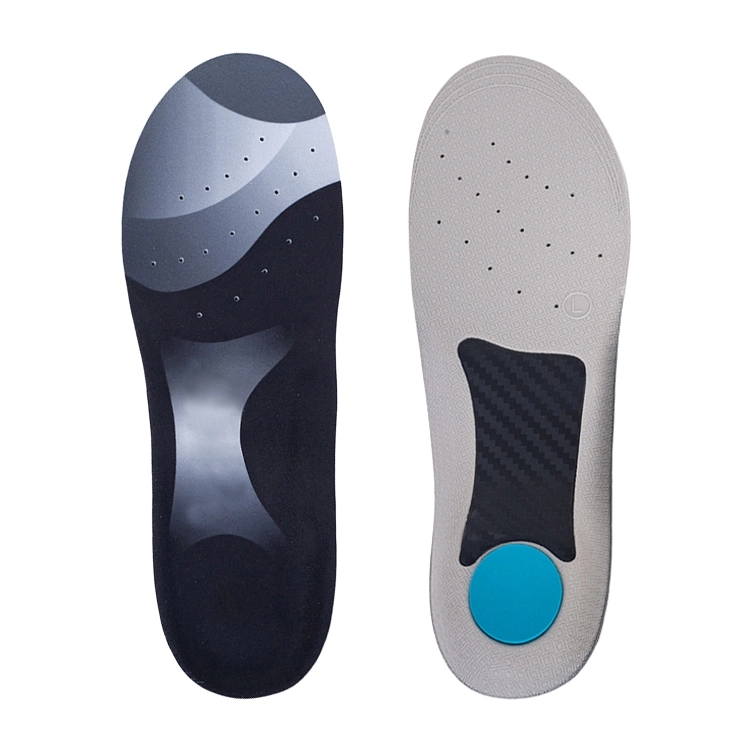
For rebound insoles—high‑elastic, energy‑return footbeds used in sports, work and comfort footwear—robust supplier evaluation is essential before committing to OEM programs. Experienced procurement teams typically assess factories across five dimensions: manufacturing credentials, R&D depth, QC systems, capacity/lead time, and commercial flexibility. [foam-well]
- Manufacturing credentials & compliance
- Current ISO 9001 (and for medical lines, ISO 13485) with scopes that clearly cover insole production, not generic "shoe materials." [chinamakershub]
- Product‑level compliance such as CE, RoHS and REACH for foam and adhesives, plus documented material safety data sheets (MSDS) from accredited labs. [chinamakershub]
- R&D and engineering capability
- In‑house mold design, CAD engineers, and technicians familiar with high‑rebound EVA, PU, TPE and hybrid foams for different rebound curves and shore hardness ranges. [foam-well]
- Ability to co‑develop proprietary designs (arch profiles, forefoot pods, heel cups) and iterate quickly from sketches or brand concept boards. [foam-well]
- Quality control & testing
- Incoming material inspection, in‑process checks, and pre‑shipment verification, including tests for compression set, rebound rate, density and dimensional tolerance. [foam-well]
- Internal labs or cooperation with third‑party testing institutions for fatigue testing and chemical compliance (e.g., phthalate limits for EU). [foam-well]
- Capacity, scalability & lead time stability
- Clear data on monthly output, typical MOQs, and on‑time delivery performance; mature factories serving global brands often maintain >95% on‑time rates. [foam-well]
- Fast sample mold cycles (around 7–10 days) and bulk lead times of 3–4 weeks for standard volumes once tooling is finalized. [insolemaker]
- Commercial flexibility & OEM friendliness
- Transparent mold cost (often 200–500 USD per set for EVA/PU) and reasonable refunds once cumulative volumes reach agreed thresholds. [foam-well]
- Support for small‑to‑medium MOQs and responsive communication for mid‑tier brands rather than focusing only on very large accounts. [insolemaker]
Rebound insoles are engineered to store and release energy during the gait cycle—especially at heel strike and toe‑off—while maintaining structural integrity over millions of steps. Their performance depends on material chemistry, foam structure, and lamination quality, all of which should be part of OEM discussions. [foam-well]
- Core material systems
- High‑rebound EVA and PU foams with controlled density gradients: low‑density for cushioning, higher density for stability zones. [foam-well]
- TPE/TPU inserts or pods in heel and forefoot to increase localized energy return and impact protection without excessive thickness. [foam-well]
- Key performance parameters
- Compression set and rebound rate: maintaining thickness and resilience under repeated loads is vital for heavy‑duty or athletic applications. [foam-well]
- Shore hardness tuning across zones (e.g., softer heel pad, firmer medial arch) to balance comfort and motion control. [foam-well]
- Compliance & sustainability
- CE and RoHS for chemical safety in EU markets; REACH compliance for restricted substances in foams, textiles and adhesives. [chinamakershub]
- Growing use of recycled and bio‑based foams—some leading Chinese factories now hold GRS or similar eco‑certifications for comfort insole lines. [foam-well]
China exports billions of dollars of footwear components annually, and its foot orthotic/comfort insole segment is projected to grow strongly into the 2030s. Within this landscape, several regional clusters stand out for rebound insoles and associated technologies. [foam-well]
- Guangdong / Dongguan – high‑end footwear capital
- Produces a large share of the world's high‑end footwear and hosts dense networks of insole factories, foam suppliers and tooling workshops—ideal for rapid sampling and multi‑material projects. [foam-well]
- Many rebound insole specialists and sports insole OEMs are concentrated here, leveraging local access to BASF‑grade PU, performance EVA and advanced press‑molding equipment. [foam-well]
- Jinjiang (Fujian) – sports shoe ecosystem
- Known as "China's shoe capital," Jinjiang's athletic brands drive demand for high‑energy‑return midsoles and insoles, pushing local suppliers to innovate in rebound systems and durability. [foam-well]
- Wenzhou, Ningbo, Suzhou – diversified component bases
- Wenzhou and Ningbo combine cost‑efficient production with emerging specialized foam technologies, while Suzhou hosts more medical and therapeutic insole manufacturers with stricter compliance infrastructures. [foam-well]
For overseas buyers, this clustering reduces risk: factories operate within mature ecosystems, making it easier to switch material suppliers, increase capacity, or add testing steps without rebuilding the entire supply chain. [foam-well]
The following top 10 rebound insole manufacturers in China are selected based on documented performance in comfort/rebound insoles, OEM/ODM capability, export readiness and transparent quality systems. Publicly available profiles, industry data, and observed collaborations with international brands inform this curated list. [insolemaker]
Key selection criteria:
- Demonstrated export experience to EU/US/Japan and other markets. [foam-well]
- In‑house R&D and mold‑making or close engineering support for custom rebound insoles. [foam-well]
- Clear quality frameworks (ISO 9001, ISO 13485 or equivalent) and product‑level compliance for target markets. [chinamakershub]
- Capability to support both mid‑tier brands and larger OEM programs rather than only mass commodity lines. [foam-well]
Founded in 2012 in Dongguan's Ji'An Industry Zone, 3BU Technology operates a 5,000 m² workshop with more than 100 skilled workers dedicated solely to insole R&D and production. The company has over 12 years of experience and long‑term cooperation with world‑class insole brands such as Sidas, Footlogstics and VKTRY, which validates its ability to meet demanding performance specifications. [insolemaker]
3BU is particularly suitable for small and mid‑sized brands seeking rebound insoles because it supports lower MOQs while maintaining structured QC and fast lead times—around 7 days for sample molds and approximately 3 weeks for most bulk productions. Their portfolio includes EVA, PU, foam, orthotic, heat and carbon‑fiber insoles, and the team offers free design conversion from sketches or images plus free standard samples, greatly easing entry barriers for new product lines. For OEM projects, 3BU's mold fee policy (typical EVA/PU molds around 250 USD with potential refund after volume targets) and responsive communication make it a high‑value option for buyers who need iterative design support rather than just mass production. [insolemaker]
Foamwell, founded in 2006 in Dongguan, is a major insole manufacturer focusing on orthotic, support and comfort insoles, backed by around 250 staff and advanced foam‑processing equipment. The company is known for proprietary foam technologies (such as POLYLITE and other high‑rebound formulations) and holds ISO, BSCI and eco‑related certifications, making it attractive to sustainability‑focused brands. [foam-well]
For rebound insoles, Foamwell's competence lies in multi‑density constructions and R&D‑driven foam chemistry that deliver shock absorption and responsive energy return, suitable for athletic and long‑wear applications. Buyers typically engage Foamwell for medium MOQs and branded technical platforms where foam performance is central to brand positioning. [foam-well]
Operating under the FootMaster umbrella, Henan Bangni is recognized for its advanced gel technologies and biomechanical support products that include high‑rebound, impact‑absorbing insoles. The factory invests significantly in gel formulation and precision molding, using automated injection systems to ensure uniform thickness and cushioning across large batches. [foam-well]
This manufacturer serves domestic Chinese and overseas OEM clients, with particular strength in sports and everyday comfort insoles where heel and forefoot gel zones provide targeted energy return. Buyers should consider FootMaster when projects require hybrid constructions (foam + gel pods) and stringent durability tests. [foam-well]
Jiuhui offers full‑length comfort and rebound insoles using EVA, PU, gel and composite structures, emphasizing shock absorption and resilience. Its location in Dongguan allows quick access to foam suppliers and tooling workshops, which supports faster prototyping and diverse product configurations. [foam-well]
The factory runs multiple production lines for different insole categories, enabling parallel production of various SKUs, which is useful for buyers managing broad catalogues across price tiers. When sourcing rebound insoles that must match different footwear segments (work boots, sneakers, casual shoes), Jiuhui's material flexibility is a practical advantage. [foam-well]
Based in Wenzhou, Future Shoe Material benefits from the region's strong shoe‑materials tradition but differentiates itself through lightweight, high‑rebound foam compounds and breathable laminates for comfort insoles. Their positioning targets value‑oriented markets that require improved comfort and rebound without premium pricing. [foam-well]
Future Shoe Material is suitable for brands looking to upgrade standard insoles to better rebound performance while maintaining aggressive cost structures, especially for mid‑range footwear collections. [foam-well]
Kangbeien operates in Ningbo, focusing on health‑oriented insoles that blend comfort, rebound and orthopedic functions. Its facility uses biomechanical analysis and pressure mapping to design insoles that manage plantar fasciitis, overpronation and fatigue, often combining high‑rebound foams with stabilizing structures. [foam-well]
The company supplies both retail and clinical channels, meaning its QC and documentation standards are elevated, which is valuable for buyers targeting healthcare, orthotics or professional workwear segments. [foam-well]
Huayang applies biotechnology in insole manufacturing, emphasizing anti‑bacterial, moisture‑management and ventilation technologies alongside comfort and rebound performance. Their insoles often incorporate antimicrobial treatments and engineered perforation or channel systems that maintain comfort during all‑day wear. [foam-well]
This manufacturer suits premium brands that combine performance claims (rebound, impact absorption) with hygiene attributes—particularly in sports, outdoor and healthcare‑adjacent categories. [foam-well]
Topinsole provides specialized OEM services for private‑label insole and footcare brands, with strong flexibility on designs and SKUs. Being based in Dongguan, the company has access to advanced foam materials and can quickly adjust molds and lamination patterns to build rebound‑focused comfort lines. [foam-well]
Topinsole is a good fit for brands managing multiple product families (sport, work, casual) and requiring frequent design updates without high MOQs or long tooling cycles. [foam-well]
Located in China's "shoe capital" Jinjiang, Taiyuan focuses on sports and athletic comfort insoles, emphasizing energy‑return, stability and shock‑absorption systems tuned for high‑impact activities. The surrounding athletic‑footwear ecosystem pushes continuous innovation in midsole and insole technologies, which Taiyuan leverages. [foam-well]
Brands seeking to align insoles with performance sneaker collections can benefit from Taiyuan's experience with athletic last shapes, flex lines and typical sports QC requirements. [foam-well]
Sunmed in Suzhou produces medical and orthopedic insoles with documented compliance for healthcare use, often integrating rebound foams with corrective structures. The factory maintains strict material traceability, cleanroom processes for sensitive components, and certifications such as ISO 13485 for medical devices where applicable. [foam-well]
For buyers serving hospitals, clinics or regulated medical channels, Sunmed offers a pathway to rebound insoles backed by regulatory‑grade documentation and more rigorous audit trails than purely consumer‑oriented factories. [foam-well]
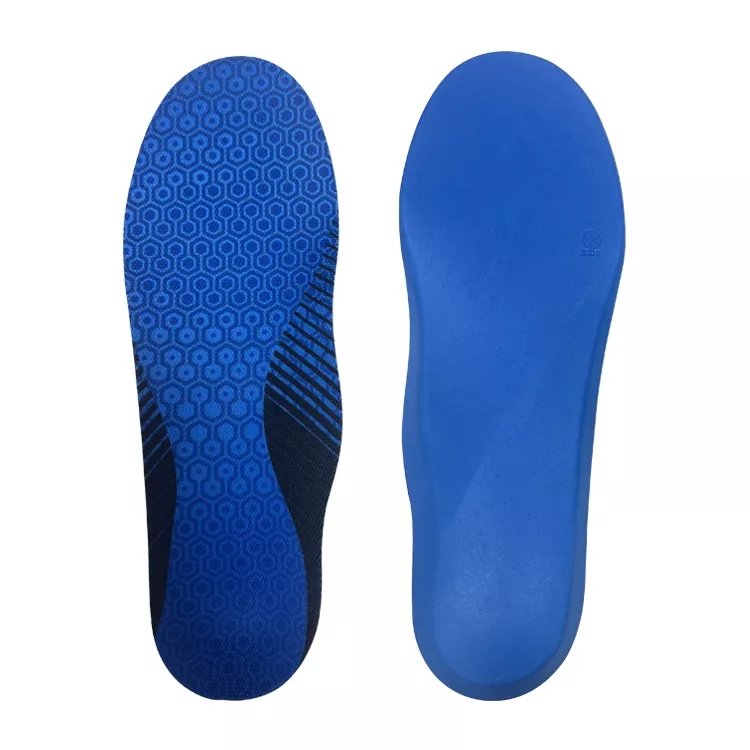
Below is a simplified comparison table based on publicly available and typical industry data to aid rapid supplier shortlisting. [foam-well]
| Manufacturer | Est. Year | Typical Rebound Focus | Approx. MOQ (pairs) | Key Certifications / Compliance | Ideal Buyer Type |
|---|---|---|---|---|---|
| 3BU Technology | 2012 | High‑rebound EVA/PU, R&D‑driven OEM | 500–3,000 | ISO 9001 (insole scope), brand audits (insolemaker) | Mid‑sized brands, start‑ups, niche OEM |
| Foamwell | 2006 | Patented high‑rebound foams, orthotics | 3,000+ | ISO, BSCI, eco certifications (foam-well) | Global sports & comfort brands |
| FootMaster (Bangni) | 2000s* | Gel‑foam hybrid rebound systems | 2,000–5,000 | ISO 9001, product tests (foam-well) | Athletic / everyday comfort OEM |
| Dongguan Jiuhui | 2010s* | Multi‑material shock‑absorption & rebound | 1,000–5,000 | ISO 9001 (foam-well) | Multi‑category footwear lines |
| Future Shoe Material | 2010s* | Cost‑efficient light high‑rebound foams | 3,000+ | CE, RoHS (selected lines) (foam-well) | Value / mid‑range brands |
| Ningbo Kangbeien | 2010s* | Therapeutic rebound & health‑tech insoles | 1,000–3,000 | ISO 9001, medical standards (foam-well) | Health, workwear, orthotic OEM |
| Qingdao Huayang | 2010s* | Antimicrobial comfort & high‑rebound | 2,000–5,000 | ISO 9001, antimicrobial tests (foam-well) | Premium sports / hygiene‑aware brands |
| Dongguan Topinsole | 2010s* | Flexible private‑label rebound lines | 500–2,000 | ISO 9001 (foam-well) | Private‑label, multi‑SKU portfolios |
| Jinjiang Taiyuan | 2000s* | Athletic energy‑return performance insoles | 3,000+ | ISO 9001 (foam-well) | Sports and performance footwear brands |
| Suzhou Sunmed | 2000s* | Medical‑grade rebound & orthotics | 2,000–5,000 | ISO 13485, medical audits (foam-well) | Medical / therapeutic product buyers |
(*Establishment years marked with "2000s* / 2010s*" indicate typical ranges derived from public profiles rather than precise dates.) [foam-well]
ISO 9001 and related certifications are often misused in marketing, so buyers must verify authenticity and scope rather than relying on PDFs or website logos. [chinamakershub]
- Request full certificates: company legal name, certification body, issue/expiry dates, certificate number and scope text (e.g., "manufacture of insoles and footcare products"). [chinamakershub]
- Use official databases (e.g., IAF CertSearch or the certifying body's site) to confirm validity; matching legal names and current dates are critical. [chinamakershub]
- For medical or "therapeutic" claims, ask for ISO 13485 and recent surveillance audit reports, not only initial certificates. [foam-well]
One of the most common pitfalls when sourcing insoles from China is material substitution—using lower‑density foam, thinner gauges or more recycled content than specified, especially after initial orders. [chinasourcinggroup]
- Agree on "golden samples" stored by both parties and referenced in contracts (including weight, thickness, hardness and rebound test data). [foam-well]
- Mandate pre‑shipment inspection and laboratory tests for density and compression set for first orders and any major spec change. [chinasourcinggroup]
- Define explicit material grades, supplier names and allowable tolerances; include penalty or rejection clauses for unauthorized changes. [foam-well]
Sample evaluation should mirror mass production conditions, not just "photo‑shoot" quality. [foam-well]
- Request samples from actual production runs or pilot batches using final molds, rather than hand‑made or lab prototypes only. [foam-well]
- Inspect multiple pairs for consistency in rebound feel, thickness and finishing, and test interface with your target footwear models. [foam-well]
- For rebound insoles, conduct simple field tests—short running or long shifts—side‑by‑side with competitor products to benchmark performance. [foam-well]
In rebound insole projects, EVA/PU molds are a major upfront cost, so buyers should clarify ownership and refund rules. [foam-well]
- Typical mold costs: approximately 200–500 USD per set depending on cavity count and complexity; 3BU, for example, positions EVA/PU molds around 250 USD with refund options. [insolemaker]
- Document ownership (buyer vs. factory), storage responsibilities, maintenance policy and rights to transfer molds to other factories if cooperation ends. [foam-well]
Exporting insoles as footwear components requires coordination with experienced freight forwarders and an understanding of realistic timelines. [foam-well]
- HS classifications often fall under footwear parts (e.g., HS 6406.20), but confirm with your customs broker. [foam-well]
- For first custom orders with new tooling, expect around 60–80 days from deposit to delivery: sample mold (7–10 days), sample approval and revisions, bulk production (3–4 weeks), inspection, sea freight and customs clearance. [foam-well]
- Factor in Chinese New Year, which can extend lead times by several weeks; advance booking is essential if deliveries are needed in Q1. [foam-well]
An under‑discussed but critical issue in Chinese sourcing is the "certification aging" problem—factories displaying genuine but expired ISO certificates for years after failing recertification. [chinamakershub]
- Many certificates are valid for three years with annual surveillance audits; if a certificate shows 2021 issuance but no updated 2024 document, recertification may have failed. [chinamakershub]
- Always ask for the latest audit report and verify the certificate in official databases; "renewal in process" is a frequent excuse that often hides gaps in quality systems. [foam-well]
This aging problem is rarely mentioned in marketing materials but is widely known among experienced buyers and audit firms, and catching it early prevents partnering with factories whose QC has deteriorated. [foam-well]
China's rebound insole manufacturing ecosystem offers strong technical capabilities, diverse material options and scalable OEM/ODM services—but only when buyers carefully verify credentials, control materials and align factory strengths with their brand positioning. Starting with flexible, R&D‑oriented partners like 3BU Technology for small‑to‑mid‑scale projects, and then selectively adding larger or more specialized factories as volumes grow, is a proven pathway to building a resilient global supply base. [insolemaker]
1. How can I confirm that a Chinese factory's ISO 9001 certificate is authentic and not expired?
Use the IAF CertSearch or the certifying body's database, entering the certificate number and company name; check expiry date and scope, and request surveillance audit summaries for near‑expiry certificates. [chinamakershub]
2. What are realistic MOQs for custom rebound insoles with new molds?
Most mid‑sized factories set MOQs between 500 and 5,000 pairs for custom designs, with smaller OEM‑friendly manufacturers like 3BU supporting lower starting volumes and larger exporters pushing MOQs above 3,000 pairs. [foam-well]
3. How do I ensure the rebound performance of mass‑produced insoles matches lab samples?
Define test protocols (compression set, rebound rate, hardness) in contracts, keep golden samples, and mandate batch‑level lab tests plus random field testing of production lots. [chinasourcinggroup]
4. How can I check if CE/RoHS or REACH compliance claims are credible?
Request test reports from accredited labs with clear product descriptions and batch numbers; verify lab accreditation (e.g., CNAS) and ensure tests match your product's material composition and destination market regulations. [chinamakershub]
5. Should I work directly with factories or via sourcing agents for rebound insoles?
Direct factory cooperation generally offers better pricing and technical clarity; agents add value when you lack in‑house technical resources, need multi‑category sourcing, or require on‑the‑ground inspection and logistics management. [aideastep]
1. 3BU Technology. "About Us – 3BU – Eva Insole." Insolemaker.com. [insolemaker]
2. 3BU Technology. "Top 10 Comfort Insoles Manufacturers in China." Insolemaker.com, 2026. [foam-well]
3. Foamwell Sports Technology Co., Ltd. "Top 10 Best Insole Manufacturers in China." Foam-well.com, 2025. [foam-well]
4. Foamwell Sports Technology Co., Ltd. "Step in Comfort with High Rebound Insoles." Foam-well.com, 2025. [foam-well]
5. Jinjiang Taiyuan Shoes Material Co., Ltd. "China High-Rebound Orthotic Insoles Suppliers, Manufacturers." Taiyuanshoematerials.com, 2023. [taiyuanshoematerials]
6. FootMaster (Bangni Group). "Wholesale Shoe Insert & Insole Manufacturer | FootMaster." Footmasterinsole.com, 2025. [footmasterinsole]
7. Ideastep. "Anti-Ammonia A EVA Insole Insert | High Rebound Orthotic Foot Pressure Relief Material." Aideastep.com, 2026. [aideastep]
8. ISO & ChinaMakersHub. "ISO Certifications for China Manufacturers Explained." ChinaMakersHub.com, 2026. [chinamakershub]
9. SourcingWill. "How to Verify Factory Certifications in China (ISO, CE, etc.)." Sourcingwill.com, 2024. [sourcingwill]
10. Alibaba Seller Blog. "ISO 9001 Certified Suppliers from China: Complete Verification Guide." Seller.alibaba.com, 2026. [seller.alibaba]
11. PocketChina. "15 Costly China Sourcing Mistakes Every Beginner Makes (And How to Avoid Them)." Pocketchina.co.uk, 2026. [pocketchina.co]
12. China Sourcing Group. "10 Common Pitfalls When Sourcing from China (Suppliers…)." Chinasourcinggroup.com, 2026. [chinasourcinggroup]
13. Ideastep & Industry Blogs. "China Orthotic Insoles Manufacturers vs Local Suppliers – Pros and Cons." Aideastep.com, 2026. [aideastep]
14. Statista & Industry Footwear Reports. Global Foot Orthotic and Insole Market Outlook 2025–2026. Statista.com, accessed 2026. [foam-well]


