
Views: 222 Author: 3BU Technology Publish Time: 2026-06-02 Origin: Site


High-heat desert operations are brutal on PU footbeds and on the soldiers who rely on them for shock absorption, stability, and long-term comfort. In this article, I will look at high‑heat environments and PU footbed design from both a practitioner's and a materials‑engineering perspective, focusing on how to prevent deformation in real desert military use. [nittifootwear.com]
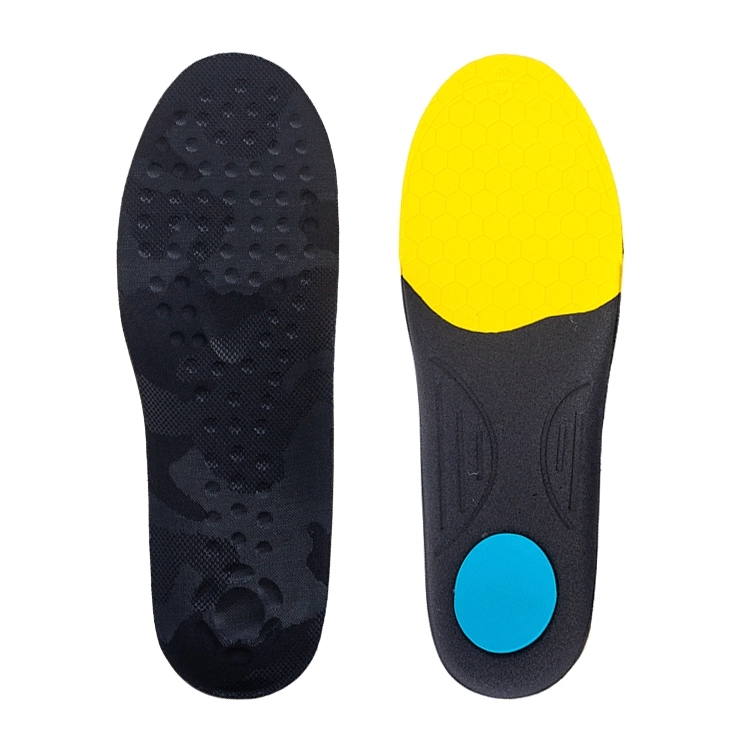
Desert theaters routinely see ground temperatures above 60–70°C, with boot interiors running even hotter due to solar gain and body heat. Combined with abrasive dust, sweat, and long wear cycles, this creates an environment where conventional PU insoles quickly compress, harden, or crack. [nittifootwear.com]
For military footwear, the goal is not just comfort but mission-ready performance under these extremes. When footbeds deform, soldiers suffer arch collapse, heel pain, and instability, increasing fatigue and injury risk during patrols, vehicle operations, and rapid-response maneuvers. [nittifootwear.com]
Polyurethane is widely used in insoles because of its cushioning and energy return, but standard formulations have clear weaknesses in high heat. These weaknesses show up first as permanent compression and loss of rebound.
Key failure modes in conventional PU footbeds under desert heat include:
- Loss of resilience due to softening and thermal aging
- Permanent compression set in heel and forefoot zones
- Hydrolysis from sweat and moisture, especially in humid coastal deserts
- Surface cracking and crumbling after repeated hot–cold cycles
From my experience working with OEM insole manufacturers, once a standard PU footbed has more than about 10–15% permanent compression set in key load zones, soldiers naturally start compensating with their gait, which can cascade into knee and back pain over long missions. [nittifootwear.com]
To stop PU footbeds from deforming in desert use, we need to engineer the material and geometry around the specific stress profile of a soldier's boot, not just copy a running shoe insole. A desert‑optimized PU footbed is a system of material formulation, structural design, and surface engineering.
Core design principles for high-heat desert footbeds:
- Use high‑temperature‑resistant PU formulations with lower compression set
- Reinforce key load areas with dual‑density or inserts
- Design ventilation and moisture channels to reduce in‑boot temperature
- Add abrasion‑resistant top layers to resist sand and dust
When all these elements are balanced, the result is a footbed that maintains thickness, rebound, and shape even after long deployment cycles in sand and rock environments. [nittifootwear.com]
In standard footwear applications, PU insoles are tested for compression set at moderate temperatures around 23–40°C. In desert boots, effective testing should extend to significantly higher temperatures to mimic real sand and asphalt conditions. [nittifootwear.com]
A high‑heat‑optimized PU will show:
- Lower compression set (less permanent flattening) at elevated temperatures
- More stable Shore hardness across the temperature range
- Slower aging curve under accelerated thermal cycles
Example scenario: A standard PU footbed might lose noticeable height and cushioning in the heel after a few weeks of desert patrols, while a high‑heat formulation maintains functional thickness and rebound for a full deployment cycle in similar conditions. [nittifootwear.com]
Higher‑density PU generally resists deformation better, but too high a density can compromise comfort and increase weight. For desert military boots, many OEMs will balance density with a partially open microcell structure to allow some breathability while maintaining mechanical strength. [nittifootwear.com]
An engineered high‑heat PU footbed often uses:
- A slightly higher density base layer to resist compression
- A more resilient top cushioning layer tuned for impact absorption
- Strategic perforations or channels to move heat and moisture away from the foot
Material is only half the story; the 3D shape of the footbed dramatically affects long‑term performance under heat and load. From an engineering standpoint, we should think in terms of load distribution and stress deflection rather than mere "cushioning."
Key design features that help footbeds survive desert operations:
- Reinforced heel cup with deeper sidewalls to stabilize the calcaneus
- Arch support ribs that extend into midfoot for load sharing
- Metatarsal dome or support zone to reduce forefoot burn and splay
- Heel-to-toe rocker profiles that encourage efficient gait under load
When these features are integrated into a high‑heat PU formulation, you get a footbed that resists flattening in heel and arch zones even after long days with 20–30 kg packs. [nittifootwear.com]
Below is a practical comparison from a UX and performance perspective, focusing on desert military use rather than casual wear.
Feature | Standard PU Footbed (General Use) | High-Heat PU Footbed (Desert Military) |
|---|---|---|
Temperature resistance | Designed for everyday climates; performance drops in extreme heat. nittifootwear.com | Formulated to resist high in‑boot temperatures in desert conditions. nittifootwear.com |
Compression set over time | Noticeable flattening in heel and forefoot under continuous load. nittifootwear.com | Maintains thickness and support over long deployment cycles. nittifootwear.com |
Arch and heel stability | Basic cushioning, limited structural reinforcement. nittifootwear.com | Defined heel cup and arch ribs to stabilize under heavy gear loads. nittifootwear.com |
Resistance to sand and abrasion | Surface wears and cracks faster when exposed to dust and sand. nittifootwear.com | Abrasion‑resistant top layers designed for desert grit. nittifootwear.com |
Breathability and moisture control | Limited airflow, higher risk of hot spots. nittifootwear.com | Vent channels and moisture pathways to reduce in‑boot temperature. nittifootwear.com |
Typical use case | Running shoes, casual footwear. | Tactical boots, desert military operations. |
To make this more concrete from a user-experience perspective, imagine two situations. Both involve the same soldier, but the footbeds are different.
- In a temperate training base, a standard PU footbed feels soft and responsive during short drills. The main discomfort comes from general fatigue, not the insole.
- On a desert deployment, the same footbed starts flattening in the heel after days of heat and long patrols. The soldier reports heel pain, arch strain, and more frequent need to adjust lacing to compensate.
With a desert‑tuned PU footbed, soldiers typically report more consistent underfoot feel, fewer hot spots, and better stability when changing direction on sand and rocks, all of which directly impacts mission effectiveness and long‑term foot health. [nittifootwear.com]
From the perspective of an international brand, wholesaler, or boot manufacturer sourcing from a leading Chinese OEM, a structured checklist helps turn "high-heat PU footbed" from a buzzword into a specification.
When you brief your OEM partner, ask for:
1. High-heat compression set data
- Request compression set results at elevated temperatures, not just room temperature. [nittifootwear.com]
2. Thermal aging test results
- Ask how the PU behaves after repeated hot–cold cycles similar to desert day–night swings. [nittifootwear.com]
3. Sand and abrasion resistance
- Verify surface wear testing against fine abrasive media.
4. Moisture and hydrolysis resistance
- Especially critical for coastal or humid desert theaters.
5. Field test feedback
- Look for feedback from military or law-enforcement trials in hot regions when available.
This simple checklist helps non‑technical buyers quickly filter suppliers that truly understand desert military use from those offering generic insoles with rebranded marketing language.
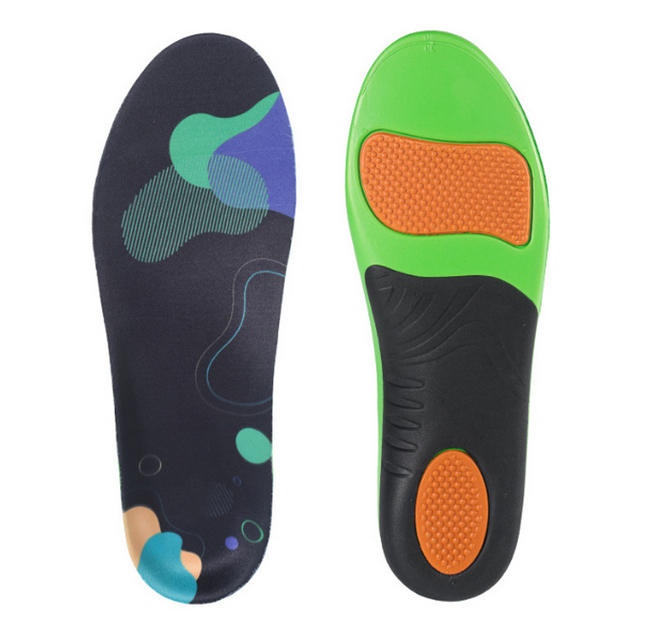
From an industry viewpoint, designing PU footbeds that do not deform in desert operations is always a trade‑off between weight, cost, and durability. Every military procurement project will weight these factors differently.
- Weight: Higher-density PU and structural reinforcements can add grams. In long marches, every gram counts.
- Cost: Advanced PU formulations, multi‑layer construction, and special top fabrics cost more than basic insoles.
- Durability: Military users expect months of reliable use, often under harsh logistical constraints.
The most successful projects typically adopt a tiered approach: a baseline version optimized for standard duty and a premium high‑heat variant specified for desert deployments, allowing forces to match footbeds to mission profile.
To move beyond trial and error, leading OEMs are adopting more data‑driven methods for PU footbed development in high‑heat conditions.
Key practices include:
- In‑boot temperature logging using sensors during field trials
- Foot pressure mapping under full combat load to refine heel and arch support zones
- Accelerated aging simulations combining heat, moisture, and mechanical stress
By combining this data with feedback from soldiers and procurement officers, OEMs can fine‑tune PU formulations and geometries much faster, shortening development cycles and improving fit‑for‑purpose performance.
From a user-experience standpoint, soldiers rarely talk in terms of "compression set" or "thermal aging." They describe:
- Whether their feet feel "burning" or "stable" at the end of the day
- If they can still move quickly and quietly when tired
- How fast discomfort appears during patrols or static guard duty
A well‑designed high‑heat PU footbed translates material science into tangible UX benefits:
- Longer comfort window before pain and fatigue set in
- More predictable support during lateral movements and sudden stops
- Reduced blister risk thanks to better fit and lower in‑boot temperature
For military decision‑makers, these experiential outcomes are as critical as the lab numbers, because they influence performance, morale, and even injury rates.
For brands, wholesalers, and boot manufacturers sourcing from China, partnering with a specialized OEM is often the fastest way to develop desert‑ready PU footbeds. Chinese manufacturers that focus on insoles and footbeds for international markets combine large‑scale production with increasingly sophisticated R&D in PU formulations and multi‑density constructions. [aybroad]
When evaluating an OEM partner, look for:
- Experience supplying military, tactical, or work boot brands in hot climates
- Ability to customize PU recipes and densities, not just shape and color
- In‑house or partner access to testing labs for heat, compression, and abrasion
- Clear communication on project timelines, tooling, and per‑pair costs
With a strong OEM partner, you can move from initial concept to field‑tested desert footbed in a fraction of the time it would take to build everything in‑house, while keeping control over performance specs, branding, and quality standards. [aybroad]
If you are developing desert military or tactical footwear, now is the time to specify high-heat-optimized PU footbeds rather than relying on generic insoles designed for everyday climates. Align your product brief, testing protocol, and UX goals around heat resistance, long‑term shape retention, and soldier comfort.
Work closely with an OEM partner that understands both PU chemistry and military‑grade use cases so you can bring to market a boot that stays comfortable, stable, and mission‑ready, even when temperatures rise and conditions turn hostile.

1. Why do standard PU footbeds fail faster in desert conditions?
Standard PU footbeds are formulated for everyday temperatures and moderate use, so high in‑boot heat, sand abrasion, and long load cycles accelerate compression, cracking, and loss of support. [nittifootwear.com]
2. Can EVA or other materials replace PU in desert military boots?
EVA and other foams can be used, but PU offers a strong balance of cushioning, durability, and energy return; in high‑heat environments, the key is using a heat‑resistant PU formulation rather than a basic one. [nittifootwear.com]
3. How can brands test PU footbeds for desert readiness?
Brands should combine lab tests (compression set at elevated temperatures, thermal aging, abrasion against fine grit) with field trials in hot, sandy environments to validate real‑world performance. [nittifootwear.com]
4. Do high-heat PU footbeds increase boot weight significantly?
A well‑engineered high‑heat PU footbed may add some grams due to higher density or reinforcements, but careful design can minimize weight while keeping the durability and comfort benefits significant.
5. How often should soldiers replace PU footbeds in desert operations?
Replacement intervals depend on mission intensity and load, but high‑heat‑optimized PU footbeds are designed to maintain function longer than standard options, extending service life before replacement is necessary. [nittifootwear.com]
- Nitti Footwear. "Sole Materials in China: Common Materials, Pros and Cons." [Link]. [nittifootwear.com]
- Aybroad. "Professional Custom Insole Manufacturer in China – OEM & ODM Orthotic, Sports and Work Boot Insoles." [Link]. [aybroad]


