
Language
Views: 222 Author: Edvo Publish Time: 2025-10-13 Origin: Site


Content Menu
● Private insurance and re/imbursement channels
● Government and public funding programs
● Employer and healthcare financing options
● Health savings and flexible spending accounts
● Financing and leasing for clinics and devices
● Direct funding pathways and practical steps
>> Step 1: Gather documentation
>> Step 2: Identify available funding
>> Step 3: Prepare submissions
>> Step 5: Plan for ongoing care
● Practical considerations for manufacturers and OEMs
● Case perspectives and regional examples
● Frequently asked questions (FAQ)
>> 1. What is the LMN and why is it important for orthotics funding?
>> 2. Can HSAs or FSAs cover orthotics, and what documentation is needed?
>> 3. Do government assistive devices programs fund orthotics for all ages?
>> 4. Are financing options available for clinics to offer orthotics?
>> 5. How can manufacturers support funding for customers abroad?
Orthotic footwear blends medical necessity with everyday practicality, helping people manage conditions from flat feet to diabetic neuropathy. For brands and manufacturers serving international markets, understanding funding pathways for orthotic shoes can expand access, boost sales, and accelerate adoption. This article surveys practical funding options, including private insurance, government programs, employer or program-based reimbursements, health accounts (HSA/FSA), and financing arrangements for clinics and patients. It also highlights steps to verify eligibility, prepare documentation, and select financing that fits different budgets and care plans.

Orthotic footwear funding typically arises from a mix of patient payments, insurance reimbursements, and government or community programs. Eligibility often depends on medical necessity, prescribed devices, and documentation from licensed clinicians. For manufacturers and service providers, aligning product offerings with funding pathways can reduce barriers to adoption and broaden market reach.
- Many private insurers offer partial or full coverage for orthotics when prescribed by a clinician and when products meet medical necessity criteria. Pre-authorization and documentation about materials, fit, and biomechanical assessment are commonly required. Providers often assist with paperwork to streamline approvals.
- Some clinics present orthotic solutions as tiered options (standard vs. premium custom devices) to match varying benefit levels, enabling more patients to access appropriate devices within their plan.
- Government programs exist in multiple regions to support assistive devices, including orthotics, for eligible residents. Pre-authorization is typical, and coverage levels vary by program, patient age, disability, and income. Clinics frequently handle applications and coordination with program administrators.
- In particular, provincial or national assistive devices programs may fund a portion of orthotics for applicable patients, often requiring a prescription and device specification from a certified orthotist or pedorthist.
- Some programs focus on children or specific conditions, and hybrid funding (part private + part government) is not uncommon. Checking local eligibility and required documents early can reduce delays.
- Employers, especially in physically demanding industries, occasionally provide benefits or allowances for devices that improve safety and performance. This can be in the form of health benefits or wellness programs. Clinics and manufacturers can help employers understand eligible expenditures and documentation required for reimbursement.
- For clinics and practices, financing arrangements for orthotics equipment and inventory can preserve capital and spread costs. Financing partners may offer terms that align with cash flow cycles, sometimes with low or zero-percent introductory periods. This is useful for clinics expanding services or upgrading equipment.
- Health Savings Accounts (HSA) and Flexible Spending Accounts (FSA) are widely used in some regions to reimburse orthotics and related footwear when accompanied by a medical necessity letter and proper documentation. Reimbursement typically requires a Letter of Medical Necessity (LMN) and adherence to plan rules.
- In many cases, LMN and a formal diagnosis from a qualified clinician enable patients to submit claims and receive reimbursement for eligible orthotics purchases. Clear records of measurements, prescription, and device specifications support claims.
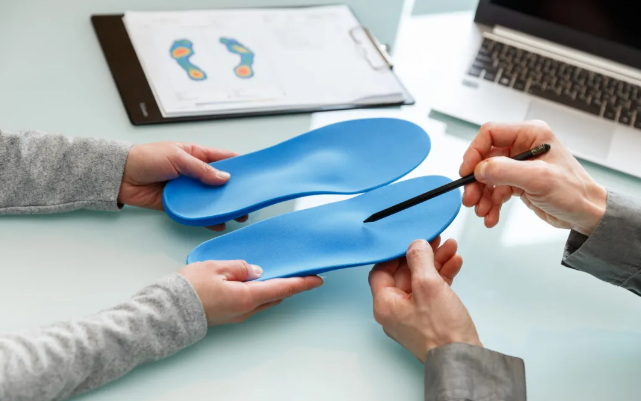
- Medical equipment financing and leasing can cover orthotics-related devices, clinics, and supporting equipment. Financing options range from short-term loans to long-term leases, with potential coverage for installation, maintenance, and upgrades. This can help clinics manage upfront costs while expanding patient care capabilities.
- Financing providers may offer flexible terms, including low or zero-interest periods, to help clinics scale services or to finance high-cost devices or custom orthoses. A structured plan aligned with patient demand and clinic revenue helps sustain growth.
- Prescription from a licensed clinician for orthotics
- Detailed orthotic device specification (materials, construction, biomechanical assessment)
- Letter of Medical Necessity (LMN) where required by funders
- Demographic and eligibility information for government or insurer programs
- Any required forms or authorizations for HSA/FSA, ADP, WSIB, NDND, or NIHB programs where applicable
- Screen private insurers for coverage criteria and pre-authorization requirements
- Check government assistive devices programs for eligibility (age, disability, income, residence)
- Explore HSA/FSA options and confirm LMN requirements
- Consider financing options for clinics or patients to spread costs
- Compile professional letters, diagnosis codes, and device specifications
- Ensure documentation clearly ties the orthotics to approved medical conditions and functional benefits
- Submit pre-authorization or funding requests in a timely manner to avoid delays
- Monitor application status and respond to additional information requests quickly
- If initial funding is denied, request reconsideration or explore alternate funding sources
- Some programs provide ongoing support for replacements or adjustments
- Establish a billing workflow that bundles follow-up visits, adjustments, and part replacements where allowed
- Align product lines with funding criteria
- Offer tiers of orthotic footwear or insoles designed to meet varying coverage requirements and price points
- Provide robust documentation packs (prescriptions, material specs, biomechanical data) to ease funder review
- Support clinical partners
- Equip clinics with ready-to-use LMN templates and device specification sheets
- Offer education on how funding processes work in target markets and assist with pre-authorizations
- Educate end users
- Create clear claim guides that explain required steps for HSA/FSA or insurer reimbursement
- Provide sample LMNs and common diagnosis codes to speed up claims
- Canada: Assistive Devices Programs (ADP) and provincial supports may fund part of orthotics for eligible residents; clinics coordinate with social workers and program administrators to secure approvals. Documentation often includes a certified orthotist's prescription and device details.
- United Kingdom: Finance options and private subsidies can help patients access orthotics immediately; clinicians may arrange periodic payments or phased care plans to align with budget constraints.
- Singapore and Asia-Pacific: Medical equipment financing and leasing options exist to help clinics acquire orthotics-related devices, with terms like zero-down and customized payment plans to fit practice growth.
- United States: HSA/FSA routes are commonly used for orthotics with a physician's LMN and proper claims documentation; many providers also accept employer-based benefits or private insurance reimbursements.
Navigating funding for orthotic shoes involves a mix of insurer coverage, government support, retirement or health accounts, and financing options for clinics and patients. For manufacturers and OEMs, aligning product lines with funding criteria, providing ready documentation, and supporting clinical partners can reduce barriers and broaden international reach. By proactively informing patients and clinics about available pathways and by offering flexible financing and documentation support, a shoe insole business can increase adoption, drive inquiries, and build long-term partnerships with global brands and distributors.
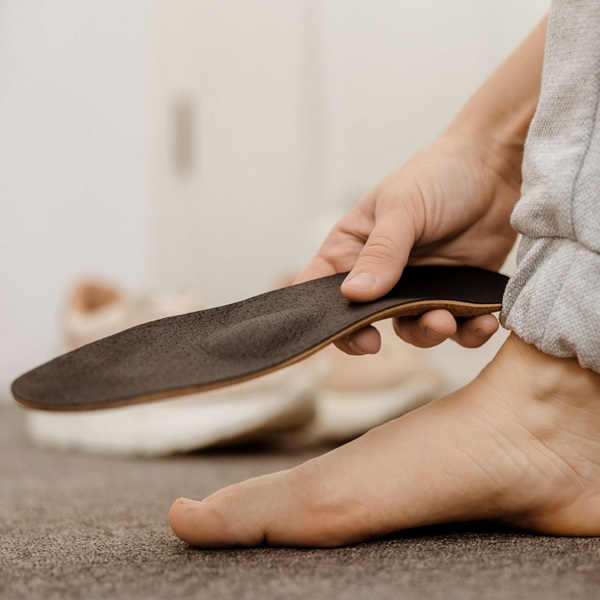
A Letter of Medical Necessity documents that a clinician prescribes orthotics for a specific medical condition and supports reimbursement or coverage eligibility.
es, with a physician's prescription or LMN and proper claim forms; ensure submission aligns with plan rules and timing windows.
Not universally; eligibility depends on region, age, disability status, income, and program rules; pre-authorization is often required.
Yes, clinics can access medical equipment financing or leasing to spread costs for inventory, devices, and related equipment.
By offering clearly documented device specifications, LMN-ready templates, and flexible product lines that fit varied funding criteria, expanding accessibility in international markets.


