
Views: 222 Author: Amanda Publish Time: 2025-09-10 Origin: Site


Content Menu
● Understanding Orthopedic Insoles
>> The Distinction Between Orthopedic Insoles and Orthopedic Inserts
● Average Lifespan of Orthopedic Insoles
>> Materials Affecting Durability
● Factors That Influence Orthopedic Insole Longevity
>> User Weight and Pressure Distribution
● Recognizing When to Replace Orthopedic Insoles
● Maintenance Tips to Prolong Orthopedic Insole Life
● Technologies Advancing Orthopedic Insoles
● Comparing Custom and Over-the-Counter Orthopedic Insoles
● Consequences of Continuing to Use Worn Insoles
● OEM Orthopedic Insole Manufacturing and Quality Standards
● FAQ: Orthopedic Insoles Longevity and Care
>> 1. How often should I replace my orthopedic insoles?
>> 2. Can I extend the life of my orthopedic insoles?
>> 3. What are clear signs that my orthopedic insoles need replacement?
>> 4. Are custom orthopedic insoles better than over-the-counter options?
>> 5. What risks do worn orthopedic insoles pose?
Orthopedic insoles are an essential component for many people seeking relief from foot pain, improved comfort, and enhanced mobility. They play a vital role in correcting foot imbalances, supporting arches, and distributing pressure evenly. One common question that arises among users and healthcare professionals alike is: How long do orthopedic insoles last? This comprehensive article delves into the lifespan of orthopedic insoles, factors influencing their durability, maintenance tips, and important considerations for replacement.

Orthopedic insoles are specialized shoe inserts designed to support the foot's natural structure and biomechanics. They help manage conditions including flat feet, plantar fasciitis, heel spurs, bunions, and overpronation, among others. Insoles differ from regular shoe inserts by their medical purpose and often customized nature. They can be purchased as off-the-shelf products or prescribed and tailored by podiatrists using advanced gait analysis and 3D foot scanning technologies.
It's crucial to distinguish between custom-prescribed orthopedic insoles and more general orthopedic inserts. Custom insoles are precisely molded to an individual's foot shape and condition after a thorough clinical assessment. They often incorporate advanced materials like flexible polymers, shock-absorbing gels, and rigid compounds designed to deliver optimal correction and support.
Conversely, orthopedic inserts are usually ready-made or semi-custom, providing generalized comfort and mild support but lacking the precise biomechanical correction of custom insoles. Inserts are beneficial for occasional foot fatigue or mild discomfort but may not suffice for complex podiatric conditions requiring tailored solutions.
The expected durability of orthopedic insoles varies widely, influenced by factors such as materials, usage intensity, and foot biomechanics:
- Custom orthotic insoles typically last 12 to 18 months with typical daily use. Their high-quality materials and personalized design enhance their longevity.
- Over-the-counter orthopedic insoles generally need replacement every 6 to 12 months. They serve moderate needs but have shorter lifespans.
- Basic foam or gel insoles designed for cushioning may wear out within 3 to 8 months, especially under heavy use or athletic activity.
Material quality, user body weight, and environmental exposure significantly influence these timelines.
Orthopedic insoles are fabricated from materials like ethylene-vinyl acetate (EVA), polyurethane (PU), carbon fiber, cork, gel, and leather. EVA foam is common for its cushioning and support but compresses over time; PU offers greater durability while maintaining flexibility. Carbon fiber provides high rigidity for structural support and longer wear but less pliability.
The choice of material correlates with both the intended use of the insole and the user's specific foot condition. High-grade materials in custom insoles usually provide improved resistance to compression, tearing, and deformation.
Several elements affect how quickly orthopedic insoles lose their effectiveness:
Daily use during intense activities such as running, prolonged standing, or heavy labor accelerates insole wear. More moderate or occasional use extends service life.
Higher body weight or irregular pressure patterns caused by foot anomalies lead to faster deterioration, especially in pressure-prone areas like the heel or ball of the foot.
Using insoles in shoes designed for their use prolongs durability. High-impact or sweaty environments may degrade materials faster.
Proper cleaning, drying, and rotation of insoles reduce wear and bacterial buildup, significantly extending their lifespan.
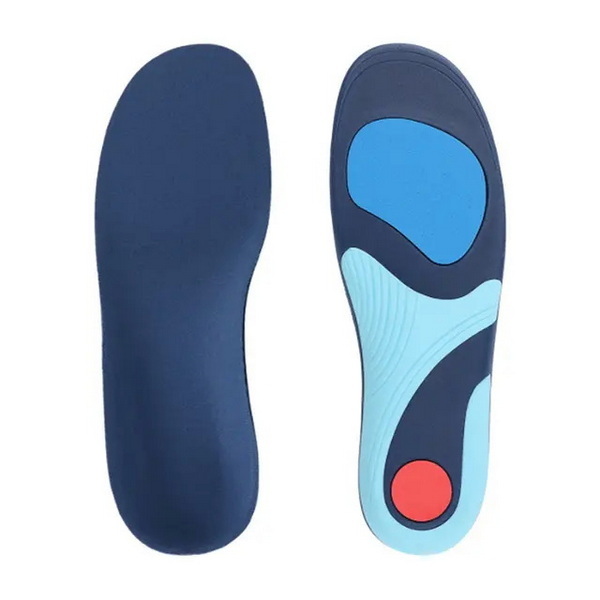
It is vital to replace worn insoles to maintain foot health and effectiveness in pain relief. Indications of wear include:
- Noticeable flattening or loss of cushioning and arch support
- Visible cracks, tears, or deformation in materials
- Increase in foot or lower limb pain despite wearing insoles
- Persistent unpleasant odor that cleaning cannot resolve
- General discomfort and instability during walking or standing
Ignoring these signs may lead to worsening foot conditions, gait abnormalities, and secondary musculoskeletal problems.
Taking care of orthopedic insoles is simple and extends functionality:
- Rotate between two or more pairs to avoid daily overuse
- Clean monthly with mild soap and cool water; never machine wash or expose to direct heat
- Air dry thoroughly before use, storing in a dry, ventilated space
- Use insoles only in footwear recommended by healthcare providers or manufacturers
- Avoid exposure to excessive moisture, dirt, or extreme temperatures
Technological innovation in materials science and design methodologies has significantly improved orthopedic insoles' effectiveness and lifespan:
- 3D foot scanning and gait analysis enable tailored insoles that match individual biomechanics precisely.
- Memory polymers and advanced gels provide dynamic cushioning and shock absorption while maintaining shape.
- 3D printing allows rapid prototyping and production of highly customized insoles with optimized weight and support.
- Anti-microbial and breathable fabric covers promote hygiene and comfort.
These innovations foster better correction, enhanced comfort, and longer-lasting orthopedic insoles.
| Feature | Custom Orthopedic Insoles | Over-the-Counter Orthopedic Insoles |
| Personalization | Highly personalized to foot anatomy | Standard sizes and shapes |
| Material Quality | Premium, durable materials | Varying quality; often less durable |
| Lifespan | Typically 12-18 months | Typically 6-12 months |
| Support and Correction | Designed to address specific biomechanical issues | General foot support and cushioning |
| Cost | Higher upfront investment | More affordable but less targeted |
| Replacement Frequency | Less frequent but may require adjustments | More frequent due to faster wear |
Persistent use of degraded orthopedic insoles can contribute to:
- Poor posture and gait deficiencies leading to knee, hip, and lower back discomfort
- Exacerbation of underlying foot conditions such as plantar fasciitis or tendonitis
- Increased risk of injury due to compromised stability and shock absorption
Regular evaluation and timely replacement are crucial to prevent these outcomes.
For brands, wholesalers, and producers seeking reliable orthopedic insoles, partnering with leading OEM manufacturers is vital. Top manufacturers use cutting-edge technology, adhere to international quality standards, and offer customization options suited for diverse markets.
A good OEM provider ensures consistency in material quality, precise fabrication, and adherence to client specifications, enabling global brands to meet customer expectations effectively.
The longevity of orthopedic insoles depends on multiple factors, including material quality, frequency of use, user biomechanics, and maintenance. Typically, custom orthopedic insoles last 12 to 18 months, while over-the-counter versions require replacement every 6 to 12 months. Recognizing signs of wear and replacing insoles promptly maintains optimal foot support and prevents secondary health issues. Advances in materials and technology continue to enhance the durability and comfort of orthopedic insoles, benefiting users worldwide. For brands and retailers, partnering with experienced OEM manufacturers ensures access to high-quality, customizable orthopedic insoles that meet market demands and contribute positively to foot health.
Typically, custom orthopedic insoles should be replaced every 12 to 18 months, while over-the-counter insoles last 6 to 12 months. Replacement depends on usage and signs of wear.
Yes, rotating multiple pairs, cleaning properly, and keeping them dry can prolong their lifespan significantly.
Flattening, loss of arch support, visible damage, increased foot pain, and persistent odor are indicators that replacement is necessary.
Custom insoles offer superior support and correction due to personalized design and higher quality materials, though they cost more.
Worn insoles can worsen foot conditions, lead to poor posture, and increase risk of injury due to inadequate support and cushioning.
[1](https://st-charlespodiatrie.com/en-ca/2024/04/17/healthy-feet-the-guide-to-orthotic-insoles-and-orthopedic-inserts/)
[2](https://theinsolestore.com/pages/insole-guide)
[3](https://www.stridesoles.com/blogs/articles/best-insoles-for-calluses)
[4](https://millburnpodiatry.com/services/orthotics-and-podiatry-a-comprehensive-guide-to-custom-insoles-for-foot-health/)
[5](https://www.bedfordshirehospitals.nhs.uk/patient-information-leaflets/a-guide-to-your-insoles-2/)
[6](https://www.footcentregroup.com.au/guide-to-orthotics/)
[7](https://www.rei.com/learn/expert-advice/insoles.html)


