
Views: 222 Author: Edvo Publish Time: 2026-01-07 Origin: Site


Content Menu
● Understanding Orthotic Insoles
● The Adjustment Period: What to Expect
● Factors That Influence the Effectiveness of Orthotic Insoles
>> Orthotic Design and Material
>> Daily Wear Time and Consistency
>> Lifestyle and Physical Activity
● Signs That Your Orthotic Insoles Are Working
● Tips to Help Speed Up the Adaptation Process
● How Long Do Orthotic Insoles Last?
● The Long-Term Benefits of Orthotic Insoles
● Typical Timeline of Noticeable Results
● Lifestyle Habits That Complement Orthotic Use
>> 1. How long should I wear orthotic insoles each day at first?
>> 2. Are orthotic insoles suitable for all shoe types?
>> 3. Why do my feet hurt even after weeks of wearing orthotics?
>> 4. How can I make my orthotics last longer?
>> 5. Can orthotics correct flat feet permanently?
Orthotic insoles are an essential part of modern foot care, offering comfort, balance, and long-term relief to those struggling with foot pain, improper gait, and posture issues. Millions of people around the world rely on them to correct misalignment, improve mobility, and enhance daily performance. However, one of the most frequently asked questions from new users is: how long do orthotic insoles take to work?
The answer depends on several factors, including your physical condition, footwear choice, daily activity, and the type of orthotic design you are using. Most people experience some level of comfort improvement within a few weeks, but complete adaptation can take several months.
This article will help you understand how orthotic insoles work, what kind of timeline to expect, and how to get the best possible results from them.
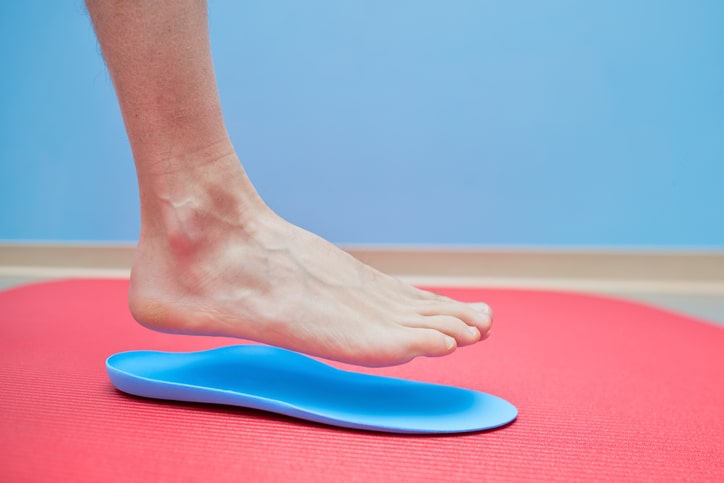
Orthotic insoles are specialized shoe inserts designed to support the structure of the foot, reduce pressure points, and correct biomechanical imbalances. They are commonly recommended by podiatrists and physiotherapists for issues such as plantar fasciitis, flat feet, overpronation, heel spurs, bunions, or chronic knee and back pain.
Some key functions of orthotic insoles include:
- Supporting the arch: Maintaining natural curvature prevents foot collapse and strengthens stability.
- Distributing body weight evenly: This helps alleviate pressure on sensitive areas like the heel or forefoot.
- Improving gait mechanics: Correct positioning enhances stride efficiency, reducing fatigue.
- Relieving pain from misalignment: Reduces strain on muscles, ligaments, and joints up the kinetic chain.
There are two main categories available in the market:
- Custom-made orthotics: These are tailored to an individual's exact foot shape, often created from molds or 3D scans. They offer the highest level of precision and comfort, especially for people with complex or chronic foot disorders.
- Prefabricated orthotics: These are mass-produced in standard arch shapes and densities. While they may not match custom accuracy, quality prefabricated insoles can significantly improve posture and relieve discomfort at an accessible price.
Both types share the same goal — to realign your body from the feet upward and promote natural movement in every step.
When you first start using orthotic insoles, it's normal for your feet and lower body to feel slightly different. Think of it as adjusting to a new mattress that supports you differently — it may take a little time before it feels natural.
The body follows distinct adaptation stages, usually unfolding like this:
1. Initial discomfort (Days 1–3): New users often feel tightness or pressure, especially if they have high arches or uneven weight distribution.
2. Adaptive response (Week 1–2): The feet, ankles, and calves may feel sore as tendons and muscles begin to realign and work differently.
3. Stabilization phase (Weeks 3–4): The discomfort reduces, and walking starts to feel smoother and more balanced.
4. Integration (1–3 months): The insoles become part of your daily rhythm — posture improves, and pain relief becomes more consistent.
This process can take anywhere from two weeks to three months, although it varies depending on personal factors like weight, shoes, activity level, and type of orthotic material.
Patience is vital. The goal is long-term alignment and stability, not just temporary comfort.
Different users experience different adaptation speeds and results. The following factors can significantly influence how long orthotic insoles take to work:
If you suffer from chronic biomechanical issues such as severe pronation or plantar fasciitis, recovery will take longer. These conditions cause tight muscles and inflamed tissues that require gradual correction.
Soft, cushioned insoles tend to provide faster comfort but may wear out sooner. On the other hand, rigid orthotics made from materials like carbon fiber focus more on long-term structural correction, which may require a longer adjustment phase.
Shoes and insoles work as a system. A supportive insole in poorly fitted shoes reduces performance significantly. Always choose footwear with proper cushioning, heel depth, and a stable sole to allow the orthotic to function correctly.
Short or inconsistent use delays the body's adaptation process. Start slowly and build toward full-day wear. The more time your body spends properly aligned, the faster it will adapt.
Athletes or workers who stand for long hours often experience faster adaptation because of consistent use. However, they might also feel initial soreness more intensely due to higher pressure and repetitive movement.
Heavier individuals place more load on their feet, which means orthotics may require additional time to mold and adjust under consistent pressure. Similarly, pre-existing posture patterns can prolong the adaptation process as the entire musculoskeletal system rebalances.
Once your body begins to adapt, you'll notice gradual but clear improvements. These may include:
- Reduced pain in the heels, arches, or ankles.
- Fewer symptoms of fatigue or soreness after extended standing.
- More balanced walking rhythm with less limping or leaning.
- Noticeable improvement in posture and hip alignment.
- Increased comfort that allows longer hours of activity without discomfort.
Some people even report better sleep or less lower back tension because improved foot mechanics reduce stress throughout the kinetic chain.
If you experience these improvements after consistent use, it means your orthotics are functioning effectively.
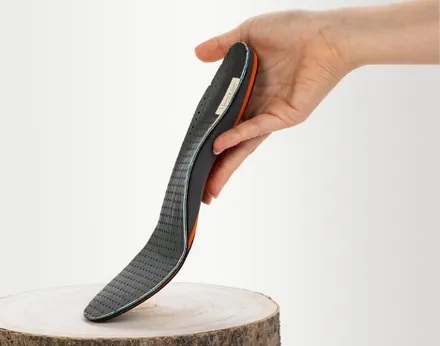
To shorten the time it takes for orthotic insoles to work, consider following these practical tips:
- Ease into wear gradually. Start with one to two hours a day and increase by 30–60 minutes daily.
- Wear high-quality footwear. Choose shoes that complement your orthotics, ideally with supportive soles and good traction.
- Stretch your feet daily. Simple exercises like toe curls, calf stretches, and ankle rotations enhance flexibility and relieve muscle tension.
- Maintain hygiene. Clean your insoles regularly and allow them to dry properly to keep them comfortable and odor-free.
- Replace worn-out insoles. Materials like foam or EVA compress over time — outdated insoles lose their corrective power.
- Check alignment regularly. If posture issues persist after several months, ask for professional evaluation and potential adjustments.
By combining these habits with consistent use, you can maximize the therapeutic benefits and start noticing positive results sooner.
Sometimes, users complain that their orthotic insoles don't seem to help — often due to avoidable mistakes. Here are some of the most common:
- Wearing them inconsistently or forgetting to use them in everyday shoes.
- Using old or structurally worn shoes that cancel out the support provided.
- Skipping gradual adaptation, which can cause unnecessary discomfort and muscle strain.
- Assuming one type fits all, when every foot requires unique support levels.
- Not consulting professionals when discomfort persists beyond the normal adjustment phase.
Avoiding these errors ensures your orthotic journey is smooth and effective.
The lifespan of orthotic insoles depends on several factors, including material quality, frequency of use, and personal lifestyle. Typically:
- Soft foam and gel models last between six months to one year.
- Semi-rigid and custom designs can endure up to two years or more if properly maintained.
- Heavy usage, such as running or labor-intensive work, may shorten the lifespan by 25–30%.
It's important to replace insoles once their support weakens or the material starts flattening. Consistent replacement ensures continued comfort and biomechanical stability.
If pain persists beyond three months of steady use or dramatically increases during activity, it's best to consult a podiatrist or orthopedic specialist. They can analyze your gait, reassess your orthotic fit, and determine whether adjustments are necessary.
Sometimes, additional therapies like stretching routines, muscle strengthening, or physical rehabilitation may be recommended to complement the effects of orthotics.
Beyond pain relief, consistent use of orthotic insoles offers a wide range of long-term health benefits. These include:
- Improved overall posture: By aligning your feet, you naturally support the spine, knees, and hips.
- Reduced injury risk: Better balance lowers strain on joints and soft tissues.
- Enhanced athletic performance: Athletes experience more efficient movement and shock absorption.
- Greater energy efficiency: With proper foot alignment, the body uses less effort in each step.
- Better foot health as you age: Preventive support reduces future foot deformities, bunions, or arthritis progression.
When incorporated as part of a holistic foot-care regimen, orthotic insoles not only treat symptoms but fundamentally improve the way you stand, walk, and live.
While progress varies, the following timeline outlines a general pattern of results most users experience:
| Period | Body Response and Improvements |
|---|---|
| Days 1–3 | Initial tightness or mild soreness |
| Week 1 | Increased awareness of balance and gait changes |
| Weeks 2–3 | Pain reduction and better comfort during standing |
| Weeks 4–6 | Noticeable posture correction and mobility improvement |
| Months 2–3 | Full-body adaptation and long-term muscle reconditioning |
To achieve faster results and maximize comfort, pair your orthotic use with supportive lifestyle habits:
- Maintaining a healthy weight reduces strain on feet and joints.
- Choosing ergonomic work setups helps sustain proper posture throughout the day.
- Performing regular low-impact exercises, like cycling or swimming, keeps muscles flexible without overloading the feet.
- Stretching calves and Achilles tendons reduces tension that may interfere with orthotic performance.
- Rotating shoe pairs allows insoles and footwear materials to recover fully between uses.
Integrating these small habits creates a synergy that accelerates improvement and helps sustain results over the long run.
So, how long do orthotic insoles take to work? For most users, the adjustment period ranges from two to six weeks, with full adaptation often achieved within two to three months. The exact timeline depends on individual factors like condition severity, shoe compatibility, and daily consistency.
Orthotic insoles are not a quick fix but a long-term corrective investment in your overall health. With patience, proper fit, and gradual use, they can transform the way you move and feel — improving comfort, balance, posture, and long-term well-being. Treat them as part of your body's realignment journey, not just an accessory in your shoe.
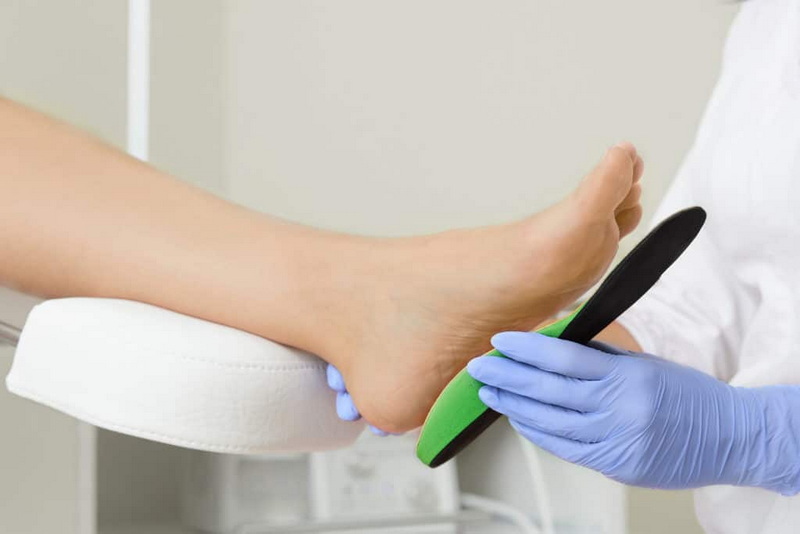
Start with one to two hours daily and increase gradually until full-day comfort is reached. This approach allows your muscles and ligaments to adapt naturally to the new support.
Most orthotic insoles fit athletic shoes, casual sneakers, and work boots. However, they may not suit very narrow or high-heeled shoes. Always check the fit before wearing.
Mild soreness is natural, but persistent or sharp pain could signal poor fit or alignment. Consult your orthotic provider or doctor for adjustments or a possible redesign.
To extend their lifespan, rotate between shoe pairs, air them out after use, and clean them regularly with mild soap and water. Avoid high heat or sunlight during drying.
While they cannot permanently “cure” flat feet, orthotics can significantly improve support, reduce pain, and slow the progression of foot strain over time.


