
Language
Views: 222 Author: Edvo Publish Time: 2025-12-22 Origin: Site


Content Menu
● Understanding Dr. Scholl Custom Fit Orthotic Inserts
● How Much Are Dr Scholl Custom Fit Orthotic Inserts?
● Why Customers Accept the Price Range
● Comparing Dr. Scholl Inserts to OEM Orthotic Inserts
>> OEM vs. Branded Product Comparison
>> OEM Material and Structural Capabilities
● Factors Influencing Orthotic Insert Prices Worldwide
>> 4. Research and Development
>> 5. Quality Control and Certification
● Are Dr. Scholl Inserts Worth Buying?
● The OEM Advantage for Global Buyers
>> Advantages of Partnering with OEM Manufacturers
● The Manufacturing Process of Orthotic Inserts
● How OEM Inserts Reach the Global Market
● Cost Efficiency of OEM vs. Retail Buying
● How to Choose the Right Insole Type
● The Role of Sustainability in Modern Insole Manufacturing
● Common Misunderstandings About Orthotic Inserts
● FAQ
>> 1. How do Dr. Scholl Custom Fit Inserts provide support?
>> 2. Are they truly custom-made?
>> 3. Can OEM manufacturers replicate Dr. Scholl-style insoles?
>> 4. How often should orthotic inserts be replaced?
>> 5. What advantages do OEM insoles offer to businesses?
As one of the leading insole manufacturers in China, we often receive inquiries from global brands, wholesalers, and retailers about premium orthotic insert products—particularly Dr. Scholl Custom Fit Orthotic Inserts. Many buyers and consumers want to understand how these insoles are priced, what makes them different, and whether they're truly worth the investment.
This article explores the full pricing details of Dr. Scholl Custom Fit Orthotic Inserts, their core features, the technology behind them, and how OEM manufacturers like us can reproduce comparable products at significantly lower costs. Whether you're a consumer seeking everyday comfort or a business looking for reliable OEM cooperation, this in-depth analysis will help you make informed decisions.
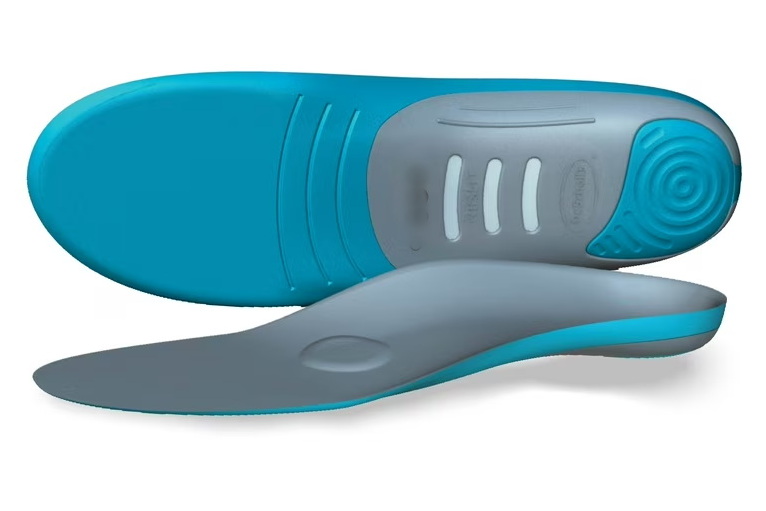
Dr. Scholl is one of the most recognized names in foot comfort and orthotic products worldwide. Founded more than a century ago, the brand has developed a reputation for comfort innovation—bridging healthcare, footwear, and lifestyle.
The Custom Fit Orthotic Inserts are designed using proprietary mapping technology that identifies pressure points and foot arch types. When a customer visits a Dr. Scholl kiosk, they stand barefoot on a sensor mat that measures foot pressure distribution. The machine then recommends a specific insole model suitable for that user's unique needs.
- Multi-layer cushioning that absorbs shock during daily movement.
- Targeted support zones for the heel and arch to alleviate strain.
- An anatomical shape designed to align the body naturally.
- Portable and removable—usable in various shoe types.
In simple terms, Dr. Scholl's inserts combine ergonomic engineering with material science to create an accessible “semi-custom solution” for everyday users.
The retail price of Dr. Scholl Custom Fit Orthotic Inserts generally falls between $45 and $70 per pair, though pricing may vary based on region, retailer, and promotional offers. Some online stores offer discounts or bundle deals, while brick-and-mortar pharmacies may have slightly higher prices due to distribution costs.
1. Brand Recognition: A major component of the price reflects Dr. Scholl's brand equity. Consumers trust the name and are willing to pay extra for reliability and credibility.
2. Material Design: Dr. Scholl products often combine EVA foam, gel pads, and reinforced TPU structures for durable cushioning and support.
3. Technology Costs: The company's FootMapping system requires kiosk installation, maintenance, and software upgrades—adding indirect expenses.
4. Retail Margins: Sales through large pharmacy chains involve markups covering transport, packaging, and retail placement.
5. Marketing Expenses: Advertising and endorsements contribute to overall pricing, especially across North American and European markets.
When you purchase a pair of Dr. Scholl Custom Fit Orthotic Inserts, you're not only paying for the materials—you're also covering intellectual property, advanced testing, and the convenience of ready-made recommendations.
It's natural to wonder why so many consumers willingly pay $50 to $70 for insoles. The answer lies in the perceived value of comfort, convenience, and credibility.
- Immediate Relief: Many wearers report instant comfort as the inserts relieve heel and arch pressure.
- Convenience: The in-store kiosk eliminates confusion over which model fits best, unlike cheaper alternatives that follow a one-size-fits-all approach.
- Perceived Medical Assurance: Although Dr. Scholl inserts are not medical-grade, the word custom implies a level of personalization that builds consumer trust.
- Durability: With proper usage, these insoles can last for several months, maintaining structure and cushioning better than low-cost foam pads.
For people who work long hours on their feet—retail staff, health workers, or athletes—the comfort difference justifies the additional cost.
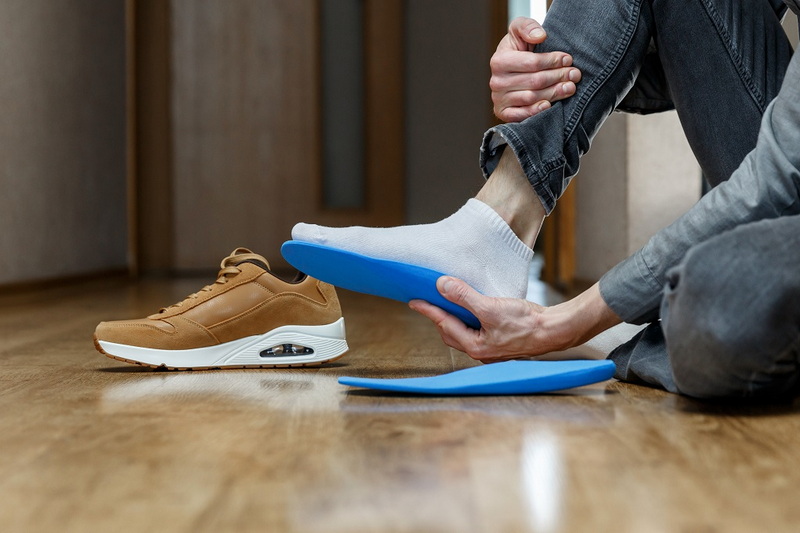
As an OEM manufacturer, we frequently produce insoles that resemble the functional structure of Dr. Scholl products, yet cost a fraction of the retail price. OEM manufacturing allows global brands and private labels to design their own orthotic inserts using similar or superior materials.
| Feature | Dr. Scholl Custom Fit Inserts | OEM Orthotic Inserts |
|---|---|---|
| Retail Price | $45–$70 | $8–$20 (factory price) |
| Design Personalization | Predefined models | Fully customizable designs |
| Branding | Established consumer brand | Private label branding available |
| Cushioning Material | EVA + Gel | EVA, PU, or customized blends |
| Production Origin | US and Asia | Primarily China / OEM bases |
| Performance | Moderate to high | Variable, based on design |
Our factory can precisely adjust parameters such as arch height, hardness, and rebound rate, delivering superior comfort to users with either flat arches or high arches. We commonly use:
- EVA Foam: Lightweight, flexible, and shock-absorbing.
- PU Gel: Provides pressure point relief and stability.
- TPU Arch Shell: Maintains structure and prevents deformation.
- Memory Foam: Adapts to foot shape for added comfort.
Each material contributes to cost efficiency and performance tuning, allowing clients to offer products priced competitively while matching or exceeding branded standards.
Beyond branding, multiple universal factors determine the final retail price of orthotic inserts, whether Dr. Scholl or OEM-produced.
High-quality insoles use resilient foams and engineered compounds that provide shock absorption and long-term elasticity. Cheap inserts, on the other hand, lose support quickly.
Products with multi-layer designs or integrated gel zones require advanced lamination and cutting systems. Consequently, factories with modern equipment can maintain both precision and efficiency.
Larger order volumes allow manufacturers to purchase materials in bulk, significantly reducing the per-unit cost. OEM buyers can leverage this advantage when planning private-label launches.
Advanced brands like Dr. Scholl continuously test new material blends and biomechanics to improve foot alignment and reduce fatigue. This scientific approach increases development cost but also builds consumer trust.
Compliance with safety and performance standards, such as ISO and CE, ensures product reliability but requires strict quality inspection during production.
When businesses understand these pricing factors, they can negotiate strategically and make better OEM sourcing decisions.
The value of Dr. Scholl Custom Fit Orthotic Inserts depends on usage and individual expectations. For occasional wearers who experience mild discomfort, these inserts deliver a well-balanced combination of comfort and brand assurance.
However, for ongoing foot pain or structural issues, they may not serve as a perfect medical solution. Those with flat feet, over-pronation, or heel spurs often benefit from fully customized orthotics crafted via foot scans or 3D modeling.
From a business standpoint, Dr. Scholl products are premium retail offerings, while OEM insoles provide organizations with higher flexibility at a scalable price structure.
Many foreign brands, distributors, and sportswear companies already collaborate with Chinese OEM factories for their insole needs. By choosing an experienced OEM supplier, businesses can achieve consistent quality control, flexible design adjustments, and cost savings.
- Fully Customizable Designs: OEM clients can specify shape, color, hardness, thickness, and materials.
- Brand Independence: Products carry your own logo, packaging, and distribution rights.
- Quick Sampling and Lead Time: Prototypes can be developed within weeks, allowing faster market entry.
- Advanced Technology: CNC molding, hot-press shaping, and precision lamination ensure durability and comfort.
- Scalable Production: From small-batch runs to large orders exceeding tens of thousands of pairs per month.
Collaborating directly with the manufacturer ensures transparency in pricing and greater profit margins for international buyers.
Producing premium insoles involves a series of detailed steps combining material engineering and ergonomic design. Here's how most OEM factories manufacture orthotic inserts similar in structure to Dr. Scholl products:
1. Material Selection: Choosing base layers such as EVA, PU, or latex foam according to hardness specifications.
2. Mold Design: CNC machines or aluminum molds form the basic arch shape.
3. Layer Lamination: Applying adhesives or heat bonding to attach multiple foam or gel layers together.
4. Top Fabric Application: Soft, breathable fabrics like mesh or microfiber enhance comfort and reduce odor.
5. Die Cutting and Trimming: Each insole is precision trimmed to fit shoe sizes accurately.
6. Quality Inspection: Workers test hardness, elasticity, and compression resilience before packaging.
7. Brand Customization: Adding logos, color printing, packaging inserts, and labeling to create final retail products.
Through strict production control, manufacturers can maintain consistent quality at mass scale.
Chinese factories export orthotic insoles to North America, Europe, the Middle East, and Australia, cooperating with fitness brands, orthopedic companies, and online retailers. Depending on buyer requirements, factories offer packaging in blister boxes, eco-friendly bags, or recyclable paper sets.
OEM clients typically select between standard orthotic models and exclusive private designs. A product line may include:
- Flat insoles with arch reinforcement.
- Gel heel pads or heel cups.
- Cushioned athletic insoles for running.
- Anti-fatigue insoles for work boots.
- Breathable insoles with deodorizing layers.
This diversity allows brands to cover different consumer demographics without developing expensive new technologies from scratch.
To illustrate the benefit of OEM sourcing, let's examine a cost scenario.
When you buy a pair of Dr. Scholl Custom Fit Orthotic Inserts at retail value of around $60, you pay primarily for brand and distribution. In contrast, an OEM buyer ordering 5,000 pairs may pay between $9 and $15 per unit, depending on specifications. After adding packaging and import logistics, the total landed cost often remains below $20 per pair—still far below retail pricing.
This cost efficiency not only benefits importers and wholesalers but also helps new e-commerce brands build private product lines under their own label while keeping retail margins high.
Selecting the correct insole depends on user activity, shoe model, and foot condition. Below are general guidelines that customers and brand owners can reference when designing their own product portfolios.
- Daily Wear: Lightweight, breathable EVA or PU foam inserts are ideal for office and casual shoes.
- Running and Sports: Dual-density inserts with gel cushioning for impact absorption.
- Work Boots and Safety Shoes: High-rebound, anti-fatigue insoles with strong arch support.
- Orthopedic Use: Firm TPU arch shells and memory foam layers for posture correction.
- Children or Elderly: Soft, flexible materials to avoid pressure points.
By identifying application-specific requirements early, brands can design insoles that closely match market demands.
In today's global market, sustainability is gaining significant importance. Eco-conscious buyers look for recyclable materials, non-toxic adhesives, and low-emission production. OEM factories are increasingly adopting practices like:
- Using bio-based EVA and recycled PU.
- Installing solar-powered curing systems.
- Minimizing coating waste.
- Implementing fully degradable packaging.
These environmentally friendly approaches not only protect the planet but also help brands enter Western markets with stronger credentials for sustainability compliance.
Although orthotic insoles play a crucial role in comfort and foot alignment, there are a few misconceptions worth clarifying.
1. They don't fix foot problems overnight. Insoles can reduce stress and pain, but long-term correction often requires medical evaluation.
2. Custom fit doesn't always mean medically custom. Dr. Scholl's “custom” refers to product selection, not 3D personal molding.
3. Price doesn't always equal function. High-priced retail brands may offer assurance, but high-quality alternatives exist through OEM channels.
4. Every shoe type requires adjustment. An insert designed for sports shoes may not fit formal shoes properly without trimming.
5. Durability depends on care. Regular cleaning and proper placement extend product life and hygiene.
By understanding these facts, consumers and brands alike can make logical decisions without depending solely on marketing claims.
The answer to How Much Are Dr Scholl Custom Fit Orthotic Inserts? is clear—they generally cost between $45 and $70 per pair, influenced by brand heritage, comfort research, and the convenience of in-store foot mapping. The brand offers comfort and reliability for consumers who value trusted performance.
However, for distributors, footwear brands, and e-commerce sellers, OEM orthotic inserts produced in China present a strategic alternative. They deliver comparable quality, custom design options, and far greater cost efficiency. In a market increasingly focused on comfort and wellness, partnering with the right OEM manufacturer helps companies achieve scalability, innovation, and competitive pricing.
Whether you're an end user seeking comfort or a brand developing your private orthotic line, understanding cost structure and production potential is the key to making smarter purchasing decisions in today's footwear industry.
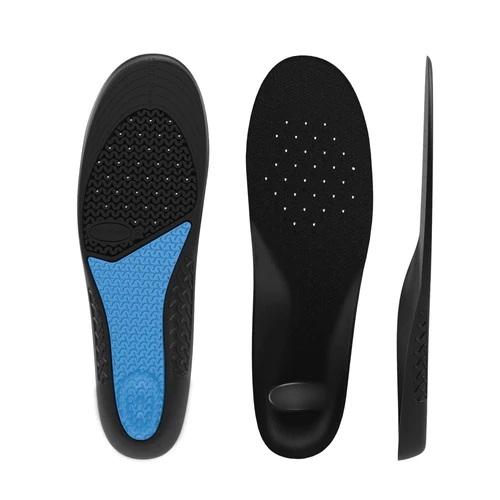
They include multiple layers of foam and gel that distribute pressure evenly, offering arch and heel stability for prolonged comfort.
Not exactly. The inserts are recommended based on a foot scan rather than being molded individually, so they're semi-custom in nature.
Yes. Experienced factories can produce similar or improved models using advanced molding and material technology with private labeling options.
Users should replace them roughly every six to twelve months, depending on activity level and material wear.
They provide flexibility in design, reduced cost, higher profit margins, and full branding control for wholesalers or private-label brands.


