
Views: 222 Author: Amanda Publish Time: 2025-09-10 Origin: Site


Content Menu
● What Are Orthopedic Insoles?
● Factors Affecting the Cost of Orthopedic Insoles
>> Brand and Manufacturer Reputation
>> Intended Use
● Price Ranges of Orthopedic Insoles
● Benefits of Investing in Orthopedic Insoles
● Types of Orthopedic Insoles and Their Applications
● How to Choose the Right Orthopedic Insole
>> Consult a Healthcare Professional
>> Decide on Customization Level
>> Consider Material and Durability
● Proper Care and Maintenance of Orthopedic Insoles
● OEM Services for Orthopedic Insoles
● FAQ About Orthopedic Insoles
>> 1. How long do orthopedic insoles last?
>> 2. Can I wear orthopedic insoles in all types of shoes?
>> 3. Are custom orthopedic insoles more effective than store-bought?
>> 4. How do I know if I need orthopedic insoles?
>> 5. Can orthopedic insoles correct flat feet?
Orthopedic insoles play a vital role in providing foot support, correcting alignment, and relieving pain caused by various foot conditions. For many people suffering from plantar fasciitis, flat feet, or other foot issues, orthopedic insoles are essential for comfort and mobility. But if you are considering purchasing orthopedic insoles, one of the most common questions is: How much do orthopedic insoles cost?
This comprehensive article explores the pricing factors, types, benefits, and purchasing considerations of orthopedic insoles. Throughout, we emphasize the keyword orthopedic insole for SEO optimization without sacrificing the natural flow of the content. Additionally, we provide detailed descriptions and insights to help you make an informed decision when choosing orthopedic insoles, whether for personal use or business sourcing through OEM services.

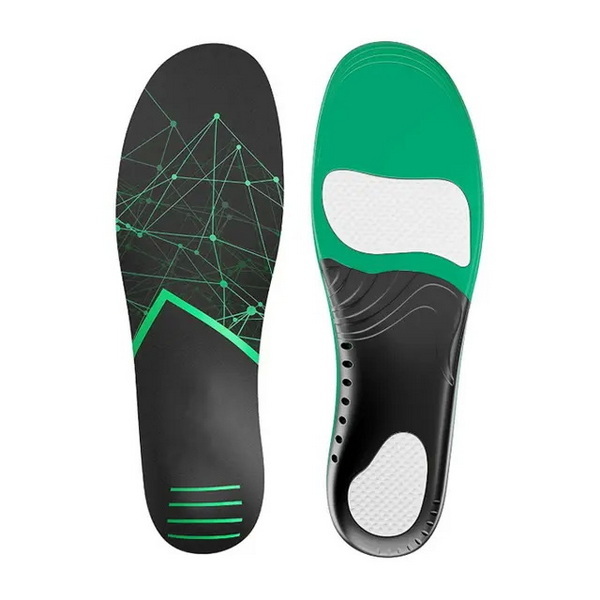
Orthopedic insoles—also known as orthotic insoles or foot orthotics—are specially designed shoe inserts that correct biomechanical foot problems. They support the arches, absorb shock, and redistribute pressure to relieve pain and improve walking posture.
People with conditions such as flat feet, high arches, plantar fasciitis, tendonitis, and arthritis often benefit from customized or over-the-counter orthopedic insoles. These insoles can also prevent injuries and improve comfort during prolonged standing or physical activity.
Orthopedic insoles are not simply about cushioning; they are about structural correction and long-term foot health. By aligning the bones and soft tissues in the feet correctly, these insoles reduce undue stress not only on the feet but also on ankles, knees, hips, and lower back.
The price of orthopedic insoles varies widely depending on several factors that influence their quality, effectiveness, and customization level.
The choice of materials significantly impacts both the comfort and durability of orthopedic insoles. Basic foam or gel insoles are cheaper but may wear out quickly or lose their supportive properties. High-end materials like medical-grade silicone, carbon fiber composites, thermoplastic elastomers, and polyurethane offer enhanced support, shock absorption, and longevity, commanding a higher price.
- Over-the-counter insoles are designed for general corrective support catering to common foot shapes and problems; they are the most affordable option.
- Custom orthopedic insoles involve detailed foot scanning or molding to create a device that perfectly fits the wearer's foot anatomy, providing targeted corrections and maximum comfort. Custom orthotics require more labor and technology, leading to higher costs.
Well-known orthopedic insole brands invest heavily in research, testing, and patented technology. This expertise translates into higher prices but guarantees product reliability and clinical efficacy. On the other hand, lesser-known or generic manufacturers may offer lower prices but with uncertain quality.
Some orthopedic insoles incorporate advanced features such as adjustable arch supports, dynamic cushioning systems, thermal molding capabilities, or antimicrobial coatings. These technological enhancements increase manufacturing complexity and cost.
Insoles designed for sports performance, occupational safety, or medical rehabilitation usually feature specialized construction, additional shock absorption, and durability standards, elevating their price compared to standard daily wear insoles.
Orthopedic insoles come in a broad price spectrum depending on the factors above.
- Basic Over-the-Counter Insoles: Typically priced between $10 and $50, these are pre-made insoles available at pharmacies or general sports stores. They provide moderate arch support and comfort for mild foot problems but lack precise customization.
- Semi-Custom Insoles: These range from $50 to $150 and may offer some degree of personalization based on foot shape categories or customizable features like removable inserts or adjustable arch heights.
- Fully Custom Orthopedic Insoles: These premium insoles can cost anywhere from $150 to $500 or more. They are handmade using a cast or 3D scan of the foot and factor in the user's biomechanics, weight distribution, gait, and specific medical conditions. Healthcare providers often prescribe them.
The choice among these types depends on the severity of foot issues, budget, lifestyle, and whether professional guidance is involved.
Although the price may seem significant, orthopedic insoles offer long-term benefits that justify the investment in many cases.
- Pain Relief: Many users experience rapid and sustained relief from foot, ankle, knee, and lower back pain caused by biomechanical imbalances. Conditions like plantar fasciitis, heel spurs, and arthritis show marked improvement.
- Improved Posture and Gait: Orthopedic insoles help align the lower body properly, improving walking patterns and reducing compensatory strain.
- Reduced Fatigue: Proper support lessens muscle tiredness and discomfort during prolonged standing, walking, or athletic activities.
- Injury Prevention: By stabilizing the foot and absorbing shock, custom orthotics can reduce the risk of repetitive strain injuries in athletes or workers standing long hours.
- Enhanced Mobility and Quality of Life: For many patients, orthopedic insoles restore comfort and function, significantly improving daily activities and overall wellbeing.
These benefits make orthopedic insoles more than just accessories—they are essential medical aids for people with foot dysfunction.

Understanding the types and intended applications can guide buyers toward the right orthopedic insole for their needs.
Made from firm materials like carbon fiber or plastic, these insoles provide maximum support and are used to control abnormal foot motion in conditions like overpronation or supination.
Typical of cushioned gel or foam, soft orthotics absorb shock and relieve pressure points, suitable for patients needing comfort with moderate support.
A blend of flexibility and rigidity, offering support and shock absorption, often chosen for sports injuries or mild foot deformities.
Created using a digital foot scan or plaster cast, these offer the highest level of personalization for complex conditions.
Pre-manufactured and available in various sizes, these are a lower-cost option for minor corrections and preventive support.
Start by identifying whether you require general support, pain relief, or correction for a diagnosed foot condition.
Visiting a podiatrist or orthopedic specialist will provide a professional evaluation and recommendation tailored to your foot mechanics.
If your budget allows and your condition demands precise correction, investing in custom orthopedic insoles is recommended. Otherwise, quality over-the-counter models may suffice.
Choose insoles made from durable and breathable materials to ensure long-lasting comfort and hygiene.
Ensure that the orthopedic insoles fit well into your everyday footwear or specialized shoes such as running shoes, work boots, or dress shoes.
To maximize the lifespan and effectiveness of orthopedic insoles:
- Clean insoles regularly with mild soap and water; avoid harsh chemicals.
- Allow insoles to air dry completely before placing them back into shoes.
- Replace insoles once cushioning or structural support diminishes, typically every 6 to 12 months.
- Rotate insoles between different pairs of shoes if possible to maintain their shape.
- Avoid exposing insoles to extreme heat or direct sunlight that could damage the materials.
Proper maintenance protects your investment and preserves foot health benefits.
For brands, wholesalers, and manufacturers looking to source high-quality orthopedic insoles, OEM (Original Equipment Manufacturer) services provide customized production solutions that meet specific design, material, and branding needs.
China-based orthopedic insole manufacturers are among the most competitive and technologically advanced suppliers on the global market. They offer flexible OEM options including:
- Custom shaping based on supplied foot molds or digital scans
- Choice of premium materials like medical-grade EVA, gel, and carbon fiber
- Logo branding and packaging design tailored to international standards
- Ability to scale production according to buyer volume and deadlines
These capabilities allow overseas brands and distributors to bring trusted orthopedic insole products to their markets with cost-efficiency and consistent quality.
The cost of orthopedic insoles varies widely based on material quality, customization, brand, and intended use. Basic over-the-counter insoles may cost as little as $10, while fully customized orthopedic insoles can exceed $500. Investing in the right orthopedic insole can significantly alleviate pain, enhance mobility, and improve quality of life. Buyers should carefully evaluate their needs, consult specialists, and consider OEM partnerships if sourcing for business. High-quality orthopedic insoles are an excellent investment in long-term foot health, comfort, and functional support.
Orthopedic insoles generally last between 6 months to 2 years depending on usage, material durability, and foot pressure.
Most orthopedic insoles fit into casual shoes, sports shoes, and work boots, but may not be compatible with some dress shoes or high heels.
Yes, custom insoles are designed for precise biomechanical correction and usually provide superior pain relief compared to standard insoles.
Consult a podiatrist if you experience persistent foot, ankle, knee, or lower back pain, or notice abnormal walking posture.
Orthopedic insoles provide arch support to reduce discomfort caused by flat feet but generally do not permanently correct the underlying condition.


