
Views: 222 Author: Edvo Publish Time: 2026-01-11 Origin: Site


Content Menu
● How Orthotic Insoles Help Plantar Fasciitis
● Key Features of Orthofeet Orthotic Insoles
● Biomechanical Benefits for Plantar Fasciitis
● Short-Term Pain Relief and Long-Term Support
● How Orthofeet Insoles Work in Everyday Footwear
● Who Can Benefit Most from Orthofeet Orthotic Insoles?
● How to Choose Orthofeet Insoles for Plantar Fasciitis
● How to Use Orthotic Insoles Effectively
● Care and Lifespan of Orthofeet Plantar Fasciitis Insoles
● Orthotic Insoles vs Other Treatments
● Role of OEM Orthotic Insole Manufacturing
● FAQ
● 1. How do Orthofeet insoles specifically help plantar fasciitis?
>> 2. How long does it take for orthotic insoles to relieve plantar fasciitis pain?
>> 3. Are prefabricated insoles like Orthofeet as effective as custom orthotics?
>> 4. Can orthotic insoles prevent plantar fasciitis from coming back?
>> 5. Should I wear Orthofeet insoles all day if I have plantar fasciitis?
Plantar fasciitis is one of the most common causes of heel and arch pain, especially for people who stand or walk for long hours. Orthotic insoles, including specialized designs from Orthofeet, are widely used to reduce pain, improve foot alignment, and support daily mobility for those with this condition. Understanding how these insoles work helps both consumers and footwear brands choose better footcare solutions.[1][2]
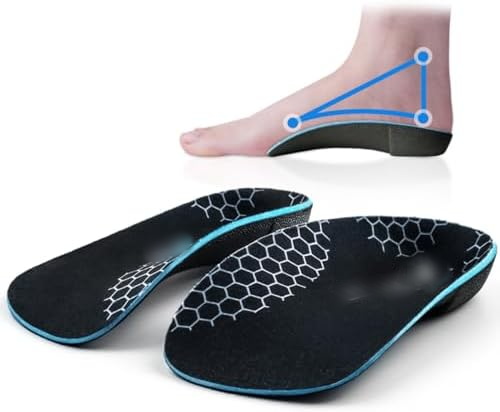
Plantar fasciitis is an inflammation or irritation of the plantar fascia, the thick band of tissue running from the heel to the toes that supports the arch. It typically causes sharp heel pain, especially with the first steps in the morning or after periods of rest. Repetitive strain, poor footwear, weight gain, and biomechanical issues like flat feet or high arches can all contribute to this problem.[3][4][5]
When the plantar fascia is overloaded, microscopic tears can form, leading to pain and stiffness. Over time, this can disrupt normal walking patterns and affect the ankles, knees, hips, and lower back. Many people find relief through a combination of supportive insoles, stretching exercises, and activity modification rather than surgery.[4][6][3]
Orthotic insoles are designed to support the arch, cradle the heel, and redistribute pressure across the bottom of the foot. By limiting excessive pronation and keeping the arch from collapsing, they reduce tension on the plantar fascia ligament. This mechanical support can decrease pain and make every step more comfortable.[7][8]
For plantar fasciitis, effective insoles usually combine firm arch support with cushioning in the heel and forefoot. Firm support helps control motion and alignment, while cushioning absorbs shock from walking and standing on hard surfaces. Clinical studies indicate that both custom and prefabricated orthotics can reduce pain and improve function within one to three months for adults with plantar fasciitis.[2][8][6][4]
Orthofeet orthotic insoles are specifically engineered to relieve heel and arch pain associated with plantar fasciitis and other common foot issues. They use reinforced arch support to alleviate pressure on the plantar fascia, reducing strain with every step. This design helps stabilize the heel bone and maintain more natural foot alignment.[1][2]
These insoles combine a contoured footbed with a cushioned heel pad and shock-absorbing foam. The cushioned heel area helps absorb impact, while the foam layers provide long-lasting comfort for people who stand or walk for extended periods. Many Orthofeet insoles are also shaped to cradle the foot and enhance overall stability, making them suitable for a wide range of lifestyles and shoe types.[9][10][2]
Orthotic insoles address plantar fasciitis by correcting underlying biomechanical problems such as overpronation, flat feet, or excessively high arches. By guiding the foot into a more neutral position, they reduce abnormal stretching of the plantar fascia and help distribute body weight more evenly. This reduces localized pressure under the heel and arch.[8][7]
Supporting the arch also helps improve overall posture and lower-limb alignment. When the feet are better aligned, the ankles, knees, and hips experience less rotational stress, which can ease secondary discomfort in these joints. For many wearers, this combination of arch control and shock absorption leads to more stable, efficient walking mechanics.[2][8]
Evidence suggests that orthotic insoles can provide noticeable pain relief from plantar fasciitis within weeks, especially when combined with stretching and activity changes. Studies show that both custom and prefabricated orthotics reduce pain and improve function with minimal side effects. Total-contact designs that closely match the foot's shape appear especially effective for reducing plantar pressure and discomfort.[11][12][3][4]
However, orthotics are not an instant cure. The plantar fascia needs time to heal, and the body must adapt to the new support pattern. Consistent use of appropriate insoles, gradual break-in, and proper footwear selection help maximize long-term benefits. Many people find that continued use of supportive insoles also helps prevent recurrence once the initial pain has eased.[5][3][4]
Orthofeet insoles are designed to fit a wide variety of shoes, including sneakers, walking shoes, boots, and some casual styles. This flexibility allows users to enjoy similar support throughout the day without changing their entire footwear wardrobe. The slim yet supportive profiles make it easier to insert them into everyday shoes while preserving toe room and comfort.[1][2]
They typically feature contoured arches, deep heel cups, and shock-absorbing bases. The deep heel cup helps center the heel and reduce side-to-side movement, which is important for reducing plantar fasciitis strain and heel pain. For people with different lifestyles—such as office work, active walking, or light sports—different Orthofeet models can be chosen to match cushioning level and support needs.[13][10][2]
People who suffer from chronic heel pain, arch pain, or diagnosed plantar fasciitis are primary candidates for Orthofeet orthotic insoles. Those with flat feet, overpronation, or high arches can also benefit significantly from the reinforced arch support and cushioning. For these users, improved alignment often translates into fewer flare-ups and more comfortable daily walking.[7][8]
Individuals who spend long hours on hard floors—such as workers in retail, warehousing, education, or healthcare—are also likely to see benefits. Continuous shock absorption and stable heel positioning can reduce fatigue and help prevent microtrauma to the plantar fascia ligament. Older adults or those with sensitive feet may appreciate the combination of soft cushioning and firm structural support.[3][2]
Selecting the right Orthofeet insole starts with understanding your arch type and main pain points. People with flat or low arches generally need stronger arch support to control overpronation and reduce plantar fascia strain. Those with high arches often require a combination of higher arch profiles and additional forefoot cushioning to spread pressure more evenly.[5][2][7]
Shoe type and daily activity also matter. For athletic or walking shoes, more cushioned sport-style orthotics may be preferred, while everyday casual shoes can pair well with slightly slimmer yet supportive insoles. Always ensure the insole size matches the shoe size, trimming only along the forefoot area if necessary to achieve a secure, flat fit inside the shoe.[13][8][2]
When starting with Orthofeet or other orthotic insoles, it is best to increase wear time gradually. Begin with one to two hours per day, then extend usage as the feet adapt, especially if the arch support is firmer than what you previously used. Mild initial discomfort can be normal as your muscles and ligaments adjust to the new alignment.[3][5]
Make sure the insoles lie flat inside the shoes without buckling. In shoes with removable factory insoles, remove the original footbed before inserting the orthotic for proper volume and fit. If pain worsens significantly or persists, consulting a medical professional such as a podiatrist or orthopedic specialist is important to confirm the diagnosis and adjust treatment.[6][8][4][2]
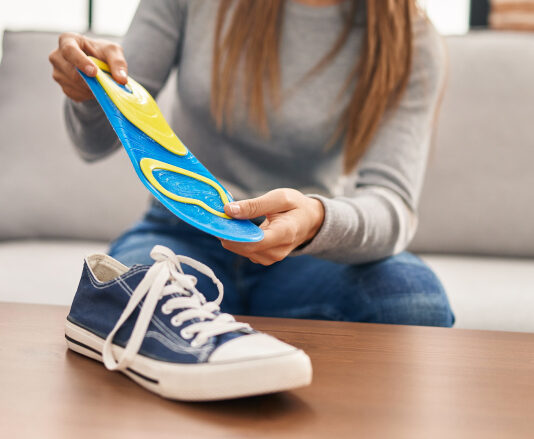
Proper care extends the lifespan and performance of orthotic insoles. Most insoles can be cleaned using a damp cloth with mild soap, then air-dried completely before use to prevent odor or material damage. Avoid machine washing or high heat, which can deform foam layers or adhesives.[2][5]
Over time, even high-quality insoles compress and lose some cushioning and support. Many users replace everyday orthotic insoles every six to twelve months depending on weight, activity level, and usage hours. Signs that replacement is needed include visible flattening, cracks, loss of resilience, or a return of heel or arch pain that was previously controlled.[8][2]
Orthotic insoles are usually part of a broader, conservative treatment plan for plantar fasciitis. Other common approaches include stretching the calf and plantar fascia, using ice, adjusting activities, and sometimes short-term anti-inflammatory medication. For many patients, orthotics combined with stretching provide better results than either method alone.[4][3]
Some studies suggest that custom orthotics, prefabricated orthotics, and certain physical therapy programs each offer modest improvements in pain and function for plantar fasciitis. Orthotics are favored because they are non-invasive, low risk, and relatively cost-effective compared with injections or surgery. Prefabricated designs like Orthofeet insoles provide a practical balance between performance and affordability.[6][4][5]
Brands, wholesalers, and footwear producers that serve customers with plantar fasciitis often partner with specialized OEM orthotic insole manufacturers. These manufacturers can customize arch profiles, heel cushioning, top covers, and density combinations to match different market needs and price points. Such customization allows brands to offer plantar fasciitis–friendly footwear with integrated or removable support solutions.
Working with a professional OEM supplier also ensures consistent quality and repeatable performance, which is important when targeting consumers who depend on orthotic-level support. International buyers can specify biomechanical requirements, materials, and testing standards to align products with medical recommendations and consumer expectations in their key markets.
Orthotic insoles play a crucial role in relieving plantar fasciitis by supporting the arch, stabilizing the heel, and reducing stress on the plantar fascia ligament. Designs from Orthofeet incorporate enhanced arch support, cushioned heel pads, and shock-absorbing foam that help control foot motion and cushion impact, making them a strong option for people with heel and arch pain. Clinical research supports the use of orthotics—both custom and prefabricated—as an effective, low-risk component of conservative treatment plans for plantar fasciitis. Whether you are an individual user or a brand sourcing from OEM factories, choosing well-designed plantar fasciitis insoles can greatly improve comfort, mobility, and long-term foot health.[7][8][4][6][1][2]
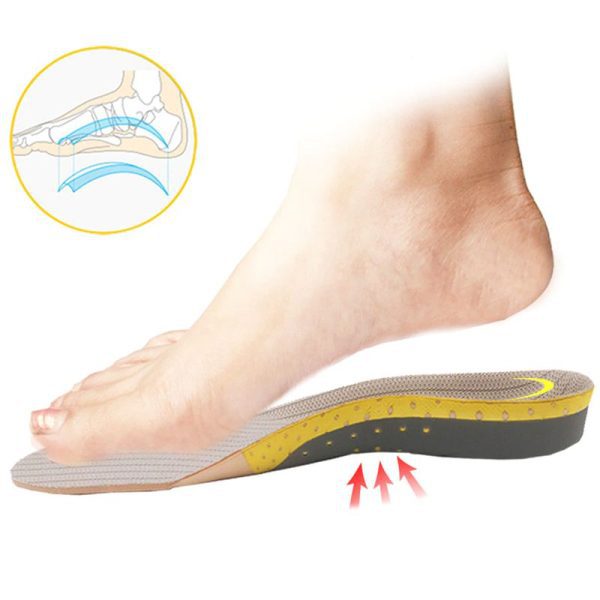
Orthofeet insoles use reinforced arch support and a deep heel cup to reduce tension on the plantar fascia and control excessive pronation, two major contributors to plantar fasciitis pain. Their cushioned heel pad and shock-absorbing foam layers help reduce impact with every step, offering both immediate and long-lasting comfort for many users.[9][1][2]
Many people notice some improvement within a few weeks of consistent use, especially when insoles are combined with stretching and activity modification. Clinical evidence indicates that orthotics often reduce pain and improve function within one to three months for adults with plantar fasciitis.[4][6][5][3]
Research shows that both prefabricated and custom orthotics can effectively reduce pain and improve function, with prefabricated options often performing similarly to more expensive custom devices in the short term. Prefabricated insoles like Orthofeet provide a cost-effective solution for many users, while custom orthotics may be better for complex or persistent cases.[11][5][4]
Supportive insoles can help prevent recurrence by improving arch support, controlling excessive foot motion, and reducing repetitive stress on the plantar fascia. When combined with proper footwear, body weight management, and stretching, orthotic insoles contribute to long-term foot health and fewer flare-ups.[5][3][4]
It is usually recommended to build up wear time gradually, then transition to using the insoles during most weight-bearing activities for consistent support. Wearing orthotic insoles in all main pairs of shoes—such as work shoes and everyday walking shoes—helps maintain alignment and reduce strain on the plantar fascia throughout the day.[8][2][3][5]
[1](https://www.orthofeet.com/collections/insoles-for-plantar-fasciitis)
[2](https://www.orthofeet.com/collections/insoles)
[3](https://southislandphysio.ca/news/orthotics-and-insoles-plantar-fasciitis/)
[4](https://pmc.ncbi.nlm.nih.gov/articles/PMC4742336/)
[5](https://www.exakthealth.com/en-US/blog/orthotics-insoles-for-plantar-fasciitis)
[6](https://jamanetwork.com/journals/jamainternalmedicine/fullarticle/410537)
[7](https://treadlabs.com/blogs/insoles-reach-your-stride/plantar-fasciitis-insoles-orthotics-inserts-medically-proven-pain-relief)
[8](https://powerstep.com/collections/arch-pain-plantar-fasciitis)
[9](https://www.orthofeet.com/pages/most-comfortable-shoes-for-plantar-fasciitis)
[10](https://www.orthofeet.com/collections/plantar-fasciitis-shoes-for-women)
[11](https://www.revesppod.com/effect-of-custom-rigid-insoles-in-compressive-plantar-heel-pain-a-prospective-case-series528)
[12](https://pmc.ncbi.nlm.nih.gov/articles/PMC9695781/)
[13](https://www.orthofeet.com/products/biosole-gel-sport-mens-orthotics)
[14](https://www.orthofeet.com/products/ofg-womens-orthotic-insoles)
[15](https://www.orthofeet.com/products/womens-3-4-insoles-1)


