
Language
Views: 222 Author: Edvo Publish Time: 2025-11-29 Origin: Site


Content Menu
● What Are Skechers Memory Foam Insoles?
● When Should You Replace Skechers Memory Foam Insoles?
● Benefits Of Memory Foam Insoles
● Tools And Materials You Will Need
● Step 1: Check If The Insoles Are Removable Or Glued
● Step 2: Remove Non-Glued Skechers Memory Foam Insoles
● Step 3: Safely Remove Glued Skechers Memory Foam Insoles
● Step 4: Clean And Prepare The Shoe Interior
● Step 5: Choose The Right Replacement Insoles
● Step 6: Understand Your Foot Type Before Upgrading
● Step 7: Use The Old Insoles As Trimming Templates
● Step 8: Insert The New Insoles And Check The Fit
● Step 9: Break In Your New Memory Foam Insoles Gradually
● Step 10: Care Tips To Extend Insole Lifespan
● Why Regular Insole Replacement Matters For OEM Brands
● FAQ
>> 1. Are Skechers Memory Foam Insoles Removable?
>> 2. How Do I Remove Glued Skechers Memory Foam Insoles Safely?
>> 3. How Do I Trim Replacement Insoles To Fit My Skechers?
>> 4. How Often Should I Replace Skechers Memory Foam Insoles?
>> 5. Can I Use Third‑Party Insoles Instead Of Original Skechers Memory Foam?
Replacing Skechers memory foam insoles is a simple way to refresh cushioning, improve support, and extend the usable life of your favorite shoes without buying a new pair. Memory foam footbeds gradually compress with daily wear, so changing them on time helps maintain comfort and protect your joints from excess impact.
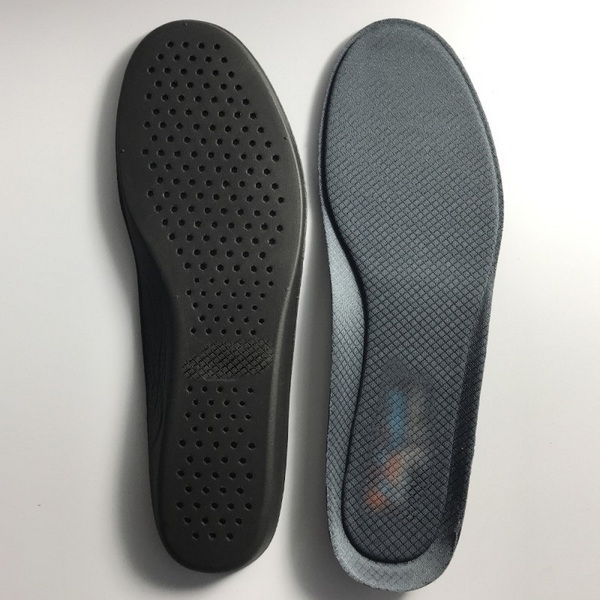
Skechers memory foam insoles are soft foam footbeds designed to mold to the shape of your feet and distribute pressure more evenly across the sole. Many versions use enhanced “air‑cooled” constructions that combine memory foam with breathable layers to reduce heat and moisture inside the shoe.
This contouring effect helps relieve pressure on high‑stress areas like heels and forefeet, which can reduce fatigue during long days of walking or standing. Because the foam remembers your foot shape, it offers more personalized cushioning than a flat, generic insert.
Memory foam insoles usually need replacing when they look flat, feel hard underfoot, or stay uncomfortable even after resting the shoes for a day. Persistent odor, visible cracks, or deep, permanent impressions in the foam are clear signs that the insoles are worn out.
For typical everyday use, many foot‑care sources suggest changing cushioned insoles roughly every six to twelve months, depending on body weight, activity level, and surfaces walked on. If you stand on hard floors for long shifts, run frequently, or are heavier, replacement every three to six months can better maintain comfort and support.
Well‑designed memory foam insoles offer instant cushioning, which can reduce soreness after long periods of standing or walking. By absorbing part of the shock each time your foot hits the ground, they help protect heels, arches, knees, and lower back from repetitive stress.
Because the foam conforms to your foot shape, it helps redistribute pressure away from “hot spots” under the heel and ball of the foot. Better pressure distribution and alignment can support healthier posture and reduce the risk of pain associated with conditions like plantar fasciitis or metatarsalgia.
Before you start, prepare your shoes and a small workspace so you can work slowly and carefully. Basic tools and materials include the following items.
- Your Skechers shoes with the original memory foam insoles inside.
- Replacement insoles in your size range, either memory foam or a more supportive style depending on your needs.
- A pair of sharp scissors for trimming full‑length replacement insoles to the exact outline of the originals.
- A hair dryer if your original insoles are glued and difficult to remove from the shoe.
- Mild soap, cloth, or a shoe-safe deodorizing spray to clean and freshen the interior once the old insoles are removed.
Different Skechers models handle insoles differently, so begin by checking whether the footbeds are loose or bonded. Loosen the laces, open the shoe fully, and gently try to lift the insole at the heel with your fingers.
If the edge comes up easily and the insole slides without much resistance, it is likely just sitting in the shoe without strong adhesive. If you feel tugging, see glue, or the foam tears as you lift, the insoles are at least partly glued and will need a more careful removal process.
Non‑glued insoles are straightforward to remove. Grip the heel portion, lift it slightly, and slowly pull the insole toward the toe in one smooth motion, keeping it as flat as you can so it does not crease.
Try not to twist or bend the foam more than necessary, because you will use this original insole as a trimming template for the replacement. Once both insoles are out, examine them for flattened areas, tears, and deep foot impressions to confirm that replacement is overdue.
Glued insoles require more patience. A common method is to use gentle heat to soften the adhesive so the foam can peel away more easily.
Use these basic steps for glued insoles:
1. Loosen the laces and pull the tongue as far forward as possible so you can see into the shoe.
2. Use a hair dryer on a warm or high setting and direct the air into the shoe for about twenty to thirty seconds to warm the insole and glue.
3. Starting at the heel, slide your fingers or a blunt plastic tool under the insole edge and begin lifting very slowly.
4. Peel gradually toward the toe, stopping and reheating briefly whenever the foam resists or you hear tearing.
Take your time so you keep the insole in the best possible condition, even if it is worn, because its shape will guide you when trimming your new replacement. If the insole breaks into pieces, you can still place the fragments together on a table to rebuild the original outline.
Once the old memory foam insoles are out, check the shoe interior for dust, sand, or small stones that may have been trapped under the footbed. Wipe the inside gently with a dry or slightly damp cloth to remove loose debris.
If odor is a concern, apply a light amount of shoe-safe cleaner or disinfectant spray and let the shoes dry completely in a cool, ventilated space. Keeping the interior dry and clean improves hygiene and helps your new insoles stay fresh for longer.
You can replace Skechers memory foam insoles with similar soft foam or upgrade to more structured insoles, depending on your comfort needs. People who enjoy a plush feel usually select full‑length memory foam inserts, while those with foot pain or alignment issues may prefer models with built‑in arch and heel support.
Pay attention to three key aspects when choosing replacements:
- Size: Select insoles that match or slightly exceed your shoe size so they can be trimmed to fit precisely from heel to toe.
- Thickness and volume: Very thick insoles can make the shoe too tight, especially over the instep, so choose a thickness similar to the original memory foam.
- Foot type and arch height: Flat feet, medium arches, and high arches benefit from different levels of support. Matching insole arch height to your foot shape helps maintain natural alignment and comfort.
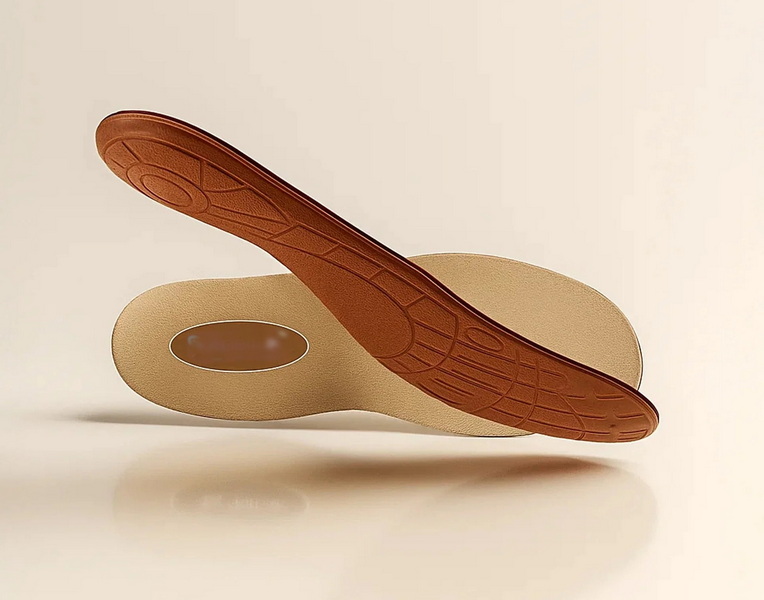
Knowing whether you have flat, neutral, or high arches helps you decide if you should keep soft memory foam or switch to a more supportive insert. A quick way is the simple “wet footprint” test, where a wet print on a flat surface shows how much of the mid‑foot touches the ground.
People with flat or very low arches often need insoles that stabilize the heel and limit excessive inward rolling of the foot. Those with high arches may be more comfortable in inserts that offer full‑length arch support with enough cushioning so the heel and forefoot do not carry all the pressure.
Most full‑length replacement insoles are intentionally a bit oversized so they can be trimmed to match different shoe shapes precisely. Using your original Skechers memory foam footbeds as patterns ensures the new insert fits the shoe interior closely.
Place the new insole upside down on a flat surface, then put the original insole upside down on top, aligning the heels carefully so they match at the back. Trace around the old insole with a pen or marker, focusing on the forefoot and toe region where most trimming occurs.
Cut along the traced line with sharp scissors, staying slightly inside the line to avoid making the new insole too big. Always trim small amounts and test the fit inside the shoe, repeating until the insert lies flat and does not buckle or bunch near the toe.
After trimming, slide the new insole into the shoe by inserting the toe end first and then pressing the heel down firmly. Run your fingers along the edges inside the shoe to ensure there are no folds, humps, or gaps between the insole and the shoe bottom.
Stand up and walk indoors for a few minutes to test the fit. The shoe should feel snug but not tight, with your heel cupped securely and your toes free to move without pressing painfully against the front. If the toe area feels cramped, remove the insole and trim a very small amount from the front before testing again.
If you want the new insole to be semi‑permanent, you can apply a small amount of flexible shoe adhesive under the heel and midfoot to reduce sliding. However, many trim‑to‑fit insoles stay in place well without glue as long as they are sized correctly.
Even soft memory foam insoles can feel different from your old, compressed pair. To avoid discomfort, break in your new insoles gradually rather than wearing them all day from the first moment.
For the first few days, wear the shoes with the new insoles for shorter periods, such as a few hours at home or during light activities. Gradually increase the time as your feet adapt to the new cushioning and, if applicable, the updated arch support.
Pay attention to any new pressure points or rubbing. Mild adjustment is normal, but persistent pain in specific areas may mean the insole is the wrong size, trimmed incorrectly, or not suited to your arch type.
Good care helps memory foam insoles stay comfortable and hygienic for as long as possible. Remove the insoles periodically to let them air out, especially after a long, sweaty day, and avoid leaving shoes in very hot or damp environments.
Clean insoles regularly using mild soap and lukewarm water, wiping them with a soft cloth rather than soaking them completely. Allow them to air dry naturally in a shaded, ventilated place, since strong heat can damage foam and adhesives.
Rotating between two pairs of shoes, or even two sets of insoles, lets the foam recover fully between wears. This practice can slow down permanent compression and keep the cushioning comfortable for a longer period.
For footwear brands and OEM customers, insole performance is a key part of the wearing experience. High‑quality memory foam insoles that are easy to remove and replace give end users a simple way to refresh comfort without abandoning a shoe they already love.
As a professional Chinese insole manufacturer serving overseas brands, wholesalers, and producers, you can design replacement memory foam insoles that match or upgrade the feel of popular Skechers‑style shoes. Offering compatible replacements or upsell insole packs helps your partners increase repeat sales, strengthen brand loyalty, and present a more professional after‑sales service system.
Changing Skechers memory foam insoles is a straightforward process that can dramatically improve comfort, hygiene, and support in shoes that still look good on the outside. By checking whether the original insoles are glued, removing them carefully, using them as trimming templates, and installing well‑chosen replacements, users can restore a cushioned, supportive feel in just a few simple steps.
When brands and OEM partners provide high‑quality replacement memory foam insoles, they give customers an easy way to keep their footwear comfortable for longer while showcasing the value of professional insole design. With the right replacement schedule and basic care, memory foam insoles remain an affordable, effective tool for better foot health and a more pleasant walking experience.
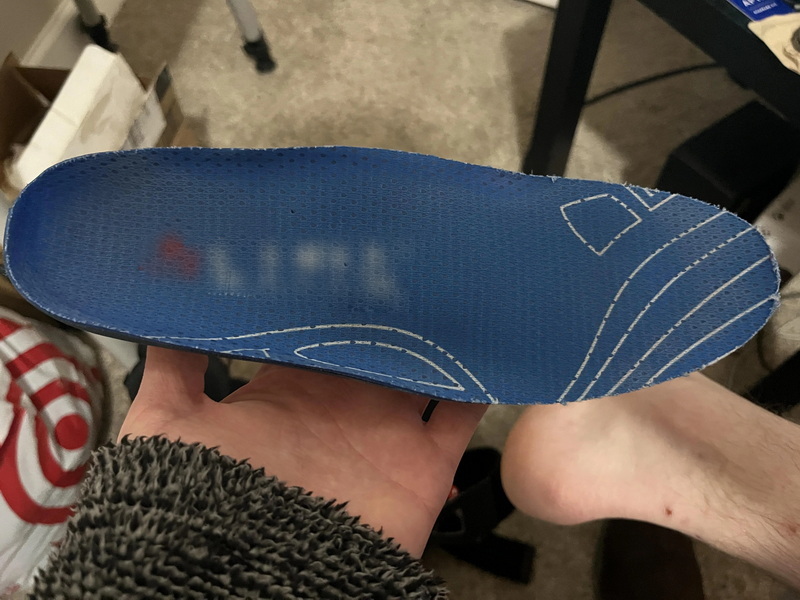
Many Skechers models use removable memory foam insoles that can be lifted out by hand from the heel and slid toward the toe. Some versions are lightly glued, but these can still be removed carefully with gentle heat and slow peeling.
Open the shoe fully, then warm the insole and glue with a hair dryer for a short period to soften the adhesive. Start lifting from the heel and peel toward the toe slowly, reheating if the foam resists so you avoid tearing the insole or damaging the shoe interior.[22][20]
Use your original Skechers memory foam insole as a pattern by laying it on top of the new insole and tracing the outline. Cut along the traced line with sharp scissors, test the fit inside the shoe, and trim small amounts from the toe area until the new insole lies flat without buckling.
For casual daily wear, many users should plan to replace memory foam insoles about every six to twelve months as the foam compresses and loses bounce. Heavy users, such as people who stand all day on hard floors or exercise frequently, may benefit from new insoles every three to six months to maintain cushioning and hygiene.
You can use third‑party insoles as long as they match your shoe size, thickness needs, and arch type. Many people choose aftermarket memory foam or support insoles to customize cushioning and alignment while following the same removal, trimming, and installation process used for original inserts.[10][15][5]


