
Views: 222 Author: Edvo Publish Time: 2026-01-11 Origin: Site


Content Menu
● Understanding What Orthotic Insoles Do
>> Key Benefits of Orthotic Insoles
● Step 1: Identify Your Foot Type
>> Normal Arch
>> High Arch
● Step 2: Determine the Purpose of Use
>> Heavy-Duty or Industrial Work
● Step 3: Choose the Right Material
● Step 4: Consider Fit and Sizing
● Step 5: Understand Your Foot Conditions
>> Overpronation or Supination
>> Heel Spurs
>> Flat Feet
● Step 6: Evaluate Insole Design Features
>> Flex Grooves
● Step 7: Prioritize Quality and Certification
● Step 8: Assess Durability and Maintenance
● Step 9: Consider Customization for OEM and Brand Solutions
● Step 10: Pay Attention to Footwear Compatibility
>> Sports Shoes
>> Dress Shoes
>> Work Boots
● Step 11: Explore New Trends in Orthotic Design
● Step 12: Choose the Right Manufacturer
● FAQ
>> 1. What is the difference between custom and over-the-counter orthotic insoles?
>> 2. How often should I replace my orthotic insoles?
>> 3. Can orthotic insoles fit inside any shoe?
>> 4. Do orthotic insoles help with back or knee pain?
>> 5. How do I verify the quality of an OEM orthotic insole supplier?
Selecting the right orthotic insole is not just a matter of comfort — it's a crucial factor that directly influences foot health, body posture, and long-term performance. For individuals, it brings relief and support. For global brands and wholesalers sourcing from experienced manufacturers, it determines market competitiveness and end-user satisfaction.
As a leading Chinese orthotic insole manufacturer, we understand the details that separate good insoles from exceptional ones. This guide explores the science, design, and real-world considerations behind choosing the perfect orthotic insole — whether you're an individual buyer, retailer, or OEM partner.
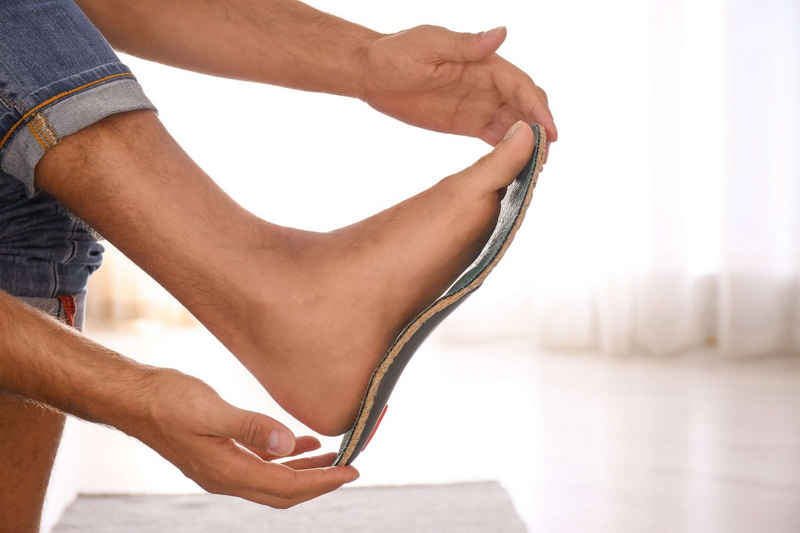
Orthotic insoles are ergonomically designed inserts that go inside shoes to support and align the feet properly. They act as a foundation for the entire body, correcting imbalance, reducing fatigue, and absorbing shock from walking or running.
When properly selected, they do far more than cushion the foot — they stabilize the arch, distribute weight evenly, and prevent strain on joints from the ankles up to the spine. By guiding proper biomechanics, they help users maintain healthier posture and movement efficiency.
- Improve body alignment by balancing the relationship between the feet, legs, and back.
- Enhance athletic performance with better energy return during motion.
- Reduce muscle fatigue during prolonged standing or walking.
- Prevent repetitive injuries such as shin splints, knee pain, or Achilles tendon strain.
- Aid rehabilitation for post-surgery patients or individuals recovering from sports injuries.
One of the most critical steps in choosing an orthotic insole is understanding your foot structure. The wrong insole can worsen existing discomfort, while the correct one can transform the way you move.
When arches collapse or fail to form fully, feet overpronate — rolling inward with each step. Insoles designed for flat feet should have firm arch support, deep heel cups, and medial posting to restore balance and relieve stress on the arches and ankles.
A normal arch indicates a balanced foot structure. People in this category benefit from semi-rigid orthotics that provide both cushioning and stabilization. The goal is to maintain support rather than correct alignment.
High-arched feet tend to underpronate, meaning they don't roll inward enough to absorb shock. Cushioned orthotics with soft layers under the ball and heel reduce pressure points and enhance flexibility during motion.
Not all insoles serve the same functions. Understanding your usage scenario helps narrow down the most suitable type.
For office workers or people who stand all day, lightweight and breathable insoles with moderate arch support work best. They relieve pressure without making shoes feel too tight.
Athletic insoles emphasize shock absorption and heel stability. Runners, basketball players, and hikers should look for models with high rebound EVA or gel construction to reduce strain from repeated impact.
Medical-grade orthotic insoles address specific foot disorders like bunions, heel spurs, or plantar fasciitis. These products often integrate therapeutic design elements and comply with strict certification standards. Hospitals and podiatrists often collaborate with OEM manufacturers to develop specialized orthotics.
For laborers and factory professionals, durability outweighs flexibility. Workers need insoles made from PU or rubberized foam with anti-slip texture and reinforced heel support. Long-lasting materials prevent fatigue during extended shifts.
An orthotic insole's performance depends largely on the materials used in its construction. Different materials cater to various durability, elasticity, and cushioning needs.
| Material Type | Features | Ideal Applications |
|---|---|---|
| EVA Foam | Lightweight, flexible, provides basic shock absorption | Sneakers, everyday shoes |
| PU (Polyurethane) | Long-lasting, dense, excellent stability | Work and safety boots |
| Gel | Absorbs shock, ideal for heel and forefoot comfort | Athletic or comfort footwear |
| Memory Foam | Contours to the foot, enhances pressure relief | Walking shoes, everyday comfort |
| Cork | Naturally molds to foot, eco-friendly | Custom-fit orthopedic insoles |
| Carbon Fiber | Very strong yet ultralight | Professional sports applications |
Manufacturers often blend materials to balance support and softness. For example, a PU base with a gel heel cushion and breathable top fabric provides both structure and plush comfort. When ordering OEM insoles, brands frequently specify a combination suited to their target customers' market and footwear category.
A well-engineered insole is ineffective without the right fit. Comfort and performance rely on accurate sizing and placement.
- Match the insole size to the shoe's interior — neither too tight nor too loose.
- For precise fitting, pick insoles corresponding to your shoe's numerical size.
- Some products come with trim-to-fit lines; cut carefully along marked edges for fine adjustment.
- Test by walking — both the heel and arch should remain stable without sliding.
International buyers should note regional sizing differences. Manufacturers exporting to Europe or North America often produce multiple size codes to fit international standards.
Each person's feet function differently. Certain medical or structural conditions require targeted support that generic insoles cannot provide.
Pain results from inflammation of the tissue connecting the heel bone to the toes. Firm arch support and cushioned heel pads help absorb shock and relieve tension.
Unbalanced foot rolling can lead to worn shoes and ankle pain. Supportive orthotics guide the heel and arch into a natural position, distributing weight evenly across both feet.
Soft cushioning beneath the heel minimizes pressure and prevents bone irritation.
Supportive insoles rebuild arch contour and promote better gait mechanics, decreasing strain on knees and lower back.
Orthotics with targeted forefoot padding reduce stress on the ball of the foot and distribute pressure more evenly.
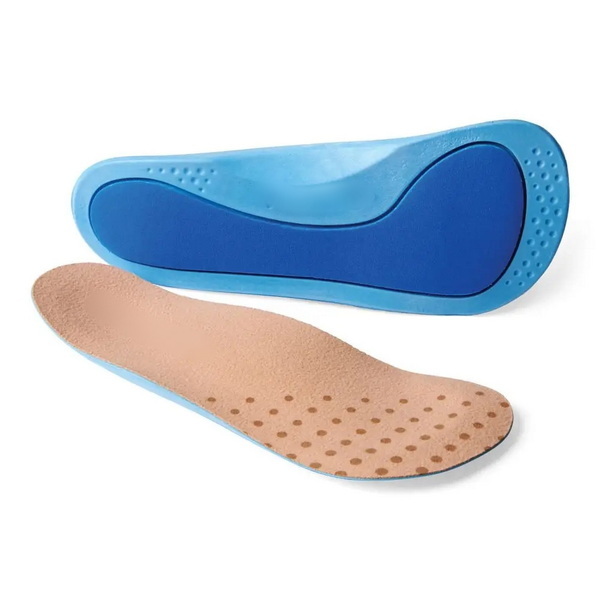
Modern orthotic insoles incorporate advanced design technologies that blend medical science and material engineering.
A combination of layers allows customized support. Base layers provide stability, while upper layers add comfort and softness.
Encases the heel for optimal alignment, especially useful in controlling overpronation.
Mesh or moisture-wicking fabrics maintain a dry environment and control odors during extended wear.
Coatings such as silver ions or activated bamboo charcoal eliminate bacteria, ideal for humid climates or long-use scenarios.
Strategically placed channels improve flexibility and natural foot bending during walking or running.
For both end-users and brand developers, quality assurance is a mark of trust. Manufacturers should adhere to recognized global standards to guarantee consistency, comfort, and safety.
- ISO Quality Systems: Ensure production uniformity and professional management.
- CE Certification: Validates compliance for medical and orthopedic markets within Europe.
- REACH Standards: Restricts hazardous substances, ensuring environmental safety.
- FDA Registration: Demonstrates compliance with medical device regulations for the U.S. market.
When sourcing from an OEM, always request documentation and conduct performance testing to verify durability and cushioning levels under various loads.
An orthotic insole's value lies not just in initial comfort but in how long it retains that performance. Most insoles maintain structural integrity for six months to a year under normal conditions.
- Remove insoles regularly to air dry and prevent odor buildup.
- Hand wash using mild detergent and water.
- Do not expose to heat sources like dryers to avoid shape distortion.
- Replace once material compression or cracks become visible.
Proper maintenance extends product life — a key consideration for brands that provide reusable or modular insole systems in athletic footwear lines.
Customization is the main driver for modern insole manufacturing. As footwear brands expand into specialized markets, demand grows for tailored shapes, designs, and branded packaging.
- Materials: Memory foam, cork, eco-plastic, and recycled rubber options.
- Design: Adjustable arch height, bionic structure, or ergonomic curvature.
- Logo and Branding: Hot-stamped, printed, or embossed according to client requirements.
- Packaging: Sustainable cardboard or individual blister packaging for retail display.
Collaborating with experienced Chinese manufacturers ensures a complete production chain — from mold design and prototyping to volume production, testing, and global shipping. This level of integration lowers manufacturing costs while maintaining consistent quality for international distribution.
Not every orthotic fits every type of shoe. Different footwear categories require unique shapes and profiles.
Require full-length, shock-absorbing insoles to support high-intensity impacts. Breathable materials are essential for ventilation.
Demand slim-fit or ¾-length insoles that don't alter shoe volume. Soft leather or low-profile options maintain elegance and comfort.
Need rugged materials and reinforced heels for durability. Anti-fatigue technology improves comfort during extended wear.
Flexible insoles with soft foam layers are ideal for day-long use.
Understanding footwear compatibility helps end-users experience maximum comfort without compromising the shoe's internal structure.
Insole manufacturing is constantly evolving, driven by materials innovation and ergonomic research.
Sensors embedded within insoles track steps, balance, and gait patterns — useful for athletes and rehabilitation.
Recycled EVA, cork, and biodegradable foams appeal to environmentally conscious consumers.
Offer precision fit based on digital scans, enabling perfect alignment and reduced production waste.
Allow users to adjust support intensity in different foot zones with detachable pads or inserts.
For brands seeking to expand beyond traditional markets, adopting these innovations provides differentiation and a strong marketing edge.
Behind every successful product lies a reliable manufacturer. A competent supplier provides not just production, but also design expertise and after-sales support.
When evaluating manufacturers, consider:
- Experience: Years in insole production and familiarity with global export requirements.
- Technical Capability: Access to R&D teams and in-house testing laboratories.
- Production Capacity: Ability to handle bulk orders within deadlines.
- Communication and Service: Responsive teams that understand brand goals.
Partnering with a dedicated Chinese OEM factory ensures control over materials, cost, customization, and delivery timelines — essential for scaling business operations internationally.
Choosing the right orthotic insole combines personal comfort, biomechanical performance, and product design integrity. Whether for individual relief or mass-market production, success depends on identifying correct arch support, selecting suitable materials, and ensuring precision in fit and quality.
For individuals, the ideal orthotic transforms daily comfort, preventing pain and improving posture. For brands, a partnership with an established manufacturer ensures quality consistency, market adaptability, and competitive differentiation. A well-chosen insole is more than an accessory — it's the foundation of every step we take.
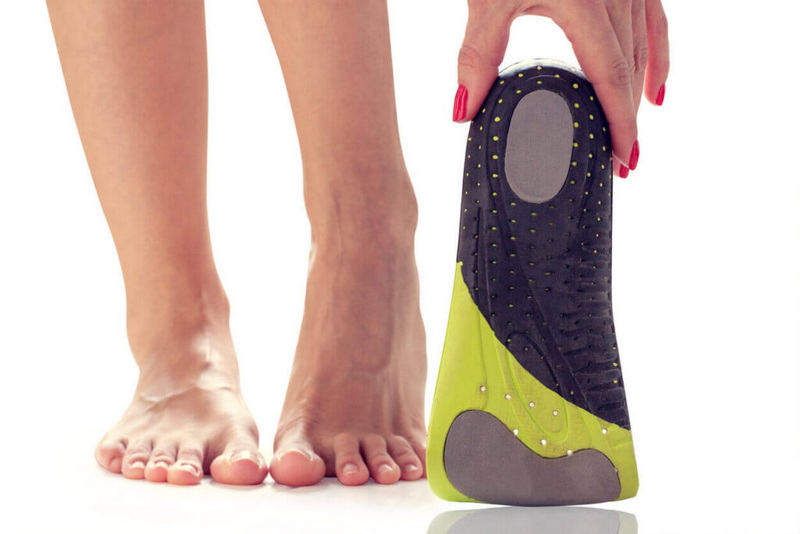
Custom orthotics are individually tailored to your foot's shape, while over-the-counter versions offer general support. Custom types are ideal for medical or structural correction, whereas standard models provide comfort and mild support.
Replace your insoles every six to twelve months, or sooner if you notice reduced cushioning, odor buildup, or visible wear. Active users should check them more frequently.
Most orthotics are compatible with common footwear styles. Use full-length for sneakers or boots, and ¾-length for heels or tight-fitting dress shoes. Always ensure secure heel positioning.
Yes. Proper alignment at the feet can significantly reduce stress on the knees, hips, and lower back. They distribute pressure evenly, improving overall body posture.
Request production samples, material testing reports, and certifications such as ISO or CE. Reliable suppliers maintain transparent processes, consistent material sourcing, and after-sales support.


