
Views: 222 Author: Edvo Publish Time: 2025-10-16 Origin: Site


Content Menu
>> 3. High Arch
● Key Materials Used in Arch Support Insoles
>> 1. EVA Foam
>> 3. PU (Polyurethane) Insoles
● Choosing Insoles for Different Activities
>> Hiking or Outdoor Activities
● How to Determine the Right Fit
● Signs You Need Arch Support Insoles
● OEM Arch Support Insoles For Brands
● Maintenance Tips for Longevity
● When to Replace Your Insoles
● Common Mistakes When Buying Insoles
● FAQs
>> 1. What type of insole is best for flat feet?
>> 2. How often should I replace my insoles?
>> 3. Can arch support insoles improve knee and back pain?
>> 4. How do I test if an insole fits properly?
>> 5. Can OEM insoles be customized for different footwear types?
Foot comfort plays a vital role in overall health, daily activities, and long-term mobility. Whether you are an athlete, an office worker, or someone who stands for long hours, arch support insoles can significantly improve posture, balance, and comfort. With so many options available today, choosing the right pair might seem daunting. This guide explains everything you need to know about selecting proper arch support insoles — from identifying your foot type to understanding materials, designs, and applications. It also introduces how OEM manufacturers in China can help global brands develop customized insole solutions.
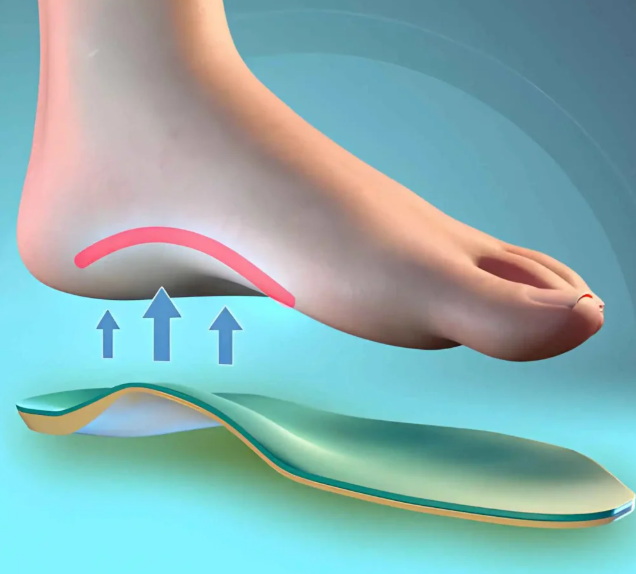
Everyone's feet are unique, and their arches differ in height and structure. Knowing your arch type is the first and most important step before purchasing insoles.
Flat-footed individuals have little to no visible arch, which makes their feet prone to overpronation — a condition where the foot rolls inward during movement. People with low arches need insoles that provide strong medial arch support, firm heel stabilization, and motion control. These features help prevent excessive strain on the ankles and knees.
A normal arch typically provides adequate shock absorption and stability, but regular wear can still cause fatigue without proper support. Insoles for this type should offer balanced support — neither too rigid nor too soft. They help distribute pressure evenly and keep the foot aligned during walking, running, or long periods of standing.
People with high arches often experience poor shock absorption because pressure concentrates on the heel and toe areas. For this group, cushioning-focused insoles with extra support under the arch help maintain even weight distribution and reduce the risk of foot pain and instability.
Proper arch support is essential for maintaining foot alignment and posture. It also plays an important role in:
- Reducing fatigue: Correct arch support helps muscles work less to stabilize the foot, minimizing tiredness after long hours.
- Preventing pain: Good insoles reduce strain on the Achilles tendon, plantar fascia, and lower leg muscles.
- Enhancing athletic performance: By improving balance and motion efficiency, arch support aids runners and athletes in sustaining energy and preventing injuries.
- Protecting joints: Misalignment in the feet often transfers stress to knees, hips, and even the spine. Insoles help absorb impact and maintain biomechanical harmony.
The comfort, durability, and performance of an insole depend on the materials from which it's made. Each has its own advantages based on user preference and activity type.
EVA foam is lightweight and has excellent shock-absorbing qualities. It's suitable for both casual wear and athletic purposes, allowing flexibility while delivering stable cushioning for long hours of use.
Gel-based insoles provide premium comfort for individuals seeking extra cushioning. They are particularly good for runners and people experiencing heel pain, as the gel inserts distribute pressure evenly and absorb intense impacts.
PU insoles are a solid choice for heavy-duty applications. They provide firm support, resist compression over time, and are often used in work boots and safety shoes where durability is key.
Leather insoles are preferred for dress shoes and premium casual footwear due to their natural breathability and moisture control. They contribute to a more refined look while maintaining long-term comfort.
Memory foam adapts to the shape of your foot, giving a personalized feel. It is especially comfortable for walking and leisure footwear, although it may not offer the firmer structure required for certain sports or work environments.
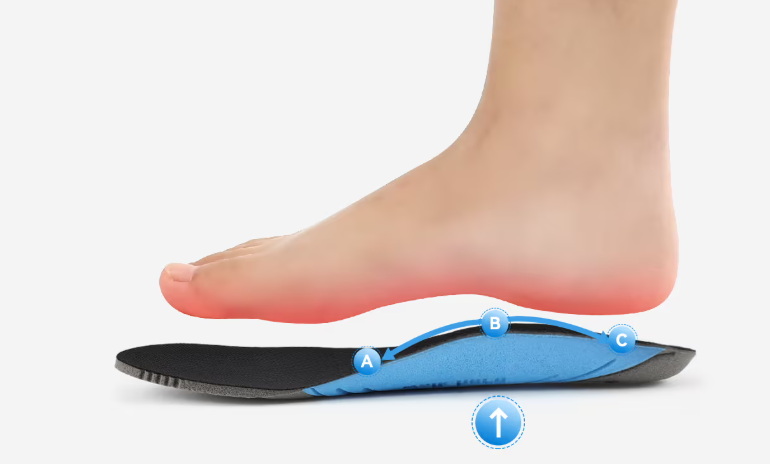
Not all insoles serve the same purpose. The right one depends on how you use it. Matching insole design to your activity enhances comfort and performance.
Runners and athletes need insoles that combine flexibility, shock absorption, and responsiveness. Opt for high-rebound materials that can return energy efficiently and provide firm heel cups for stability during movement.
Professionals such as factory workers, healthcare staff, or cashiers spend most of their day on their feet. Firm-support insoles with dense cushioning and deep heel cups are ideal, preventing joint fatigue and maintaining comfort through long shifts.
For general daily use, choose insoles offering balanced support and softness. Breathable layers and moderate cushioning keep feet cool and comfortable throughout the day.
Outdoor enthusiasts should pick rigid, supportive insoles with arch reinforcement to handle uneven surfaces and long-distance walking. Materials resistant to moisture and odor are highly recommended for outdoor environments.
Even the best-designed insole won't perform correctly if it doesn't fit well. Follow these key points to select the perfect fit:
1. Check the size and shape: Match insole length and contour to your shoe.
2. Align the arch: Ensure that the insole's highest part aligns with your foot's natural arch.
3. Heel cup design: Deep heel cups keep your foot stable and minimize slipping.
4. Trim-to-fit option: Some insoles can be trimmed for a custom fit inside dress, work, or sports shoes.
Comfort testing is crucial. Wear both shoes and walk around for several minutes to ensure there's no pinching or uneven pressure.
Even without medical diagnosis, your body can signal when it needs better support. Look out for these signs:
- Persistent heel pain, especially in the morning
- Knee or lower back pain caused by poor alignment
- Uneven wear on shoe soles
- General tiredness or discomfort after walking or standing
- Numbness or burning sensation in the feet
If you notice any of these symptoms, switching to quality arch support insoles can offer substantial relief and prevent future issues.
As a leading insole manufacturer in China, we specialize in producing and exporting high-quality arch support insoles tailored for global markets. Our OEM services are designed for international brands, wholesalers, and footwear producers seeking professional manufacturing capabilities.
- Advanced molding and cutting equipment ensuring consistent product quality
- Skilled design team capable of creating ergonomic and stylish shapes
- Comprehensive material options, including EVA, PU, gel, TPU, and composite
- Private labeling, custom packaging, and logo embossing options
- Quality assurance tested under rigorous international standards
By choosing a professional Chinese OEM partner, you gain access to both innovation and cost efficiency. Whether your business focuses on athletic, orthopedic, or lifestyle footwear, we can provide the perfect custom support solution.
Proper maintenance ensures that your insoles retain their effectiveness over time:
1. Keep them dry: Remove insoles from shoes after use to air out and prevent odor.
2. Clean periodically: Use mild soap and water; avoid heat drying or harsh chemicals.
3. Monitor wear signs: Replace once cushioning or shape begins to deteriorate.
4. Use in rotation: Alternate between pairs to extend their lifespan.
Following these simple steps ensures long-lasting performance and hygiene.
Regular replacement is key to maintaining comfort and support. Some indicators include:
- Loss of cushioning or flattening of the arch area
- Foul odor buildup even after cleaning
- Visible cracks or peeling material
- Ongoing discomfort despite proper shoe fit
In most cases, insoles should be changed every 6–12 months depending on frequency and type of usage.
Many people experience frustration after purchasing the wrong insole type. To avoid common errors:
- Do not buy based on shoe size alone. Always verify arch positioning and heel fit.
- Avoid overly soft models if you need structural support for stability.
- Don't ignore activity type. A walking insole may not suit athletic shoes.
- Don't forget breathability. Moisture retention can cause odor and microbial buildup.
Investing in the correct model saves cost and prevents long-term discomfort.
Choosing the right arch support insoles requires understanding your foot type, activity level, and comfort preferences. By carefully considering material composition, support level, and fit, you can enjoy better posture, pain relief, and enhanced performance. High-quality insoles also promote overall health by aligning your feet with the rest of your body.
As a professional OEM arch support insole manufacturer in China, we are dedicated to producing premium products that combine functionality, comfort, and innovation. Whether you represent a global footwear brand or a retailer seeking quality OEM/ODM service, our team delivers precision craftsmanship and value through every pair we make.
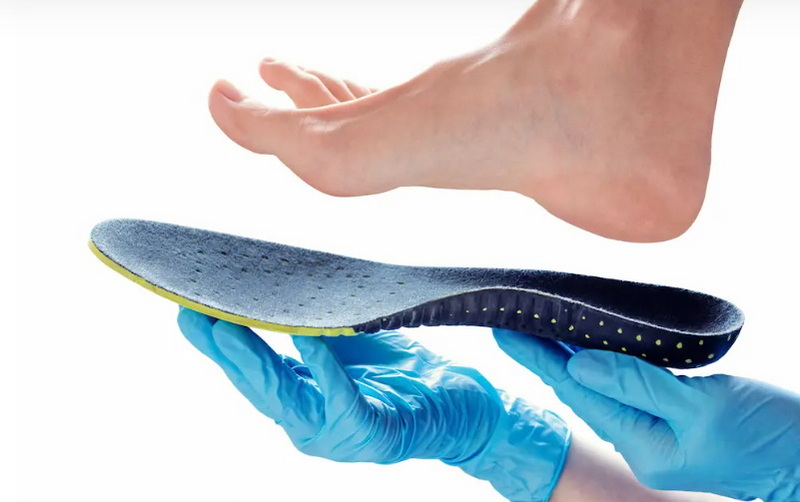
Flat feet need rigid, motion-control insoles that prevent overpronation, stabilize the heel, and maintain proper foot alignment.
You should replace your insoles approximately every 6 to 12 months, depending on the intensity of use and material condition.
Yes, proper foot alignment helps distribute body weight evenly, reducing stress on knees and the lower back.
The insole should match your shoe size, its arch should line up naturally with your foot, and it should feel supportive without pinching or slipping.
Absolutely. OEM insoles can be designed for sports, work, orthopedic, or fashion footwear, with variations in thickness, firmness, and contouring.


