
Language
Views: 222 Author: Edvo Publish Time: 2025-11-01 Origin: Site


Content Menu
● Understanding the Causes of Smelly Shoe Insoles
● Materials You Will Need Before Cleaning
● Step-by-Step Guide: How to Clean Smelly Shoe Insoles
>> Step 1: Remove the Insoles from the Shoes
>> Step 2: Dry Brushing to Remove Loose Dirt
>> Step 3: Prepare a Cleaning Mixture
>> Step 4: Wash and Scrub the Insoles
>> Step 5: Rinse and Wipe Off Residue
>> Step 6: Use Baking Soda for Odor Elimination
>> Step 7: Allow Thorough Air Drying
● Alternative Methods for Cleaning Smelly Insoles
>> 1. Washing Machine Method for Fabric Insoles
>> 2. Deep Cleaning with Vinegar Soak
>> 4. Disinfectant or Alcohol Spray
● Cleaning Tips for Different Types of Insoles
● How to Prevent Shoe Insoles from Getting Smelly Again
● When to Replace Your Shoe Insoles
● Extra Tips for Maintaining Odor-Free Shoes and Feet
● The Benefits of Regularly Cleaning Your Shoe Insoles
● Professional Solutions for Shoe Brands and Manufacturers
● FAQ About Cleaning Smelly Shoe Insoles
>> 1. Can I wash my insoles every week?
>> 2. Are all insole materials washable?
>> 3. How can I make my insoles smell fresh longer?
>> 4. What if my insoles are not removable?
>> 5. Can I use essential oils for deodorizing?
Keeping your shoe insoles clean is essential not only for maintaining comfort and hygiene but also for protecting your investment in footwear. Smelly insoles can ruin the overall wearing experience and create embarrassment in social situations. Shoe odor often develops from sweat, bacteria, or moisture trapped inside your shoes. Fortunately, cleaning smelly shoe insoles at home is simple and highly effective when you know the right methods.
In this complete guide, we explain how to clean, deodorize, and maintain your shoe insoles properly, along with preventive solutions that keep them fresh longer. Whether you use sports shoes, work boots, or dress shoes, regular maintenance of the insoles is crucial for foot health and comfort.

To effectively clean smelly shoe insoles, it helps to understand what causes the odor in the first place. Most unpleasant smells are a result of:
- Sweat from your feet absorbed by the insole material.
- Bacterial and fungal growth in warm, dark, and humid conditions inside shoes.
- Poor ventilation or wearing the same pair every day.
- Residue from socks, lotions, or body oils.
- Not allowing insoles to dry completely after exposure to moisture.
Each time you wear shoes, your feet release moisture through sweat. That moisture, combined with warmth, creates a breeding ground for odor-causing bacteria. Over time, these microorganisms cling to the insole foam or fabric, breaking down proteins and fats to produce the foul smell.
You can clean smelly insoles easily at home with basic cleaning materials. Gather the following items before you start:
- A mild detergent or dish soap.
- Warm but not hot water.
- White vinegar or rubbing alcohol.
- A soft cleaning brush or old toothbrush.
- Baking soda for deodorizing.
- A clean cloth or towel.
- A small bowl or basin for soaking.
- Disinfectant spray or foot deodorizer (optional).
Each of these materials has its purpose: detergent removes dirt, vinegar kills bacteria, and baking soda neutralizes odor. Avoid using harsh chemicals or strong bleach solutions, as these can damage the insole's surface, foam, or adhesives.
Always start by removing the insoles from your shoes. Cleaning them separately gives you better access to both sides and ensures that the rest of your shoe doesn't become soaked. If the insole is glued, check your shoe manufacturer's care instructions first to avoid tearing.
Before introducing water or soap, gently brush away surface dust, dirt, and lint. This step keeps debris from turning into mud during washing. You can also shake the insoles lightly to remove any accumulated grit inside the fabric layers.
Fill a small basin or bowl with warm water and add a few drops of mild detergent. If your insoles are heavily soiled or smell strong, add a tablespoon of white vinegar for its natural disinfecting properties. Swirl the mixture until foamy.
Soak the insoles in the prepared cleaning solution for five to ten minutes. Then, use a soft brush or sponge to scrub the top and bottom surfaces. Pay attention to areas that come into direct contact with your foot, such as the heel and arch zones. Scrub in gentle circles to avoid tearing the surface material.
If needed, apply additional vinegar to persistent odor spots. For foam or gel insoles, avoid soaking them too long, as water can weaken adhesives or distort their shape.
Once you have scrubbed both sides thoroughly, rinse the insoles under clean running water until all soap residue is gone. Then pat them gently with a towel to remove excess water. Avoid twisting or bending them, as this can damage the cushioning layers.
After washing, you can further deodorize by sprinkling dry baking soda evenly over the surface. Let the insoles sit for several hours or overnight. Baking soda absorbs remaining moisture and neutralizes odors at the molecular level. In the morning, simply shake or brush off the powder.
The final and most critical step is drying. Place the cleaned insoles in a cool, well-ventilated area away from direct sunlight or heaters. Excessive heat can warp foam or plastic parts. Ideally, let them air dry for at least 24 hours before reinserting them into your shoes. Make sure both sides are completely dry to prevent mold from growing again.
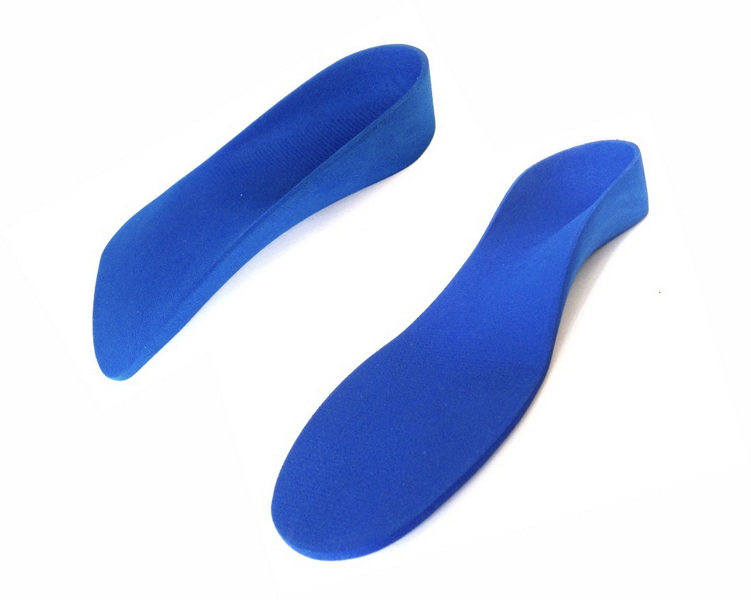
If your insoles are labeled machine washable, you can put them in a laundry mesh bag and wash them on a gentle cycle with cold water. Always air dry afterward. Avoid using the dryer as heat may damage or shrink them.
Vinegar is one of the best natural disinfectants for removing odor-causing bacteria. Mix one part vinegar with three parts warm water and soak the insoles for 20 to 30 minutes before rinsing and air drying. The mild acidity helps break down organic residue and kills fungi.
Another unconventional but effective method is freezing. Place the insoles inside a sealed plastic bag and keep them in the freezer overnight. The cold temperature destroys most bacteria and eliminates odors.
Spraying insoles with rubbing alcohol or specialized shoe disinfectants is a quick way to freshen them. Alcohol evaporates quickly and helps kill microbes without soaking the insole.
If you own a garment steamer or steam cleaner, you can use it to disinfect insoles. Steam penetrates fabric layers and kills odor-causing germs while loosening dirt. After steaming, let the insoles dry completely.
Different insole materials require slightly different cleaning techniques to protect their construction and comfort properties.
- Foam and Memory Foam Insoles: Use mild detergent solutions and minimal soaking. These materials absorb water easily and can deform if oversoaked.
- Leather Insoles: Do not immerse in water. Gently wipe with a damp cloth using a mixture of soap and vinegar, then condition with leather balm afterward.
- Gel or Silicone Insoles: Wash with soap and warm water, rinse thoroughly, and air dry upside down to prevent water pooling.
- Fabric or Cloth Insoles: These are typically more resistant to frequent washing and can be machine washed inside a garment bag if specified by the manufacturer.
Understanding your insole material ensures that your cleaning process enhances longevity instead of causing damage.
Prevention is the key to keeping your footwear hygienic and odor-free. Adopting a few simple habits can make a huge difference:
- Remove your insoles after wearing and let them air out overnight.
- Change socks daily and choose breathable, moisture-wicking fabrics.
- Apply antibacterial or deodorizing foot powder before putting on shoes.
- Rotate between multiple pairs of shoes to allow each one to dry fully.
- Avoid wearing wet shoes; always dry them completely before the next use.
- Use odor-absorbing shoe bags or activated charcoal inserts for long-term storage.
These preventive habits help stop odor before it starts and extend the lifespan of both your insoles and shoes.
Even the best insoles eventually wear out. Cleaning can only go so far before replacement becomes necessary. Replace your shoe insoles if you notice any of the following signs:
- A persistent odor that returns soon after cleaning.
- Flattened or hardened cushioning that reduces support.
- Visible tears, cracks, or surface peeling.
- Rough, sticky, or slippery texture underfoot.
- Discoloration or mold growth.
Generally, insoles last between three and six months, depending on usage frequency and activity level. Active wearers, athletes, and workers in hot environments may need replacements sooner.
Our company specializes in manufacturing high-quality shoe insoles with durable materials and advanced odor-resistant coatings. We provide OEM and ODM production services to global shoe brands, wholesalers, and footwear manufacturers. Our insole products are engineered for easy cleaning, improved breathability, and extended comfort for daily wear.
Maintaining freshness doesn't stop with cleaning the insoles. Your shoes and feet also need proper care:
- Clean the interior of your shoes occasionally using disinfectant spray or wipes.
- Let shoes rest for 24 hours before wearing them again to allow moisture to evaporate.
- Trim toenails regularly and wash feet with antibacterial soap.
- Avoid walking barefoot in public places to prevent fungal infections.
- Replace old socks, especially if they become thin or nonabsorbent.
Good foot and shoe hygiene works hand-in-hand with clean insoles to create a complete freshness routine.
Cleaning may seem like a small effort, but it pays off in multiple ways:
- Improved foot comfort and reduced risk of skin irritations.
- Extended lifespan of your footwear and insoles.
- Better foot hygiene with fewer bacteria and fungus growth.
- Enhanced airflow inside shoes for a fresher feel.
- Prevention of unpleasant odor buildup and improved confidence.
These benefits make regular insole cleaning an essential part of personal hygiene, especially for those with active lifestyles.
As one of China's leading shoe insole manufacturers, our company offers professional OEM and ODM services for international shoe brands, retailers, and factories. We produce high-quality insoles made from EVA foam, memory foam, PU gel, and recyclable eco-materials. Each product is engineered for superior odor resistance, moisture control, and cushioning comfort.
Whether you are designing running shoes, work boots, or casual sneakers, we can customize insoles that meet your brand requirements in terms of material thickness, softness, design, and color. Our experienced team provides complete production support from material sourcing to packaging.
Partnering with us ensures consistent quality, timely delivery, and flexible order quantities for global export clients. If you are planning to upgrade your footwear products with odor-resistant, easy-to-clean insoles, contact our OEM manufacturing team today.
Keeping your shoe insoles clean is an easy yet powerful way to prevent odor, maintain comfort, and protect foot health. With a few household ingredients and consistent care, you can easily eliminate smells and bacteria from your insoles. Following the step-by-step guide above ensures that your shoes remain fresh and comfortable for daily wear.
For footwear brands, wholesalers, and production companies, our specialized OEM insole manufacturing services can help you integrate premium, easy-clean design features into your product line. Partner with us to create innovative insoles that combine comfort, hygiene, and durability for international markets.
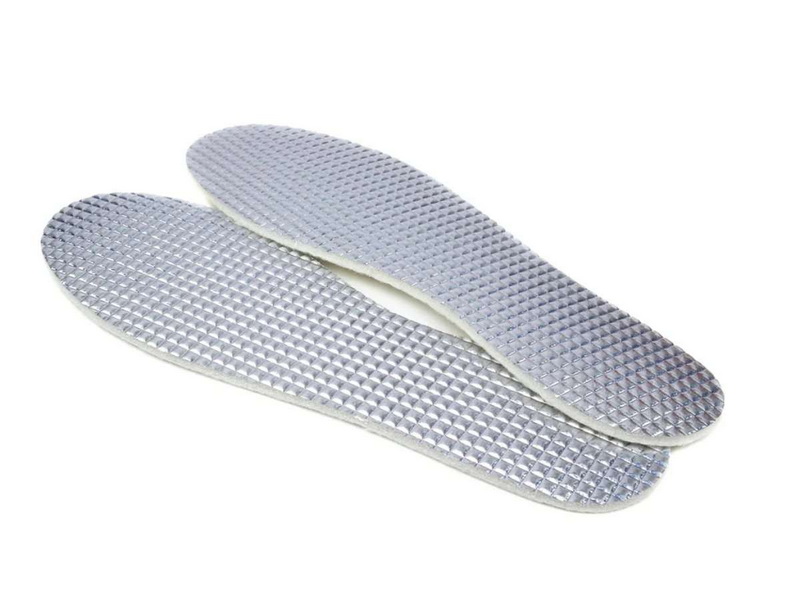
Yes, if you wear your shoes daily or engage in sports activities, weekly washing helps prevent odor and bacteria buildup. Just ensure they are fully dry before reuse.
No, some materials like leather require gentle wiping instead of soaking. Always follow the manufacturer's cleaning instructions to avoid damage.
Apply a small amount of foot powder or deodorizing spray before every wear and store shoes in a dry place with air circulation.
If the insoles can't be removed, wipe them down with a damp cloth and vinegar-water solution, then dry thoroughly with airflow.
Yes, adding a few drops of essential oils such as tea tree or lavender to baking soda before sprinkling can add natural fragrance and antibacterial benefits.


