
Views: 222 Author: Edvo Publish Time: 2025-12-08 Origin: Site


Content Menu
● Understanding Memory Foam Insoles
● Why You Might Want to Remove Memory Foam Insoles
● Checking Whether the Insoles Are Truly Removable
● Preparing Tools and Work Area
>> Step-by-Step: Removing Loose or Lightly Attached Memory Foam Insoles
>> Step 1: Open the Shoe Fully
>> Step 3: Peel from Heel to Toe
>> Step 4: Remove the Insole Completely
● Step-by-Step: Removing Glued Memory Foam Insoles
>> Step 1: Apply Gentle Warm Air
>> Step 2: Start Lifting at the Heel
>> Step 3: Work in Small Sections
● Handling Stubborn Adhesive and Foam Residue
● When You Should Not Force Removal
● Cleaning and Reusing Memory Foam Insoles
● Preparing Shoes for New Insoles
● Ongoing Care After Reassembly
● Working With a Professional Insole Manufacturer
● FAQ
>> 1. Will removing memory foam insoles damage my shoes?
>> 2. Can I use new insoles on top of old memory foam?
>> 3. How do I know when memory foam insoles need to be replaced?
>> 4. Is it safe to cut memory foam insoles to fit?
>> 5. Can I transfer memory foam insoles to another pair of shoes?
Removing memory foam insoles can refresh your footwear, improve hygiene, and create space for new comfort or orthopedic solutions. The key is to understand how the foam is attached and then use a gentle, stepwise approach to avoid tearing the insert or damaging the shoe structure.
This extended guide explains how to identify removable and bonded insoles, remove them safely, clean and reuse them, and prepare shoes for new inserts. It also shares extra troubleshooting tips and care advice so you can extend the life of both shoes and insoles.
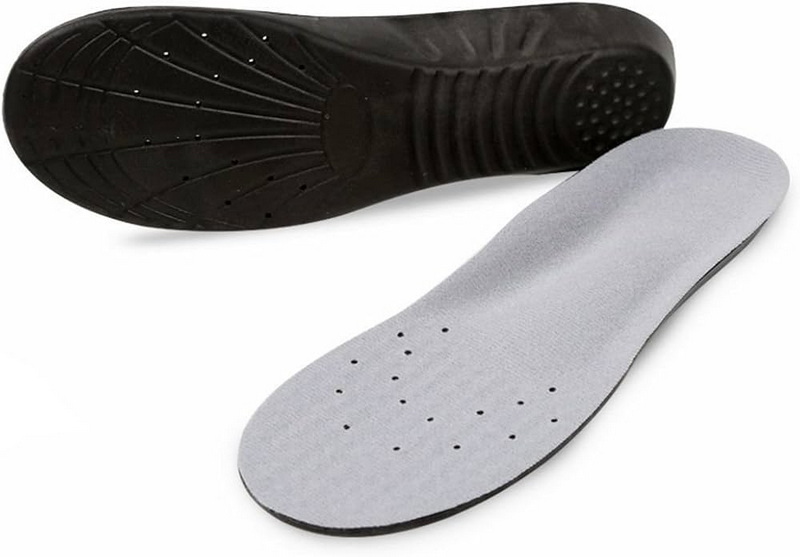
Memory foam insoles are designed to contour to your foot shape, distributing pressure more evenly and absorbing shock with every step. Over time they adapt to your walking style and feel very personalized, which is one reason many people hesitate to remove them.
However, constant compression, sweat, and dirt eventually break down the foam and reduce support. When the material stops springing back or retains odor even after cleaning, removal and replacement become the best options. At that point, taking them out properly helps you upgrade cushioning without sacrificing the fit of your favorite shoes.
There are several practical reasons to take memory foam insoles out of shoes:
- You want to install custom orthopedic or arch support inserts that require extra internal space.
- The insoles have become flat, smelly, or cracked and need to be replaced.
- You would like to deep clean both the interior of the shoe and the foam layer separately.
- You want to reuse the insoles in another pair of shoes with a similar fit.
Removing the foam lets air circulate inside the shoe and gives you direct access to the inner sole for cleaning. It also allows you to inspect the base for damage, such as worn fabric or rough spots that could rub your feet once new inserts are installed.
Before trying to pull anything out, it is important to confirm whether the memory foam layer is meant to be removable or is integrated into the shoe construction.
Start with a simple manual test. Loosen or remove the laces and open the shoe as wide as possible. Use your fingers to pinch the heel edge of the foam and gently lift. If the foam rises smoothly as one piece and you feel only light resistance, the insole is likely designed to be removable.
If you feel strong resistance right away or hear a faint tearing sound, the foam is probably glued or partially bonded. In some models, stitching lines run around the perimeter of the insole or across the arch area, indicating that the foam is anchored. In that case, you must proceed more carefully and be ready to stop if removal starts to damage the lining.
Integrated memory foam midsoles are common in some athletic and lifestyle shoes. Here, the soft layer is part of the shoe's core support system rather than a separate insert. For these designs, full removal is often not recommended because it can affect cushioning, stability, and durability.
You do not need specialized equipment to remove memory foam insoles, but a few simple tools make the job easier and safer:
- A flat, blunt tool such as a plastic scraper, butter knife with rounded edges, or shoe horn.
- A household dryer or similar warm airflow source to gently soften adhesives.
- A soft cloth or brush for cleaning loose foam pieces and dust.
- Optional: small pliers for lifting stubborn corners, and mild cleaning solution for leftover adhesive.
Work on a clean, flat surface with good lighting so you can see the edges of the foam clearly. Make sure your hands and tools are clean, since dirt and grit can scratch the inner sole. It is also wise to work slowly, especially with new or expensive shoes, because patience reduces the risk of damage.
If the foam insoles are not firmly glued, you can often remove them using just your hands and a little care.
Unlace or loosen the closure system so the opening is as wide as possible. This gives your hands and any tool more room to move, and it also prevents stress on the upper when you flex the insole to pull it out.
Use your fingers to pinch the back edge of the insole at the heel. Begin lifting slowly while keeping the foam as flat as possible. Avoid pulling straight upward in a sharp motion, which can crease or tear the foam, especially if it is older or partially stuck.
Once the heel has started to separate, slide your fingers under the foam and move forward in a gentle peeling motion. Aim to keep the insole almost parallel to the base of the shoe while you walk it forward. If you meet a small area of resistance, pause and wiggle your fingers or use a gentle rocking motion instead of pulling harder.
When you reach the toe area, you may need to angle the foam slightly to clear the narrow front of the shoe. Take your time, especially with shoes that have a snug toe box. Once removed, inspect both the underside of the insole and the inner sole for signs of glue or damage.
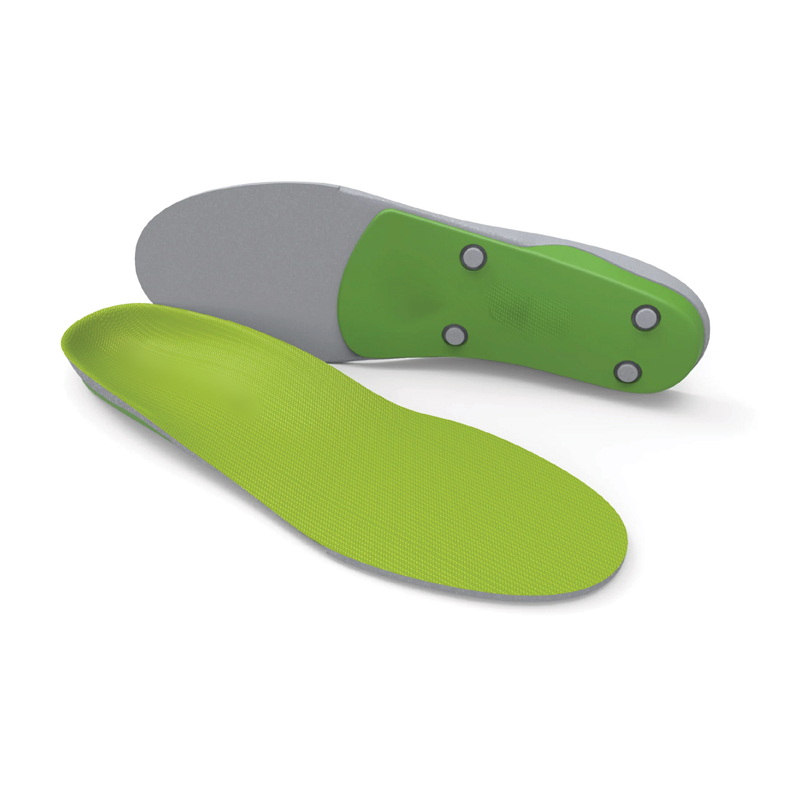
Glued insoles require a bit more preparation and patience. The main principle is to soften the adhesive with controlled warmth and then separate the foam gradually.
Set a household dryer to a warm, not hot, setting. Direct the airflow into the shoe for a short period, focusing on the heel and midfoot area where adhesives are often strongest. The goal is to warm the glue enough to make it flexible, not to overheat the materials.
If you prefer not to use a dryer, you can leave the shoes in a warm indoor area for a while, but active airflow tends to work faster. Avoid direct contact with high heat sources, which can warp materials or cause discoloration.
After warming, use your fingers to try lifting the heel edge of the foam. If it does not move easily, slide a flat, blunt tool between the foam and the base at a shallow angle. Use short, gentle prying motions, always keeping the tool as flat as you can to avoid gouging the inner sole.
Do not stab downward or twist suddenly, as this can slice into the foam or scratch the bottom of the shoe.
As soon as you release a small area, stop and warm the next section. Alternate between applying warm air and using your tool or fingers to lift the foam a little further. Move from heel to arch, then toward the toe, keeping the insole as intact as possible.
If you feel strong resistance in one area, back off slightly and warm that zone again. Never force a section that feels stiff, since that is where tears are most likely to happen.
The toe section can be tricky, especially in narrow shoes. Once the majority of the insole is free, gently bend the foam upward while easing the tip out of the front. It helps to alternate from one side to the other, wiggling the insert rather than pulling directly.
When you finally release the full insole, check the underside. Adhesive patches, small tears, or foam remnants are normal in strongly glued designs.
Even with careful work, some glue or foam pieces may remain attached to the inner sole. In most cases, this is not a serious issue and can either be smoothed down or left in place if it does not affect comfort.
To clean up residue:
- Use your fingers or a soft tool to gently lift and peel larger foam fragments.
- Brush or wipe away dust and crumbs with a cloth or soft brush.
- If there are sticky spots, dampen a cloth with a mild cleaner and lightly rub only the problem areas.
Allow the shoe interior to dry completely before inserting any new insole. Excess moisture trapped under a new insert can encourage odor and bacteria, so proper drying is essential.
Some memory foam layers are permanently integrated into the shoe structure. In such cases, forcing removal can cause more harm than good.
Signs that you should reconsider removal include:
- Visible stitching around the perimeter of the foam or across the arch or forefoot.
- A clear sensation that the foam is part of a molded base rather than a separate layer.
- Noticeable lifting or separation of the shoe's interior fabric when you try to pull the foam up.
If you encounter these signs, it is usually safer to leave the built-in foam in place. Instead, you can add a thin top insert for extra support or choose footwear with fully removable insoles for more customization.
Once you have removed the insoles, you may want to clean them and continue using them either in the same shoes or in another pair.
Follow these guidelines:
- Brush off loose dirt and dust before applying any moisture.
- Prepare a mixture of mild soap and lukewarm water.
- Dip a cloth or sponge into the solution, wring it out thoroughly, and gently wipe the surface of the foam.
- Avoid soaking the insole or immersing it fully, as this can saturate the foam and affect its structure.
- Use a clean, damp cloth to wipe away any soap residue.
- Air dry the insoles naturally in a well-ventilated area, away from direct sunlight and intense heat.
Do not use a dryer or place the insoles on heaters, as high temperatures can deform the foam or cause it to harden. When dry, check whether the foam still springs back under light pressure and whether any lingering odors remain. If the material stays flat, cracked, or very smelly, replacement is usually the best choice.
After removing old memory foam inserts, it is important to prepare the interior of the shoe before adding new ones.
First, clean the base. Use a soft brush or cloth to remove dust, lint, and any small fragments of foam. If necessary, wipe with a lightly damp cloth and let everything dry fully.
Next, inspect the interior for uneven glue patches, rough spots, or lifted fabric. Minor imperfections can often be covered by a thicker replacement insole, but sharp edges or loose pieces should be smoothed or reattached to avoid irritation.
When you fit new insoles:
- Place the replacement insert on top of the original foam or directly on the inner sole, depending on whether you removed the old layer.
- Check length and width. Trim only along the marked guideline, starting small and testing the fit frequently.
- Position the new insole from heel to toe, ensuring it lies flat with no buckling.
Walk around briefly to confirm that the new insert feels secure and comfortable. If you sense folds or movement, remove the insert and adjust length or position until it sits correctly.
Good maintenance will help you get the most from both the shoes and any insoles you keep or add.
Consider these basic habits:
- Remove insoles regularly after wearing the shoes so they can air dry fully.
- Clean the insoles periodically with gentle methods rather than harsh chemicals or high heat.
- Store shoes in a dry, ventilated place to discourage mold and persistent odors.
- Rotate between different pairs of shoes if possible, giving each set of insoles time to rebound.
By combining proper removal, cleaning, replacement, and ongoing care, you can maintain a comfortable, hygienic environment for your feet and extend the working life of your footwear collection.
If you are a brand owner, wholesaler, or footwear manufacturer, partnering with a dedicated insole factory opens more possibilities than simply replacing worn inserts. An experienced supplier can help you design memory foam insoles tailored to specific customer groups, such as runners, workers on hard floors, or casual wearers who prioritize all-day comfort.
A professional factory can offer:
- Custom shapes, thicknesses, and densities of foam for different shoe types.
- Breathable top fabrics, anti-odor treatments, and moisture management options.
- Support zones for arch, heel, and forefoot tuned to your market needs.
- Flexible order quantities and packaging suitable for retail or direct inclusion in finished footwear.
If you are planning a new shoe project or refreshing an existing line, consider working directly with a manufacturer that specializes in memory foam insoles and can provide consistent quality and reliable service for overseas partners.
Successfully removing memory foam insoles starts with understanding how they are attached, then using gentle methods to separate the foam without tearing it or harming the shoe interior. By working slowly from heel to toe, applying moderate warmth when adhesives are involved, and cleaning away residue with care, you can free the inserts or prepare the base for new ones.
Once removed, memory foam insoles can often be cleaned, reused, or replaced with customized options that better match your comfort and support needs. With the right approach and ongoing care, your shoes remain fresher, your feet stay more comfortable, and your footwear investment lasts longer.
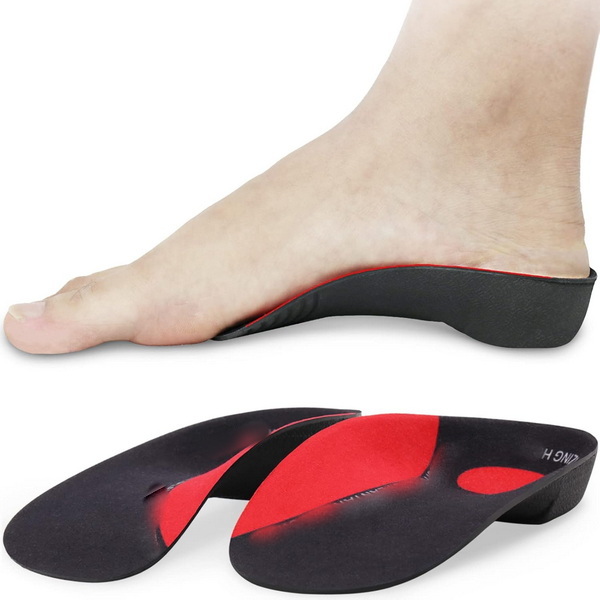
If the insoles are designed to be removable, taking them out carefully should not cause any harm. Problems usually arise only when you forcefully pull out foam that is tightly glued or stitched to the midsole. Working slowly, using gentle warmth, and stopping when you see signs of structural damage will help protect your shoes.
Yes, as long as the shoes do not feel too tight and your foot still has enough space. Some people leave the original memory foam in place and add a thin support insert or comfort layer on top. However, if the old foam is badly deformed or smelly, it is often better to remove it and start fresh with a single, high-quality replacement.
Signs that it is time to replace include foam that stays flat instead of springing back, areas that feel hard or lumpy underfoot, and odors that remain after cleaning. If your feet start to feel more tired or sore in shoes that once felt supportive, worn-out insoles may be the cause.
It is generally safe to trim memory foam inserts along the guideline provided by the manufacturer. Always cut small amounts at a time from the toe area, test the fit, and adjust gradually. Avoid cutting near the heel or arch support zones, because that can reduce stability and change how the insole supports your foot.
You can move removable memory foam insoles to another pair as long as the new shoes have a similar internal shape and enough space. After transferring, check that the insole lies flat, does not buckle, and does not make the shoes uncomfortably tight. If the fit feels off, it may be better to keep separate inserts for each pair of shoes.


