
Language


Content Menu
● Over‑the‑Counter vs Custom Orthotics
● Step‑by‑Step: How to Get Over‑the‑Counter Orthotic Insoles
>> Step 1 – Identify Your Foot Type and Symptoms
>> Step 2 – Choose the Right Insole Category
>> Step 3 – Match Size and Trim if Needed
>> Step 4 – Test and Break In Gradually
● Step‑by‑Step: How to Get Custom Orthotic Insoles
>> Step 1 Schedule a Professional Evaluation
>> Step 2 Foot Measurements and Impressions
>> Step 3 Prescription and Design
>> Step 4 Manufacturing and Quality Control
>> Step 5 Fitting, Break‑In, and Follow‑Up
● Practical Tips When Getting Orthotic Insoles
● FAQ About Getting Orthotic Insoles
>> 1. How do I know if I need orthotic insoles?
>> 2. Are over‑the‑counter insoles enough, or do I need custom orthotics?
>> 3. How long does it take to get custom orthotics?
>> 4. How long do orthotic insoles last?
>> 5. Can I move my orthotic insoles between different shoes?
Orthotic insoles are devices placed inside shoes to support the arch, stabilize the foot, and redistribute pressure so that walking and standing become more comfortable. They are widely used to relieve issues such as heel pain, plantar fasciitis, flat feet, over‑pronation, and general fatigue in the feet and legs.[2][3][4]
There are two main categories of orthotic insoles: over‑the‑counter (OTC) insoles and prescription custom orthotics. Both can be highly effective when matched correctly to the user's foot type, health condition, and activity level.[4][1][2]
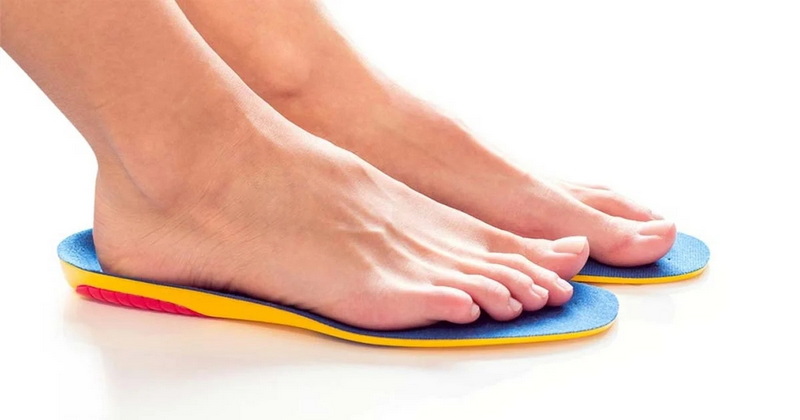
Understanding the main types of insoles is the first step before deciding how to get them. Each type serves different needs, from basic cushioning to medical‑grade correction.[5][1][2][4]
- Cushioning insoles: Made from foam or gel to absorb shock and improve comfort for people who stand or walk for long hours. These usually do not significantly correct biomechanics but can reduce fatigue and minor discomfort.[6][1][2]
- Support / arch‑support insoles: Designed to support low, normal, or high arches and to improve alignment for people with mild to moderate biomechanical issues. Many athletic and everyday insoles in this group are used for plantar fasciitis, shin splints, and knee pain.[1][2][4]
- Functional custom orthotics: Prescription devices that correct abnormal motion, such as over‑pronation or supination, and are often used for chronic pain or structural deformities. They are built individually for each foot using molds or 3D scans and controlled materials and geometry.[7][3][2][4]
- Accommodative custom orthotics: Softer devices used to offload sensitive areas such as diabetic ulcers, bunions, or severe arthritis. The goal is to protect the foot and redistribute pressure rather than aggressively control motion.[3][8][2]
Choosing between OTC and custom orthotics is one of the most important decisions in the process of getting insoles. Both options have clear strengths and limitations.[2][4][5]
| Factor | Over‑the‑Counter Insoles | Custom Orthotic Insoles |
|---|---|---|
| Source | Bought directly from retail, pharmacies, or online stores.treadlabs+1 | Supplied by a podiatrist, orthotist, or specialized clinic based on prescription.footlevelers+1 |
| Fit | Pre‑made, “one‑size‑fits‑most” designs with size ranges.iowaclinic+1 | Made to match the exact contours and biomechanics of each foot.footlevelers+1 |
| Purpose | Comfort, light support, basic arch alignment, and shock absorption.treadlabs+1 | Targeted correction for specific conditions and long‑term biomechanical control.iowaclinic+1 |
| Cost | Lower upfront cost and easy to replace.treadlabs+1 | Higher price but often more durable and sometimes partially covered by insurance.iowaclinic+1 |
| Ideal Users | People with mild symptoms or general fatigue and neutral to slightly abnormal arches.iowaclinic+1 | People with chronic pain, significant deformities, or complex gait issues. |
For many people, OTC insoles are a practical first step, especially when symptoms are mild or recent. When pain persists, worsens, or is associated with underlying conditions such as diabetes or severe flat feet, custom orthotics are usually recommended.[8][5][2]
Getting OTC insoles is straightforward if you follow a simple evaluation and selection process. The key is to avoid buying purely on price and instead focus on fit, support, and compatibility with your shoes.[6][1][2]
Before purchasing, you should understand your arch type and the location of your discomfort. Common categories include flat feet, neutral arches, and high arches, with pain often appearing in the heel, arch, ball of the foot, or knees.[4][1][2]
- Look at your footprints or wet‑test impressions to estimate whether your arch is low, normal, or high.[1][2]
- Note where pain occurs most frequently and during which activities, such as running, standing at work, or walking on hard surfaces.[2][4]
Retail and online stores usually classify insoles by activity, condition, or arch type. Taking a few minutes to read these labels will help you narrow down suitable models.[6][1][2]
- For plantar fasciitis and heel pain, look for firm arch support and deep heel cups designed for stability.[4][2]
- For high‑impact sports, select insoles that combine shock‑absorbing cushioning with controlled arch support.[1][6]
- For workers who stand most of the day, choose insoles with full‑length cushioning and moderate support for all‑day comfort.[6][1]
Most OTC insoles come in size ranges that can be trimmed to fit your shoes precisely. A proper trim helps prevent sliding, folding, and pressure points in the shoe.[2][1][6]
- Remove the original factory insole from your shoe and use it as a template to trace the new insole's outline.[1][6]
- Trim slowly around the toe area and recheck the fit until the new insole sits flat without bunching.[6][1]
Even soft OTC insoles can feel different at first, especially if they add noticeable arch support. A gradual break‑in period allows your feet and legs to adapt safely.[8][4][2]
- Start by wearing the insoles for one to two hours per day and slowly increase usage over several days.[8][2]
- If pain increases or new areas become irritated, reassess the model, arch height, or shoe fit and consider professional advice.[4][2]
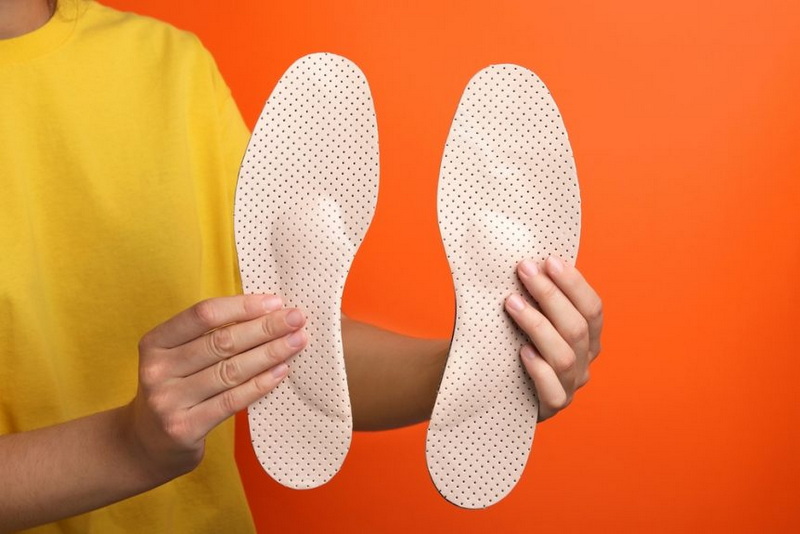
Custom orthotics follow a structured medical process, from assessment to fabrication and follow‑up adjustments. This path is ideal for people with complex or long‑standing foot and lower‑limb problems.[7][3][2][4]
The process usually begins with a consultation with a podiatrist, orthotist, or other foot specialist. During this visit, your medical history and current symptoms are reviewed in detail.[3][7][8]
- The clinician may examine posture, footwear, gait, and joint range of motion to understand underlying biomechanical issues.[3][8]
- Conditions such as diabetes, arthritis, previous injuries, and sports demands are factored into the treatment plan.[7][8]
Once the need for custom orthotics is confirmed, accurate measurements and impressions are taken. This stage determines how precisely the orthotics will match your feet.[9][7][3]
- Techniques include foam impression boxes, plaster casting, or modern 3D digital scanning of the feet and ankles.[3][8]
- These measurements capture arch height, pressure distribution, and structural deformities so that the final device can correct or accommodate them.[7][3]
The clinician then writes a detailed orthotic prescription based on the assessment and measurements. This prescription guides the orthotic lab in selecting materials and shaping the device.[10][9][3]
- Information typically includes diagnosis, desired corrections, material stiffness, posting angles, and cushioning requirements.[10][3]
- The lab team uses this data to design the shell, top covers, heel posts, and special features such as metatarsal pads or cut‑outs.[9][10]
The orthotics are manufactured in a specialized laboratory following the prescription and design. Production time usually ranges from about one to several weeks depending on complexity and workload.[10][9][8]
- Layers of materials are glued, pressed, shaped, and then hand‑cut to the requested length, followed by smoothing the edges.[9][10]
- Each pair is checked against the order to confirm that dimensions, stiffness, and special modifications match the prescription exactly.[10][9]
When the orthotics are ready, you return for a fitting to ensure comfort and function in your regular shoes. If needed, small adjustments can be made to improve fit, reduce pressure points, or refine support.[8][7][3]
- Break‑in schedules often start with one to two hours of wear per day and increase gradually over one to two weeks.[2][8]
- Follow‑up appointments allow the clinician to assess changes in symptoms and to grind, add pads, or modify covers to optimize results.[7][3]
Some simple practices can significantly improve comfort, durability, and results when using orthotic insoles. Paying attention to shoes, maintenance, and replacement timing is especially important.[1][2][6]
- Choose shoes with removable factory insoles, enough depth, and a firm heel counter so that orthotics can sit securely and work correctly.[11][1]
- Replace insoles when cushioning compresses, the shell cracks, or support feels noticeably reduced, which for many users is every several months for OTC and every few years for custom devices depending on usage.[2][6]
- For people with medical conditions such as diabetes or neuropathy, regular skin checks and professional follow‑up are crucial to avoid unnoticed pressure sores.[8][2]
Getting orthotic insoles begins with understanding your symptoms and choosing between OTC and custom solutions based on severity, budget, and long‑term goals. OTC insoles can be a convenient first choice for mild problems, while custom orthotics offer targeted correction and protection for complex or chronic conditions.[4][1][2]
Whichever path you choose, combining proper shoe selection, gradual break‑in, and periodic professional review will help you gain lasting comfort and better foot health. For brands, wholesalers, and manufacturers looking to provide reliable orthotic insoles to customers, partnering with an experienced OEM manufacturer in a major production hub ensures consistent quality, customization options, and scalable supply.[9][3][6][2]
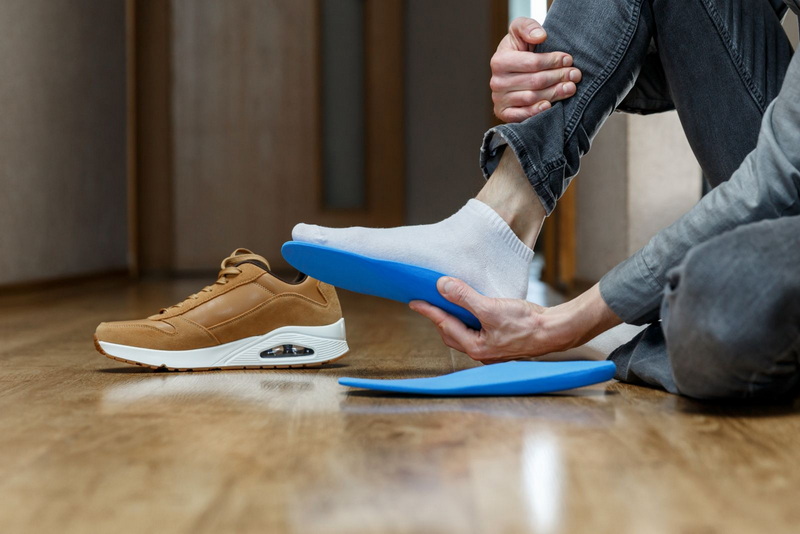
People often consider orthotic insoles when they experience recurring heel pain, arch pain, ball‑of‑foot discomfort, or knee and back pain related to standing and walking. If pain persists despite rest, footwear changes, or basic cushioning, a trial of OTC insoles or a professional evaluation for custom orthotics is usually recommended.[4][8][2]
OTC insoles are typically suitable for mild symptoms, general fatigue, or early plantar fasciitis when there are no major structural deformities. Custom orthotics are preferred for severe flat feet, high arches, long‑term pain, or when underlying medical conditions or sports demands require precise correction.[5][2][4]
From the initial consultation to delivery of finished orthotics, the process often takes around four to six weeks, depending on scheduling and lab workload. Some clinics and labs can deliver faster, but additional time may be required for adjustments after you start wearing them.[3][7][8]
OTC insoles may need replacement every several months when used daily, because cushioning and support materials compress and break down. Custom orthotics typically last longer, often one to several years, though lifespan depends on body weight, activity level, and materials used.[6][2][4]
Many insoles, particularly custom full‑length or three‑quarter‑length orthotics, can be transferred between shoes of similar style and size. However, very tight, dressy, or specialized footwear may require specific orthotic designs or slimmer profiles for an acceptable fit.[11][7][1]
[1](https://treadlabs.com/blogs/insoles-reach-your-stride/shoe-inserts-a-beginners-guide)
[2](https://www.iowaclinic.com/specialties/bone-joint/foot-ankle/custom-orthotics-vs-over-the-counter-insoles-whats-best-for-your-feet/)
[3](https://www.footsolutions.ie/the-process-of-getting-custom-orthotics/)
[4](https://www.orthopedicone.com/news-events/custom-vs-over-the-counter-orthotics-finding-the-right-fit/)
[5](https://www.greatbasinortho.com/articles/custom-orthotics-vs-over-counter-its-about-more-cost)
[6](https://theinsolestore.com)
[7](https://www.footlevelers.com)
[8](https://healthystepspedorthic.com/how-long-does-it-take-to-get-orthotics-made/)
[9](https://www.fdmotion.com/blog/how-to-manufacture-custom-orthotics)
[10](https://proliancesurgeons.com/the-custom-orthotic-process-what-to-expect/)
[11](https://insoles.com)
[12](https://powerstep.com)
[13](https://www.drscholls.com/collections/shoe-inserts)
[14](https://www.superfeet.com/collections/all)
[15](https://www.upstep.com)


