
Language
Views: 222 Author: Edvo Publish Time: 2025-12-28 Origin: Site


Content Menu
● Understanding Dr. Scholl's Custom Fit Orthotics
● Why Proper Insertion Matters
● Preparing for Orthotic Placement
>> Clean and Inspect the Shoes
>> Remove the Existing Insoles
>> Identify Left and Right Orthotics
● Step-by-Step Guide: How to Insert Dr Scholl's Custom Fit Orthotics
>> Step 1: Check the Shoe Size and Interior Space
>> Step 2: Compare the Original Insole with the Orthotic
>> Step 3: Trim for a Customized Fit
>> Step 4: Insert the Orthotic
>> Step 5: Test Your Fit and Comfort
>> Step 6: Allow an Adjustment Period
● Tips for Long-Lasting Comfort and Performance
● How Orthotics Improve Foot and Body Alignment
● Maintenance and Replacement Guidelines
● Matching Orthotics with Different Shoe Types
● When to Consult a Foot Specialist
● Caring for Your Feet Beyond Orthotics
● FAQ
>> 1. How long does it take for feet to fully adjust?
>> 2. Can I move my orthotics between different shoes?
>> 3. How do I clean and deodorize my orthotics?
>> 4. How often should I replace my Dr. Scholl's Custom Fit Orthotics?
>> 5. Are Dr. Scholl's orthotics suitable for medical foot conditions?
Comfort starts with your feet. Every step you take relies on the health, stability, and support of your soles. For people spending long hours walking or standing—whether at work, during travel, or in daily routines—Dr. Scholl's Custom Fit Orthotics provide an effective way to reduce pressure, minimize fatigue, and restore comfort.
However, to truly benefit from these personalized insoles, it's essential to know how to correctly orthotic insert Dr. Scholl's Custom Fit Orthotics. A proper installation ensures the orthotic performs as intended, aligning your feet naturally, supporting arches, and distributing body weight evenly. In this all-inclusive guide, we'll explore not only the step-by-step insertion process but also best practices, maintenance advice, and professional insights that help you make the most of your orthotics.

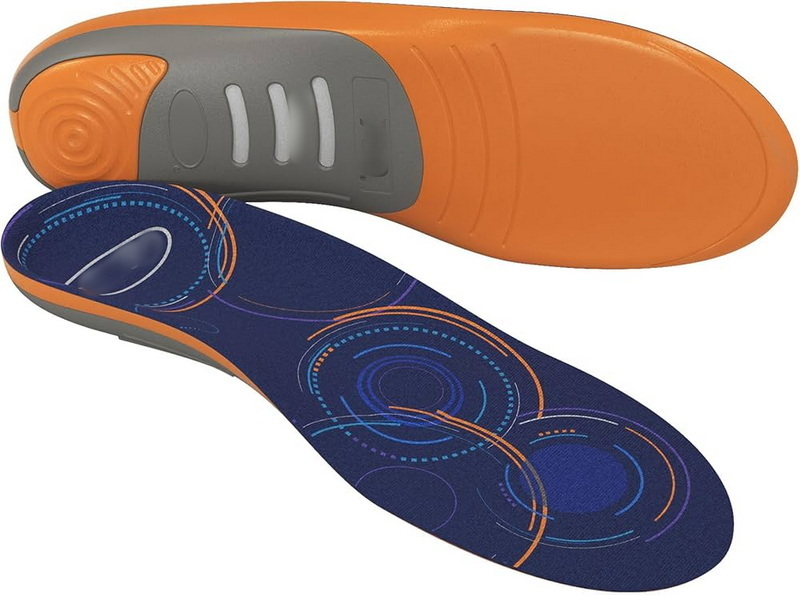
Dr. Scholl's Custom Fit Orthotics differ from ordinary insoles in both structure and function. Each pair is designed using foot-mapping technology to match different foot profiles, arch heights, and pressure zones. Instead of offering a one-style-fits-all solution, these orthotics are tailored to your specific comfort needs—making them ideal for all-day wear in casual sneakers, walking shoes, and work boots.
Each orthotic layer has a specific purpose:
- Top fabric layer provides a breathable surface that minimizes heat build-up.
- Cushioning core softens your steps and reduces impact on joints.
- Reinforced arch plate delivers structural support for proper alignment.
- Heel cup base stabilizes your foot and prevents slippage.
This combination of stability and comfort transforms your daily footwear into ergonomic support systems, preventing fatigue and improving balance with every step.
Many people underestimate the importance of correct orthotic positioning. An orthotic that's even slightly misaligned can compromise the product's ability to support your foot properly. Incorrect placement may also cause new pressure points, awkward gait changes, or premature damage to your footwear.
The right insertion, on the other hand, offers many benefits:
- Promotes even weight distribution across your foot.
- Enhances shock absorption for high-impact activities.
- Maintains natural alignment for better posture.
- Prevents localized pain caused by uneven padding.
- Increases durability by ensuring the orthotic sits flat and secure.
When inserted correctly, orthotics work harmoniously with your shoes, gently guiding your feet to achieve stability with lasting comfort.
Before inserting any orthotic, preparation ensures maximum effectiveness. Follow these best practices to start with a clean, comfortable foundation.
Remove dust, dirt, or debris inside your shoes. Surface buildup can cause the orthotics to shift over time. If needed, wipe the interior with a dry cloth to create a flat, clean base.
Most shoes come with built-in or removable insoles. Take them out entirely before placing your new orthotics. This step provides enough room for a snug fit without squeezing your feet.
If the shoe does not have a removable insole—such as in minimalist sneakers—confirm that the interior is firm, level, and smooth before continuing.
Dr. Scholl's Custom Fit Orthotics are designed specifically for each foot. Look for the “L” and “R” markings on the underside to ensure correct alignment from the start.
Examine your shoe type and size. Athletic sneakers, boots, or casual walking shoes with a mid-depth sole work best for orthotic inserts. Shoes that are too narrow or shallow may cause the orthotic to fold or shift. Make sure there's enough depth to accommodate the orthotic and your foot comfortably.
Place your shoe's original insole next to the Dr. Scholl's Custom Fit Orthotic. This lets you visually check the size match. Minor differences near the toe area are acceptable, but the heel and arch sections must align correctly. This ensures you receive full support under the foot's natural pressure zones—especially the midfoot and heel.
If your orthotic feels slightly too long or doesn't sit flat, you can trim it for perfect fitting. To do this:
1. Use the old insole as a cutting guide.
2. Trace the toe shape onto the orthotic with a pen.
3. Trim small portions gradually using sharp scissors.
4. Always cut from the toe area—not from the heel or arch—to prevent losing structural integrity.
Recheck the fit after every adjustment. It's better to cut less than to over-trim, ensuring a snug yet natural fit inside your shoe.
With the heel of the orthotic in hand, slide it into your shoe heel-first. Gently press down while positioning the rest of the insert toward the toe. Make sure the orthotic sits completely flat without folds or raised edges. The heel cup should line up securely with the back of your shoe, holding your foot comfortably without slippage.
Once both orthotics are inserted, wear your shoes and take a few steps around. Pay attention to how your arches feel. The arch support should rest comfortably under your mid-foot, and your heels should feel cradled without any wobbly movement. It's normal to experience minor pressure or new sensations during the first days as your foot adjusts to improved alignment.
To help your muscles adapt to the new support structure, begin by wearing your orthotics for one to two hours per day. Gradually increase wear time as comfort improves. Typically, full adjustment occurs within a week. Consistent use trains your body to maintain healthy posture and foot balance.
Once you've learned how to insert Dr. Scholl's Custom Fit Orthotics properly, a few small habits can dramatically extend their lifespan and comfort.
- Rotate shoes daily: Allow orthotics to air out between uses.
- Store in a dry, cool place: Avoid leaving shoes in damp or hot environments, which can weaken the material.
- Use thin socks: Thicker socks may change fit and reduce breathability.
- Monitor wear patterns: Inspect every few weeks to detect flattening, cracks, or curling edges.
- Clean monthly: Remove, wipe with mild soap and water, and dry completely before reinserting.
By following these habits, your orthotics will maintain consistent support and remain hygienic throughout their use cycle.
Even small missteps can influence comfort and durability. Avoid these common errors:
- Layering over original insoles: This makes your shoes too tight and alters alignment.
- Skipping trimming when needed: Oversized inserts cause toe curling or wrinkled placement.
- Using in high heels or narrow dress shoes: Orthotic design works best in flat or low-heeled footwear.
- Never cleaning the inserts: Sweat buildup can lead to odors and bacteria growth.
- Assuming instant adaptation: Give your feet time to get used to improved support—it's a gradual process.
Avoiding these mistakes ensures smooth integration and preserves the orthotics' structure.
Beyond comfort, orthotics play a critical role in correcting biomechanical imbalances. Proper alignment reduces stress on ankles, knees, and hips. Each time you step, the orthotic redistributes impact throughout your body. Over time, this encourages a more natural stride and relieves pain from conditions like:
- Flat feet or fallen arches
- Heel pain (plantar fasciitis)
- Overpronation or supination
- Joint stiffness
- Lower back tension
Dr. Scholl's Custom Fit Orthotics work as a foundation, improving both static posture and dynamic movement. Whether you walk, stand, or run, proper support minimizes friction and fatigue, enabling longer periods of physical activity without discomfort.
Regular maintenance preserves the effectiveness of your orthotics and extends their use beyond typical wear limits.
After removing them from your shoes, wipe each orthotic gently with a damp cloth. Use mild soap if necessary, but avoid harsh chemicals or soaking. Allow thorough air-drying in a shaded place—never near direct heat.
Every few weeks, assess the orthotic for:
- Flattened arch support
- Cracked cushioning
- Unusual odor or discoloration
Signs of heavy wear indicate that your orthotics are losing structural performance and need replacement.
For most users, replacement is recommended every six to twelve months depending on usage. Heavy users—such as warehouse workers, nurses, or athletes—may need earlier replacements due to continuous impact exposure.
Dr. Scholl's Custom Fit Orthotics are versatile, but correct pairing ensures optimal results.
- Athletic Shoes: Ideal for walking, jogging, or gym workouts. Provides cushioned stability.
- Work Boots: Reduces foot fatigue during long standing hours.
- Casual Sneakers: Supports daily wear without altering shoe aesthetics.
- Loafers or Flats: Works if space allows; remove thin factory insoles first.
- Outdoor Footwear: Good for hiking shoes if interior padding is removable.
Stay away from high heels, ballet flats, or extremely tight-fitting shoes, as these restrict foot movement and reduce orthotic efficiency.
While over-the-counter orthotics enhance general comfort and posture, they may not address every medical condition. You should contact a podiatrist if you experience:
- Sharp or chronic heel pain
- Pronounced gait imbalance
- Numbness or tingling in toes
- Persistent knee or hip discomfort
A professional assessment ensures early diagnosis and tailored treatment through custom medical-grade orthotics.
Complementing orthotic use with good foot care guarantees complete wellness. Consider adopting these habits:
- Stretch your ankles and calves daily to maintain mobility.
- Replace worn-out shoes promptly to preserve support balance.
- Keep toenails trimmed to prevent toe pressure.
- Moisturize dry areas, especially heels.
- Choose breathable socks to minimize sweat.
Healthy feet function better with supportive insoles, enhancing your walking experience in every environment.
Knowing how to insert Dr Scholl's Custom Fit Orthotics correctly transforms your shoes into powerful comfort tools. Start with clean shoes, remove existing insoles, align your orthotics precisely from heel to toe, and trim only when necessary. With consistent care and gradual adjustment, these orthotics deliver steady arch support, improve body alignment, and reduce daily fatigue.
In every environment—from professional workplaces to outdoor adventures—properly fitted orthotics act as an invisible foundation of comfort. Once you master insertion and maintenance, you'll notice more than relief in your feet; you'll experience better posture, enhanced energy, and true stability step after step.
Most people adapt within five to seven days of consistent wear. Begin gradually, increasing daily usage as your feet become accustomed to the improved support.
Yes, they are transferable as long as the shoes have enough interior depth and a removable insole. Always check the fit each time you switch footwear.
Wipe them using mild soap and lukewarm water. Let them air dry away from heat sources. For odor control, sprinkle a small amount of baking soda overnight and shake it out before use.
With normal use, replace them every six to twelve months. Signs like flattening, reduced cushioning, or odor indicate it's time for a new pair.
They are effective for mild discomfort, arch fatigue, and general support. For severe pain or diagnosed conditions such as plantar fasciitis or arthritis, consult a healthcare professional for prescription orthotics.


