


Content Menu
● Step-by-Step: How To Insert Shoe Insoles
>> Step 1: Remove the Old Insoles
>> Step 2: Match Shape and Size
>> Step 3: Clean the Inner Sole
>> Step 4: Insert the Insole from the Toe to the Heel
>> Step 5: Adjust Fit and Comfort
>> Step 6: Repeat For the Other Shoe
● Special Instructions for Different Shoe Types
>> Dress Shoes
>> Boots
● How To Maintain Shoe Insoles
● Choosing the Right Insoles for You
● Troubleshooting Common Problems
● Expert Tips for Long-Term Use
● OEM and Custom Solutions for Brands
● Environmental and Health Considerations
● Advanced Tips: Performance and Style
● FAQs
>> 1. How often should I replace my shoe insoles?
>> 3. How do I know if my insoles fit correctly?
>> 4. Can I use the same insoles for different pairs of shoes?
>> 5. What material is best for all-day comfort?
Adding insoles into your shoes can dramatically improve comfort, posture, and foot health. Whether you want to relieve pressure, enhance arch support, or extend the life of your footwear, learning how to properly insert shoe insoles ensures maximum performance and durability. This comprehensive guide offers detailed steps, practical examples, and expert insights for both everyday users and professional shoe brands.

Insoles play a key role in optimizing your foot's connection with your shoes. They are not just accessories but functional components engineered to improve support and reduce fatigue.
- Foot alignment correction: Insoles can help balance uneven weight distribution, especially for people with flat feet or high arches.
- Shock absorption: High-quality materials like EVA foam or gel cushion every step.
- Odor and moisture control: Many insoles use antimicrobial layers to reduce bacteria build-up.
- Improved fitting: They can help fill extra space and stabilize the foot inside oversized shoes.
A well-fitted insole gives your foot ideal structure support while keeping your movements natural and balanced throughout the day.
Start by checking if your shoes already contain removable insoles. Gently pull them out from heel to toe, making sure not to tear the shoe lining. If your shoes have glued liners, peel slowly to avoid damage. Removing the old insoles prevents uneven layering and ensures the new ones lay flat inside the shoe.
Lay the new insole on top of the old one to compare dimensions. Trim the toe edge gradually along the curve if the new one is larger. Holding scissors at a low angle gives more control and prevents sharp corners. Ensure the heel shape is identical to provide proper fit and prevent rubbing while walking.
Before putting in the new insoles, wipe down the inside of your shoes. Use a mild detergent solution or antibacterial wipes to clean built-up dirt and sweat. This step prevents unpleasant odor and allows the new insoles to adhere securely.
Slide the toe end of the insole in first. Use your fingers to press it down toward the heel while ensuring the surface remains flat. If it bunches or folds, reposition carefully. Check around the shoe edges for smooth contact. A perfect fit should show no raised sides or gaps.
After inserting, put on the shoes and walk around your home. If the insole slides forward or feels uneven, lift it and reposition again. For slippery interiors, place a small piece of double-sided tape beneath the heel or toe to stabilize the insole. Comfort should feel immediate, with even pressure across your footpad.
Repeat the same process for the second shoe. Your feet should feel balanced and cushioned equally. If one side feels higher or tighter, double-check trimming accuracy and placement.
Running shoes are designed to handle pressure and motion impact. Always select insoles made for athletic performance—preferably those with gel cushioning or heel shock absorption. Avoid stacking multiple layers, as it changes your gait and increases injury risk.
Dress shoes usually have narrow interiors. Use ultra-slim foam or leather inserts that maintain shoe shapes while adding gentle support. Leather insoles keep your feet dry and fresh throughout long business days.
Boots offer more space inside and work best with thick, supportive insoles. For work boots or hiking gear, choose heavy-duty orthotic insoles that reduce joint strain and stabilize ankle alignment.
Women's footwear often demands special attention. Half insoles or heel pads are ideal because they relieve pressure without affecting toe space. These options improve stability and provide shock relief on hard surfaces.
Proper maintenance extends the lifespan of your insoles and keeps them clean for daily use.
- Hand wash insoles monthly using mild soap.
- Air dry them at room temperature—avoid direct sunlight or machine drying.
- Sprinkle baking soda overnight to absorb moisture.
- Replace them when cushioning becomes thin or cracked.
- Store spare insoles inside ventilated bags to prevent odor buildup.
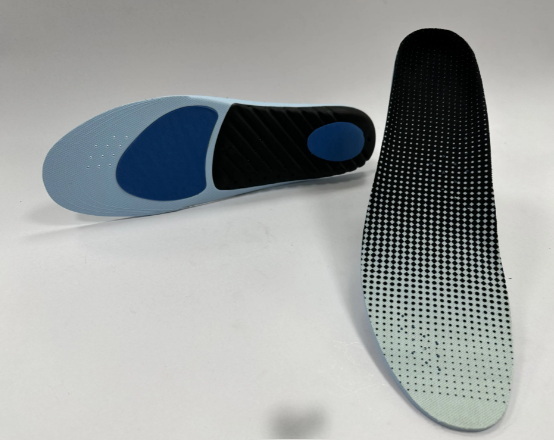
| Foot Type | Recommended Insole | Key Benefit |
|---|---|---|
| Flat feet | Arch-support orthotic | Corrects balance and alignment |
| High arch | Cushion insole | Distributes pressure evenly |
| Heel pain | Gel heel cup | Relieves impact stress |
| Sweaty feet | Breathable foam | Keeps feet dry and fresh |
| Daily walking | Memory foam insert | Enhances comfort for long hours |
An accurate choice depends on both your foot structure and shoe category. For long-distance walking, soft and flexible insoles are better. For sports, high-density elastic foam maintains stability.
- Insole Slipping: Secure with small adhesive dots or select styles with anti-slip backing.
- Toe Overhang: Re-trim carefully following toe curvature.
- Arch Misalignment: Check shoe size—incorrect footwear width can distort fit.
- Persistent Pain: Switch material type (foam, gel, cork) or visit a podiatrist.
- Overheating or Sweat: Use breathable mesh insole types with airflow channels.
To ensure your insoles last longer, rotate usage between pairs. Allow them to rest overnight after a full day of wearing to restore elasticity. Avoid folding or bending insoles when inserting, as it can weaken their internal structure. If your shoes often get wet, choose waterproof or quick-dry insoles for outdoor comfort.
You can also personalize support by adding heel cups or forefoot cushions depending on your unique walking pattern. Many professionals combine different insole layers for targeted pressure correction.
As a leading Chinese OEM insole manufacturer, we produce and customize insoles for global shoe brands, wholesalers, and retail manufacturers. Our facility develops advanced comfort products from premium materials including EVA foam, PU, memory foam, gel, latex, and environmental cork.
Customization options we offer:
- Tailored shapes and size precision for different shoe molds
- Multi-layer materials combining grip and ventilation
- Brand logo embossing and colored design compatibility
- Anti-fatigue structures designed for long-duty footwear
- Full international packaging and labeling for distribution
Our design team emphasizes ergonomic innovation—balancing aesthetics and scientific structure to deliver optimized support. We collaborate with clients worldwide to create unique branded shoe enhancement systems that meet specific market demands.
Modern consumers value safety and environmental responsibility. When selecting insoles, consider those made with eco-friendly materials like recycled EVA or cork. These materials maintain elasticity without harmful chemicals and are fully biodegradable.
For users with sensitive skin or allergies, choose hypoallergenic foam or medical-grade silicone insoles. These are soft, odor-resistant, and safe for long exposure. Promoting sustainable design not only protects your feet but also supports eco-conscious footwear trends.
- Layer for seasonal comfort: In winter, try wool-lined insoles for warmth; in summer, choose breathable mesh foam.
- Tailor-fit for athletes: Runners may combine arch inserts with heel stabilizers to maximize energy return.
- Fashion-forward users: Leather or carbon fiber insoles maintain luxury aesthetics while improving freshness.
- Long-term travelers: Memory foam insoles reduce swelling during prolonged walks or flights.
- Industrial applications: Specialized anti-fatigue insoles reduce strain for workers standing all day.
By understanding your performance needs and choosing complementary materials, you optimize movement efficiency and comfort simultaneously.
Learning how to insert shoe insoles correctly transforms ordinary footwear into supportive, comfortable gear. It is simple yet impactful—just remove, align, clean, and adjust. With consistent use, proper maintenance, and awareness of your foot type, insoles can relieve pain, improve posture, and extend shoe lifespan. For international brands looking for customized comfort technologies, partnering with a professional OEM insole manufacturer ensures precise craftsmanship and global market reliability.
Your feet deserve consistent care, balance, and comfort all day long. Start today by mastering insole insertion—it's a small change with major benefits for health and confidence.
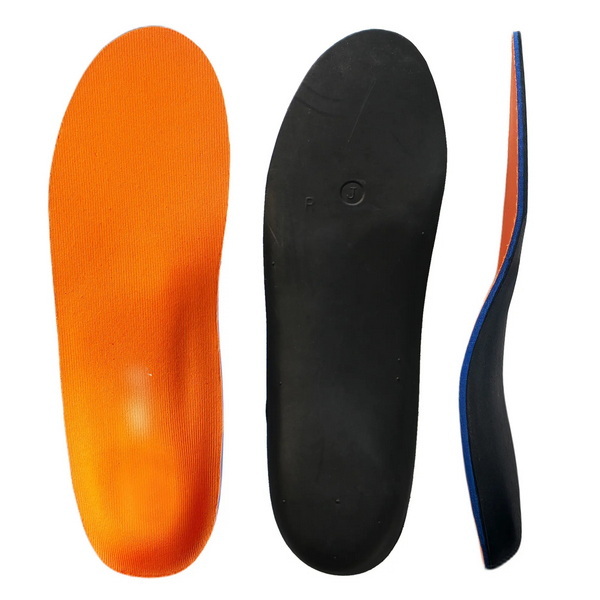
Replace insoles every 6–12 months based on usage, activity level, and visible wear. Running shoes or work boots may require earlier replacement due to higher stress exposure.
Yes. Clean periodically using mild soap and water. Avoid harsh chemicals, hot water, or machine wash settings that may damage cushioning layers.
They should align smoothly from toe to heel with no wrinkles, folds, or slipping when walking. Discomfort usually means incorrect trimming or incompatible shoe size.
It's possible, but not ideal. Constant removal and reinsertion can shorten their lifespan and distort fit. Dedicated insoles for each shoe pair give better durability.
Memory foam and EVA foam are top choices for comfort and shock absorption. Gel insoles are specialized for athletic use, while leather works well in formal footwear.


