
Views: 222 Author: Edvo Publish Time: 2025-12-28 Origin: Site


Content Menu
● Understanding Dr. Scholl's Custom Fit Orthotic Inserts
● Why Proper Installation Matters
● Step-By-Step Guide to Installing Dr. Scholl's Inserts
>> Step 2: Compare Sizes and Trim if Needed
● Installation Tips for Different Shoe Types
>> Work Boots
>> Casual and Everyday Footwear
>> Specialized Footwear (Sandals and High Heels)
● How to Maintain Your Orthotic Inserts
● Troubleshooting Common Issues
>> Insert Feels Too Tight or Bulky
>> Inserts Move Inside the Shoe
● Benefits After Correct Installation
● Extra Care Tips for Longevity and Comfort
● Understanding the Science Behind Orthotic Inserts
● When to Replace Your Orthotic Inserts
● Environmental and Material Considerations
● FAQ
>> 1. How long do Dr. Scholl's Custom Fit Orthotic Inserts last?
>> 2. Can I use the same inserts in different shoes?
>> 3. Do they work with open shoes or heels?
>> 4. How can I clean my inserts safely?
>> 5. My feet hurt after the first day of use. Should I stop wearing them?
Custom orthotic inserts are one of the simplest yet most effective ways to improve foot comfort, posture, and balance in daily movement. Among the world's top brands, Dr. Scholl's Custom Fit Orthotic Inserts stand out because they combine medical research with advanced cushioning technology. Designed to adapt to individual foot shapes and pressure points, they provide targeted arch support and heel stability for a wide range of users—from athletes and workers on their feet all day to those simply seeking greater walking comfort.
Whether you are replacing worn-out insoles or using orthotics for the first time, correct installation is critical. When inserts are installed properly, you enjoy consistent comfort, maximum performance, and longer product life. This guide will help you understand how to install Dr. Scholl's Custom Fit Orthotic Inserts correctly, describe their benefits in different shoe types, and offer professional care tips to extend their lifespan.

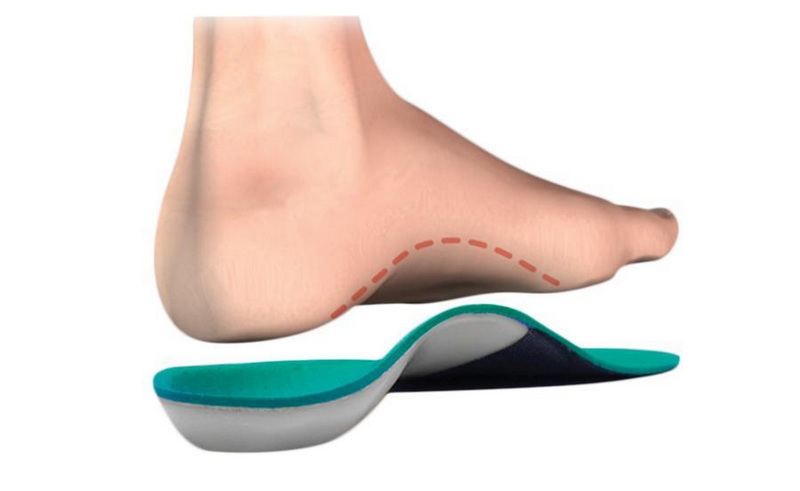
Dr. Scholl's Custom Fit Orthotic Inserts are engineered based on decades of podiatric study. Each insert's design targets different foot arch types, redistributing weight evenly across the sole. The insert's multilayer structure typically includes:
- A firm support layer that aligns the arch and heel.
- A cushioned mid-layer for shock absorption.
- A soft comfort top layer that minimizes friction against the skin.
Unlike generic flat insoles, these orthotics are created to mimic the natural motion of the foot, responding to each step's impact. The inserts not only improve walking comfort but also help prevent common foot problems such as plantar fasciitis, overpronation, and stress pain in the knees and lower back.
Dr. Scholl's Custom Fit system is based on a personalized assessment that identifies the user's unique pressure distribution. Each model number corresponds to a specific support profile, ensuring a tailored fit. Once the right insert is selected, the key to success lies in installing it properly within your shoe.
Orthotic inserts must sit correctly inside the shoe to function as intended. An insert misplaced even slightly may shift foot alignment or create uneven pressure, leading to discomfort or reduced performance. Proper installation ensures:
- Fullfoot support: The heel, arch, and toe zones align precisely with the shoe bed.
- Maximum shock control: Cushioning layers compress correctly under the body's weight.
- Reduced fatigue: Muscles in the foot and calf maintain natural alignment.
- Better balance: Correct heel positioning improves overall stability.
- Extended product life: Prevents wear and tear caused by friction or misalignment.
In short, accurate placement determines the level of comfort, effectiveness, and long-term benefits of the orthotic system.
Start by taking out the existing insole from your shoes. Most casual, athletic, or work footwear comes with removable liners that can be easily lifted out. By removing the original insole, you make space for the orthotic to fit securely without crowding your foot. If your shoes have non-removable soles, clean the inside surface thoroughly before placing the orthotic on top.
Lay the Dr. Scholl's Custom Fit orthotic on top of your old insole to check size compatibility. If it's slightly longer at the toe area, trim carefully along the outline of the original insole. Always cut in small increments, checking the fit each time. Keeping both inserts the same shape ensures precise positioning inside the shoe.
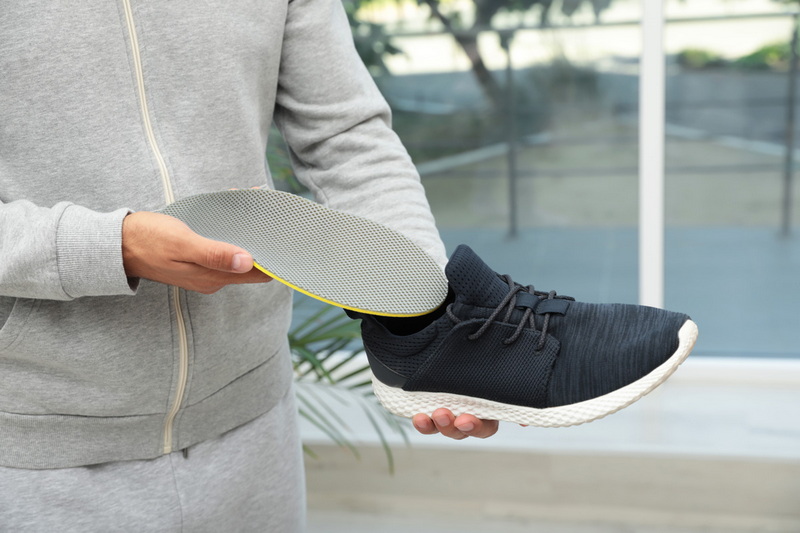
Slide the orthotic into your shoe, starting from the heel. The heel cup should nest firmly into the back of the shoe, resting flat against its base. Press it down to make sure the heel doesn't lift or wrinkle once the foot is inside. A secure heel base prevents forward slipping during motion.
When the heel is positioned correctly, adjust the front portion so it lies flat against the full shoe length. Use your fingers to smooth out any uneven folds. The insert should sit flush against the shoe interior without overlapping edges or creating raised surfaces. Uneven placement could cause irritation or disrupt your gait.
After installation, wear your shoes and walk for a few minutes indoors. Notice how your heel and arch feel. You should sense even pressure distribution and stable ankle support. If the insert moves or feels hard in one area, remove it, readjust, and reinsert until perfectly comfortable. Some users prefer using a thin sock during the break-in period for added comfort.
Orthotic inserts reposition the way your feet absorb and distribute pressure. As such, your muscles and tendons need time to adapt. Start by wearing them for one to two hours per day, gradually increasing the duration over the next week. Within several days, your feet should feel more relaxed and aligned.
Athletic shoes generally have spacious interiors with removable insoles, making them ideal for full-length orthotics. Align the arch zone with the natural curve of your foot. Secure fitting in sports footwear is essential for shock absorption during high-impact movement such as running or jumping.
Slim-fit dress shoes often have limited space. For such footwear, use thinner or ¾-length orthotics that focus on heel and midfoot support. Dr. Scholl's offers sleek designs that fit discreetly inside formal shoes without altering the fit.
For safety boots or industrial shoes, placement precision is key to stability. Install orthotics tightly against the heel pocket to prevent sliding during long hours of standing or walking. If the insoles are non-removable, insert the orthotic on top and secure it with friction-resistant socks.
For sneakers, slip-ons, and loafers, orthotics can be installed quickly. Just ensure that the insert's arch area sits directly under your natural foot curve. Avoid any gaps between the toe end and the shoe wall, as movement can cause discomfort over time.
Not all custom orthotics are suitable for open shoes. However, half-length or adhesive pads can provide heel stabilization. It's important to select inserts specifically designed for the shoe category rather than force-fitting regular ones.
Everyday wear, moisture, and friction affect durability. Proper maintenance can double the life of your orthotics. Follow these guidelines:
- Routine cleaning: Use warm water and mild soap to wipe surfaces. Avoid soaking them.
- Air drying only: Allow the inserts to dry at room temperature; never place near direct heat.
- Odor management: Sprinkle baking powder or use odor-absorbing sheets in shoes after long wear.
- Rotation strategy: If you wear multiple pairs of shoes, rotate the orthotics between them periodically to maintain shape.
- Replacement timeline: Generally, replace every six to twelve months, or sooner if compression or surface cracking appears.
Clean and well-maintained inserts maintain maximum cushioning and cushion rebound, ensuring consistent performance over hundreds of miles or hours of wear.
Trim a small amount from the toe area. If tightness persists, consider switching to a thinner model or using half-length orthotics.
This occurs if the insert is not seated firmly against the shoe's heel pocket. Remove it and press firmly when reinstalling, ensuring no debris underneath.
Short-term discomfort may occur as your body adjusts. If pain continues beyond a week, realign the insert or verify size accuracy.
Check that the shoe's interior is dry and clean. Friction-reducing fabrics cause sliding—using textured socks can improve grip.
Allow your orthotics to air out after each day's use. Moisture is the main cause of odor, so proper ventilation and cleaning are essential.
Once properly installed, Dr. Scholl's Custom Fit Orthotic Inserts deliver multiple advantages that go beyond just comfort:
- Enhanced stability and posture: The spine and legs align naturally due to proper foot positioning.
- Pain relief: Users often notice reduction in arch, heel, and lower back pain after consistent use.
- Energy efficiency: Balanced weight distribution reduces muscle fatigue and improves walking endurance.
- Versatility: Suitable for nearly any shoe type, offering continuous comfort throughout the day.
- Long-term joint protection: By improving biomechanics, orthotics help prevent degenerative issues like knee stress and hip discomfort.
With consistent use and proper fitting, you can experience an overall improvement in walking confidence and mobility.
To make your orthotics perform at their best, treat them as precision tools for your feet. Here are additional care tips used by professionals and podiatrists:
- Avoid water exposure: Moisture weakens adhesive bonds and warp-resistant materials.
- Do not share orthotics: Each pair molds slightly to the user's body weight and gait pattern.
- Store properly: Keep orthotics in a cool, dry place, away from direct sunlight.
- Use inside closed shoes only: This prevents dust accumulation and maintains their grip texture.
- Monitor signs of fatigue: Reduced cushioning or uneven thickness means it's time to replace them.
By maintaining these small habits, your orthotics can easily last longer while preserving structural integrity and comfort.
Dr. Scholl's orthotics use biomechanics principles—the science of movement. Each step produces force equal to several times your body weight. Without proper cushioning, these forces travel upward through bones and joints. Custom orthotics absorb that pressure before it affects your knees or spine.
The inserts act as shock absorbers and alignment guides simultaneously. They encourage your feet to strike the ground evenly, reducing inward or outward rolling. For workers standing for extended hours, this results in less ankle swelling and fatigue. For athletes, it promotes energy return, allowing longer performance without additional strain.
By supporting natural gait mechanics, orthotics also minimize the risk of long-term injuries. Continuous use helps maintain a steady posture even when walking on hard concrete or uneven terrain.
Even with good maintenance, orthotics gradually lose their structural resilience due to repeated compression. Signs it's time for a new pair include:
- Noticeable flattening of the arch area.
- Surface peeling or odor even after cleaning.
- You experience renewed foot pain or instability.
- The insert material edges become brittle or curled.
Replacing inserts promptly ensures consistent body alignment and comfort. Users who rely on them all day—such as factory workers, nurses, and delivery personnel—often schedule refresh cycles every six months for best support results.
Modern Dr. Scholl's orthotics are designed with eco-friendly materials and lightweight composites. These layers are engineered for both performance and sustainability. The foam materials are recyclable and free from heavy chemical components, which aligns with global environmental initiatives within the footwear industry. For businesses providing OEM insoles or private-label shoe accessories, this sustainable feature enhances brand reputation in export markets.
Manufacturers producing custom inserts or shoe accessories often study brands like Dr. Scholl's to benchmark ergonomic design, adhesive technology, and durability. From cushioning foam to antibacterial layers, each component represents advanced comfort engineering that global consumers now expect.
Learning how to install Dr. Scholl's Custom Fit Orthotic Inserts the right way ensures comfort, improved walking alignment, and long-lasting performance. Proper positioning balances weight distribution, supports your arches, and reduces daily fatigue. The process is simple—remove old insoles, align the heel accurately, smooth the insert flat, and gradually adapt your wear time. Combine that with proper care, and your orthotics will serve you reliably for months.
Whether used in athletic shoes, work boots, or daily sneakers, these inserts provide consistent comfort that supports healthy posture and confident movement. A well‑installed pair of orthotics doesn't just enhance your footwear; it upgrades your entire walking experience.
Most pairs last from six months to a full year, depending on daily use and care. Heavy foot traffic or demanding physical activity may shorten their lifespan.
Yes, they can be moved between similar shoe sizes and shapes. Always ensure they fit firmly and lie flat before wear.
Typically, full-length orthotics are meant for closed footwear. For heels or sandals, try half-length models designed for discreet support.
Use a damp towel and light soap, then let them air dry thoroughly. Never machine wash or use a heater as it may warp the material.
Mild soreness is normal as your muscles adjust. If discomfort continues beyond a week, check your alignment or consult a professional.


