
Language
Views: 222 Author: Edvo Publish Time: 2026-01-03 Origin: Site


Content Menu
● Understanding Spenco 3/4 Orthotics Inserts
● The Science Behind Custom Molding
>> Key benefits of correct molding:
● Step-by-Step Guide: How To Mold Spenco 3/4 Orthotics Inserts
>> Step 1: Prepare the Environment and Materials
>> Step 2: Set the Oven Temperature
>> Step 3: Place Inserts on Tray
>> Step 6: Immediate Insertion and Wearing
>> Step 8: Test Comfort and Stability
● Advanced Tips for Optimal Molding Results
● Use Cases and Benefits for Different Users
>> For Flat-Footed Individuals
>> For People with High Arches
● Maintenance Techniques for Longevity
● Selecting the Right Footwear to Pair with Spenco Orthotics
● Troubleshooting After Molding
● The Long-Term Impact of Custom Orthotics
● FAQs About Molding Spenco 3/4 Orthotics Inserts
>> 1. How many times can I mold my Spenco inserts?
>> 2. Can I trim Spenco 3/4 orthotics if they feel long?
>> 3. Are molded orthotics suitable for different shoes?
>> 4. What if the inserts lose shape over time?
>> 5. Do molded Spenco orthotics help relieve chronic foot pain?
Comfort, stability, and proper alignment play vital roles in maintaining foot health. Spenco 3/4 Orthotics Inserts are among the most trusted solutions for achieving these goals, offering structured support that adapts to your body mechanics. However, many users fail to unlock their full potential because they overlook one critical step — the molding process.
Learning how to mold Spenco 3/4 orthotics correctly ensures the inserts conform precisely to your unique foot shape. This not only provides personalized comfort but also delivers clinically beneficial support that helps improve posture, prevent injuries, and reduce foot fatigue. In this article, we will explore everything you need to know about how to mold Spenco 3/4 orthotics inserts effectively and care for them for long-lasting use.
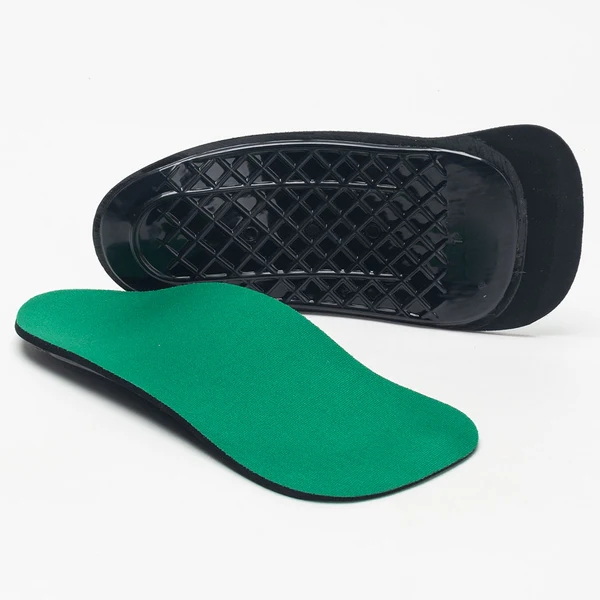
Spenco 3/4 orthotic inserts are precision-engineered devices designed to improve foot mechanics. Unlike full-length insoles, these inserts extend from the heel to the ball of the foot, leaving your toes free and allowing a more natural flexion motion. They are ideal for people who need arch and heel support but still want flexibility and comfort at the front of the foot.
Most Spenco models combine multiple layers of functional materials, including:
- Thermoplastic Base Plate: Ensures stability and allows heat molding for customization.
- Cushioned EVA Foam: Adds comfort and shock absorption.
- Antimicrobial Top Cloth: Keeps feet dry, fresh, and odor-free.
- Arch Stabilizer: Provides biomechanical control to correct pronation and alignment issues.
The concept behind these orthotics is simple but powerful: by customizing the insert's shape to your foot structure, you reduce stress on joints and muscles, making every step smoother and more efficient.
Each person's feet differ in shape, pressure points, and arch contour. Generic insoles cannot account for these variations, often leading to discomfort even when using high-quality inserts. Heat-moldable orthotics solve this issue by softening under controlled heat, allowing the material to take an impression of your foot's natural curves.
When properly molded, the insert's arch contour mirrors your own, supporting your natural alignment. This precision molding process reduces strain on the plantar fascia, Achilles tendon, and lower leg muscles. Athletes, workers who stand long hours, and individuals with flat feet or high arches benefit the most from this customization.
Molding Spenco orthotics is not a complicated task — but precision and timing are essential. A minor mistake during heating or fitting can alter their structure and reduce effectiveness. Therefore, understanding the correct method ensures reliable results and better comfort every time you wear them.
Many users insert orthotics directly from the box and expect immediate relief. While Spenco products are ergonomically pre-shaped, customizing them through molding refines their comfort and enhances durability.
- Personalized Foot Support: Aligns with your arch and heel structure.
- Reduced Muscle Fatigue: Encourages natural biomechanics for efficient walking and standing.
- Improved Shoe Fit: Creates seamless contact with footwear to prevent shifting or friction.
- Long-Term Postural Balance: Provides stability for hips, knees, and lower back.
- Better Performance in Sports: Absorbs impact during running, hiking, or training activities.
In simple terms, properly molded orthotics integrate with your footwear to become an extension of your feet — delivering both comfort and corrective biomechanics.
Below is an easy-to-follow molding guide for achieving a customized and supportive fit.
Choose a clean, spacious area. You will need:
- Conventional oven (not microwave oven)
- Oven-safe tray or baking sheet
- Parchment paper or aluminum foil
- A pair of clean socks
- Your selected shoes
- Spenco 3/4 orthotics inserts
Ensure your workspace is well-lit and free from moisture or debris. This preparation prevents contamination or uneven heating.
Preheat the oven to approximately 200°F (around 93°C). This moderate temperature ensures gradual softening of the insert's thermoplastic layer without melting or distorting the material. Allow the oven to fully preheat before placing the inserts inside.
Line the tray with parchment paper and place the orthotics with the top surface (fabric layer) facing up. Avoid placing them directly onto the metal tray to prevent localized overheating. Position them evenly to guarantee consistent heat distribution.
Put the tray into the oven for about two minutes. Keep a close eye on the time — overheating the inserts may warp their shape or damage the antimicrobial surface. The goal is a gentle softening, not complete pliability.
After two minutes, carefully touch the edge of one insert. It should feel warm and slightly flexible but not too soft. Use an oven glove or cloth to remove them safely.
Place the heated orthotics into your shoes immediately. Put on your socks and step into the shoes promptly. Stand naturally for two to three minutes, distributing your body weight evenly on both feet. Stay still and upright as the inserts cool slightly and conform to your arches and heel outlines.
After the initial standing period, remove your shoes gently and allow the orthotics to cool completely at room temperature. Do not use fans or cold water to speed up cooling — gradual cooling solidifies the exact molded shape.
Once cooled, wear the shoes and walk a few steps on flat ground. Properly molded inserts should feel snug but not tight, comfortably supporting your arches while keeping your heel stable.
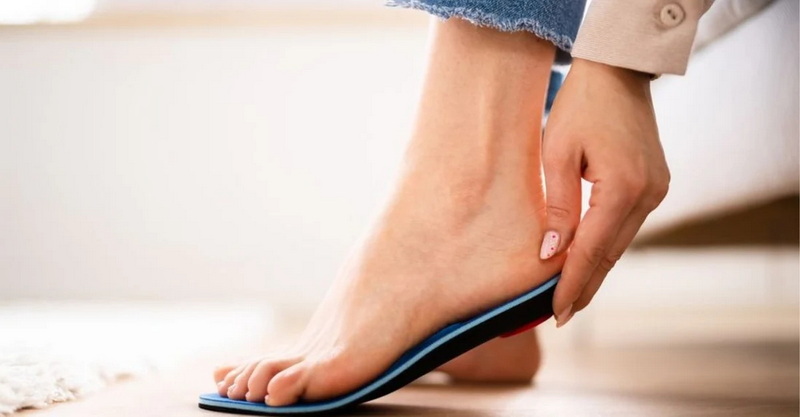
- Always ensure your shoes have removable insoles to create space for orthotics.
- Do not mold inside old or uneven shoes, as worn-out midsoles can deform the new orthotic's surface.
- Avoid thick socks during molding sessions; they create extra spacing that affects fit accuracy.
- If you experience uneven pressure after molding, reheat slightly for a shorter duration and repeat the standing phase.
- Once molded to your feet, do not expose orthotics to extreme temperatures, such as leaving them in a car on hot days.
These small practices make significant differences in fit precision and product lifespan.
Even with a simple process, mistakes during the molding phase can compromise results. Below are frequent errors to stay away from:
1. Overheating the inserts: Causes the base to bubble or wrinkle permanently.
2. Skipping the standing posture step: Without your body's pressure imprint, arch contouring remains incomplete.
3. Using non-recommended footwear for molding: Shoes without sufficient structure distort alignment.
4. Making post-molding trimming too early: Wait until inserts fully harden before resizing if necessary.
5. Attempting to rush cooling: Cooling too fast causes micro-cracks and uneven density.
Being patient and precise guarantees that your Spenco orthotics deliver their full performance benefits.
Spenco 3/4 orthotic inserts serve diverse users across various activity levels. Understanding how and why to mold them can maximize each user's performance and comfort.
Long hours on hard surfaces strain the fascia and heel region. Molding your inserts ensures the arch support aligns with your foot structure, offering constant cushioning during prolonged standing or walking.
Runners experience repetitive impact cycles that stress their arches and ankles. Properly molded orthotics stabilize foot motion and absorb shock more effectively. This helps minimize joint pain, shin splints, and plantar fasciitis risk.
Customized molding compensates for collapsed arches, enhancing balance and alleviating pronation. It also improves walking endurance and reduces fatigue.
High-arched feet often suffer from uneven load distribution. A molded insert contours the midfoot, spreading force evenly across the sole, minimizing calluses and metatarsal pain.
Older adults demand additional stability and comfort. Molding orthotics enhances traction and confidence while walking, reducing slipping risks and knee strain.
Well-cared-for orthotics last longer and maintain functionality. Here's how to keep them in top condition:
- Daily Cleaning: Wipe with a soft damp cloth using mild detergent.
- Drying: Always air dry naturally; heat drying methods degrade foam elasticity.
- Avoid Submerging in Water: Soaking can loosen adhesive layers inside the orthotic.
- Continuous Rotation: Alternate between two pairs if used daily to reduce wear stress.
- Inspection Intervals: Examine for cracks, compression, or deformations every few months.
- Replacement: Replace approximately every 12 months or once noticeable flattening appears.
A well-kept pair ensures stable, hygienic performance without odor build-up or material fatigue.
Orthotics perform best when paired with supportive footwear. When selecting compatible shoes:
- Look for firm heel counters that lock the heel in place.
- Ensure adequate midsole cushioning to complement arch functionality.
- Choose neutral footwear profiles without exaggerated built-in arches.
- Guarantee ample toe space to prevent crowding or friction.
- Prioritize shoes with removable factory insoles to make room for custom orthotics.
Shoes and orthotics operate together — the right pairing unlocks maximum comfort and biomechanical correction.
After molding, some wearers may still feel mild discomfort. Before assuming improper molding, consider checking the following:
- Are the inserts aligned correctly within the shoe? If twisted or misaligned, remold them.
- Are you using new footwear? Excess wear on shoe soles can throw off balance.
- Is the arch too high or firm? Try shorter heating duration to achieve a milder contour.
- Do you feel uneven support? Reheat for one minute and remold for better symmetry.
- Persistent pain? Visit a professional podiatrist for evaluation.
Proper troubleshooting ensures you maximize the insert's potential effectiveness without frequent replacements.
Custom-molded inserts not only bring immediate comfort but also contribute to long-term foot and postural health. Correct alignment cultivated through continuous use can progressively reduce ankle rotation, enhance balance, and relieve tension on leg muscles.
For workers, students, or athletes, small biomechanical improvements accumulate over time. The consistent support provided by molded Spenco 3/4 orthotics can mean fewer injuries and an improved quality of life.
Molding your Spenco 3/4 Orthotics Inserts is a simple yet precise process that transforms them from standard insoles into custom support tools tailored to your unique anatomy. Taking the time to heat, position, and mold your inserts properly ensures correct foot alignment, balanced weight distribution, and lasting comfort.
Combined with high-quality footwear and regular maintenance, a properly molded orthotic becomes an invaluable partner in everyday foot care — promoting posture stability, reducing fatigue, and protecting long-term joint health. Whether you are on your feet all day, training vigorously, or seeking relief from chronic discomfort, this small investment of time yields lasting benefits for months to come.
You can safely remold the inserts once or twice if you need to adjust the fit. Excessive reheating can stiffen or damage internal layers, reducing performance.
Yes, minor trimming is possible after full cooling, but only at the toe end. Always use sharp scissors and avoid altering the heel or arch section.
They can be transferred between various shoes of similar type and size. However, for optimal results, mold the inserts separately for your most frequently used pair.
Repeated heat exposure and heavy wear can cause flattening. Try reheating for a short duration and standing again to refresh contour, or replace them if structure is compromised.
Yes. When customized correctly, they provide stable arch support, alleviate heel pressure, and improve mobility, reducing discomfort from conditions like plantar fasciitis or metatarsalgia.


