
Views: 222 Author: Edvo Publish Time: 2026-01-15 Origin: Site


Content Menu
● Understanding Kids' Orthotic Insoles
● How Children's Foot Growth Affects Insole Sizing
● Step-by-Step Guide: How To Pick the Right Kids Orthotic Insole Size
>> Step 1: Measure Foot Length Correctly
>> Step 2: Match Foot Length with Insole Chart
>> Step 3: Understand Arch Type
>> Step 4: Check Shoe Compatibility
● Factors That Influence Insole Fitting
● Avoiding Common Mistakes When Buying Kids' Orthotics
● Maintaining and Replacing Kids' Orthotic Insoles
● Environmental Factors Affecting Fit and Comfort
● Typical Materials Used in Kids' Orthotic Insoles
● Tips for Parents and International Buyers
● Benefits of Using Well-Fitted Orthotic Insoles
● Example Sizing Reference Chart
● Professional Advice for Persistent Foot Issues
● FAQ
>> 1. How often should I measure my child's feet?
>> 2. Can kids use orthotic insoles in school shoes or sneakers?
>> 3. What should I do if one foot is larger than the other?
>> 4. Are orthotic insoles only for children with foot problems?
>> 5. How long do orthotic insoles last for kids?
Selecting the right orthotic insole size for children is much more than a matter of comfort—it's a key step in protecting proper foot development, balance, and posture. Since kids' feet grow quickly and vary widely in shape, fitting orthotic insoles can seem challenging for parents, shoe retailers, and international buyers alike. This guide will walk you through every important factor involved in choosing kids' orthotic sizes correctly, from understanding foot anatomy to matching insole types and ensuring a precise fit.
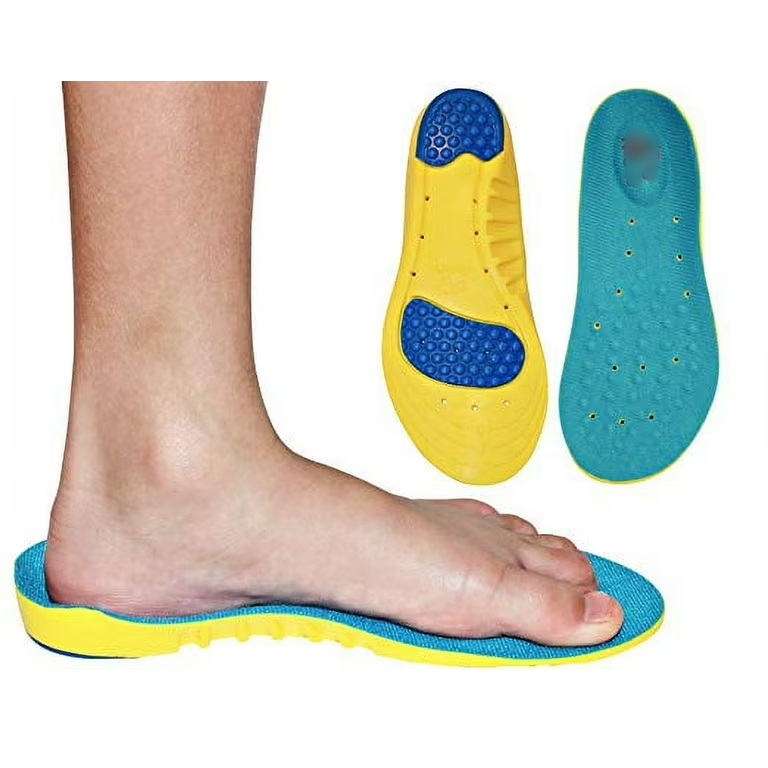
Orthotic insoles are designed to improve foot alignment and reduce strain caused by poor posture, uneven gait, or incorrect shoe support. For children, they can be preventive or corrective tools that help ensure the foot grows in a healthy and balanced way. A well-made kid's orthotic supports the heel, maintains arch structure, and absorbs the shock of daily movement—especially during energetic play, running, or sports.
These insoles are typically made of cushioning and stabilizing materials such as EVA foam, gel, PU, or memory foam. Some come with reinforced heel cups and arch control zones to correct overpronation, which happens when the foot rolls inward excessively while walking. Others are made for general comfort, distributing weight evenly and improving overall posture.
The size of a child's orthotic insole determines how effectively the insert supports natural movement. If the size or alignment is even slightly off, the insole might fail to provide correct arch support or could cause discomfort. Proper sizing not only ensures comfort but also maximizes orthopedic benefits.
A correct fit does three things:
1. Supports natural growth without pressing or restricting the foot.
2. Improves biomechanical alignment by stabilizing the heel bone during motion.
3. Prevents injury by reducing excessive strain on muscles, tendons, and joints.
Incorrect sizing, on the other hand, may create pressure points, misalignment, or discomfort that discourages the child from wearing the insoles at all.
Children's feet are flexible and constantly evolving. They grow faster than adult feet, and each growth spurt may change not only the size but also the shape and arch curvature. Therefore, choosing the right insole size isn't a one-time task but a recurring process.
On average, a child's foot may grow by about half a size every few months. However, some kids experience faster or slower growth depending on their activity level, nutrition, and genetics. Frequent measurement and replacement of insoles help ensure that the foot remains properly supported.
To keep up with these changes:
- Measure your child's feet every three months during preschool years.
- Recheck every four to six months for children above age six.
- Replace insoles once they show signs of compression, flattening, or misfit inside the shoe.
Even premium orthotics can lose their structure over time, so a balance between growth tracking and material quality is essential.
Following a clear sizing process helps prevent confusion when choosing among different brands and models. Here's how to make sure you get a perfect fit.
Place a sheet of paper against a wall, and have the child stand barefoot, heels touching the wall. Draw a mark at the longest toe, then measure from the heel to that mark. This is the accurate foot length measurement. Always measure both feet—one is often slightly larger—and use the longer measurement as the reference.
Compare the measured length to the insole manufacturer's size chart. Remember that orthotic insoles often differ slightly from standard shoe sizes. When in doubt, check for the insole length in millimeters instead of relying only on U.S. or EU size labels.
Before selecting the orthotic type, identify your child's arch shape. There are three common arch types:
- Low arch (flat feet): Choose insoles with firm medial arch support.
- Neutral arch: Opt for balanced cushioning and structured arch reinforcement.
- High arch: Pick soft-cushion insoles with gentle support under the arch.
If unsure, have your child walk barefoot on a flat surface after getting their feet slightly wet—the footprint shape will reveal the arch type.
Not every insole fits seamlessly into every shoe. Athletic shoes usually have more space for thicker insoles, while school or fashion shoes might require thinner versions. Always insert the orthotic into the shoe to see if it lies flat and stable without folding or sliding.
Have your child wear the orthotic for an hour or two first, then increase usage over several days. Comfort should feel natural—no pinching, arch soreness, or heel slippage. Replace immediately if any pain appears, as a wrongly sized insole can hinder development.
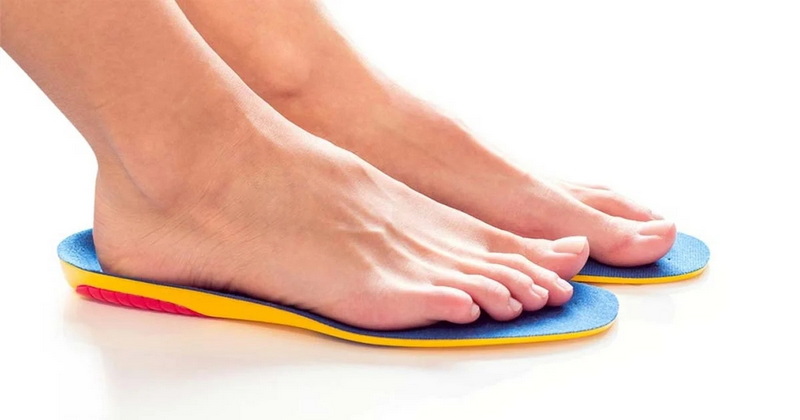
When evaluating insole size and fit, pay attention to more than just the length. The following aspects also affect how well an orthotic will function:
- Foot Width: Some insoles come in wide, narrow, or regular versions. Choosing incorrectly can lead to pressure spots or reduced performance.
- Heel Cup Depth: A deeper heel cup provides more stability, especially for active children or those with pronation issues.
- Insole Thickness: Materials like memory foam and PU add volume inside the shoe. Ensure the shoe still fits comfortably once the insole is placed inside.
- Flexibility and firmness: Insoles for everyday wear should be flexible enough to move naturally, while those for flat feet require a firmer construction.
- Odor and moisture resistance: For hygiene, choose insoles with breathable or antibacterial linings.
These combined features determine whether the insole will give consistent support or quickly deform after repeated use.
A perfectly fitted orthotic insole should:
- Hold the heel snugly without movement.
- Align the arch naturally with the foot's curve.
- Allow full toe movement without squeezing.
- Sit flat inside the shoe with no gaps or curls at the edges.
Check after a week of use—if the child's walking pattern looks balanced and there's no visible wear on one side of the insole, the size and shape are probably correct.
Parents and buyers sometimes make predictable errors that could affect comfort and performance. Here are the most common ones and how to avoid them:
1. Assuming shoe size equals insole size: Insoles often vary in shape even within the same labeled shoe size. Always confirm measurements.
2. Buying larger sizes to last longer: Orthotics aren't like clothes; an oversize insert can slide, causing friction blisters or unstable support.
3. Cutting insoles too much during trimming: Many orthotics are trimmable at the front, but cutting too far can destroy their support shape.
4. Using adult guides for child sizing: Foot growth patterns differ dramatically between children and adults.
5. Ignoring posture evaluation: Sometimes, discomfort comes from leg or hip alignment issues, not only feet—so professional feedback can help.
By keeping these points in mind, you can avoid unnecessary pain or wasted purchases.
Proper care ensures longevity and consistent effectiveness. Here are best practices for maintaining performance:
- Air-dry after use: Especially after sports or hot-weather wearing.
- Hand-clean only: Avoid machine washing, which can break down the supportive layers.
- Rotate between pairs: If possible, alternate insoles daily to allow airing out and shape recovery.
- Inspect monthly: Look for compressed foam, cracks, or odor retention.
Most children outgrow or wear out orthotic insoles within four to six months. Regular monitoring allows timely replacement before discomfort develops. When upgrading size, choose the next accurate fit rather than skipping multiple size increments.
Temperature and environment can also influence orthotic performance. For example, EVA foam or PU materials may expand slightly in heat or harden in cold weather. Breathable mesh or antimicrobial top layers help regulate temperature and moisture accumulation, reducing bacterial growth and odor.
Humidity also impacts footwear interiors. Using moisture-wicking socks and storing shoes in dry conditions helps preserve the orthotic's shape and comfort. Parents should remind children not to wear wet shoes for prolonged periods, as that can compromise both support and hygiene.
Manufacturers use several material combinations to achieve varying support levels:
- EVA (Ethylene Vinyl Acetate): Lightweight, flexible, and cushioning. Ideal for daily wear.
- TPU (Thermoplastic Polyurethane): Adds durability and shape retention.
- PU foam: Provides shock absorption and comfort during extended walking.
- Gel or Silicone Layers: Improve energy return for sports or running applications.
- Fabric or Mesh Linings: Increase breathability and moisture control.
When evaluating products for wholesale or OEM purchasing, checking for certified, non-toxic, and odorless raw materials ensures safety and market compliance across global regions.
Whether you are purchasing on behalf of your child or sourcing insoles for retail, keep the following strategies in mind:
- Measure in the afternoon since children's feet slightly expand by the end of the day.
- Look for insoles labeled specifically for pediatric or junior use, as these follow a different proportion standard than adult insoles.
- Check whether the orthotic model features replaceable covers or adjustable height pads.
- Ask suppliers to provide insole length and width charts in millimeters, not just shoe sizes.
- Pay attention to certifications—such as REACH or ISO standards—when buying in bulk for export.
By emphasizing these points, both parents and overseas partners can guarantee high-quality, safe, and reliable footcare products for children.
Children wearing correctly sized orthotic insoles experience both immediate and long-term benefits:
- Enhanced walking stability and reduced fatigue.
- Balanced pressure distribution preventing localized pain.
- Healthier posture and gait as bones and muscles develop.
- Improved confidence during sport and play.
- Lower risk of foot conditions like flat feet, plantar fasciitis, or shin pain later in life.
These advantages highlight why taking sizing seriously isn't just about comfort—it's an investment in your child's physical well-being.
Although measurements differ slightly between brands, below is a general sizing overview that aligns foot length and approximate insole dimensions:
| Foot Length (mm) | Approx. US Kids’ Shoe Size | Suggested Insole Length (mm) |
|---|---|---|
| 145–150 | 8C | 150 |
| 151–160 | 9C | 160 |
| 161–170 | 10C | 170 |
| 171–180 | 11C | 180 |
| 181–190 | 12C | 190 |
| 191–200 | 13C | 200 |
| 201–210 | 1Y | 210 |
| 211–220 | 2Y | 220 |
| 221–230 | 3Y | 230 |
| 231–240 | 4Y | 240 |
Always choose the closest match according to actual foot measurement, and if your purchase includes trimming lines, follow them carefully without removing structural support areas under the arch or heel.
If your child complains of chronic foot, ankle, or leg pain—even after wearing orthotic insoles—consult a medical professional. Pediatric podiatrists can evaluate foot posture, gait alignment, and muscle function more deeply. In some cases, custom orthotics may be recommended for maximum biomechanical correction. These medical-grade insoles are molded from a 3D impression of the foot to ensure precise arch and heel positioning.
Retail and OEM buyers should also note that offering adjustable or semi-customizable orthotics adds commercial value for end users who require more specialized support.
Selecting the right kids' orthotic insole size is a thoughtful process that combines accurate measurement, understanding of foot anatomy, and awareness of children's growth patterns. The best practice is to measure both feet, compare results against the manufacturer's chart, and test fit within the actual shoe. Always prioritize comfort, arch alignment, and heel stability over assumptions about shoe size.
A properly sized insole promotes healthy growth, balanced walking posture, and long-lasting comfort—whether for everyday school use or active sports. By investing in suitable orthotic support, parents, retailers, and brands contribute directly to the healthy foundation of children's physical development.
Check every three to six months, depending on the child's age and growth rate. Frequent checks ensure that orthotic support remains properly aligned.
Yes, as long as the shoe allows enough interior space. Athletic or school shoes are often ideal because they have removable insoles and extra depth.
Use the longer measurement as the fitting reference. A small difference is normal among children and can be balanced by flexible material choices.
No. Many parents use orthotic insoles preventively to provide extra arch support and stability during growth years or sports activities.
Typically around four to six months, depending on wear frequency and material durability. Replace when the support feels flat or the child outgrows the size.


