
Language
Views: 222 Author: Edvo Publish Time: 2025-12-08 Origin: Site


Content Menu
● Can All Foam Insoles Be Reinflated
● Preparation Before Reinflating
● Warm Water Rehydration Method
● Shaped Drying Inside The Shoe
● Simple Home Reinflation Routine
● When Reinflation Is Not Enough
● Tips To Extend Foam Insole Life
● OEM Foam Insoles And Product Design
● Communication And User Education
● Comfort, Health And Sustainability
● FAQ
>> 1. How many times can foam insoles be reinflated
>> 2. Is it safe to use hot water on foam insoles
>> 3. Can a household iron damage foam insoles
>> 4. How do you know whether to replace instead of reinflate
>> 5. Do better quality foam insoles respond more to reinflation
Foam insoles can sometimes be brought back to life with gentle cleaning, moisture and heat so they recover some of their thickness and softness. Even with good methods, reinflation is only a temporary solution, and very worn inserts will eventually need to be replaced to protect comfort and foot health.
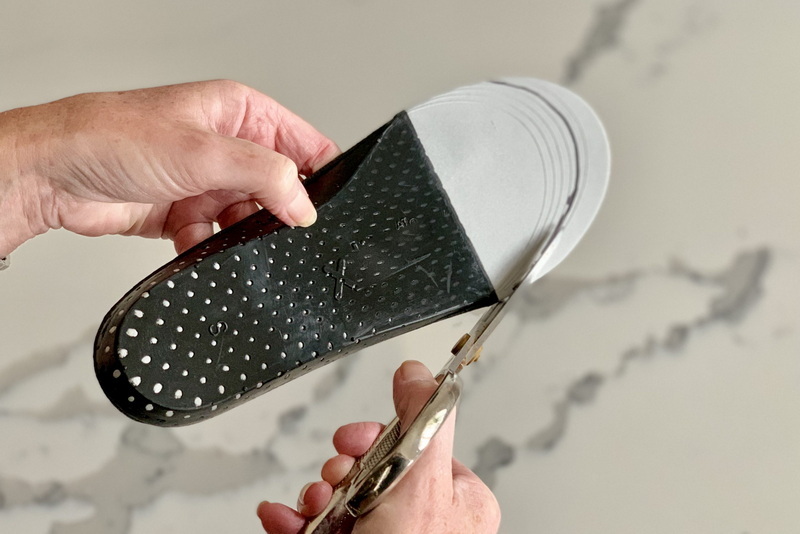
Foam insoles are usually made from materials such as EVA, PU or memory foam that absorb impact and distribute pressure under the heel and forefoot. Over time, body weight, sweat, friction and temperature gradually break down the internal structure of the foam. When this happens, the material loses height and resilience, causing the insole to look flat and feel hard under the foot.
Different foams behave differently when you try to recover them. Softer open cell foams may respond better to moisture and mild heat, while very dense molded foams or foams that are already cracked and crumbling rarely regain their original shape. Understanding the type of insert and its condition helps you decide whether reinflation makes sense or whether it is better to move directly to replacement.
Every step pushes air and energy through the foam cells, slowly weakening the walls between them. When those tiny walls collapse, the insole no longer bounces back after each step and stays compressed in the areas that receive the most pressure. This usually appears first under the heel and at the ball of the foot.
Heat and sweat speed up this aging process. Inside a closed shoe environment, moisture softens the foam and can weaken any bonding between foam layers and fabric covers. Dirt and grit that slip into the shoe also grind against the top surface of the insert, damaging the cover and making the foam underneath more exposed. If shoes are tight, the sides of the insert are pressed hard against the upper and midsole, which can crease or fold the foam and lead to permanent dents.
Not every flattened insert is a good candidate for reinflation. If the foam still feels springy when you press it with your fingers and there are no deep cracks or loose chunks, it is usually worth trying a gentle recovery method. If the surface is badly torn, the foam is turning to powder, or the insole bends sharply in one place and stays bent, reinflation is unlikely to bring real comfort back.
Memory foam inserts can sometimes feel more responsive after rest or after gentle heating, but when the material has lost its ability to return to shape, home methods will only provide a very small improvement. Gel inserts or products that combine foam and gel usually cannot be reinflated at all, because once the structure is damaged, the filling and support are permanently affected. In these situations, replacement with a new pair of quality inserts is the only reliable way to restore proper cushioning.
Before any recovery step, remove the inserts from the shoes completely. Knock them lightly together to release loose dust, then check both the top and bottom surfaces. Look for broken edges, lifted fabric, holes under the heel and forefoot and any signs that the foam has separated from any supporting base.
Cleaning is important because trapped sweat and dirt can hold back the reinflation effect. Use a small amount of mild soap in water and a soft cloth or sponge to gently wipe the surface. Avoid brushing very hard or twisting the insole, especially around the edges where the cover is bonded to the foam. After wiping, rinse away any soap with a damp cloth and let the insole rest until the surface is clean and only slightly damp.
Warm water rehydration uses moisture to help foam cells relax and expand. When the foam absorbs water, its internal structure opens slightly, and as it dries slowly the material may regain part of its original thickness.
Place the cleaned insoles into a container of comfortably warm water. The water should feel pleasant to the touch, not near boiling or extremely hot, to avoid damaging adhesives or deforming the foam. Leave them to soak for a period long enough for the material to absorb moisture throughout its thickness.
After soaking, lift the insoles out and press them gently between your hands to remove excess water. Do not wring, twist or fold them, as this can cause creases that are difficult to remove later. Lay them flat on a towel or hang them in a well ventilated area away from direct sunlight or strong heat sources, and allow them to dry completely. When dry, press the foam in several spots to check whether it feels softer and slightly thicker than before.
Moist heat is another effective way to encourage foam to expand again. Many upholstery specialists use steam or controlled heat to rejuvenate seat cushions, and a similar idea can be applied carefully to inserts.
Start with a clean insole and lightly mist it with water so that the surface is evenly damp. Prepare a household iron on a moderate setting with steam, or a garment steamer if you have one. Instead of placing the iron directly on the foam, place a thin cloth over the insole and move the iron smoothly above it, giving only brief contact while releasing steam. The goal is to warm the foam and allow moisture to enter the material without overheating any single area.
As you work, you can pause and press the foam gently with your fingers to feel whether it is becoming more responsive. Once the insert feels slightly fuller, stop heating and set it aside to cool and dry naturally. This method requires care and patience. If the fabric smells scorched or the foam begins to wave or melt, the temperature is too high and the process should be stopped immediately.
Foam that has been softened by warm water or steam will take on the shape it holds while drying. To support the natural curve of the foot, many people like to dry the inserts inside the shoes or on a correctly shaped last.
After soaking or steaming, place each insole back into its shoe while still slightly moist. Then fill the shoe space with soft material such as clean cloth or paper to press the insert evenly against the base and sides of the shoe. This pressure helps guide the foam back into a supportive three dimensional form instead of a flat slab.
Leave the shoes in a cool, dry place for an extended time so that the foam can fully stabilize. When you remove the packing, the insert should follow the natural contours of the shoe and show a smoother, more even surface. Stand in the shoes for a short time at home to check comfort and balance before using them for long walks or work.
To make the process easy to remember, many users follow a simple repeatable routine for foam reinflation.
First, remove and clean the inserts, inspecting them for serious damage. Second, choose either warm water soaking or gentle steam, depending on the construction and cover material. Third, support their shape during drying by allowing them to rest in or on a form that matches the foot curve. Finally, test them indoors and decide whether the improvement is enough for continued use or only a temporary solution before replacement.
A regular routine like this can be built into monthly shoe care habits. When users know that there is a clear process, they are more confident to maintain their inserts and less likely to throw them away at the first sign of flattening.
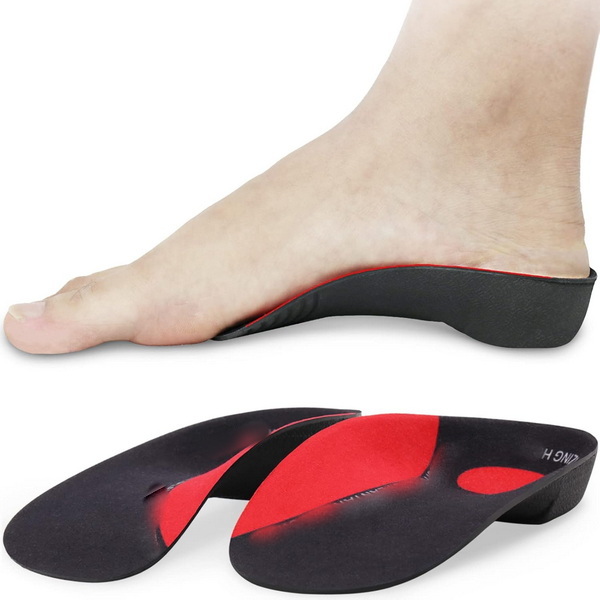
No home method can fully reset an old insert to factory condition. Reinflation is best seen as a way to extend comfort for a while rather than a complete repair. If you notice that foam no longer rebounds after pressing it, or that you feel the hard midsole under the heel and forefoot even after reinflation, it is time for a fresh pair.
Pain is another clear warning sign. If your feet, ankles, knees or lower back start to ache more quickly during daily activities, the cushioning system is probably not doing its job. Cracks, flaking foam, deep heel cups worn through to the base and strong odors that do not wash away are practical signs that replacement inserts are the safer and more hygienic choice.
Good habits slow down the flattening process and make each reinflation more effective. One simple habit is to rotate footwear so the same pair is not used every day. A rest day allows moisture to escape and foam to regain some shape naturally.
After each wear, pull the inserts slightly out of the shoe or remove them fully and let them air dry. Avoid drying them near direct heat sources, because extreme heat can make foam brittle and shorten its life. Keep the inside of the shoe clean so that grit does not grind constantly against the top cover.
Gentle cleaning once in a while helps prevent bacteria growth and odors that might otherwise push users to throw away inserts earlier than necessary. At the same time, avoid soaking and harsh chemicals too often, because those can loosen adhesives and break down the structure that holds the insert together.
For brands that work with a professional manufacturer, the choice of foam grade and construction has a powerful impact on long term performance. Higher density foam with good fatigue resistance can stay springy much longer than very soft, low cost material. Multi layer structures with carefully selected hardness levels under different parts of the foot can distribute pressure more evenly, reducing extreme wear in any single place.
The way the fabric cover is bonded to the foam also matters. High quality bonding resists peeling even after repeated heating and drying cycles during cleaning or reinflation. Breathable fabrics help moisture escape faster and improve comfort, which also encourages users to care for their inserts properly rather than ignoring sweat and odor.
An experienced supplier can adjust thickness, hardness, contour and surface finish for different footwear categories such as running, work, safety or casual shoes. That means the final product not only feels better when new but also holds its cushioning longer and responds more predictably to reinflation methods.
Even the best insert benefits from good user education. Clear care guidelines printed on packaging, hang tags or inside shoe boxes help end users understand what is possible and what is not. Simple diagrams can show where foam usually compresses first, how to remove inserts correctly, and basic dos and donts for cleaning and drying.
Online, brands can provide step by step tutorials in text and video form explaining the warm water method, the gentle steam approach and shaped drying. It is helpful to explain clearly that these steps can improve comfort temporarily but will not make a worn insert identical to a brand new one. Honest communication builds trust and encourages customers to come back to the same brand when they need replacement inserts.
For OEM clients, technical sheets can include recommended care methods based on the exact materials used. This ensures that retail partners give consistent advice and reduces complaints about damage caused by unsuitable home methods.
Reinflating inserts rather than throwing them away immediately has benefits beyond cost savings. Refreshing cushioning extends the useful life of existing products and reduces waste. For users who care about sustainability, learning how to maintain and refresh inserts fits naturally with repairing and caring for other parts of their footwear.
At the same time, health and safety must come first. While reinflation can delay replacement, walking long term on completely flattened or damaged inserts can contribute to fatigue and discomfort. A balanced message encourages users to refresh their inserts when appropriate while still replacing them in time to protect their feet and joints.
Reinflating foam insoles is a practical way to restore part of their cushioning and comfort using careful cleaning, controlled moisture and gentle heat. Methods such as warm water soaking, moderate steam and shaped drying can give flattened foam a second life and help users feel more supported for everyday walking or work. However, once the foam structure is broken, cracked or no longer springy, replacement with a new pair of quality inserts is the most reliable way to maintain comfort and protect long term foot health. By combining smart product design, clear instructions and simple home routines, brands, wholesalers and manufacturers can help users get the best performance from every pair of foam insoles.
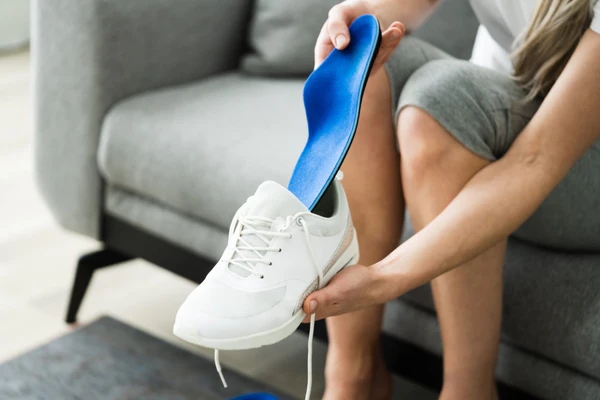
Foam inserts can often be refreshed several times as long as they still feel elastic and show no deep cracks or crumbling. When reinflation no longer gives a noticeable improvement in softness or thickness, it usually means the material has reached the end of its life.
Very hot water can damage foam and adhesives, so it is better to use pleasantly warm water instead. If you are not sure about the material, keep soaking times moderate and always let the inserts dry slowly in the shade rather than near strong heat sources.
Yes, it can if used wrongly. An iron should only be used on a moderate setting with a protective cloth and constant movement, and it should never be pressed onto the bare foam for long periods, because that can scorch the fabric and deform the inner structure.
If the insert stays flat after treatment, feels hard under pressure, shows deep damage or causes new discomfort during normal use, it is time to replace it. When foam begins to crumble, peel or smell strongly even after cleaning, no reinflation method will restore safe, long term comfort.
Higher quality inserts made from denser, fatigue resistant foam usually respond better to gentle reinflation methods. They tend to keep their shape longer and can handle several cycles of cleaning and drying, so users notice more benefit from each reinflation attempt compared with very soft, low cost inserts.


