
Views: 222 Author: Edvo Publish Time: 2025-12-12 Origin: Site


Content Menu
● Step 2: Remove the Existing Insoles
● Step 3: Clean the Inside of the Shoes
● Step 4: Choose the Right Replacement Insoles
● Step 5: Use Old Insoles as a Template
● Step 6: Trim the New Insoles to Size
● Step 7: Insert the New Insoles
● Step 8: Test the Fit and Make Adjustments
● How Often Should Insoles Be Replaced?
● When to Consider Custom or Specialized Insoles
● Replacing Insoles in Different Types of Shoes
>> Casual Sneakers and Lifestyle Footwear
>> Work Boots and Safety Footwear
>> Sandals, Slippers, and Other Open Styles
● Common Mistakes When Replacing Insoles
>> Leaving the Old Insole Underneath
● Benefits of Working With an OEM Insole Manufacturer
● Practical Tips for Everyday Users
● FAQ
>> 1. How do you know when to replace insoles?
>> 2. Can you put new insoles on top of the old ones?
>> 3. Do you need glue to keep replacement insoles in place?
>> 4. Can you move one pair of insoles between different shoes?
>> 5. What type of insole is best for standing all day?
Refreshing the interior of footwear with new shoe insoles is one of the simplest ways to improve comfort, support, and hygiene without buying a new pair. This extended guide explains how to remove old insoles, choose the right replacements, and install them correctly, with extra tips for different shoe types, lifestyles, and professional users.
Replacing worn insoles helps restore cushioning, shock absorption, and arch support that naturally fade as materials compress with daily use. New insoles can also reduce odor, improve fit, and help address issues like foot fatigue, pressure points, or mild alignment problems.
Footwear specialists often recommend replacing insoles once they look flattened, cracked, or permanently dirty, even if the exterior of the shoe still appears in good condition. For active people and workers on their feet for long periods, refreshing insoles is a practical way to extend the useful comfort life of favorite shoes.
Before installing replacement insoles, start by preparing the shoes so the new pair can sit flat and stable. Take the shoes off, fully loosen laces, straps, or buckles, and open the collar as wide as possible to create space for your hands.
Turn the shoes upside down and gently tap them to remove any loose dirt, sand, or small stones trapped around the footbed. Then inspect the inside carefully, looking for rough seams, loose threads, or protruding hardware that might damage a new insole or irritate your feet.
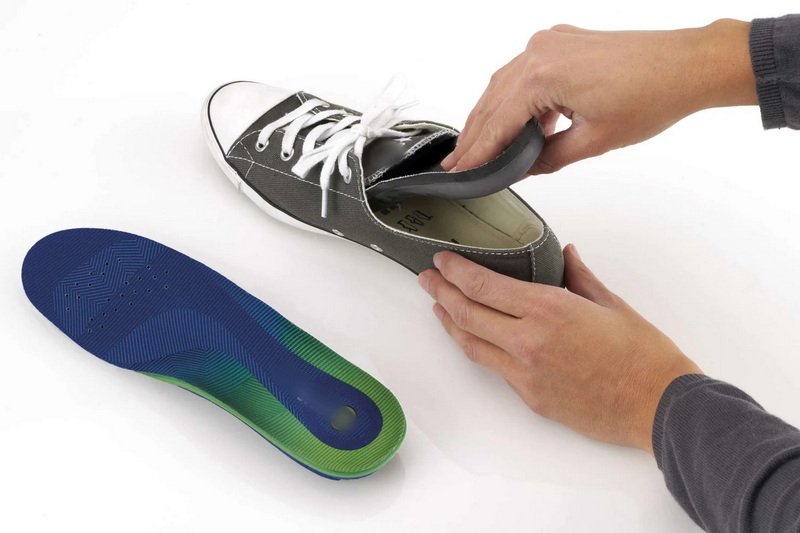
Most factory insoles are removable and can be taken out by hand without tools. Grip the insole at the heel, gently lift it, and slowly peel it toward the toe, working your fingers under any areas that feel slightly stuck.
If you feel resistance from light adhesive, move slowly and try not to tear the material, because you may need the old insole as a template later. After removal, place each original insole on a flat surface and look for wear patterns, such as deep compression under the heel or forefoot, which can help you choose a better replacement.
After removing the old insoles, clean the bare footbed so the new pair can lie flat and stay fresh longer. Use a soft cloth or brush to wipe away dust, lint, and any small particles collected inside.
For odor control, you can gently clean the interior with mild cleaning agents or deodorizing products suitable for footwear, then allow the shoes to dry completely at room temperature. A clean, dry base helps prevent premature breakdown of the new insole materials and improves overall comfort.
Selecting the right replacement insole is just as important as the installation process. Insoles differ in profile, arch shape, cushioning level, and overall volume, so your choice should match your foot type, activity level, and shoe style.
Common categories include soft cushioned models for everyday comfort, structured designs for arch support, and performance options for running, walking, or work safety footwear. People with flat feet, high arches, or recurring discomfort may benefit from insoles designed specifically for support, stability, or targeted pressure relief.
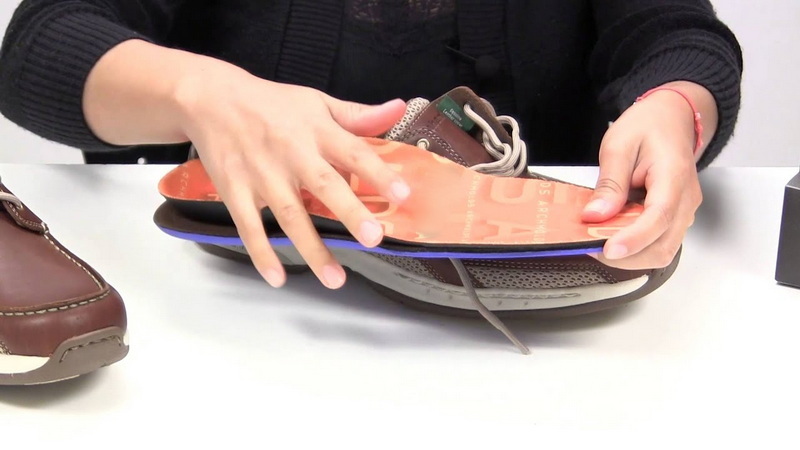
If your new insoles come in a trim-to-fit style or look slightly larger than your shoes, the old pair is an excellent sizing guide. Place the original insole directly on top of the new one, aligning the heels carefully so both backs match as closely as possible.
Trace around the toe and forefoot of the old insole onto the new insole with a pen or marker. In most cases, only the front section needs trimming, while the heel should remain full so it seats snugly and securely at the back of the shoe.
Once traced, trim the new insole carefully along the line in small sections. Start conservatively and avoid cutting away too much at once; you can always make a second pass if needed, but you cannot add material back once it is removed.
After trimming, compare the new insole to the original by placing them side by side. Check that the length, width, and overall shape are close, then refine only the areas that clearly extend beyond the original outline, usually around the toe or outer edge.
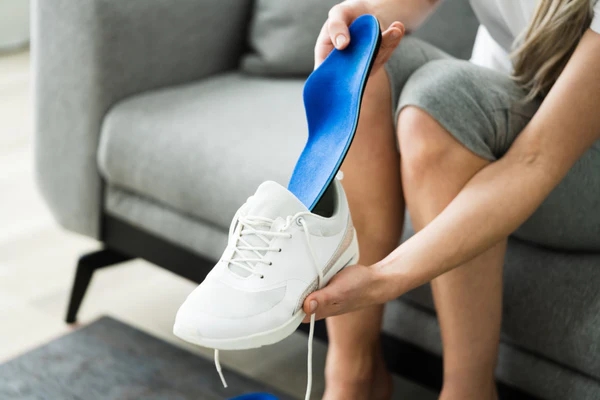
To install the new insoles, slide each one into the shoe toe-first. Guide the front end all the way into the toe box, making sure it sits smoothly against the inside front.
Run your fingers along both sides and across the middle to press the insole firmly onto the footbed. Pay special attention to the heel area, pushing it down and back so it locks into place without gaps, folds, or raised edges under the heel.
After installation, put on the shoes and walk around on a firm surface. Focus on how your feet feel in the heel, arch, and toe box and check whether there is enough room for your toes to move without feeling squeezed.
If the fit feels too tight, remove the insole and trim a small additional amount from the toe area only, then test again. If the insole feels loose or shifts while walking, you can consider a slightly thicker replacement or add a small strip of removable adhesive under the heel or midfoot to keep it stable.
There is no single replacement schedule that works for everyone, because frequency depends on usage, body weight, activity type, and insole materials. Instead of counting days, pay attention to signs such as visible flattening, cracked surfaces, or a persistent smell that cleaning does not remove.
If your shoes still look structurally solid but you notice less cushioning, increased foot fatigue, or more pressure on certain areas of the foot, it is likely time for a new pair. For people who walk, run, or stand for long hours each day, replacement will usually need to happen more frequently than for occasional wearers.
Proper care helps you get the maximum life and comfort from your new insoles. Remove them regularly to let both the insoles and shoes air out, especially after long days, warm weather, or exposure to moisture.
Clean the surface of the insoles with mild soap and water or a suitable cleaner, then rinse lightly and allow them to dry naturally away from direct heat sources. Rotating between two or more pairs in your most-used shoes can also give the materials time to recover their shape between uses.
Standard replacement insoles work well for many people, but some situations may require more specialized support. If you consistently experience foot pain, strong arch collapse, or discomfort that travels into the ankles, knees, or lower back, consult a medical professional or specialist.
Custom or semi-custom insoles can provide more precise arch support, cushioning zones, and alignment control tailored to your feet and posture. Athletes, warehouse workers, medical staff, and others who spend extended time on hard floors often benefit from designs with targeted shock absorption and stability features.
Different shoe categories may require slightly different approaches to insole replacement. Understanding these differences will help you avoid damage and achieve a better fit.
Performance shoes for running and training usually include removable sock liners. These are straightforward to replace, but it is important to maintain the original overall volume so the foot does not slide forward or feel cramped.
Choose replacements that match the curvature and flexibility of the original footbed, and avoid extremely rigid options unless the shoe is designed for them. After installation, check that your heel stays secure and that the arch sits in a comfortable position when you jog lightly.
Casual sneakers and lifestyle shoes often tolerate a wider range of insole thickness because they tend to have more generous internal volume. This makes them ideal for upgrading with cushioned or supportive replacements.
Focus on comfort for daily use, choosing insoles that feel soft under the heel and forefoot while still providing enough structure in the arch. Make sure the new insole does not raise your foot so much that the heel slips out or the top feels too tight across the instep.
Dress shoes, especially slim leather styles, often have less interior space and a more rigid construction. In these cases, thin and low-volume insoles are usually the best choice.
Look for replacements specifically marketed for dress styles, with a refined profile and smooth top layer, so they fit without distorting the shape of the shoe. Avoid very thick or heavily cushioned options, as they can make the shoe feel tight and alter the elegant silhouette.
Work boots and safety shoes are designed for demanding environments and extended standing or walking. Here, insoles need to balance cushioning, support, and durability.
Choose models that offer firm support under the arch and extra cushioning under the heel and ball of the foot, while still fitting securely inside rugged uppers. If your work involves heavy loads or uneven surfaces, consider insoles with additional stability features to reduce fatigue and improve balance.
Some sandals and open styles come with fixed footbeds that cannot be removed without damaging the product, while others are compatible with thin inserts. Always check whether the original footbed is removable before attempting replacement.
If replacement is possible, choose low-profile options that do not rise above the surrounding edges or straps. For house slippers or casual open footwear, soft cushioned insoles can add comfort without the need for intense support features.
Avoiding a few common mistakes can make the replacement process smoother and safer.
One of the most frequent errors is cutting too aggressively during trimming. This can leave you with insoles that are shorter than needed, causing movement inside the shoe and reducing comfort.
Always trim gradually and re-test the fit in the shoe between cuts. Stopping just before the insole perfectly matches the original length is better than overshooting and losing important coverage.
Another common mistake is leaving the original insole inside the shoe and placing the new one on top. While this can sometimes work in very roomy shoes, it usually creates excessive tightness and can cause friction or blisters.
If your goal is more support or cushioning, choose a single, higher-performing insole instead of stacking layers. Shoes are designed with a specific internal volume, and doubling up may compromise both fit and stability.
Many people only check toe space and heel comfort when testing new insoles, but arch position is just as critical. If the built-in arch support of the insole does not align with your natural arch, it can cause discomfort or fatigue.
When you first walk in the shoes, pay attention to the area under the midfoot. The arch should feel supported but not poking, and there should be no sharp pressure along the inner or outer edge of the foot.
For footwear brands, wholesalers, and industry partners, working with a professional insole manufacturing specialist unlocks additional advantages. A skilled factory can customize materials, firmness, and support profiles to match the positioning of your brand and the needs of your target customers.
By partnering with an experienced OEM producer, you can develop insoles tailored to casual styles, running shoes, outdoor boots, or safety footwear, all under your own branding. This not only improves the comfort and perceived quality of your products but also allows you to offer dedicated replacement insoles that your customers can easily install at home.
To make insole replacement an easy habit rather than a chore, keep a few simple practices in mind:
- Keep at least one spare pair of insoles available for your most frequently worn shoes so you can switch them as soon as comfort declines.
- Mark the replacement date on the packaging or on a note inside your closet to remind yourself when you last changed them.
- If you buy multiple pairs of the same shoe model, test one set of insoles thoroughly before ordering more, so you know the support level and fit really work for you.
- When traveling, consider packing a fresh pair of lightweight insoles, especially if you expect long days of walking or standing.
By treating insoles as essential, replaceable components rather than permanent parts of the shoe, you can maintain a much higher level of comfort and support over the full life of your footwear.
Replacing insoles is an accessible upgrade that significantly improves comfort, support, and hygiene for almost every type of footwear. By carefully removing the old pair, cleaning the interior, selecting the right replacement, trimming as needed, and testing the fit, you can achieve a customized feel without buying new shoes.
Different shoe categories, foot types, and working conditions may call for different insole designs, from soft everyday cushioning to structured support or specialized professional solutions. Whether you are a daily user refreshing a favorite pair or a brand offering tailored replacement products, understanding how to replace insoles correctly turns simple footwear into a much more comfortable and durable companion.
Replace insoles when they look flattened, cracked, or permanently stained, or when odor and discomfort persist even after cleaning. If your shoes feel less supportive or your feet get tired faster, the interior cushioning has likely worn out.
It is usually better to remove the original insole before inserting a new one. Stacking full-length insoles often makes the shoes too tight and can create friction, leading to discomfort or blisters.
Most replacement insoles stay in place through a snug fit against the shoe interior and do not need glue. If there is minor slipping, a small piece of removable double-sided tape under the heel or midfoot is usually enough.
You can move a single pair between several shoes as long as the sizes and internal shapes are similar. However, frequent swapping may wear them out faster, and having a dedicated pair for your main shoes is often more convenient.
For extended standing, choose insoles that combine firm arch support with resilient cushioning under the heel and forefoot. Options that feel supportive rather than extremely soft alone generally help reduce fatigue and provide more stable comfort over long periods.


