
Language
Views: 222 Author: Edvo Publish Time: 2026-01-08 Origin: Site


Content Menu
● What Are Dr Scholl's Custom Fit Orthotic Inserts?
● Why Proper Foot Support Matters
● Common Foot Problems Orthotics Can Help With
● Step-by-Step Guide: How To Use Dr Scholl's Custom Fit Orthotic Inserts
>> Step 1: Identify Your Fit ID
>> Step 3: Insert the Orthotics Properly
>> Step 4: Try Them Out Gradually
>> Step 5: Maintain the Inserts
● Shoes That Work Best With Custom Fit Inserts
● Advanced Comfort Tips for Better Experience
● How Orthotic Support Improves Posture and Movement
● How Long Do Orthotic Inserts Last?
● Cleaning and Maintenance Routine
● Troubleshooting Common Issues
● How Orthotics Complement Active Lifestyles
● Using Dr Scholl's Custom Fit Inserts Daily
● How Custom Fit Inserts Differ from Regular Insoles
● Long-Term Health Benefits of Orthotic Inserts
● FAQs About Dr Scholl's Custom Fit Orthotic Inserts
>> 1. How do I choose the correct Fit ID?
>> 2. Can I transfer the inserts between different shoes?
>> 3. Are the inserts washable?
>> 4. Can these be used for running or high-intensity sports?
>> 5. How long should I expect them to last?
Walking comfortably is something many of us take for granted until discomfort disrupts our daily rhythm. Whether caused by poor shoe support, long standing hours, or repetitive movement, foot pain often spreads to other areas of the body. Dr. Scholl's Custom Fit Orthotic Inserts provide a personalized solution to these challenges by supporting your feet's natural shape and distributing weight evenly. Understanding how to use them properly can help you make the most of their benefits.
This comprehensive guide will help you understand what Dr. Scholl's custom orthotics are, how they work, the correct way to insert and care for them, and how to troubleshoot common problems. The goal is to ensure that every step you take feels lighter, more stable, and pain-free.
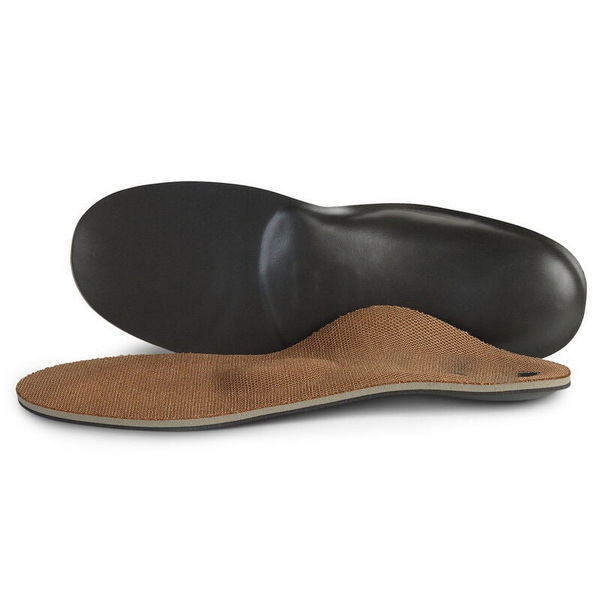
Dr. Scholl's Custom Fit Orthotic Inserts are specialized insoles engineered to match the unique contours of your feet. Unlike generic insoles, which follow a standard design, these inserts are customized through foot-mapping technology that measures various attributes such as arch height, pressure points, and weight distribution.
When you step onto a Dr. Scholl's foot-mapping kiosk or complete an online scan, the technology creates an individualized profile. Based on your results, you receive an insert recommendation identified by a unique Fit ID, such as CF330 or CF440. Each Fit ID corresponds to an insert with specific foam density, contour shape, and support level designed to match your needs.
These custom orthotics provide a blend of softness and firmness — firm enough to support and align your feet yet cushioned to absorb shock. They can fit into most shoe styles, making them versatile for both casual and professional wear.
Your feet form the foundation for your entire body. When they are unsupported, the impact travels upward, influencing your knees, hips, and spine. Many chronic posture issues begin with uneven foot alignment. Over time, poor shoe support may contribute to conditions like plantar fasciitis, Achilles tendonitis, or joint fatigue. Custom orthotics help prevent these problems by restoring a balanced stance.
Here's how supportive inserts contribute to body wellness:
- They help distribute body weight evenly across the soles.
- They stabilize heel and arch movements during walking.
- They reduce muscle strain by improving alignment.
- They encourage natural foot motion during each step.
Even small improvements in balance and shock absorption can lead to noticeable comfort gains throughout the day.
Using Dr. Scholl's Custom Fit Orthotics can significantly alleviate or prevent the following foot and lower-body issues.
- Flat Feet: Lack of natural arch support leads to overpronation, which custom inserts correct by adding lift.
- Heel Pain / Plantar Fasciitis: The targeted cushioning absorbs impact and relieves pressure under the heel.
- Knee and Hip Pain: By aligning your stride, orthotics reduce stress on joints.
- Back Fatigue: Proper arch support can decrease strain on the lower back caused by misalignment.
- Metatarsalgia: Extra padding in the mid-foot area reduces pain from high-impact activities.
By tackling these root causes, orthotics promote better posture and long-term comfort.
Your foot mapping analysis provides a unique Fit ID that matches your foot shape. Check the packaging to ensure the inserts correspond to this ID. Using the correct model ensures each arch and pressure point receives proper support. If you purchased online, double-check both left and right inserts are included and identical.
Start by removing the existing shoe insoles, especially if they are thick or padded. This allows enough space for the custom orthotics. If your shoes have fixed soles, gently place the inserts on top. Press them down to ensure they rest flat.
For best results, choose shoes with moderate depth and firm heel counters. Footwear that is too narrow or flexible might not provide enough stability for orthotic performance.
Slide each insert into your shoe with the heel portion seated firmly in the heel pocket. The arch should align with your own foot arch, not extending too far forward or backward. The goal is to achieve full contact beneath the foot without creating pressure points.
Once in place, test by pressing your hand inside the shoe — there should be no folds, bumps, or overlapping layers.
Take a few steps indoors to test the new fit. Initially, the inserts may feel unusual or firmer than expected. It's important to break them in gradually.
On the first day, wear them for a couple of hours. Over the next few days, extend the duration until your feet fully adjust. Minor discomfort is normal at first, but you should not experience sharp pain or numbness. Consistency will train your muscles and joints to adapt to the corrected posture.
To extend their lifespan, take your inserts out daily to let them air dry. Wipe the surface with a damp cloth when needed. Avoid submerging them in water or using heat sources like hair dryers, which could warp the material. When the cushioning feels compressed or the top layer starts to flake, it's time for a replacement.
With proper care, most users can enjoy many months of comfortable use before needing a new pair.
Dr. Scholl's inserts are compatible with many shoe styles. However, some footwear types allow better comfort and alignment.
- Athletic Shoes: Ideal for workouts, walking, and casual wear. Their structure complements the insert's contour.
- Work Boots: Perfect for long shifts that require standing or heavy-duty movement. The inserts reduce fatigue effectively.
- Sneakers and Trainers: Everyday comfort improves drastically with proper support.
- Loafers and Casual Shoes: Offer improved walking comfort without affecting style.
- Walking Shoes or Hiking Boots: Provide shock absorption on uneven terrain.
High heels, sandals, or extremely narrow shoes may not have enough space for full-length inserts. In such cases, choose a specific orthotic design suited for smaller footwear.
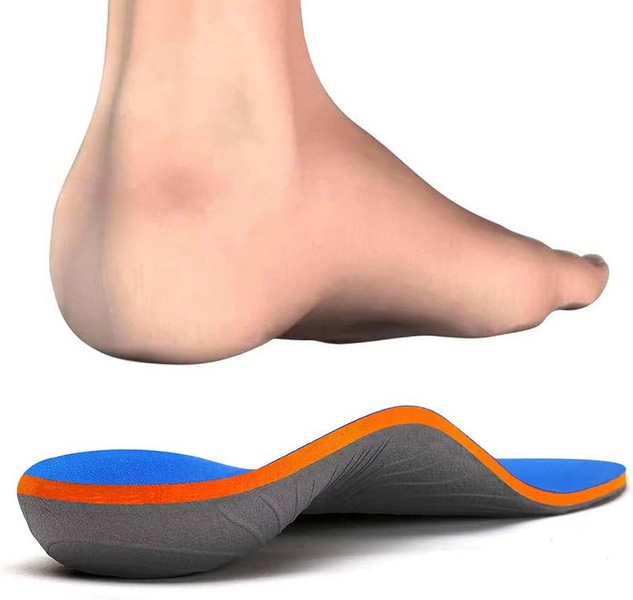
Getting used to orthotics takes a bit of patience. Here are some advanced tips to help:
- Always wear socks to reduce friction and improve cushioning.
- Rotate between pairs of inserts if you wear them daily.
- Ensure both inserts sit properly before putting on shoes.
- Stretch your calves regularly – flexible muscles support arch health.
- Check your shoe size and fit yearly, as foot shape may change over time.
For workers, teachers, athletes, or travelers, following these habits can prolong comfort and prevent pain from recurring.
When your feet are aligned, your entire posture changes. The inserts encourage your body to maintain a neutral stance — where the ankles, knees, and hips align vertically. This reduces pressure on joints and minimizes fatigue.
Moreover, when walking or running, the orthotic structure helps manage pronation — the natural inward rolling motion of the foot. Too much pronation can lead to instability, while too little causes rigidity. Dr. Scholl's inserts help strike a balance, allowing smooth transitions between heel strike and toe-off during movement. This efficiency translates into less strain on muscles and joints, enhancing both comfort and stamina.
Durability largely depends on how often and how intensely they are used. For an average user, orthotics often last 9 to 12 months under standard daily conditions. For those who engage in frequent physical activity, such as running or standing at work, the inserts may wear out faster.
Signs that it's time for replacement include:
- Reduced cushioning or shock absorption.
- Noticeable flattening or compression in the arch area.
- Cracked or torn upper material.
- Increased foot pain during regular use.
Replacing orthotics on time ensures consistent performance and avoids reintroducing discomfort that could affect your gait alignment.
Regular cleaning helps preserve the structure and surface quality of the inserts. Follow this simple routine:
1. Remove the inserts from shoes every evening.
2. Wipe the surface gently with a damp cloth and mild soap.
3. Avoid harsh chemicals or submersion in water.
4. Air dry them in a well-ventilated space.
5. Store in a cool, dry area away from direct sunlight.
Establishing a short nightly habit of cleaning and inspection helps maintain hygiene and extends product longevity.
Even though Dr. Scholl's inserts are highly effective, some users might face adjustment challenges. Here's how to address them:
- Pain during early use: Gradually increase wearing time each day until the feet adapt.
- Insert movement inside shoe: Ensure the shoe's inner surface is clean and snug. Double-check that you've removed the original insole.
- Bulkiness feeling: This may occur if shoes are too shallow. Try using shoes with deeper interiors.
- Sweating or odor: Use breathable socks and allow the inserts to air out overnight.
Persistence during the adjustment stage pays off with long-term comfort and performance.
Custom orthotics are not just for those dealing with foot pain; they are beneficial for active individuals seeking improved performance. Runners appreciate their ability to cushion impact on hard surfaces, while hikers value the stability they offer on uneven trails. Office workers who stand for long hours benefit from fatigue reduction and improved circulation.
For athletes, orthotics help refine form and balance, allowing for smoother strides and better energy transfer. Many users also report decreased shin splints and knee pain after regular use. Therefore, these inserts serve both therapeutic and preventive purposes.
Adopting orthotic inserts into your daily routine is easy when done with consistency:
- Morning Use: Wear them first thing when leaving home to maintain stable alignment during peak activity hours.
- Office and Work Use: Keep an extra pair of supportive shoes for job duties involving long standing periods.
- Evening Routine: After removing your shoes, stretch gently to relax muscles and enhance circulation.
- Weekend Activities: Use the same inserts in casual footwear for uninterrupted comfort.
By turning this into a daily habit, you maintain consistent posture correction and foot balance, which prevents pain from recurring.
Regular insoles offer basic comfort but lack the precision of custom mapping. Dr. Scholl's inserts are uniquely shaped to support the specific zones of your feet, which include the metatarsal area, arch, and heel. This tailored design gives them an edge in functionality.
- Support: Regular insoles cushion; custom orthotics align and stabilize.
- Durability: Orthotics maintain their shape longer under stress.
- Performance: Customized zones absorb shock more efficiently.
- Fit: They match your unique contour rather than a universal mold.
This level of personalization elevates comfort beyond cushioning — it enhances every step structurally.
Beyond immediate relief, consistent orthotic use can improve your health long term:
- Reduced joint strain: Correct posture lessens long-term wear on knees and hips.
- Improved circulation: Balanced pressure enhances blood flow to the feet.
- Energy efficiency: Proper alignment reduces muscular effort.
- Enhanced stability: Vital for older adults or those recovering from injury.
- Prevention of calluses or bunions: Even weight distribution minimizes friction points.
Dr. Scholl's inserts serve as both short-term comfort aids and preventive wellness tools, promoting better mobility and endurance.
Dr. Scholl's Custom Fit Orthotic Inserts are a powerful combination of science and comfort. They are more than just shoe cushions — they are alignment devices that improve how your body moves and feels. By identifying your correct Fit ID, fitting them into your footwear properly, and maintaining them regularly, you can transform your walking experience. Whether your goal is to reduce pain, boost athletic performance, or improve posture, these inserts offer long-lasting results. Make them a consistent part of your lifestyle and notice the difference in every step you take.
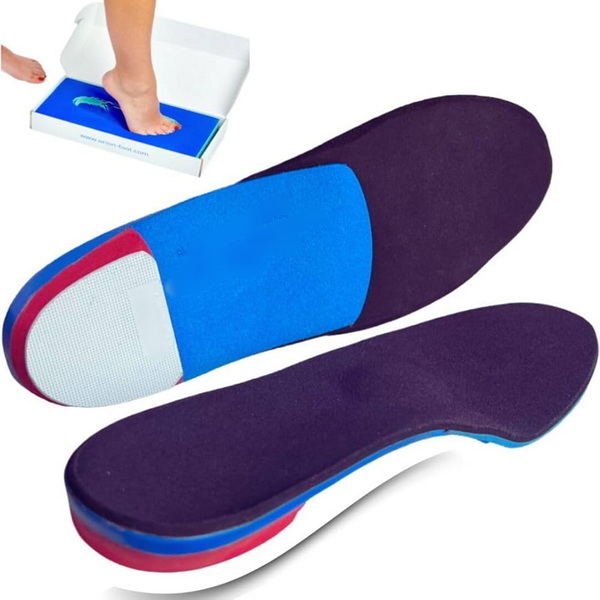
You can find your Fit ID through the Dr. Scholl's kiosk or online foot analyzer. The recommended ID matches an insert design that fits your specific arch height and pressure pattern.
Yes, they can be moved to other shoes of similar size and depth. Just ensure the inserts are aligned properly and the shoes provide enough room for comfort.
They should not be machine washed. Use a damp cloth for cleaning, let them air dry completely, and avoid heat sources.
Yes. They provide shock absorption and arch support ideal for running or training. However, always ensure your athletic shoes are well-fitted to prevent excess movement.
With proper care, most pairs last around one year, depending on activity levels. If they flatten or lose resilience, it's time for replacement.


