
Views: 222 Author: Edvo Publish Time: 2025-11-10 Origin: Site


Content Menu
● Core materials and their sensitivities
● General cleaning guidelines (universal steps)
● Odor control and hygiene tips
● Special cases: materials and warranty
● Care instructions by insole type (typical classifications)
● Practical cleaning routine for distributors and manufacturers
● Product imagery and media recommendations
● FAQ
>> 1. Can orthopedic insoles be machine washed?
>> 2. How should I dry orthopedic insoles after washing?
>> 3. What cleaning agents are safe for insoles?
>> 4. Are there differences in cleaning custom orthotics?
>> 5. How often should insoles be cleaned?
Orthopedic insoles are a cornerstone of foot comfort and biomechanical support, helping to correct gait, relieve overpronation, and mitigate plantar pressure. For OEM suppliers and international buyers, presenting clear care guidelines is essential to maintaining product performance, customer satisfaction, and brand reputation. This guide explains safe cleaning methods, material-specific considerations, and practical routines that keep insoles fresh, durable, and effective across diverse markets and climates. It covers common sole materials, care warnings, and best practices to minimize wear, odor, and microbial buildup while preserving shape and contour.
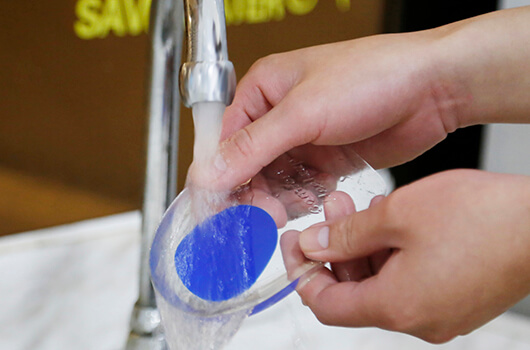
Regular cleaning removes sweat, oils, and bacteria that can degrade materials or cause odors. Proper care can extend the life of the orthotic and maintain its corrective properties. Missteps—such as machine washing or soaking certain foams—can distort shape or degrade adhesives. By following manufacturer recommendations and material guidelines, you ensure consistent performance for end users and reduce warranty claims for your OEM customers. The emphasis here is on practical, safe methods applicable to a broad range of insoles, including custom and off-the-shelf options. This guidance aligns with typical care instructions from major insole manufacturers and is suitable for multinational distribution networks seeking uniform consumer messaging.
- Foam-based insoles: Often made from EVA or other soft foams. They tolerate gentle hand washing but can distort if fully submerged or exposed to high heat. Air-drying away from direct heat preserves cushioning.
- Mesh and fabric tops: Usually require gentler handling, avoiding prolonged soaking to prevent fiber swelling or delamination from adhesives. A light wipe-down with mild detergent is typically sufficient.
- Rubber and latex components: Generally resilient but can degrade with harsh detergents or high-temperature rinses. Use mild soap and lukewarm water, rinse thoroughly, and dry completely.
- Custom orthotics with polymers and adhesives: Follow the maker's care guidelines; some models tolerate spot cleaning, while others demand professional cleaning to preserve structural integrity. When in doubt, err on the side of contactless cleaning and professional servicing.
- Do not machine wash or tumble dry; most insoles are not designed to withstand aggressive agitation or high heat. Hand washing is preferred to control moisture exposure and preserve form.
- Use lukewarm water and a mild, pH-neutral soap or detergent. Harsh chemicals can degrade materials or discolor surfaces.
- Gently scrub with a soft brush or cloth, focusing on areas with visible dirt and odor buildup. Avoid scrubbing too hard, which can fray fabrics or wear down top layers.
- Rinse thoroughly with clean water to remove all soap residues, which can irritate skin or attract more dirt.
- Do not submerge certain insoles completely if the manufacturer specifies risk of adhesive loosening or shape distortion; instead, damp-wipe and rinse as needed.
- Dry completely before reuse. Remove insoles from footwear, press out excess water with a towel, and air-dry in a well-ventilated area away from direct heat sources (sunlight, radiators). This reduces the risk of warping or material breakdown.
- For odor removal, light sprinkling of baking soda can absorb moisture and odors after drying. Avoid prolonged exposure to strong acidic or alkaline agents that could affect material integrity.
- White vinegar diluted with water (1:3 ratio) can be used for mild odor neutralization, followed by thorough rinsing and drying. Test on a small area first to ensure compatibility with the material.
- Regular cleaning frequency should reflect usage. For athletes or high-sweat environments, weekly cleaning may be appropriate; for casual use, every 2–4 weeks is often sufficient.
- Most insoles tolerate warm to mildly hot water, but high heat can deform foams or weaken adhesives. Stick to lukewarm or warm water, and avoid boiling or hot water above about 40–50°C unless the manufacturer specifies otherwise.
- Drying should be done at room temperature or cool air, not direct sun or high heat, to maintain thickness and arch support.
- Custom orthotics with complex composites may require professional cleaning to maintain warranty coverage. When in doubt, direct end users to the manufacturer's care instructions or authorized service centers.
- If insoles contain moisture-sensitive components (gel inserts, certain foams), avoid long exposure to water and opt for surface cleaning only.
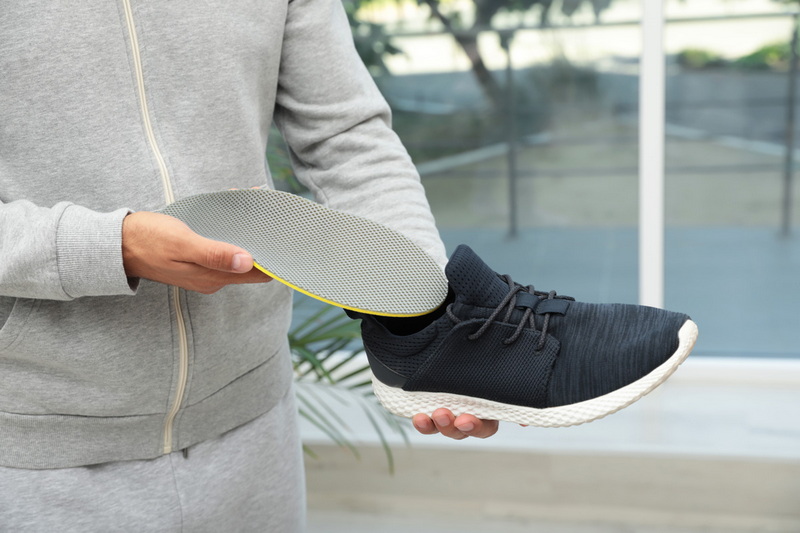
- General-purpose orthotics: Gentle hand wash, air-dry. Avoid machine cycles.
- Sports orthotics: Regular cleaning to prevent odor buildup; ensure rapid drying to avoid microbial growth in moisture-prone areas.
- Medical-grade insoles: Follow physician or manufacturer guidelines; cleaning may be limited to spot cleaning for certain materials or construction.
- Persistent odor despite cleaning, visible material degradation, cracking, or loss of arch support indicate replacement. Replacing insoles at recommended intervals preserves corrective function and comfort. OEM distributors should highlight warranty terms and care expectations to customers.
- Create a standardized consumer-facing care guide with clear steps, materials, and cautions; translate it into target markets to ensure consistent messaging. Include illustrations or short videos showing hand washing, mild soapy cleaning, odor-control steps, and proper drying. This reduces misinterpretation and supports cross-border sales.
- Consider offering OEM-branded care inserts or care cards with product packaging, reinforcing brand consistency and service quality.
- Include step-by-step visuals: (1) remove insoles from footwear, (2) rinse with lukewarm water, (3) apply mild soap and gently scrub, (4) rinse thoroughly, (5) pat dry, (6) air-dry away from heat. Short captions should accompany each image.
- Add a short video demonstrating the cleaning routine, emphasizing gentleness, air-drying, and avoiding machine washing. Subtitles in multiple languages can improve accessibility for international buyers.
Proper cleaning of orthopedic insoles is essential for maintaining comfort, support, and longevity. By following gentle, manufacturer-aligned methods—hand washing, mild detergents, careful drying, and occasional odor-control steps—retailers and OEM partners can ensure consistent performance across markets. Clear, media-rich care guides empower end users, reduce warranty costs, and reinforce brand integrity in global supply chains.
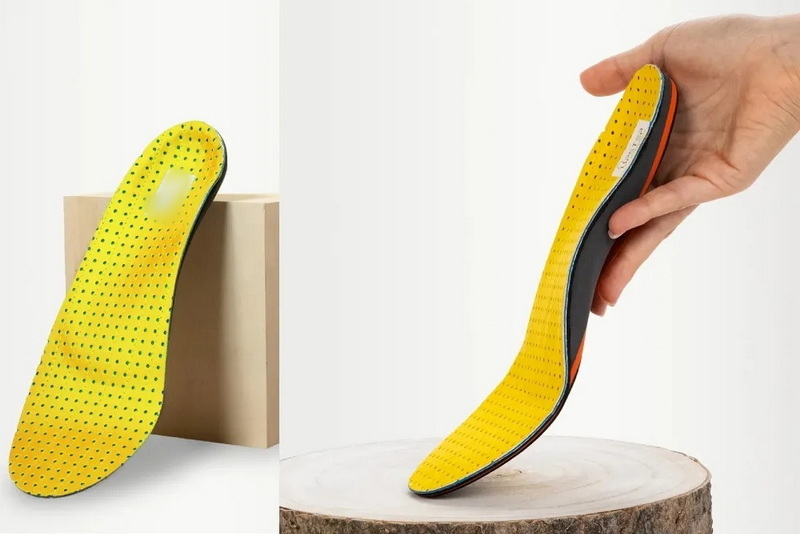
In most cases, machine washing is not recommended because agitation and high heat can damage foams, adhesives, and overall shape. Hand washing with lukewarm water and mild soap is the safer approach. Always check the manufacturer's care instructions.
Dry insoles by patting with a towel to remove excess moisture and then air-dry in a well-ventilated area away from direct heat sources. Do not use a dryer or place them in direct sunlight, as heat can warp foams and distort arch support.
Use mild, pH-neutral soap or detergent. Avoid bleach, strong detergents, and solvents that can degrade materials or adhesives. For odor control, baking soda or diluted vinegar can be used, followed by thorough rinsing.
Yes. Custom orthotics may contain specialized composites or adhesives; follow the manufacturer's or clinician's care instructions, as some models require professional cleaning to maintain fit and warranty.
Frequency depends on usage, activity level, and sweating. A routine clean every 1–2 weeks for active users is common, while casual users may clean every 2–4 weeks. If odors persist, clean sooner.


