
Language
Views: 222 Author: 3BU Technology Publish Time: 2026-06-11 Origin: Site


Content Menu
● What Makes an Insole "Best" for Tennis?
● How Tennis Affects Your Feet (And Why Stock Liners Are Not Enough)
● Key Features to Look for in Tennis Insoles
>> 1. Arch Support: Matching Your Foot Type
>> 2. Cushioning and Shock Absorption
>> 3. Stability, Motion Control, and Heel Cup
>> 4. Material, Breathability, and Odor Control
● Popular Insole Types Tennis Players Use
>> Performance‑Alignment Insoles
>> High‑Cushion Comfort Insoles
>> Stability and Motion‑Control Insoles
>> Budget‑Friendly Athletic Insoles
● OEM vs Retail Insoles: What Serious Players Should Know
● Simple 5‑Step Process to Choose Your Best Tennis Insoles
● Example: Which Insole Type Fits Different Player Profiles?
● How to Install and Break In Your New Tennis Insoles
● Expert OEM Perspective: What Brands and Buyers Should Ask an Insole Manufacturer
● Frequently Asked Questions (FAQ)
If you play tennis regularly, you already know your feet are your primary piece of equipment—even more fundamental than your racket. Long rallies, explosive sprints, and constant stops and pivots put enormous stress on your feet, ankles, and knees, especially on hard courts. The right tennis insoles can transform that stress into more controlled movement, better shock absorption, and a noticeable reduction in fatigue and pain. [alineinsoles]
As a footwear OEM working with international sports brands, and as a long‑time player who has tested dozens of insole constructions, I'll walk you through how to choose the best insoles for tennis, which features truly matter, and how professional‑grade OEM designs differ from standard retail products. [foam-well]
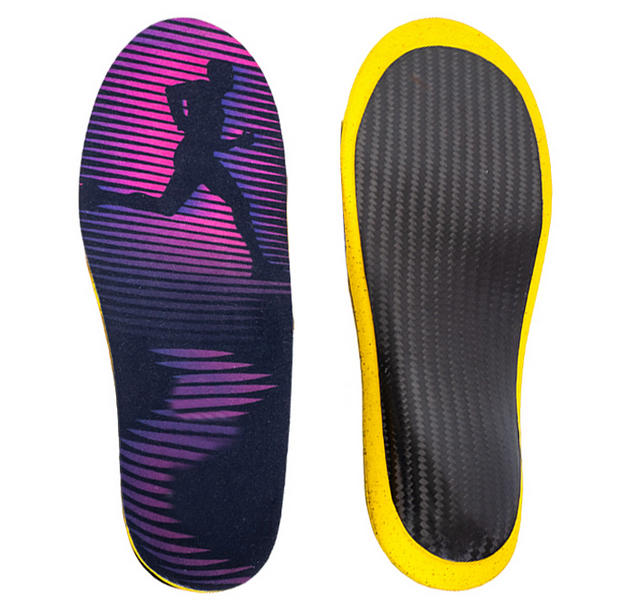
Tennis is not just running in straight lines; it's multi‑directional, high‑impact movement. That means the best insoles for tennis players must do more than just feel soft underfoot. [aetrex]
Key performance requirements for tennis insoles:
- Dynamic arch support to keep your foot aligned during quick lateral cuts and sudden stops. [yoursole]
- Targeted cushioning in the heel and forefoot to absorb repetitive impact from serves, landings, and sprints. [alineinsoles]
- Stability and motion control to reduce overpronation or excessive foot rolling, lowering the risk of ankle and knee injuries. [aetrex]
- Breathable, moisture‑wicking top fabric to keep feet drier and reduce blisters and odors during long matches. [alineinsoles]
- Secure fit and trim‑to‑size options so the insole sits flat in the shoe and doesn't slide or bunch. [aetrex]
From an OEM manufacturer's point of view, achieving this balance requires careful material selection, CAD‑driven contouring, and repeated on‑court testing with real players rather than relying on generic foam sheets.
Most tennis shoes ship with thin, flat foam liners that do almost nothing for alignment or shock absorption. These basic liners compress quickly and fail to stabilize the heel, which is critical when you're planting and pushing off for lateral movements. [yoursole]
Common issues tennis players report with stock insoles:
- Heel pain after playing on hard courts
- Burning under the ball of the foot during long rallies
- Arch fatigue or cramping in the mid‑foot
- Knee and lower‑back discomfort after consecutive playing days
Court‑sport‑specific insoles are engineered to address these problems by replacing the stock liner with a more structured, supportive, and durable platform that matches the way you move on court. [yoursole]
Your arch type is the starting point for choosing the best tennis insoles. [alineinsoles]
- Low arches / flat feet: Look for insoles with firm, corrective arch support and strong midfoot structure to reduce overpronation and collapse. [aetrex]
- Neutral arches: Choose moderate support that maintains alignment without feeling intrusive under the arch. [yoursole]
- High arches: You need higher‑profile support with extra cushioning to distribute pressure across the foot and prevent impact overload on the heel and forefoot. [alineinsoles]
Well‑designed tennis insoles use contoured, sometimes multi‑density arch shells that guide the foot rather than simply propping it up with soft foam. [aetrex]
Tennis involves repetitive landing on one leg, quick accelerations, and abrupt decelerations. Effective insoles use strategic cushioning rather than just more foam. [alineinsoles]
Look for:
- Heel cushioning pods or gel to dampen impact when you land after serves and overheads. [aetrex]
- Forefoot cushioning to protect the ball of the foot during sprints and split steps. [alineinsoles]
- Resilient foams (EVA, PU or performance blends) that maintain their rebound over many matches instead of flattening after a few weeks. [aetrex]
Long‑lasting cushioning is especially important for serious players who train multiple times per week.
In tennis, heel stability is non‑negotiable. A deep, structured heel cup helps center the heel and reduce unwanted rolling, which in turn supports ankle and knee alignment. [yoursole]
High‑stability insoles typically feature:
- A deep heel cup that "locks" the heel in place
- A rigid or semi‑rigid arch shell to limit excessive pronation
- Forefoot features that encourage smooth toe‑off and quick lateral transitions
These design elements are especially useful for players prone to ankle sprains or who feel unstable when changing direction at speed. [yoursole]
Tennis is sweaty. Moisture trapped inside your shoe increases friction, blisters, and odor. [alineinsoles]
High‑quality insoles often use:
- Moisture‑wicking top fabric to pull sweat away from the skin
- Perforated foam layers to enhance airflow underfoot
- Anti‑microbial treatments to reduce odor‑causing bacteria over time [aetrex]
For OEM and brand‑level insoles, manufacturers can tune fabric weight, surface texture, and lamination methods to get the right combination of grip and breathability for court sports.
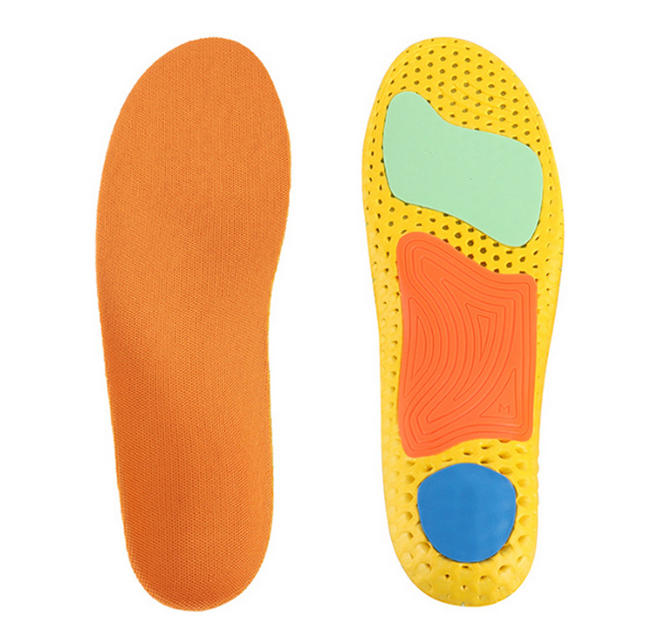
Tennis players often experiment with different insoles before finding the right setup. Below is an overview of common categories you'll see in the market, along with their typical strengths.
Some insoles focus on optimizing lower‑body alignment and biomechanics, using structured arch profiles and heel control to improve posture and efficiency. These are well‑suited to competitive players who want better energy transfer and reduced overuse injuries. [alineinsoles]
Other insoles emphasize maximum cushioning, often with gel or high‑rebound foams in the heel and forefoot. These work well for recreational players, older athletes, or anyone playing on very hard courts where impact is the main concern. [alineinsoles]
These models include rigid arch structures, deep heel cups, and multi‑density posts to control pronation and maintain a neutral foot position under load. They are a strong choice for players with flat feet, overpronation, or a history of ankle/knee issues. [yoursole]
More affordable athletic insoles provide basic cushioning and moderate support at a lower price point. While not as technically advanced, they can still be a significant upgrade over stock liners for casual players. [alineinsoles]
As an OEM manufacturer supplying performance insoles to global brands, one thing is clear: what you see at retail is only part of the story. [foam-well]
How OEM tennis insoles can differ:
- Sport‑specific geometry: Court‑sport insoles can be shaped differently from running or hiking insoles to better support lateral movement and split‑step patterns. [alineinsoles]
- Customized density mapping: OEM designs often use different foam densities under heel, midfoot, and forefoot, tuned for tennis‑specific impact zones identified in lab and on‑court testing. [alineinsoles]
- Brand‑matched fit: Insoles are designed to match the internal last of a specific shoe line, giving a more precise and stable fit than generic after‑market products.
- Higher durability standards: Brand partners typically set clear wear‑test thresholds (hours of play) that the insole must meet before compression or deformation.
If you are a tennis brand, retailer, or club looking to launch your own line of tennis insoles, working with a specialized OEM gives you access to engineering support, material libraries, and industrial‑scale testing that go far beyond ordinary white‑label inserts. [foam-well]
Choosing insoles doesn't need to be complicated. Use this practical, player‑tested process.
1. Identify your arch type
Check whether your arches are low, neutral, or high (via footprint test or professional assessment). [yoursole]
2. Define your main issue
Do you struggle with heel pain, knee discomfort, arch fatigue, or just general soreness after long matches? Match insoles to your primary problem. [aetrex]
3. Decide your priority: support or softness
Competitive players usually benefit more from stability and alignment, while recreational players may prioritize cushioning and comfort. [yoursole]
4. Check material and breathability
Look for moisture‑wicking, breathable fabrics and anti‑microbial features if you play in hot or humid conditions. [aetrex]
5. Test the fit in your actual tennis shoes
Remove the original liner, use it as a template to trim the new insole, and ensure it sits flat without bunching or sliding. Try a few sets of intense movement before deciding. [aetrex]
Below is a high‑level guide you can adapt to your product mix. It maps player types to the insole characteristics they usually prefer.
| Player type | Main pain point | Recommended insole focus |
|---|---|---|
| Aggressive baseliner | Knee and hip stress | Stability + motion control with firm arch shell (alineinsoles) |
| All‑court player | General fatigue | Balanced support + cushioning (alineinsoles) |
| Recreational weekend player | Heel and forefoot soreness | High‑cushion comfort with gel pods (alineinsoles) |
| Older player / comeback from injury | Impact sensitivity | Max shock absorption and deep heel cup (alineinsoles) |
| Junior or light player | Mild arch fatigue | Moderate support, lighter foams, good breathability (alineinsoles) |
Use this table as a starting point, then factor in arch type and court surface.
Even the best insole will fail if it is not installed and broken in correctly. [aetrex]
Installation steps:
1. Remove the existing factory liner from your tennis shoe. [aetrex]
2. Place it on top of the new insole and trace the outline. [aetrex]
3. Trim the new insole carefully around the toe area only. [aetrex]
4. Insert the trimmed insole into your shoe and ensure it lies completely flat. [aetrex]
Break‑in tips:
- Start with 30–60 minutes of light play or practice, then check for pressure points. [yoursole]
- Expect a brief adjustment period as your foot adapts to improved support.
- If you feel sharp pain or numbness, re‑trim the forefoot slightly or try a different support profile.
If you are a tennis brand, distributor, or club planning to develop your own tennis insoles through an OEM partner, ask these high‑impact questions:
- What lab tests and on‑court protocols do you use to validate shock absorption and stability for tennis movements? [foam-well]
- Can you provide different arch profiles (low/medium/high) within the same product family to cover more players? [yoursole]
- How do you control foam density, rebound, and long‑term compression set specifically for hard‑court play? [alineinsoles]
- What breathable and anti‑microbial materials are available for hot, humid regions? [alineinsoles]
- Can you support private‑label branding (logos, colors, packaging) and consistent quality across large OEM orders? [foam-well]
A manufacturing partner that can clearly answer these questions usually has the R&D depth and production experience needed for serious tennis projects. [foam-well]
1. Are running insoles good enough for tennis?
Running insoles are optimized for forward motion, not for the intense lateral cuts and abrupt stops in tennis, so they often lack the side‑to‑side stability and heel control court players need. [alineinsoles]
2. How often should I replace tennis insoles?
For players training multiple times per week, a good rule of thumb is to replace insoles every 6–12 months, or sooner if you see visible compression, cracking, or feel a clear loss of support and cushioning. [alineinsoles]
3. Can better insoles really help prevent injuries?
Yes, quality insoles with proper arch support, heel stability, and shock absorption can reduce common issues such as plantar fasciitis, shin splints, and knee stress by improving alignment and distributing pressure more evenly. [alineinsoles]
4. Do I still need insoles if I wear premium tennis shoes?
Even high‑end tennis shoes often ship with simple foam liners; adding a performance insole gives you customized support and cushioning that the stock insert usually cannot provide. [aetrex]
5. Should juniors and recreational players also use performance insoles?
If a player experiences discomfort, fatigue, or recurring minor injuries, upgrading to a well‑designed insole is one of the simplest, most affordable changes to improve comfort and reduce risk, regardless of level. [yoursole]
1. ALINE. "What Are The Best Insoles for Tennis Players?" *ALINE Insoles Blog*. [Link] [alineinsoles]
2. Aetrex. "Don't Buy Court Shoe Insoles Until You Read This." *Aetrex Blog*, 2026. [Link] [aetrex]
3. LuxCreo. "3D打印鞋垫解决方案." *LuxCreo Solutions*. [Link] [luxcreo]
4. YourSole. "The Best Custom Insoles for Tennis Shoes – The Lightest Tread." *SOLE Blog*, 2023. [Link] [yoursole]
5. Foamwell. "Top 10 Best Insole Manufacturers in China." *Foamwell News*, 2026. [Link] [foam-well]
6. ALINE. "Best Shoe Insoles for Sports." *ALINE Insoles Blog*, 2024. [Link] [alineinsoles]


