
Views: 222 Author: Edvo Publish Time: 2025-11-10 Origin: Site


Content Menu
● Understanding Orthopedic Insoles
● Common Causes of Squeaking in Insoles
>> Friction Between Insole and Shoe
>> Improper Fit or Installation
>> Wear and Tear From Daily Use
● Are Squeaky Insoles a Serious Problem?
● Troubleshooting: Quick Fixes for Squeaky Insoles
● Signs That Indicate It's Time to Replace Insoles
● The Lifespan of Orthopedic Insoles
● How Squeaking Can Affect Foot Health and Comfort
● Choosing the Right Replacement Insoles
● Benefits of Timely Insole Replacement
● How to Prolong the Life of Orthopedic Insoles
● Sustainability Considerations in Insole Replacement
>> 1. What causes my orthopedic insoles to squeak?
>> 2. Can I fix squeaky insoles without replacing them?
>> 3. How long do orthopedic insoles typically last?
>> 4. Are there risks if I don't replace squeaky or worn insoles?
>> 5. How can I choose replacement orthopedic insoles that won't squeak?
Orthopedic insoles play a vital role in supporting feet, correcting postural issues, and improving daily comfort for countless individuals worldwide. These precision-made inserts, available in a range of materials and custom shapes, are often recommended by medical professionals and preferred by those seeking relief from discomfort or seeking improved athletic performance. However, even high-quality insoles can develop unexpected issues—such as squeaking—that prompt questions about product performance and longevity. Should you replace your orthopedic insoles when they squeak? This in-depth guide clarifies the squeaking mystery and helps you make informed decisions, offering actionable solutions, maintenance tips, and guidance for selecting the best replacements. Whether you're a brand owner, wholesaler, or end user, understanding these insights will help you maximize the life span, comfort, and health benefits that orthopedic insoles offer.
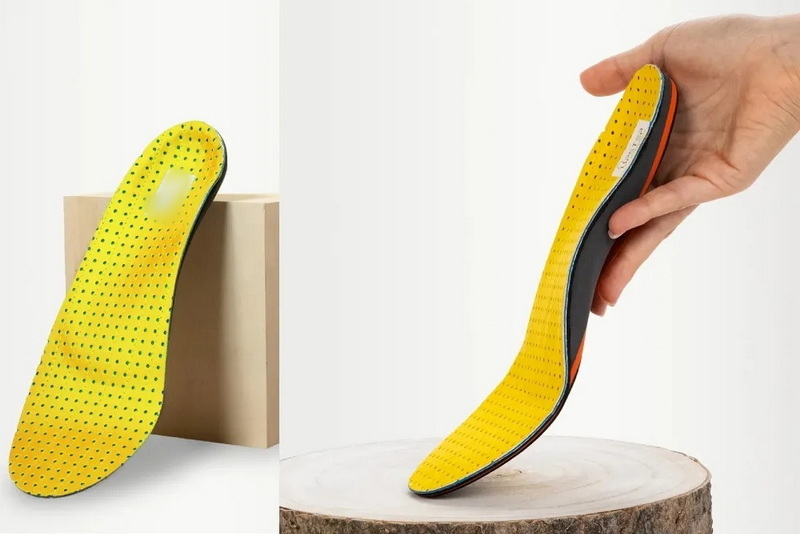
Orthopedic insoles are engineered inserts designed to provide extra support, correct biomechanical issues, enhance weight distribution, and cushion the foot during daily activities. They are widely used to treat plantar fasciitis, flat feet, high arches, diabetic foot pain, heel spurs, and general fatigue associated with walking or standing.
Most orthopedic insoles are manufactured from premium materials like memory foam, EVA, polyurethane, silicone gel, or even natural cork. The best designs combine several layers, each with a specific function: cushioning, moisture absorption, antimicrobial control, and shock absorption.
Custom insoles are tailored to individual foot shapes and medical needs, often created based on 3D scans or pressure mapping. Off-the-shelf models offer standardized arch support and are an accessible solution for millions.
Squeaking can turn a comfortable walk into a distracting experience. Understanding the underlying causes is essential for resolving or preventing these noises.
The most frequent culprit is friction. Even minor movements between the insole and the shoe's interior—especially when wearing new shoes, mismatched sizes, or after prolonged use—can generate squeaking sounds. Moisture between surfaces can make squeaks louder or more persistent.
Over time, the softer foams used in insoles begin to lose resilience due to repeated compression. This material fatigue can produce squeaks, creaks, or popping noises, particularly if the original structure has been compromised.
Moisture inside the shoe—whether from sweat or rain—can disrupt the fit and generate sounds. Many insoles have moisture-wicking covers, but in hot or humid environments, buildup is inevitable.
Insoles that do not sit flush against the shoe's footbed, that are too small or large, or that become dislodged during activities are highly prone to movement-induced squeaking.
Regular walking, running, or sports can wear down the underside of insoles, causing uneven surfaces and new friction points, further increasing the chances of squeaks.
While squeaking might seem like a simple aesthetic annoyance, it sometimes reveals deeper problems. For orthopedic insoles—especially those prescribed for medical issues—the importance of checking squeaks cannot be overstated.
Persistent noise can indicate a loss of structure or missed alignment, potentially putting your feet, knees, or back at risk. A compromised insole might allow poor posture or gait to develop, especially if combined with signs of wear, fading support, or increased pain.
Socially, squeaky insoles can distract during work, athletic events, or public gatherings, diminishing user confidence. For OEM manufacturers and wholesalers, repeated customer complaints about squeaks may impact brand reputation.
Before rushing to replace, try these proven solutions:
- Remove and Reinsert: Take out the insoles, clean the shoe interior, and replace them carefully, ensuring a snug, even fit.
- Powder Application: Lightly sprinkle baby powder or cornstarch beneath the insole to reduce friction and absorb moisture.
- Thorough Drying: Remove both insoles and shoes after use and dry completely before reinserting. Air drying is preferable over direct heat, which can damage materials.
- Use Fabric Softener Sheets: Place a softener sheet under the insole to reduce movement and neutralize odor.
- Try Different Socks: Moisture-wicking socks help keep both foot and insole dry, minimizing noise.
- Inspect for Debris: Sometimes small debris inside shoes can shift position and cause new friction points.
If squeaking stops, and the insoles otherwise perform well, replacement may not be needed. However, recurring noise despite these fixes suggests the material may be worn beyond repair.
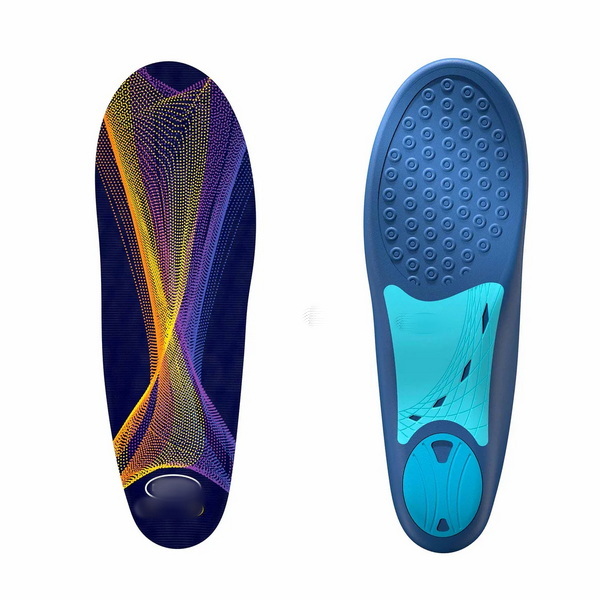
Knowing when to swap out insoles preserves both comfort and health. Besides squeaking, look out for these warning signs:
- Reduced Support: Notable flattening, loss of arch height, or cushioning make the insole less effective.
- Obvious Damage: Cracking, tears, permanent indentations, or obvious thinning.
- Lingering Odor: Unremovable smells, even after cleaning, can signal mold or bacterial buildup.
- Discoloration and Staining: Persistent stains, especially from sweat or chemical exposure.
- Increased Pain or Fatigue: If you notice more discomfort than when you started using the insole, it probably isn't doing its job anymore.
- Insole Movement: If the insole continually shifts or curls inside the shoe, fit has deteriorated.
For those using orthopedic insoles for chronic problems or sports, timely replacement is paramount to ongoing foot health.
The longevity of orthopedic insoles depends heavily on user activity, body weight, environment, and insole construction. Intensive daily use, energetic sports, or standing for long periods shortens an insole's effective life.
- Typical lifespan for daily-use insoles: 6–12 months.
- Sports and running insoles: 3–6 months, depending on terrain and intensity.
- Medical orthotics: replacement every 6–18 months, as guided by your healthcare provider.
Routine inspection supports proactive replacement and prevents foot discomfort.
Footwear noises are not merely embarrassing—they can signal changes in how insoles interact with your foot and shoe, sometimes affecting gait. Subtle changes in fit or stability can result in:
- Increased friction, leading to blisters or calluses.
- Uneven pressure that can aggravate plantar fasciitis, heel pain, or arch problems.
- Distraction or altered walking posture, exacerbating joint strain.
Ignoring squeaking may delay essential maintenance, allowing small problems to escalate into costly injuries or overuse syndromes.
When squeaks persist and your insole's structural integrity is compromised, choosing a suitable replacement is crucial. Start by:
- Assessing Arch Type: Flat, neutral, or high; select insoles tuned for your biomechanical needs.
- Checking Materials: Memory foam for comfort, EVA for lightweight rigidity, gel for shock absorption, or cork for natural durability.
- Sizing and Fit: Match the new insole precisely to your shoe size. Some insoles allow trimming for custom fit.
- Moisture Control: Choose insoles with moisture-wicking, antibacterial covers for odor and hygiene control.
- Medical Advice: For chronic pain or medical needs, consult a podiatrist or specialist for tailored recommendations.
Quality replacement insoles from trusted manufacturers enhance footwear longevity, foot health, and day-to-day quality of life.
Don't wait for discomfort or persistent squeaking to force replacement. Proactive renewal helps:
- Maintain Proper Alignment: Fresh insoles protect arch height and heel stability.
- Prevent Injuries: Quality cushioning reduces impact stress on joints.
- Improve Comfort: Restore the original plush feel and walking experience.
- Support Hygiene: Prevent lingering bacterial or fungal growth inside shoes.
- Enhance Shoe Longevity: Protect the shoe's original interior and preserve its fit.
For OEM providers, timely product updates reduce returns and improve end user satisfaction.
Extend your investment and ensure comfort with these maintenance tips:
- Rotate Pairs: If possible, use alternate pairs to let each set recover between wears.
- Clean Regularly: Wash gently by hand using mild soap; avoid harsh chemicals.
- Air Dry Only: Prevent warping by avoiding direct sunlight or heaters.
- Store Shoes Properly: Let shoes dry naturally in ventilated, tempered spaces.
- Use Appropriate Socks: Technical or moisture-wicking socks help keep insoles drier and extend their lifespan.
Train customers and staff to inspect insoles as part of a routine footwear check to catch signs of impending replacement.
Eco-conscious buyers increasingly demand sustainable solutions. Brands and manufacturers can offer:
- Recyclable Insoles: Many modern insoles are made from recycled or plant-based EVA, cork, or biodegradable gels.
- Donation Programs: Slightly used insoles can be sanitized and donated to those in need.
- Reduced Packaging: Offer minimal packaging or bulk shipment options for OEM and wholesale buyers.
Sustainability initiatives improve brand image and market appeal in an increasingly eco-aware global market.
Orthopedic insole squeaking, while often harmless, deserves greater attention for long-term comfort and health. Begin with troubleshooting—removing, cleaning, and repositioning insoles, using basic remedies like powder or fabric sheets. If squeaking persists, or if support, hygiene, or comfort is noticeably compromised, replacement becomes the best option. Proactive maintenance and timely replacement lead to more enjoyable, comfortable movement and robust foot health. For OEM manufacturers and wholesalers, ensuring quality, durability, and user education is essential for long-term success.
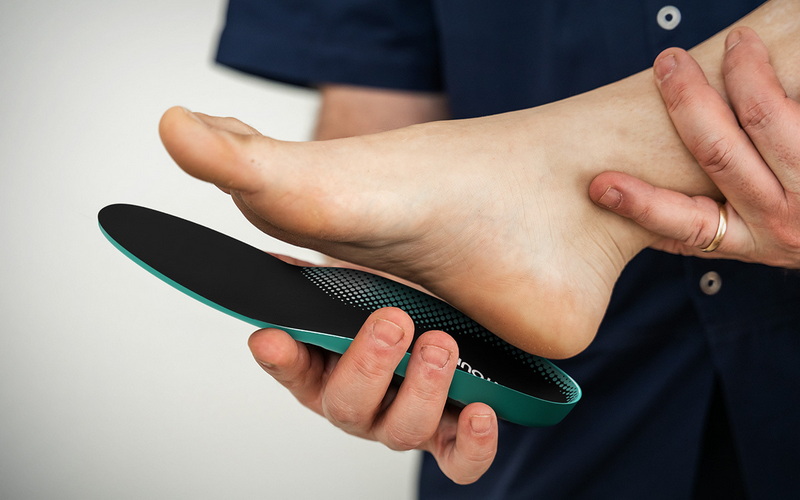
Squeaking is usually tied to friction, moisture, or material breakdown. It may occur if the insoles don't fit perfectly or if the shoe interior or insole surface becomes damp or worn.
You may resolve squeaks by repositioning the insole, drying both shoe and insole, using powder, or changing socks. If the squeak is caused by structural damage, replacement is needed.
Most insoles last 6–12 months with daily use, though intense activity or environmental factors may shorten their effective life. Inspect regularly and replace as needed.
Ignoring insole replacement can result in reduced support, increased foot pain, odor, and potential aggravation of underlying foot problems. Proper replacement ensures ongoing comfort and health.
Opt for quality insoles with proper sizing, moisture-wicking covers, and materials suited to your activity and medical needs. A correct fit and routine maintenance help minimize future squeaks.


