
Views: 222 Author: Edvo Publish Time: 2026-01-19 Origin: Site


Content Menu
● What Orthotic Insoles Are Designed to Do
● Why Orthotic Insoles Start to Squeak
>> Friction Between Insole and Shoe Interior
>> Moisture, Sweat, and Humidity
>> Wear, Flattening, and Layer Separation
>> Poor Fit, Misalignment, or Shoe Mismatch
● Should You Replace Orthotic Insoles When They Squeak?
● How to Stop Orthotic Insoles from Squeaking
>> Use Powder to Reduce Friction and Moisture
>> Improve Fit and Positioning
>> Dry Shoes and Insoles Completely
>> Apply Safe Lubrication in Small Amounts
● When Squeaking Means It Is Time to Replace
>> Visible Damage and Structural Deformation
>> Loss of Comfort, Support, or Symptom Relief
>> Persistent Odor and Hygiene Issues
>> Exceeded Recommended Usage Period
● How to Extend the Lifespan of Orthotic Insoles
>> Choose Footwear Compatible with Orthotics
● Replacement Tips for Users and Buyers
● FAQ
>> 1. Do squeaky orthotics mean they are broken?
>> 2. How can I quickly stop my orthotic insoles from squeaking?
>> 3. How often should I replace squeaky orthotic insoles?
>> 4. Can certain shoes make orthotic insoles squeak more?
>> 5. Are squeaking insoles harmful for my feet if I ignore the noise?
Orthotic insoles are essential tools for improving comfort, alignment, and long-term foot health. When they start to squeak, many people worry that they are damaged or no longer safe to use. The truth is that squeaking is usually a sign of friction or moisture rather than immediate failure, but sometimes it does indicate that it is time for a replacement. Understanding what the noise really means helps you decide whether to fix, maintain, or replace your orthotic insoles.
This complete guide explains why orthotic insoles squeak, how to stop the noise, when you should consider replacing them, and how to extend their lifespan. It is useful for everyday users, athletes, and also for brands and retailers working with professional insole manufacturers.
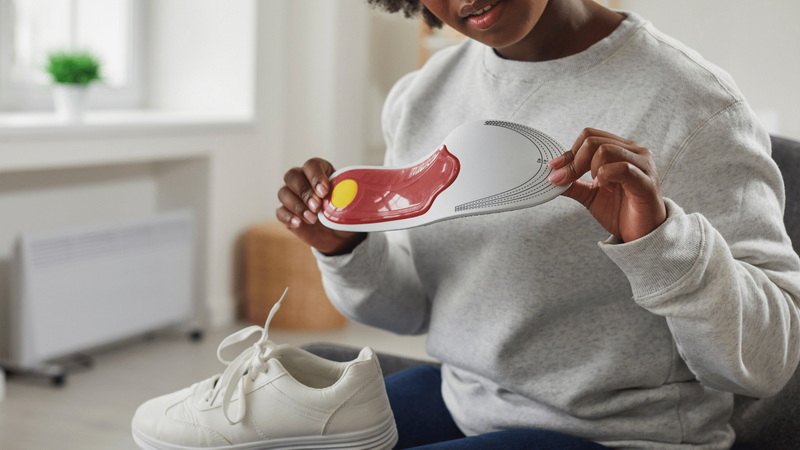
Orthotic insoles are removable devices placed inside shoes to support and align the feet. They can be medical-grade custom orthotics or high-quality prefabricated inserts made for sports, work, or daily comfort. Their main purposes include:
- Supporting the arches and redistributing pressure across the foot
- Improving alignment of the ankles, knees, hips, and lower back
- Reducing pain caused by flat feet, high arches, plantar fasciitis, or other conditions
When new and properly fitted, orthotic insoles sit firmly inside the shoe and move in harmony with each step. Over time, however, materials compress, surfaces become smoother, and moisture builds up. These changes often create the conditions that lead to squeaks.
Orthotic insoles typically squeak because something has changed in the interaction between your foot, the insole, and the shoe. The noise is usually mechanical rather than structural, but it should not be ignored.
The most common cause is friction between the bottom of the insole and the shoe's insole board or midsole. When the surfaces rub during walking, they create a squeaking sound. This is more likely to happen if:
- The shoe interior is very smooth or glossy
- The orthotic material is rigid or has a polished plastic shell
- The fit is slightly loose, allowing the insole to slide or flex
Feet sweat naturally, especially in closed shoes or during sports. Moisture softens some materials and increases tackiness between the insole and the shoe. Humid conditions can also cause the top cover and base of the insole to swell slightly, increasing friction. If moisture is not managed, squeaking and odor often appear together.
Most orthotic insoles are made of layers such as foam, EVA, gel, polyurethane, or thermoplastic shells. As these materials age, they compress and lose resilience. The top cover may start to peel, and the base may no longer match the original shape of the shoe. This wear can lead to:
- Uneven contact points that squeak as they flex
- Small gaps between layers that rub against each other
- Edges that lift slightly and make noise while you walk
If the orthotic no longer matches your shoe's interior, it may shift with each step. This can happen when:
- You move the insole to new shoes with a different last shape
- Your shoes are too big or too wide
- The insole has warped or lost its original contour
Whenever the insole slides, pivots, or bends independently of the shoe, squeaking becomes more likely.
A squeak alone does not automatically mean you must replace your orthotic insoles. The decision depends on whether the noise comes from a simple mechanical issue or from deeper structural wear. Use the following approach:
- If the insoles are still supportive, comfortable, and visually intact, try maintenance and noise-reduction methods first.
- If squeaking comes together with pain, flattening, cracks, or persistent odor, replacement is usually the better choice.
In other words, treat squeaking as a warning signal. It tells you to check fit, condition, and hygiene, then decide whether a repair, adjustment, or replacement is the most sensible solution.
There are several practical methods to stop squeaky orthotic insoles. Many of them are easy to apply at home and safe for most materials.
Fine powder helps absorb moisture and create a low-friction barrier between surfaces. Common options include:
- Baby powder or talcum powder under the insole
- Cornstarch as a more natural alternative
Remove the insole, lightly sprinkle powder on the shoe's insole board, tap out the excess, and reinsert the orthotic. This often eliminates squeaks caused by moist, sticky contact.
A thin, soft barrier can cushion the interface between the insole and the shoe and stop noisy rubbing. Simple options are:
- Cutting a dryer sheet to match the insole shape and placing it underneath
- Using thin moleskin or felt on the underside of the orthotic base
These materials reduce direct friction, stabilize the insole slightly, and can also help with odor control.
A poorly fitting orthotic is more likely to move around and make noise. To improve fit:
- Make sure the orthotic size matches the shoe size exactly
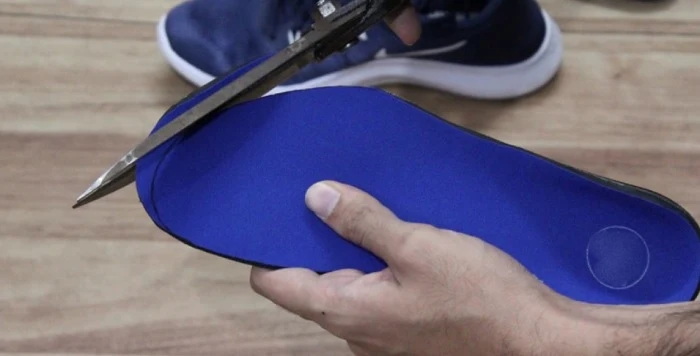
- Trim only the forefoot area if needed, following the original insole as a template
- Ensure the heel cup seats firmly in the back of the shoe with no gaps
If the shoe is too loose, consider switching to a better-fitting model or using lacing techniques to lock the heel in place.
Never leave insoles inside wet shoes after a long day. Instead:
- Remove the orthotics and let both shoes and insoles air dry in a well-ventilated area
- Avoid direct heat sources such as radiators or dryers that can warp materials
- Use shoe trees or place paper towels inside shoes to absorb moisture
A dry environment not only controls squeaking but also protects the structural integrity of both shoes and insoles.
For certain rigid orthotics and smooth shoe interiors, a small amount of safe lubricant can help:
- Use silicone-based spray or a similar product approved for footwear
- Apply sparingly to the contact points on the insole base or shoe interior
- Wipe away excess to avoid slipping when walking
Lubrication reduces friction without the mess of heavy oils, but it should always be used carefully to maintain traction and safety.
Even if you can temporarily quiet noisy insoles, some situations clearly indicate that replacement is the best choice. Pay attention to the following signs.
Replace your orthotic insoles if you see:
- Cracks, splits, or deep creases in the base or arch area
- Top cover separation, peeling edges, or holes under the forefoot or heel
- Noticeable flattening compared to a new pair or to your original impression
Once the structure is compromised, the orthotic can no longer support your foot as designed, and squeaking may be only one of several symptoms.
Orthotics are meant to reduce pain and improve stability. If you experience:
- The return of heel pain, arch strain, or knee and lower back discomfort
- New pressure points, hot spots, or friction blisters
- A feeling that your feet are “working harder” than before
then the insoles may have worn past their effective lifespan, even if they still look acceptable from the outside.
Chronic odor indicates bacteria and moisture trapped inside the material. If cleaning and deodorizing no longer help, internal degradation may already be present. In that case:
- Odor may be accompanied by discoloration or surface roughness
- The insoles may feel damp or sticky even after drying
- Squeaks caused by moisture may return quickly after each use
Replacing the insoles protects both comfort and hygiene, especially for people with sensitive skin or medical conditions.
Most orthotic insoles have a practical service life that depends on:
- Body weight and foot structure
- Daily walking or standing time
- Type of activities, such as running, hiking, or heavy work
General guidelines often suggest replacing many over-the-counter or semi-rigid orthotics every six to twelve months with regular use. For high-impact sports or heavy workloads, a shorter interval may be necessary. Custom orthotics can last longer but still require regular evaluation by a professional.
Proper care and usage habits can significantly delay the need for replacement and reduce squeaking over time.
If budget allows, keep at least two pairs of orthotic insoles or alternate between different shoes with orthotics. Rotating pairs gives each set time to dry and recover between uses. This reduces material fatigue and helps maintain shape and cushioning.
To clean most orthotic insoles safely:
- Wipe the surface with a soft cloth or sponge and mild soap solution
- Avoid soaking the insoles in water or using harsh chemicals
- Rinse lightly and pat dry with a towel, then air dry completely
This type of cleaning removes sweat and bacteria without attacking adhesives or deforming the shell.
Good hygiene practices reduce both odor and moisture-related squeaks:
- Wear moisture-wicking socks made from technical fibers or wool blends
- Change socks during the day if your feet sweat heavily
- Allow shoes to rest between wears and store them in a dry, ventilated place
For people in hot climates or active jobs, these steps are especially important.
Not all shoes work well with orthotic insoles. For best results:
- Use shoes with removable factory insoles and enough internal volume
- Prefer stiff heel counters and stable midsoles that support the orthotic
- Avoid very tight, narrow, or highly flexible shoes that distort the insole
Orthotic-friendly shoes reduce stress on the insole, minimize unwanted movement, and help prevent squeaking from the start.
When you decide to replace your orthotic insoles, plan your purchase carefully to get the best performance and durability.
- Clarify your primary use: casual walking, office work, running, basketball, hiking, or safety footwear.
- Match material and construction to your needs, such as cushioned EVA for comfort, more rigid shells for medical support, or high-rebound foams for sports.
- Check that the new insoles fit your current shoes in both length and width, and trim only at the forefoot when permitted by the design.
- Break in new insoles gradually, starting with one or two hours per day and increasing as your feet adapt.
For brands, wholesalers, and manufacturers, working with experienced OEM insole factories allows you to customize hardness, arch profile, top cover fabrics, and anti-squeak design features to match your target market.
Squeaking orthotic insoles can be annoying, but they do not always demand immediate replacement. In many cases, the noise comes from friction, moisture, or minor fit issues that can be solved with powder, barrier layers, better drying, or small adjustments to shoe and insole positioning. However, squeaks combined with visible wear, structural damage, pain, or persistent odor usually indicate that the insoles have reached the end of their useful life.
By understanding why orthotic insoles squeak and how to respond, you can protect your foot health, extend insole lifespan, and maintain comfortable, quiet steps. Regular inspection, proper cleaning, and timely replacement help ensure that your insoles continue to deliver the support and stability they were designed to provide.
Contact us to get more information!
Not necessarily. Squeaking usually means there is friction between the insole and the shoe or extra moisture around the materials. If the orthotic still feels supportive and shows no cracks, flattening, or separation, it is often safe to keep using it after you address the cause of the noise.
A quick solution is to remove the insoles, sprinkle a light layer of baby powder or cornstarch inside the shoes, tap out the excess, and reinsert the orthotics. You can also place a cut-to-size dryer sheet or a thin layer of moleskin under the insole to create a soft barrier that reduces friction and noise.
Most people need to replace everyday orthotic insoles approximately every six to twelve months, depending on body weight, activity level, and how well the insoles are maintained. If squeaking appears together with pain, visible damage, or poor support, do not wait for a fixed time period—replace them as soon as possible.
Yes. Shoes with very smooth interiors, tight toe boxes, or insufficient depth are more likely to cause squeaking because the orthotic may slide or rub at sharp angles. Choosing orthotic-friendly shoes with removable factory insoles, firm heel counters, and enough internal volume greatly reduces the risk of noise.
The sound itself is not harmful, but ignoring it may cause you to overlook the reasons behind it. If squeaking is caused by poor fit, worn-out materials, or moisture buildup, continuing to use the insoles without correction can lead to discomfort, loss of support, or hygiene issues over time. Always check both the insole and the shoe when squeaking starts and take action if any problem is found.
1. https://drrobinson.net/squeaky-orthotics/
2. https://lighthousefootandankle.com/a-podiatrists-guide-to-quieting-squeaky-orthotics/
3. https://www.prolaborthotics.com/modifications/squeaky-orthotic-remedies/
4. https://treadlabs.com/blogs/insoles-reach-your-stride/why-do-my-insoles-make-my-shoes-squeak
5. https://treadlabs.com/blogs/insoles-reach-your-stride/how-frequently-should-orthotic-insoles-be-changed
6. https://www.vionicshoes.com/blog/how-to-clean-orthotics/
7. https://www.drcomfort.com/blog/how-long-do-shoe-inserts-last/
8. https://achillesfootandankle.com/how-to-clean-orthotic-inserts/
9. https://canyonfootankle.com/library/insole-maintenance-recommendations-orthotics-care.cfm
10. https://www.healthyfeetstore.com/blogs/blog-post/why-do-my-orthotics-squeak-in-my-shoes


