
Language
Views: 222 Author: Edvo Publish Time: 2026-01-19 Origin: Site


Content Menu
● Understanding Timberland Boot Insoles
● Can You Combine Orthotics with Timberland Insoles?
● When Wearing Orthotics with Timberland Boots Makes Sense
● Situations Where Orthotics May Not Be Necessary
● Fit Requirements for Orthotics in Timberland Boots
● How to Set Up Your Timberland Boots with Orthotics
>> Step 1: Remove the Original Insole
>> Step 2: Insert and Position the Orthotic
>> Step 3: Test with Your Work Socks
>> Step 4: Check Toe Room and Pressure Points
>> Step 5: Adjust and Reassess Over Time
● Choosing Orthotics for Timberland Boots
● Benefits of Using Orthotics in Timberland Boots
● Professional Guidance and Medical Considerations
● Practical Tips for Daily Use
● FAQ
>> 1. Can I wear orthotics on top of the Timberland boot insole?
>> 2. Do Timberland boots have enough support without orthotics?
>> 3. How do I know if my orthotics fit correctly in Timberland boots?
>> 4. What type of orthotics work best in Timberland work boots?
>> 5. Should I see a specialist before using orthotics in my Timberland boots?
Wearing orthotics with Timberland boots can be a very effective way to improve comfort, alignment, and long-term foot health, especially if you spend long hours on your feet or already have foot problems. The key is to set up your boots correctly, avoid stacking too many layers, and choose orthotic insoles that match both your foot type and the structure of your Timberland boots.
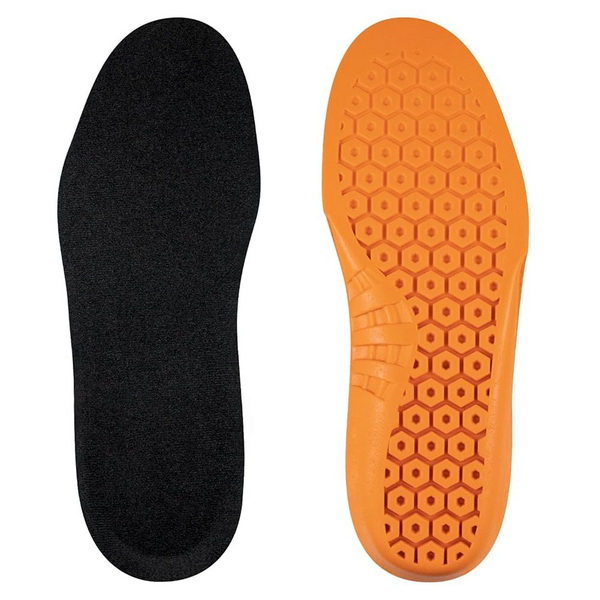
Timberland and Timberland PRO boot insoles are designed to upgrade comfort and performance for demanding work or outdoor use. Many models feature anti-fatigue technology, which uses specially engineered foams to absorb shock and return energy with every step. This design helps reduce the feeling of heaviness and fatigue that often comes from standing on hard floors or rough terrain.
These insoles typically include an anatomically contoured footbed that cradles the heel and supports the arch area. The top layer is often made from high-quality foam that manages moisture and offers a soft, cushioned feel underfoot. While this makes Timberland insoles comfortable for general use, they are still “stock” insoles, built for a wide range of feet rather than tailored to a specific person's biomechanics.
Orthotics are support devices placed inside shoes to improve the way your feet function as you walk, stand, and move. They can be custom-made by a medical professional or purchased as high-quality over-the-counter products. Custom versions are shaped to your exact foot structure and gait pattern, while prefabricated orthotics are offered in standard sizes and arch heights but still provide structured support.
The main roles of orthotics include supporting the arches, stabilizing the heel, controlling excessive inward or outward rolling of the foot, and redistributing pressure more evenly across the sole. This can help relieve or prevent problems such as plantar fasciitis, heel pain, ball-of-foot pain, shin splints, knee strain, and even lower back discomfort in some people. Orthotics work best when they sit flat and secure inside the shoe and maintain full contact where they are supposed to support the foot.
Most of the time, you should not stack an orthotic insert on top of the original Timberland boot insole. Stacking usually raises your foot too high inside the boot, which can crowd the toes, increase pressure on the top of the foot, and reduce overall stability. A boot that feels tight and unbalanced can cause new pain and even increase the risk of blisters or ankle issues.
The better approach is to remove the factory Timberland insole and then place your orthotic directly on the boot's midsole board. This setup lets the boot's structure, midsole, and outsole form a stable base, while the orthotic provides targeted support and alignment. When done correctly, the boot and orthotic work together like one integrated system instead of two separate layers competing for space.
Wearing orthotics inside Timberland boots is especially helpful if you:
- Have foot conditions such as plantar fasciitis, flat feet, overpronation, or very high arches
- Stand or walk for long hours on concrete, metal platforms, or other hard, unforgiving surfaces
- Carry heavy loads or work in environments where your feet take a lot of repetitive impact
- Experience recurring heel, arch, or forefoot pain despite using the original Timberland insole
In these situations, the combination of a rugged, supportive boot and a well-structured orthotic can significantly reduce strain on the plantar fascia, joints, and soft tissues. Many workers and outdoor users find that this pairing helps them stay on their feet longer with less fatigue at the end of the day.
There are also cases where you might not need orthotics in your Timberland boots. If you have neutral arches, no history of foot pain, and you feel comfortable wearing the boots with their stock anti-fatigue insole, additional inserts may not provide much benefit. For some people, adding an orthotic simply complicates the fit without improving comfort.
Orthotics are also less critical if you wear the boots only for short, casual periods rather than for long work shifts or intensive use. In light-duty situations, the original Timberland insoles often provide enough cushioning, shock absorption, and basic support. Over-correcting with a very aggressive orthotic when you do not actually need it can feel odd or even create new pressure spots.
For orthotics to work correctly inside Timberland boots, the fit must be checked carefully. A good setup should meet the following requirements:
- The boot should have a removable insole so you can take it out and replace it with the orthotic
- There should be enough internal depth so the top of your foot is not pressed uncomfortably against the upper
- The toe box should provide enough space for your toes to lie flat and move slightly without hitting the front
- The heel should feel locked in place without slipping up and down as you walk
Once your orthotic is inserted, you should feel stable and evenly supported. Your arch should rest naturally on the orthotic, and there should be continuous contact under the main areas of the foot that the device is designed to support. Any sharp pressure points, rubbing, or extreme tightness are signs that something needs adjustment, such as boot size, orthotic thickness, or sock choice.
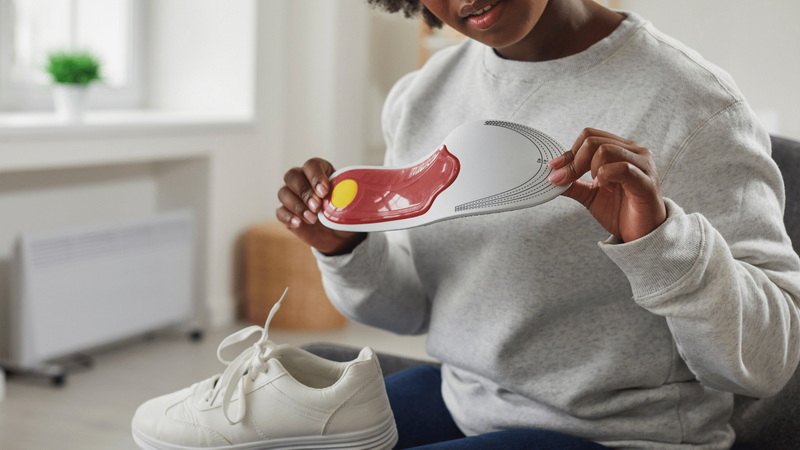
To properly combine orthotics with Timberland boots, follow these steps:
Start by pulling out the original Timberland boot insole. This usually lifts out by hand, starting from the heel or the side. Check the inside of the boot to ensure the base is reasonably flat and free of debris so the orthotic can sit evenly. Any wrinkles, ridges, or leftover foam can prevent the orthotic from lying flat and reduce its effectiveness.
Next, place your orthotic into the boot, heel first. Press the heel cup firmly into the back of the boot so there is no gap. Then smooth the orthotic forward toward the toes to ensure it sits flat from heel to toe. Make sure the sides are not curling up, overlapping, or riding onto the boot walls. A stable, flat position is crucial for proper support.
Put on the socks you typically wear at work or outdoors, since sock thickness significantly affects fit. Lace your Timberland boots fully, using the normal tightness you would use on the job. Walk around for several minutes on a hard floor or similar surface. Pay attention to how your heel, arch, and forefoot feel, along with overall balance and comfort.
With the boots fully laced, check toe room by pressing at the front of the boot while standing. Ideally, there should be roughly a thumb's width of space between your longest toe and the end of the boot. If your toes feel cramped or the top of your foot feels compressed, the combination of boot size, sock thickness, and orthotic height may be too much. In that case, you may need a half-size larger boot, a deeper boot model, or a slimmer-profile orthotic.
Give your feet some time to adapt to the new setup, especially if you are using rigid or semi-rigid orthotics for the first time. Increase wear time gradually over several days instead of jumping straight into a full work shift. If discomfort persists in specific areas, consider revisiting your sizing, trying a different orthotic style, or consulting a foot specialist.
Not all orthotics pair equally well with heavy-duty boots. When selecting orthotics to use with Timberland work or outdoor boots, pay attention to the following aspects:
Look for full-length orthotics that provide firm or semi-rigid support through the arch and heel. A deep heel cup helps cradle the heel and keep it aligned, while a structured arch section controls excessive inward or outward rolling. For people who stand many hours, a design that combines strong support with a cushioned top cover often delivers the best balance of stability and comfort.
Work boots put a lot of stress on insoles and orthotics, so durability is critical. Choose products made from high-density foams, performance polymers, or reinforced shells that are resistant to compression. Cheaper, very soft foam inserts tend to flatten quickly, losing support and forcing you to replace them frequently. A good work-boot orthotic should hold its shape and cushioning over many shifts.
Your foot type strongly influences which orthotic will feel and perform best. People with flat feet typically need more structured arch support and a stable heel cup, while those with high arches often benefit from added cushioning and a contoured shape that fills the gap under the arch. Some orthotics are offered in low, medium, and high arch profiles, giving you a better match to your natural shape.
Timberland boots vary in internal volume and depth, especially between casual models and heavy-duty work lines. If your boots are already snug, you may need a slimmer orthotic profile to avoid overcrowding the foot. If they are fairly roomy, a thicker, more cushioned orthotic might work perfectly. Balancing the thickness of the orthotic with the boot's internal space is essential for both comfort and safety.
When everything is set up correctly, combining orthotics with Timberland boots provides multiple benefits:
- Reduced heel, arch, and forefoot pain during and after long shifts
- Better distribution of body weight, which can ease pressure on sensitive areas
- Improved foot and ankle alignment, helping to reduce strain on knees, hips, and lower back
- Enhanced balance and stability on uneven or slippery surfaces
- Less overall fatigue, making it easier to stay productive throughout the day
For workers in construction, warehouses, manufacturing, logistics, and similar fields, these benefits can translate into fewer days lost to foot and leg pain and better performance at work.
Several common mistakes can prevent you from getting the full benefit of your orthotics and Timberland boots:
- Wearing orthotics on top of the original insole instead of replacing it, causing a cramped and unstable fit
- Choosing orthotics that are too short, too narrow, or the wrong arch height for your feet, leading to sliding or poor support
- Ignoring signs of discomfort such as rubbing, burning, or localized pain, and assuming the orthotic just needs a long break-in period
- Using very soft, cushion-only inserts and expecting them to correct alignment issues that require more structured support
Avoiding these pitfalls will help you enjoy a more secure, comfortable, and effective setup.
If you are using custom orthotics prescribed for a medical condition, it is important to follow the instructions provided by your podiatrist or foot specialist. They may recommend specific boot types, heel heights, or internal depths to ensure the orthotic can work as designed. Changing to a very different boot style without discussing it might reduce the effectiveness of your orthotics.
For persistent or severe pain, relying only on self-selected insoles and boots can delay proper diagnosis and treatment. A professional evaluation can identify whether your discomfort is due to joint alignment, soft-tissue injury, nerve issues, or other causes that may need more than just footwear changes. Once the underlying problem is understood, Timberland boots plus properly chosen orthotics can become part of a complete management plan.
To get the most from your orthotics and Timberland boots in daily life or work, consider these practical habits:
- Rotate between at least two pairs of boots or shoes so both your footwear and orthotics can dry and recover between uses
- Replace worn-out orthotics when you notice flattening, cracks, or a clear loss of support and cushioning
- Pay attention to how your knees, hips, and lower back feel, not just your feet, since alignment improvements can affect the whole chain
- Combine good insoles with regular stretching of calves, hamstrings, and plantar fascia to keep soft tissues flexible
These small routines help your feet stay healthier and extend the working life of both boots and orthotics.
Wearing orthotics with Timberland boots is often an excellent idea for anyone dealing with foot pain, long hours on hard surfaces, or structural issues such as flat feet or high arches. Instead of stacking inserts, the best practice is to remove the Timberland factory insole, confirm that the boot has enough interior depth and toe room, and then install a well-fitted orthotic that matches your arch type and work environment. When boot and orthotic are properly matched, you gain a combination of rugged external protection and precise internal support, which can improve comfort, reduce fatigue, and help protect your feet and joints over the long term.
Contact us to get more information!
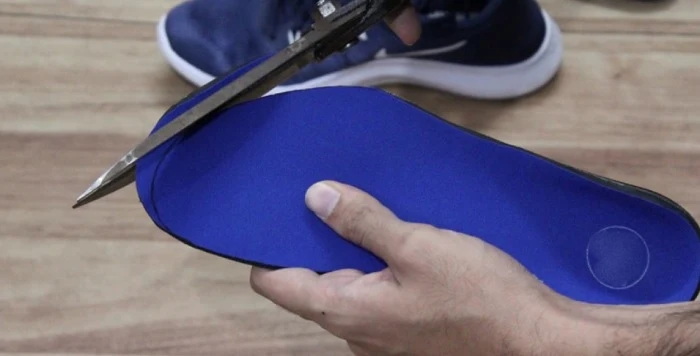
It is generally not recommended to wear orthotics on top of the original Timberland insole because this usually makes the boot too tight and changes your foot position in a negative way. Stacking layers can lead to pressure on the top of the foot, crowding in the toe box, and less stability around the ankle. For most people, removing the factory insole and using only the orthotic gives a safer and more comfortable fit.
Many Timberland and Timberland PRO boots have well-designed anti-fatigue insoles that provide good cushioning, shock absorption, and moderate arch support for everyday use. For people with neutral feet and no history of pain, this may be enough, especially for light or moderate use. However, those with flat feet, high arches, or recurring problems such as plantar fasciitis often need the more precise support that orthotics can provide.
A proper fit with orthotics in Timberland boots should feel secure and balanced. Your heel should stay seated in the heel cup without slipping, your arch should rest comfortably on the orthotic's support area, and your toes should have enough room to move slightly without hitting the front. You should not feel sharp pressure points on the sides or top of the foot, and you should be able to walk naturally without feeling as if the foot is tilted or forced into an awkward angle.
Full-length orthotics designed for work boots or safety footwear typically work best in Timberland work models. Look for options with a deep heel cup, firm or semi-rigid arch support, and a durable, cushioned top layer suitable for long hours of standing and walking. Orthotics made from high-density foam, performance polymers, or reinforced shells usually hold up better under the stress of heavy work than thin, casual shoe inserts.
If you have persistent foot pain, diagnosed conditions such as plantar fasciitis, diabetes-related foot issues, or a history of injuries, it is wise to consult a podiatrist or other foot specialist before relying on orthotics in your boots. A professional can help determine the cause of your symptoms, recommend the right type of orthotic, and confirm that your chosen Timberland boot model is suitable for your needs. This guidance reduces guesswork and increases the chances that your boot and orthotic combination will truly improve your comfort and foot health.
1. https://www.timberland.com/en-us/collections/insoles
2. https://www.timberland.com/en-us/c/accessories/laces-and-insoles-0120
3. https://www.elliottsboots.com/timberland-pro-anti-fatigue-technology-insoles-orange
4. https://www.familyfootwearcenter.com/timberland-pro-a2aek713-step-propel-insoles/
5. https://www.hss.edu/health-library/move-better/custom-orthotics-advice
6. https://www.clevelandclinic.org/health/treatments/orthotics
7. https://www.aetrex.com/blogs/aetrex-blog/best-work-boots-for-orthotics
8. https://www.upstep.com/a/blog/best-insoles-for-work-boots
9. https://orthoticsdirect.com/blogs/news/the-benefits-of-industrial-orthotics-for-work-boots
10. https://www.overlookboots.com/blogs/boots/choosing-the-best-insoles-for-work-boots-all-in-one-guide
11. https://badworkwear.com/blogs/workwear/why-you-should-wear-insoles-if-you-spend-all-day-in-work-boots
12. https://www.vionicshoes.com/blog/why-you-should-be-wearing-orthotic-boots-vionic
13. https://protalus.com/blogs/blog/best-insoles-for-work-boots
14. https://www.thefootlab.com/benefits-foot-lab/construction-trade-workers/


