
Language
Views: 222 Author: Edvo Publish Time: 2025-11-09 Origin: Site


Content Menu
● Understanding High Arches and the Need for Specialized Insoles
>> The Dangers of Insufficient Support
● Limitations of Standard Dr. Scholl's Inserts
>> Gaps in Support for High Arches
● Leading Insole Alternatives for Arched Feet
>> PowerStep Pinnacle High Arch
>> Tread Labs High Arch Insoles
>> Sof Sole FIT High Arch Variant
>> Specialized Models for Sport and Activity
● Technical Standards and Fitting Considerations
>> What Constitutes “High Arch” in Insole Design?
>> Materials Engineering: Beyond Basic Foam
>> Fitment Advice for OEM and End-Users
● OEM & Custom Insole Manufacturing: A B2B Perspective
>> Innovations in Insole Manufacturing
>> Eco-Friendly and Sustainable Practices
● Market Trends and Consumer Demands
● Practical Advice for Selecting High Arch Insoles
>> Steps to Find the Best Insole
>> 1. What features define the best insoles for arched feet?
>> 2. Are custom insoles better than over-the-counter options like Dr. Scholl's?
>> 3. Can Chinese OEM insoles match the quality of premium brands?
>> 4. How do I know if an insole is suitable for my arch type?
>> 5. What's the difference between arch-specific and general comfort insoles?
Comfort, support, and durability are paramount for individuals with arched insert feet. For years, Dr. Scholl's inserts have been a mainstay in over-the-counter foot care, but more discerning users—especially those with uniquely high arches—frequently need solutions that outperform standard products in both structure and performance. Whether you are a consumer, a retail brand, or an OEM buyer, understanding the most advanced, supportive alternatives to Dr. Scholl's inserts can help boost comfort, satisfaction, and market appeal. In this guide, we explore what high-arched feet require, evaluate leading insole alternatives, detail custom manufacturing opportunities, and provide answers to common questions about fitting, care, and insole selection.
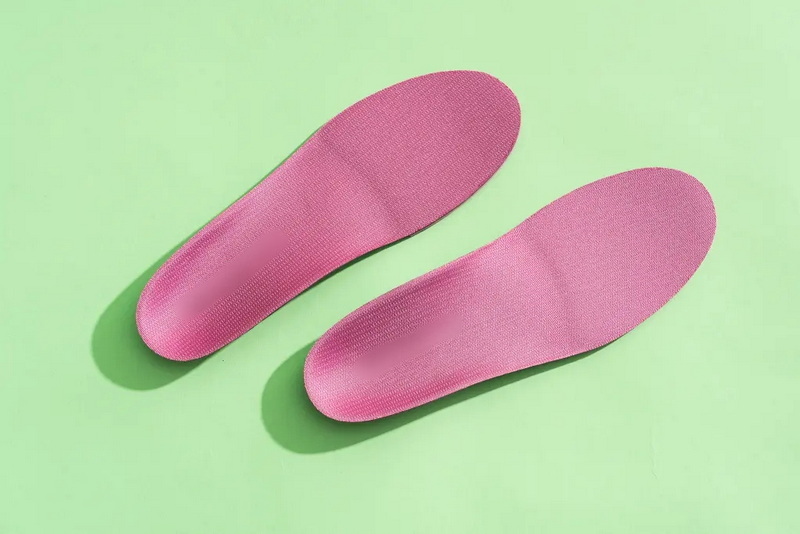
High-arched feet, or pes cavus, present a unique challenge: most commercial insoles fail to provide the lifted, reinforced support needed to distribute weight and prevent pain. The anatomical structure leaves the heel and ball of the foot under higher load, putting users at greater risk of metatarsalgia, plantar fasciitis, and even stress fractures over time. Only insoles engineered with increased arch height, firm structural materials, and precise heel cupping can correct these biomechanical disadvantages.
Wearing under-supportive insoles can lead to more than discomfort. Chronic use may cause abnormalities in gait, heightened pressure on knee and hip joints, and worsening conditions like supination or rolling of the ankle. For business users, this translates not only into lower customer satisfaction but also into increased returns and reduced repeat sales. Delivering better support means better outcomes for the end-user and the OEM partner alike.
Dr. Scholl's inserts remain accessible and suitable for the general public, offering mild to moderate support for conventional arch types. However, their design philosophy centers on broad compatibility, not high-performance biomechanical correction. For high arch customers, Dr. Scholl's arch contours tend to lack sufficient elevation (generally below 25mm in apex height), fail to provide long-lasting firmness, and utilize softer foams that lose form with extended use.
- Insufficient Arch Elevation: Most Dr. Scholl's options cater to the average arch, providing little benefit to customers with pronounced arches.
- Basic Materials: Generic cushioning foams may compress quickly, leading to inadequate long-term support.
- Standardized Fit: Off-the-rack solutions rarely accommodate the variety within the high arch demographic, resulting in unstable fit or friction points.
To address these challenges, several performance brands and OEM solutions have taken insoles to the next level, combining innovative engineering, advanced materials, and customizable fitment. Below, we highlight some of the top high arch insoles available worldwide and demonstrate how OEM manufacturers in China are advancing the industry.
Known for its semi-rigid design, deep heel cradle, and impressive 35mm arch height, the PowerStep Pinnacle High Arch offers both stability and comfort. Its structure provides continuous support for the entire foot, helping to mitigate heel and forefoot overloading. The blend of EVA foam and durable synthetic cover enables both resilience and breathability.
A favorite among runners and those on their feet all day, Superfeet Green involves a rigid, sculpted arch (up to 33mm) and a firm, stabilizing heel cup. The high-density foam used in Superfeet Green absorbs shocks while supporting the entire longitudinal arch, reducing strain during extended activity.
Tread Labs introduces a modular concept, allowing users to swap arch heights between four levels. For high arch types, selecting the high or extra-high option ensures tailored support. Their design features firm, recyclable plastic for structure and replaceable top covers for hygiene and product longevity.
Sof Sole's FIT line for high arches delivers extra firmness with a deep cup and anatomical shaping. This insole relies on a carefully engineered blend of density-graded foams to keep feet cushioned without sacrificing arch support.
These offer semi-rigid arch support and come in two versions to meet user preferences for bulk or slim-fit. The Comfort version features a metatarsal pad, which helps to relieve pain at the forefoot, while both provide excellent arch contouring for high-arched individuals.
For high-impact or performance-driven activities, insoles like Superfeet Run Cushion, Currex RunPro, and Birkenstock Blue Tradition Footbed (for narrower or 3/4-length shoes) are engineered for durability and impact absorption while maintaining superior arch height.
Industry standards typically classify “high arch” insoles as those with an elevation of 29-35mm from the base to the apex. Finding the best match depends on both foot shape and intended application. While precise arch measurements are useful, most high-arched individuals are well accommodated by insoles within this height range.
High-performance insoles incorporate advanced polymers like TPU, resilient memory foams, EVA, or specialty gels. The use of durable, antimicrobial top covers further enhances product life, hygiene, and odor control. Multi-layer constructions are increasingly standard, with a firm foundation layer, shock-absorbing core, and moisture-wicking lining.
- Sizing and Trimming: Many premium insoles offer trim-to-fit designs to enable use in different shoe styles and sizes.
- Arch Profile Assessment: Brands and individuals should use foot scanners or consult professionals to determine the optimal arch height.
- Heel Stabilization: For high arches, a deep, anatomically-contoured heel cup is crucial to prevent lateral movement and ankle rollover.
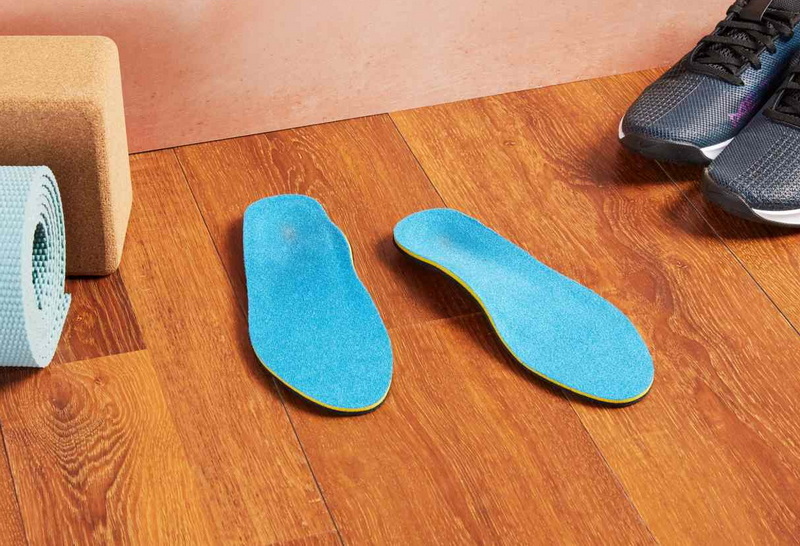
Modern manufacturing in China allows brands and wholesalers to deliver better-than-Dr.-Scholl's solutions tailored for any international market. As an OEM, we specialize in insole technology for high arches, supporting clients at every stage—from design through logistics.
- Complete Customization: Specify arch height, heel width, forefoot pad placement, and materials.
- Branding Options: Full OEM and ODM available—logo embossing, packaging design, and unique colorways.
- Mass Production and R&D: State-of-the-art facilities support large-scale output with consistent quality and rigorous QA.
Our R&D efforts also include hot-press and cold-press molding, 3D CAD prototyping, and biomechanical simulation. This ensures each project, whether for sports, medical, or casual markets, achieves optimal fit, durability, and end-user comfort.
Responding to rising global standards, leading Chinese manufacturers, including ours, use renewable energy, recycled materials, and environmentally friendly adhesives wherever possible. This commitment not only enhances brand value with eco-conscious consumers but also aligns with international regulatory requirements.
The market for footcare products is rapidly evolving as consumers demand more personalized, high-performance solutions. Key trends influencing the insole sector include:
- Health and Wellness Focus: Awareness of arch health and foot biomechanics drives product development.
- Customization at Scale: Digital scanning and modular arch systems allow tailored fitment for the masses.
- Sustainability: Manufacturers are innovating with recycled foams, bio-based polymers, and energy-efficient processes.
- Integration with Footwear: Brands seek OEM partners who can design insoles matched to specific footwear designs, improving both brand integration and end-customer experience.
1. Determine Arch Height and Foot Profile: Consult with a podiatrist, use specialty retailer foot scanners, or compare arch prints after wet testing.
2. Identify Use Case: Match firmness, thickness, and material to your daily activity—sports, walking, office, etc.
3. Prioritize Fit and Comfort: Test insoles in your most worn shoes; check for any unwanted pressure or slippage.
4. Evaluate Durability: For heavy use, select insoles with reinforced arch supports and antimicrobial covers.
5. Consider Custom or OEM Brands: Especially for bulk buyers, custom orders provide unmatched flexibility in design and branding.
- Regular Inspection: Check for visible wear, compression, or loss of support—replace insoles as needed.
- Cleaning: Hand wash with mild soap and air dry thoroughly. Avoid prolonged exposure to heat.
- Rotation: For heavy users, rotate between pairs to increase product lifespan.
The next generation of insoles far surpasses the capabilities of standard, store-bought options like Dr. Scholl's—especially for those with arched feet. Leveraging either advanced retail brands or bespoke OEM products enables brands, wholesalers, and end-users to address comfort, support, and technical needs with precision. By focusing on best practices in design, material selection, and manufacturing, the right high arch insole can prevent pain, correct gait, and deliver lasting satisfaction. For leading brands and longstanding international clients, working with OEM specialists maximizes both product performance and business success.
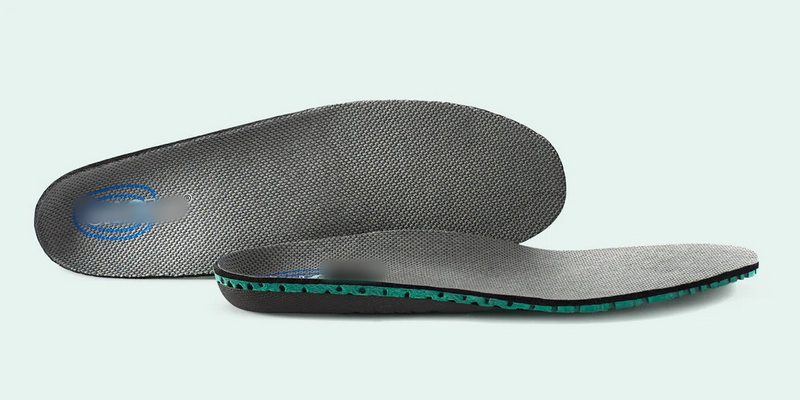
The best insoles deliver strong, contoured arch support, deep heel cups, resilient multi-layer construction, and often include customization for width, length, or foot conditions. They distribute weight more evenly and prevent pain from excess pressure on the heel and ball of the foot.
Yes. Custom or advanced high-arch insoles are specifically tailored to foot shape and activity, providing targeted support that addresses unique biomechanical needs. Over-the-counter inserts rarely deliver optimal alignment or long-term relief for high arches.
Chinese OEM manufacturers use globally sourced materials, advanced molding technology, and rigorous QC, producing insoles on par with leading Western brands. Many international brands source their private-label insoles from specialist factories in China.
Check arch height specifications—seek insoles labeled specifically for high arches (typically 29-35mm elevation). If possible, test for comfort and stability in person. Fit should be snug but comfortable, offering full arch contact without excessive height or flat spots.
Arch-specific insoles are engineered to match particular foot anatomies and conditions, including high, neutral, or low arches, while general comfort insoles primarily provide cushioned padding with little corrective structure. For health, posture, and active users, arch-specific solutions are strongly recommended.


