
Views: 222 Author: Edvo Publish Time: 2026-01-19 Origin: Site


Content Menu
● Why People Use Orthotic Insoles
● Common Foot Problems Orthotics Can Help With
>> Flat Feet and Collapsed Arches
>> Plantar Fasciitis and Heel Pain
>> Overpronation and Supination
>> Metatarsalgia and Forefoot Pain
>> Bunions, Calluses, and Corns
● Medical vs. Non-Medical Uses
● Custom vs. Prefabricated Orthotic Insoles
>> Prefabricated Orthotic Insoles
● Materials and Construction of Orthotic Insoles
● Who Can Benefit From Orthotic Insoles?
● How to Choose the Right Orthotic Insoles
● Using Orthotic Insoles in Daily Life
● OEM and Branding Opportunities With Orthotic Insoles
● When to Seek Professional Help
>> 1. Are orthotic insoles suitable for everyday shoes?
>> 2. How long do orthotic insoles usually last?
>> 3. Can orthotic insoles help with knee or back pain?
>> 4. Do orthotic insoles work for all foot types?
>> 5. Can I use orthotic insoles in sports and safety footwear?
Orthotic insoles are designed to support, align, and protect the feet, helping the entire body move more efficiently and comfortably. They are used not only for pain relief but also for posture correction, injury prevention, and performance improvement in daily life, work, and sports.
Orthotic insoles are now widely used by athletes, office workers, seniors, and people who stand for long hours. For brands and OEM buyers, understanding what orthotic insoles are for is essential when designing footwear collections that meet modern comfort and health expectations.
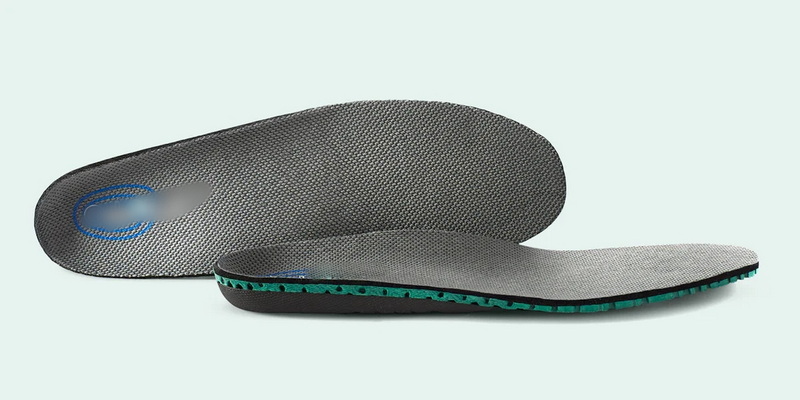
Orthotic insoles are specially engineered inserts placed inside shoes to correct or support foot mechanics. They are more than simple cushioning pads; they are structured devices that guide the foot into a healthier position during standing, walking, and running.
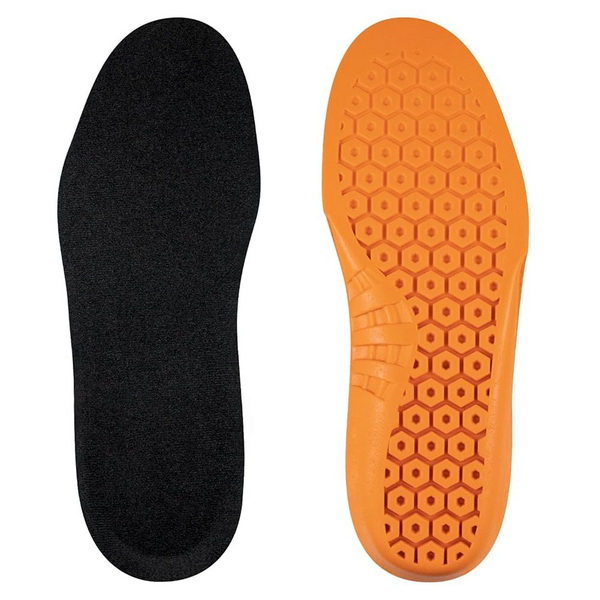
Typically, orthotic insoles are made from materials such as EVA foam, PU foam, rubber, gel, cork, or plastic shells. Some advanced models also incorporate carbon fiber or polypropylene for extra rigidity and long-term shape retention. By combining firm support and controlled cushioning, orthotic insoles help distribute pressure evenly and reduce stress on joints and soft tissues.
Orthotics can be full-length, three-quarter length, or heel-only depending on the target area. Many are designed to replace the original shoe insole entirely, while others sit on top of the existing footbed. Medical-grade orthotics are often custom-made, whereas consumer models are prefabricated but still follow ergonomic principles.
People use orthotic insoles for multiple reasons that often overlap between comfort, health, and performance:
- Pain relief in the heel, arch, forefoot, or ankle
- Compensation for flat feet, high arches, or unstable ankles
- Improved posture and better alignment from feet up to the spine
- Prevention of sports injuries or work-related overuse problems
- Enhanced comfort during long hours of standing or walking
Orthotic insoles help people maintain activity levels with less fatigue and strain. For employers and brands, providing supportive insoles can also contribute to better worker comfort, fewer complaints, and a more premium product image.
Orthotic insoles work by influencing foot biomechanics. Every step involves coordinated motion of the foot, ankle, knee, and hip. When the foot rolls too far inward (overpronation) or outward (supination), the body's alignment is affected and certain tissues become overloaded.
Key ways orthotic insoles work include:
- Supporting the arch to prevent collapse and control motion
- Cradling the heel to stabilize the rearfoot at initial contact
- Providing a defined shape that guides the foot into a neutral position
- Spreading pressure over a wider surface instead of just the heel or ball of the foot
- Absorbing impact forces to protect joints and cartilage
By improving the way the foot interacts with the ground, orthotic insoles can reduce pain in the feet as well as in the knees, hips, and lower back. This makes them a foundation tool for overall posture improvement.
Flat feet appear when the arches drop and the mid-foot touches the ground more than normal. This can lead to fatigue, pain, and overpronation. Orthotic insoles with structured arch support help lift the arch, limit excessive rolling, and reduce tension on ligaments and tendons.
Plantar fasciitis involves inflammation of the thick band of tissue that runs from the heel to the toes. Orthotic insoles reduce stretching of this tissue by supporting the arch and cushioning the heel, lowering morning pain and discomfort during walking.
When the foot rolls too much inward or outward, it affects knee tracking and hip rotation. Orthotics with proper posting and heel control help keep the foot aligned, lowering the risk of shin splints, knee pain, and iliotibial band issues.
Metatarsalgia is pain in the ball of the foot caused by pressure overload. Orthotic insoles with metatarsal pads or forefoot cushioning redistribute weight away from sensitive areas and reduce burning sensations or tingling.
Bunions and thick calluses often form due to misalignment and friction. While orthotics do not remove bunions, they reduce pressure on affected joints and skin, slowing progression and improving shoe comfort.
Orthotic insoles serve both medical and non-medical purposes. In medical contexts, podiatrists prescribe orthotics for conditions such as diabetic foot problems, arthritis, post-surgical recovery, or congenital deformities. These devices are often customized and combined with other treatments.
In non-medical scenarios, many people use orthotic insoles simply for better comfort at work, during travel, or in sports. Active individuals may rely on orthotics to support performance, maintain stable footing, and reduce the risk of repetitive stress injuries. For brands, offering orthotic-style insoles adds a health-oriented value proposition even when the product is not marketed as a medical device.
Both custom and prefabricated orthotic insoles have important roles in the market.
Custom orthotics are manufactured based on detailed assessment of the user's feet and gait. They are usually prescribed by a healthcare professional after footprint analysis, 3D scanning, or casting.
Advantages of custom orthotics include:
- Tailored support that matches the individual's unique arch height and structure
- Precise correction for specific deformities, leg length differences, or complex conditions
- High durability and consistent performance over time
They are particularly beneficial for people with severe flat feet, chronic plantar fasciitis, long-term joint pain, or special occupational demands.
Prefabricated insoles are mass-produced in standard sizes and arch profiles. They are widely available in retail stores, online platforms, and through OEM footwear manufacturers.
Advantages of prefabricated orthotics include:
- Lower cost and easy access
- Suitable for mild to moderate foot issues or general comfort needs
- Ability to test different designs and densities before committing to a custom solution
For many users, prefabricated insoles provide enough support and relief, especially when combined with good footwear and gradual adaptation.
The performance of orthotic insoles depends on the choice of materials and structural design. Common components include:
- EVA foam: Lightweight, shock-absorbing, and suitable for sports and everyday use
- PU foam: More durable, springy, and breathable, often used as top layers
- Gel: Localized cushioning for heels and forefoot zones
- Cork and leather: Traditional materials that offer firm support and moisture management
- Thermoplastic or polypropylene shells: Provide rigid arch support and shape control
- Carbon fiber: Very strong and thin, used for advanced, performance-focused or medical insoles
A typical orthotic insole combines a supportive base with softer top layers for cushioning and skin comfort. Breathable fabrics, antimicrobial treatments, and moisture-wicking covers are important to reduce odor and improve long-term hygiene.
Orthotic insoles are suitable for a wide range of users:
- Workers who stand or walk on hard floors all day in factories, warehouses, hospitals, or retail stores
- Athletes and fitness enthusiasts who want stable footing and reduced injury risk
- Office workers who experience foot fatigue from dress shoes or long commutes
- Seniors who need extra balance support and cushioning for aging joints
- Children and teenagers with early gait problems or rapidly changing foot structures
People with diabetes, arthritis, or previous foot surgeries may also gain significant benefits from properly suited orthotics, but they should consult a healthcare professional for safety and accuracy.
Selecting the right orthotic insoles involves checking both your foot characteristics and your footwear:
1. Identify your arch type: flat, neutral, or high. This can be done through a simple footprint test or with professional assessment.
2. Consider your main problem: pain area, fatigue, instability, or prevention. Different designs target different zones.
3. Match the insole to the shoe: running shoes, work boots, dress shoes, and safety footwear often require different profiles and thicknesses.
4. Choose material density: firm support for strong control and soft foam for comfort. Many insoles mix both for a balanced feel.
5. Start gradually: wear the new insoles for a few hours per day at first, then slowly increase time as your feet adapt.
Brands and OEM buyers should also consider regional preferences, climate, typical footwear categories, and target user groups when choosing insoles for product lines.
Orthotic insoles are most effective when integrated into daily routines. Simple habits can improve results:
- Use orthotics in the shoes you wear most, not just one pair
- Replace the original shoe insole if it is thick or heavily cushioned to avoid a cramped fit
- Combine orthotic insoles with appropriate socks for moisture control and friction reduction
- Monitor your comfort and adjust if you feel abnormal pressure or friction points
Over time, users often notice reduced fatigue, better standing tolerance, and more stable movement during walking, running, or lifting.
Proper care extends the life of orthotic insoles and protects the feet:
- Remove insoles from shoes regularly to let them air dry
- Clean the surface with mild soap and water; avoid harsh chemicals or machine washing
- Do not expose them to direct heat sources, which may deform materials
- Inspect for cracks, compression, or delamination and replace when support is noticeably reduced
Most prefabricated orthotic insoles last several months to a year under regular use, while medical-grade custom orthotics may last longer, depending on weight, activity level, and material type.
For international brands, wholesalers, and footwear manufacturers, orthotic insoles create strong differentiation opportunities. By working with specialized OEM factories, it is possible to develop:
- Private-label orthotic insoles tailored to specific markets
- Insoles optimized for running, hiking, work safety, or fashion shoes
- Multi-density constructions that balance cost and performance
- Eco-friendly materials, recycled foams, and sustainable packaging
A clear product story that links orthotic design with real foot health benefits can increase brand value, customer satisfaction, and repeat purchases. Detailed testing reports, comfort claims, and clear sizing guidance also help overseas partners market these products effectively.
Even though prefabricated orthotic insoles can help many people, some situations require professional assessment:
- Persistent or worsening foot pain despite using insoles and supportive shoes
- Visible deformities such as severe bunions, claw toes, or collapsed arches
- Pain that spreads to knees, hips, or lower back and affects normal activities
- History of diabetes with reduced sensation or circulation problems in the feet
A podiatrist, orthopedist, or sports medicine professional can provide diagnosis, advise on appropriate orthotics, and suggest additional treatments like physiotherapy or stretching.
Orthotic insoles are designed to support the feet, improve alignment, and reduce stress on joints throughout the body. They play an important role in preventing injuries, relieving pain, and enhancing comfort for people in many different lifestyles and professions. By choosing the right design, material, and fit, users can enjoy better stability, posture, and long-term foot health.
For brands and OEM partners, orthotic insoles offer a powerful way to upgrade footwear collections and meet the growing global demand for comfort and wellness-focused products. With careful design, quality materials, and user-centered engineering, orthotic insoles become not just accessories, but essential components of modern footwear.
Contact us to get more information!
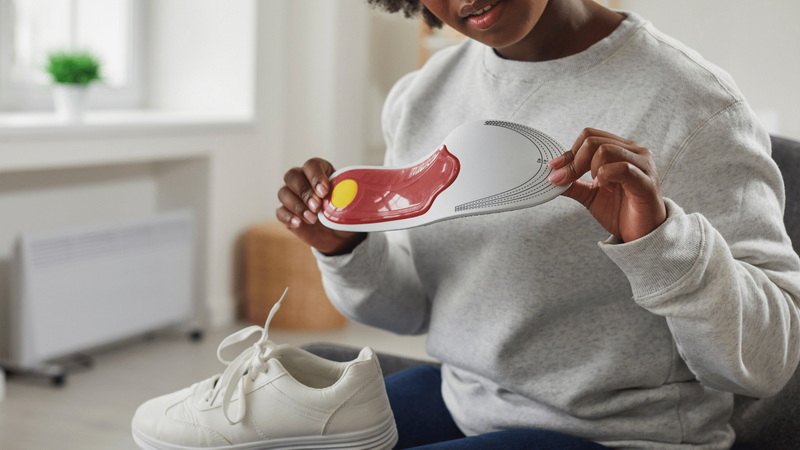
Yes, most orthotic insoles are suitable for everyday shoes as long as the shoes have enough internal volume and preferably removable original insoles. Many people use the same orthotics in sneakers, casual shoes, and work footwear to maintain consistent support throughout the day.
The lifespan of orthotic insoles depends on material quality, body weight, and activity level. Prefabricated foam or gel insoles may last around six to twelve months with regular use, while custom orthotics with rigid shells can often be used for one to several years before needing replacement or refurbishment.
Orthotic insoles can help with knee or back pain when that pain is partly caused by poor foot alignment or abnormal gait patterns. By correcting the way the feet contact the ground, orthotics can reduce strain on joints higher up the kinetic chain, but they should be combined with proper footwear and, if needed, medical evaluation.
Orthotic insoles are available in designs for flat, neutral, and high-arched feet, but not every insole suits every person. The effectiveness depends on matching the insole structure to the user's foot type, weight, activity, and shoe style. In cases of complex deformities or medical conditions, custom orthotics may be required.
Yes, orthotic insoles are widely used in running shoes, hiking boots, and safety footwear. They can improve shock absorption, stability, and comfort during demanding activities. It is important to ensure that the footwear has sufficient internal depth and that the insole does not interfere with safety features such as steel or composite toes.
1. https://my.clevelandclinic.org/health/treatments/orthotics
2. https://www.footandanklecentersofsj.com/blog/8-great-benefits-of-custom-orthotics-you-must-know
3. https://www.wataugaortho.com/2024/10/04/benefits-of-custom-orthotics-for-pain-relief-and-alignment/
4. https://www.illinoisfoot.com/blog/the-power-of-custom-orthotics
5. https://klmlabstore.com/blogs/blog/4-long-term-benefits-of-using-custom-orthotic-inserts
6. https://www.aideastep.com/how-carbon-fiber-enhances-insole-performance/
7. https://www.upstep.com/a/blog/choosing-the-right-orthotic-insoles-for-your-feet
8. https://infootandankle.com/blog/orthotics
9. https://treadlabs.com/blogs/insoles-reach-your-stride/what-are-insoles-made-of
10. https://powerstep.com/blogs/news/guide-how-to-choose-the-right-orthotic-insoles-for-you
11. https://www.martinfootandankle.com/blog/how-custom-orthotics-can-transform-your-step
12. https://www.nationwidechildrens.org/specialties/sports-medicine/sports-medicine-articles/how-to-choose-orthotics
13. https://www.southdenverpodiatry.com/blog/5-unexpected-benefits-of-custom-orthotics
14. https://www.vivehealth.com/blogs/resources/best-insoles


