
Language
Views: 222 Author: Edvo Publish Time: 2026-01-22 Origin: Site


Content Menu
● Understanding Orthotic Insoles
● Why Material Matters in Orthotic Insoles
● Common Materials Used in Orthotic Insoles
>> EVA (Ethylene Vinyl Acetate)
>> Memory Foam
>> Carbon Fiber and Composite Plastics
● Specialized Medical-Grade Materials
● The Multi-Layer Design of Orthotic Insoles
● Eco-Friendly and Sustainable Orthotic Insoles
● How Orthotic Insoles Are Manufactured
● Performance and Longevity of Materials
● Selecting the Right Orthotic Insoles
● The Role of Customization in Orthotic Insoles
>> 1. What are the most common materials used in Orthotic Insoles?
>> 2. How long do Orthotic Insoles typically last?
>> 3. Can Orthotic Insoles be used in any type of shoes?
>> 4. Do Orthotic Insoles help with back or knee pain?
>> 5. Are there sustainable options for Orthotic Insoles?
Orthotic insoles are more than just accessories for shoes—they are precision-engineered inserts designed to improve foot function, posture, and comfort. While a regular insole might offer temporary cushioning, Orthotic Insoles go much further by correcting biomechanical imbalances and helping distribute pressure evenly across the feet. Understanding what Orthotic Insoles are made out of is crucial for choosing the right type for your needs, whether it's for medical purposes, athletic performance, or everyday comfort.
In this comprehensive guide, we'll explore the various materials used in modern Orthotic Insoles, their functional properties, and how they contribute to overall foot health and performance.
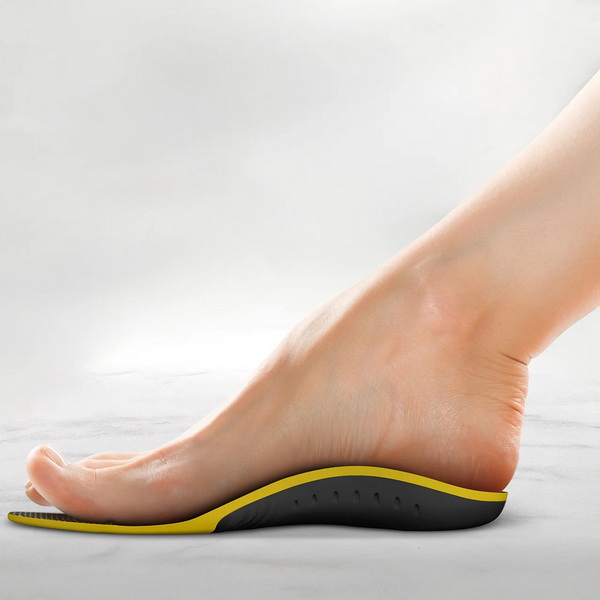
Orthotic Insoles, sometimes referred to as orthoses, are custom or prefabricated shoe inserts designed to correct biomechanical foot issues. People use them to relieve discomfort from conditions like plantar fasciitis, flat feet, overpronation, and high arches. Unlike mass-market shoe inserts, Orthotic Insoles are based on medical design principles, often developed through podiatric consultation and biomechanical analysis.
Orthotic Insoles can be rigid, semi-rigid, or soft, depending on their purpose. Rigid orthotics aim to stabilize posture, semi-rigid ones balance flexibility and control, and soft orthotics focus primarily on shock absorption and cushioning. Choosing the right type depends not only on personal comfort but also on the materials that make up the insole.
The performance and comfort of Orthotic Insoles depend heavily on the materials chosen during manufacturing. Each component must balance strength, density, cushioning, and durability. The right combination determines how well the insole supports body alignment and relieves pain or fatigue.
For instance:
- An athletic Orthotic Insole requires dynamic flexibility and responsiveness—thus EVA and carbon fiber are ideal.
- For diabetic or sensitive feet, soft and pressure-diffusing materials like memory foam or Poron are better.
- Heavy-duty workwear orthotics require PU foam or TPU bases for stability and long wear.
Material science plays a key role in developing insoles that perform under varied pressure conditions without degrading too quickly.
EVA is one of the most widely used materials in Orthotic Insoles. It's favored for being soft, lightweight, and easy to mold. This foam-like compound provides excellent cushioning and flexibility, making it a top choice for sports and running insoles.
Key benefits of EVA:
- Excellent shock absorption for activities involving repetitive motion
- Lightweight, flexible, and resilient
- Ideal for affordable, high-volume OEM production
- Easily shaped for custom designs
EVA's compressive memory allows the Orthotic Insole to conform to the user's foot while maintaining durability over repeated use.
Polyurethane foam, or PU, provides denser cushioning and longer-lasting resilience than EVA. It resists compression and deformation, maintaining its support structure over time. This makes PU ideal for insoles used in work boots, orthopedic shoes, and industrial footwear.
Benefits of PU foam:
- Highly durable and compressive-resistant
- Stable arch support, even under heavy loads
- Excellent for long-term use and daily standing or walking
Compared to EVA, PU offers slightly firmer support but delivers more consistent performance over time—perfect for those who require both comfort and heavy-duty function.
Memory foam Orthotic Insoles deliver a personalized feel. Made from viscoelastic material, they respond to body heat and pressure to mold precisely to the contours of your foot. This creates a supportive, cushion-like base tailored to your specific anatomy.
Advantages:
- Highly comfortable for sensitive or arthritic feet
- Reduces friction, improving pressure distribution
- Ideal for casual wear and rehabilitation footwear
However, memory foam tends to retain heat and moisture, so it's better suited for low-activity or indoor shoes rather than sports footwear.
Gel Orthotic Insoles contain silicone or polymer gel sections strategically positioned to absorb impact, especially at the heel and forefoot. These zones experience the highest repetitive stress during movement, so gel cushioning helps extend comfort throughout the day.
Benefits:
- Exceptional shock absorption and pressure diffusion
- Ideal for reducing heel strike pain and metatarsal pressure
- Works well in combination with other materials for hybrid designs
Often, gel insoles have a dual-layer structure—one for stability and another for load cushioning—making them extremely comfortable and ergonomic.
High-performance Orthotic Insoles often incorporate carbon fiber, polypropylene, or polycarbonate to provide lightweight rigidity and stability. These materials are particularly popular in custom medical orthotics designed for alignment correction.
Advantages include:
- High strength-to-weight ratio
- Rigid and supportive for structural correction
- Excellent longevity and shape retention
Carbon fiber not only ensures correct foot posture but also enhances energy return during walking or running, improving performance and efficiency.
Cork remains a timeless choice in the crafting of Orthotic Insoles. Its lightweight structure offers a balance between cushioning and firmness. Over time, it molds to one's foot shape, creating a naturally contoured support.
Key benefits:
- Eco-friendly and biodegradable
- Natural moisture control and odor resistance
- Sustainable sourcing from renewable materials
Blending cork with natural latex adds absorbent cushioning while keeping flexibility and environmental benefits intact.
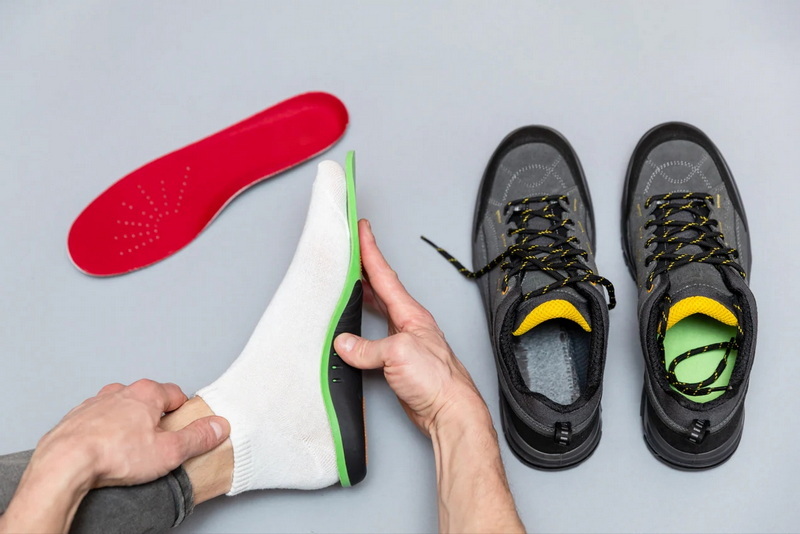
Certain Orthotic Insoles are made from specialized compounds intended for therapeutic or clinical use. These often include:
- Poron® or PPT foams: High-performance materials that combine energy return with pressure relief, particularly useful for neuropathic conditions.
- Microcellular rubber: Provides consistent cushioning and impact dispersion for diabetic foot care.
- Antimicrobial and moisture-wicking liners: Maintain hygiene and prevent bacterial or fungal growth.
- TPU shells: Combine flexibility with superior form retention for semi-rigid orthotics.
These specialized materials help maintain long-term comfort and reduce the risk of sore spots or calluses, making them essential in medically prescribed Orthotic Insoles.
Modern Orthotic Insoles are typically constructed using multiple layers rather than a single material. This combination allows them to deliver precise performance characteristics.
A standard multi-layer structure includes:
1. Top cover: Usually made from breathable, antimicrobial fabric that keeps moisture away.
2. Comfort layer: Often memory foam or EVA to cushion the heel and forefoot.
3. Support layer: Typically made of PU, carbon fiber, or polypropylene to provide rigidity and arch support.
4. Base or heel cup: A durable layer that stabilizes foot movement and offers non-slip functionality.
This layered technology creates balance between comfort and control, making Orthotic Insoles adaptable to different body weights, gait patterns, and footwear types.
With sustainability becoming an essential global trend, manufacturers are increasingly adopting eco-conscious production methods. Chinese OEM suppliers and global footwear brands now experiment with recyclable and biodegradable materials.
Some sustainable materials include:
- Recycled EVA made from post-consumer footwear foam
- Sugarcane-based EVA alternatives
- Organic cork, bamboo fiber, or jute composites
- Natural latex blends that are biodegradable
Environment-friendly Orthotic Insoles not only reduce environmental impact but also cater to the growing market demand for green footwear solutions.
The manufacturing process of Orthotic Insoles involves both traditional craftsmanship and advanced engineering. The process can be broken down into several key steps:
1. Material selection: Choosing the appropriate foam, plastic, or composite layers based on targeted foot function.
2. Cutting and shaping: Precision cutting using CNC or laser-guided machines to ensure uniformity.
3. Heat molding: Press-forming materials to match desired contours or specific foot molds in custom production.
4. Lamination: Bonding layers together using specialized adhesives resistant to moisture and temperature changes.
5. Finishing: Edge trimming, polishing, and final inspection for accurate size fitting.
6. Quality control testing: Each batch undergoes tests for compression strength, rebound capacity, and density stability.
For custom Orthotic Insoles, 3D foot scanning and CAD modeling further refine structure and fit, giving individuals a personalized corrective solution.
Different materials influence how long Orthotic Insoles will last, depending on usage intensity and environment.
Typical lifespan expectations include:
- EVA Insoles: 6–12 months under regular daily wear
- PU Foam Insoles: 12–18 months
- Carbon Fiber Orthotics: Up to 2–3 years
- Hybrid Materials: 1–2 years depending on maintenance
Prolonging lifespan involves regular cleaning, periodic air drying, and alternating between multiple pairs to prevent over-compression.
Choosing the right Orthotic Insole depends on activity level, shoe type, and medical condition. Here's a quick guide:
- For athletes: Choose EVA and carbon fiber blends for flexibility and shock absorption.
- For work environments: PU or TPU-based insoles provide structure and longevity.
- For diabetic or medical conditions: Opt for soft foams, Poron, and antimicrobial fabrics.
- For eco-conscious consumers: Cork or recycled materials are best suited.
A professional foot assessment can further fine-tune specifications to your unique gait and support needs.
Customization has become a major trend in modern Orthotic Insoles manufacturing. Using digital modeling and 3D printing, manufacturers can deliver personalized insoles that precisely address an individual's biomechanics.
Custom Orthotic Insoles often combine multiple materials based on pressure mapping data—rigid carbon fiber in the arch, EVA for cushioning, and gel in the heel zone. This optimization ensures efficient energy transfer, improved alignment, and reduced fatigue.
As technology evolves, OEM factories in China are integrating smart insole sensors and data-tracking layers for real-time gait analysis—an innovation that's rapidly reshaping the orthopedic footwear market.
Understanding what Orthotic Insoles are made out of allows consumers, wholesalers, and footwear manufacturers to make informed decisions about foot comfort and long-term health. The combination of materials—EVA, PU, memory foam, carbon fiber, gel, or natural cork—defines not only comfort but also corrective performance and durability.
As one of China's leading Orthotic Insoles manufacturers, we emphasize the importance of materials science in achieving balance between cushioning, support, and sustainability. Whether you are sourcing OEM Orthotic Insoles for sports brands, therapeutic footwear, or global retail markets, the right material selection determines the value and effectiveness of every step.
Contact us to get more information!
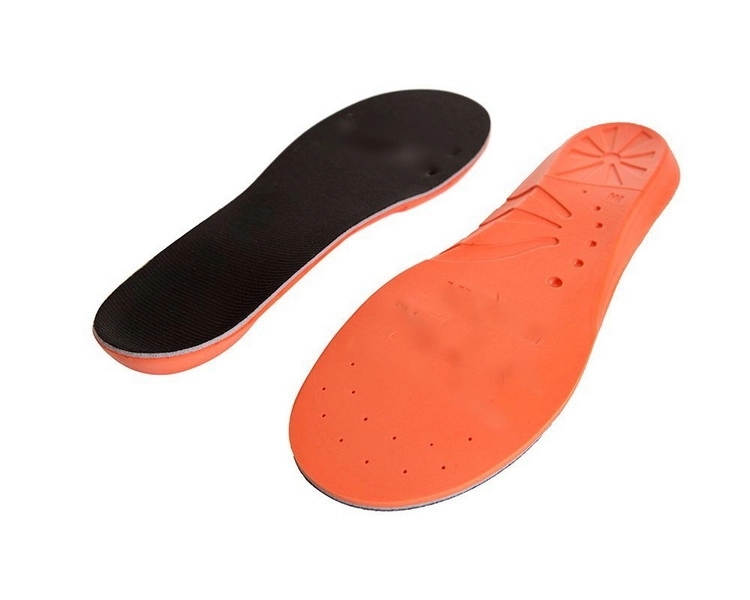
The most common materials include EVA, PU, memory foam, gel polymers, carbon fiber, and cork. Each provides distinct qualities, from flexibility and cushioning to structural rigidity.
The lifespan depends on material composition and usage intensity. EVA and PU insoles last 6–18 months, while carbon fiber models may last over two years with proper care.
Most Orthotic Insoles are designed to fit various shoe types, including running, hiking, and work shoes. Slim-fit models work better for dress or formal footwear.
Yes. By correcting foot alignment and evenly distributing body weight, they reduce joint stress and improve posture, lowering the risk of pain in the knees, hips, and lower back.
Absolutely. Environmentally friendly insoles are now produced with recycled EVA, cork, sugarcane-based foams, and bamboo fiber—offering both comfort and sustainability.
1. [https://www.foothealthfacts.org/conditions/orthotic-devices](https://www.foothealthfacts.org/conditions/orthotic-devices)
2. [https://www.apma.org/patients-and-the-public/orthotic-insoles/](https://www.apma.org/patients-and-the-public/orthotic-insoles/)
3. [https://www.healthline.com/health/orthotics](https://www.healthline.com/health/orthotics)
4. [https://www.runnersworld.com/gear/orthotics-guide](https://www.runnersworld.com/gear/orthotics-guide)
5. [https://www.ncbi.nlm.nih.gov/pmc/articles/PMC4931509/](https://www.ncbi.nlm.nih.gov/pmc/articles/PMC4931509/)


