
Views: 222 Author: Edvo Publish Time: 2025-12-12 Origin: Site


Content Menu
● Main Cushioning Materials Used in Insoles
>> EVA Foam
>> PU Foam
>> Memory Foam
● Supportive Core and Shell Materials
>> Carbon Fiber and Composite Plates
● Top Cover and Lining Materials
>> Moisture‑Wicking and Antimicrobial Surfaces
>> Leather and Synthetic Suede
● Specialized Functional Add‑Ons
>> Metatarsal Pads and Forefoot Inserts
>> Diabetic and Medical‑Grade Constructions
● How Material Choices Affect Performance
● OEM Insole Development for Brands and Wholesalers
● FAQ
>> 1. What is the most common material used in shoe insoles?
>> 2. Which materials are best for orthotic or medical insoles?
>> 3. Are natural materials like cork and leather still used?
>> 4. What materials help control sweat and odor?
>> 5. How can brands choose the right insole materials for OEM projects?
Shoe insoles are made from a combination of cushioning foams, supportive plastics, natural materials, and breathable fabrics that work together to improve comfort, support, and hygiene inside footwear. Different insole types use different material blends, from soft EVA foam and gel to rigid carbon fiber shells and moisture‑wicking top covers, depending on the target user and application.

The material inside an insole determines how well it absorbs shock, supports the arch, and distributes pressure across the foot during walking, running, or standing. High‑quality materials maintain their shape longer, resist compression, and provide better energy return, which helps reduce fatigue and extend the life of both the insole and the shoe.
In addition, good insole materials help control moisture, regulate temperature, and reduce friction between the foot and the shoe. This directly affects overall comfort, reduces the risk of blisters, and supports better long‑term foot health.
Cushioning materials are responsible for softness, shock absorption, and immediate comfort when the foot first lands inside the shoe. They are usually placed in the main body of the insole or targeted under the heel and forefoot for extra pressure relief.
EVA, short for ethylene‑vinyl acetate, is one of the most popular insole materials because it is lightweight, resilient, and provides reliable shock absorption for everyday and sports footwear. It compresses under load to cushion impact and then quickly rebounds, giving a responsive feel that many users appreciate.
Compared with traditional rubber or basic foam, EVA usually offers better energy return and is easier to mold into different thicknesses and densities. This makes it suitable for mass‑produced comfort insoles as well as more technical sports models where weight and performance must be balanced.
PU foam, or polyurethane foam, is known for its durability and strong shock absorption. It can be engineered in softer or firmer versions, allowing designers to create insoles that range from plush cushioning to more supportive underfoot platforms.
Because PU resists compression better than many softer foams, it is frequently used in work boots, outdoor footwear, and professional shoes where users stand for long hours. In these applications, stable cushioning and long‑term resilience are more important than ultra‑soft initial feel.
Memory foam is a special type of polyurethane‑based material that softens with body heat and molds closely to the contours of the foot. This contouring effect spreads pressure more evenly across the sole, helping to relieve hot spots under the heel and forefoot.
Many comfort and casual shoes use memory foam layers in the insole to create a personalized feel. However, because memory foam can be very soft, it is often combined with firmer base materials so that the insole still provides structural support, not just plush cushioning.
Gel and silicone pads are widely used as targeted cushioning elements under the heel, arch, or ball of the foot. These inserts deform under impact and then slowly recover, helping to attenuate shock and reduce pressure in sensitive areas.
In most designs, gel or silicone components are embedded into a foam base rather than used as a full‑length material. This hybrid structure allows designers to fine‑tune the balance between softness, stability, and weight while providing extra comfort where it is needed most.
While foams and gels focus on cushioning, support materials shape the arch, control motion, and help correct biomechanical issues such as over‑pronation or excessive flattening of the arch. These components are usually firmer and placed in the mid‑layer or bottom of the insole.
Thermoplastics such as polypropylene, nylon, and thermoplastic polyurethane are commonly used for orthotic shells and structured arch supports. These materials can be formed into rigid or semi‑rigid shapes that cradle the arch and guide the foot through a more efficient motion pattern.
Because thermoplastics can be heat‑molded, some advanced insoles allow customization after production. Practitioners or end users can apply controlled heat and then let the insole cool in the desired shape, creating a more personalized fit while retaining long‑term stability.
High‑performance insoles sometimes incorporate carbon fiber or composite plates. These materials provide exceptional stiffness with very low weight, making them ideal for advanced running shoes or for medical applications where movement in a certain part of the foot must be limited.
By strategically placing a carbon or composite plate in the midfoot or forefoot, designers can control flex patterns, improve energy transfer during push‑off, or protect injured structures. Because these materials are very rigid, they are usually combined with softer layers above or below to maintain comfort.
Cork and cork‑rubber blends offer a firm yet slightly springy feel. Over time, cork can adapt modestly to the shape of the foot, creating a custom‑like platform that supports the arch while distributing pressure. This makes it popular in comfort sandals and traditional footbed designs.
Rubber elements may also be added to the bottom of an insole to increase grip inside the shoe or to introduce extra resilience and durability. When used together, cork and rubber can provide both natural aesthetics and reliable performance for a wide range of footwear styles.
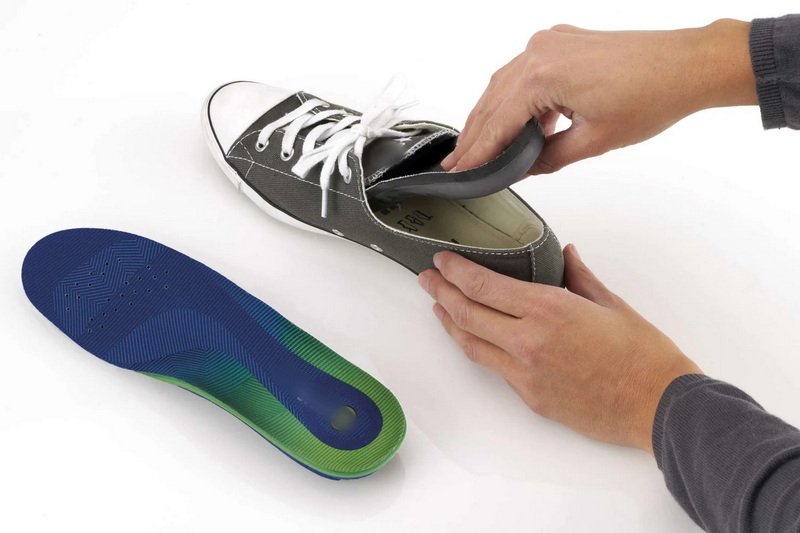
Top cover materials are the uppermost layer that touches the foot or sock and strongly influence moisture control, friction, and overall feel. They also help protect the inner foam from wear, sweat, and bacteria.
Soft textile and mesh fabrics are widely used because they are breathable and comfortable against the skin. These materials help move moisture away from the foot and allow air to circulate inside the shoe, which can reduce overheating and friction.
Many performance insoles use technical knit or mesh surfaces with patterns designed to improve grip in some areas and reduce friction in others. This kind of targeted design helps keep the foot stable while minimizing blister risk.
Modern insoles often feature moisture‑wicking technologies that pull sweat away from the skin and spread it across a larger surface for faster evaporation. This keeps the foot drier, more comfortable, and less prone to odor.
Some covers also include antimicrobial treatments or fibers that inhibit the growth of odor‑causing bacteria. While these treatments do not replace basic hygiene, they prolong freshness and help maintain a more pleasant environment inside the shoe over time.
Leather and synthetic suede are popular in dress and orthopedic insoles because they offer a smooth, premium surface that feels stable underfoot. They also provide good durability and can absorb some moisture while allowing it to evaporate gradually.
These materials are often chosen when aesthetics are important, such as in business footwear or traditional footbeds. They pair especially well with cork or firm foam bases that require a robust, long‑lasting top layer.
Beyond the main layers, many insoles include extra features to address specific performance or health needs. These additions help differentiate products and can be tuned to particular user groups.
Heel cups are molded structures that cradle the heel, guiding it into a neutral position and reducing lateral movement inside the shoe. They can be made from firm foam, thermoplastic, or rubber‑like materials that hold their shape over time.
By stabilizing the heel, these components help improve alignment of the ankle and lower leg. This can reduce stress on joints and tendons and increase overall comfort during walking or running.
Metatarsal pads are placed behind the ball of the foot to lift and spread the metatarsal heads, relieving pressure in the front part of the foot. They are commonly made from soft foams that compress easily while still supporting the arch area behind the toes.
Forefoot inserts can also be used to add extra cushioning in high‑impact zones. For users with forefoot pain, these targeted features can make a major difference in daily comfort and long‑term foot health.
Diabetic and medical‑grade insoles focus heavily on reducing shear forces and peak pressure points to protect delicate skin. They usually use special foams and cover materials that are smooth, low‑friction, and capable of distributing load across a wide area.
These insoles may feature multi‑density layers that soften the impact at the surface while providing deeper stability below. Careful selection and arrangement of materials help reduce the risk of ulcers and other complications in high‑risk users.
Material combinations create very different wearing experiences, so selecting the right recipe is critical for each target activity. Very soft foams feel luxurious but may not offer enough structure for high‑impact sports or all‑day standing, while firmer materials provide better support but can feel less plush.
For performance footwear, designers often combine a resilient EVA or PU base with targeted gel or foam zones and a breathable technical top cover. For comfort or casual shoes, memory foam and soft textiles may be emphasized, while for medical products, shell materials and specialized protective foams take priority.
For footwear brands, importers, and wholesalers, working with an experienced insole factory makes it possible to customize material combinations for specific markets and user groups. Projects can be tuned to highlight cushioning, stability, sustainability, or cost efficiency depending on the brand's positioning.
A typical OEM insole may combine an EVA or PU mid‑layer, a molded thermoplastic or composite support shell, targeted gel pads, and a branded moisture‑wicking cover. By adjusting thickness, density, and layout of these components, the factory can create unique performance profiles that match different footwear categories, from running and hiking to safety, fashion, and orthopedic lines.
As a Chinese insole manufacturer, your company can showcase its ability to develop tailored material solutions for international partners. Emphasizing engineering support, testing capabilities, and flexible production options helps reassure overseas brands and wholesalers that each insole material package will meet their country's standards and consumer expectations.
Shoe insoles are sophisticated multi‑layer products built from a blend of cushioning foams such as EVA, PU, and memory foam, combined with gel pads and supportive shells in plastic, cork, or carbon‑based composites. Top covers and linings add breathability, moisture management, and antimicrobial protection, turning a simple insert into a key component for comfort, performance, and foot health.
For brands and wholesalers, understanding insole materials makes it easier to brief manufacturing partners and develop products tailored to specific users, from athletes and workers to people with medical needs. With the right material selection and OEM expertise, insoles become a powerful way to upgrade footwear value, strengthen brand differentiation, and build long‑term customer loyalty.
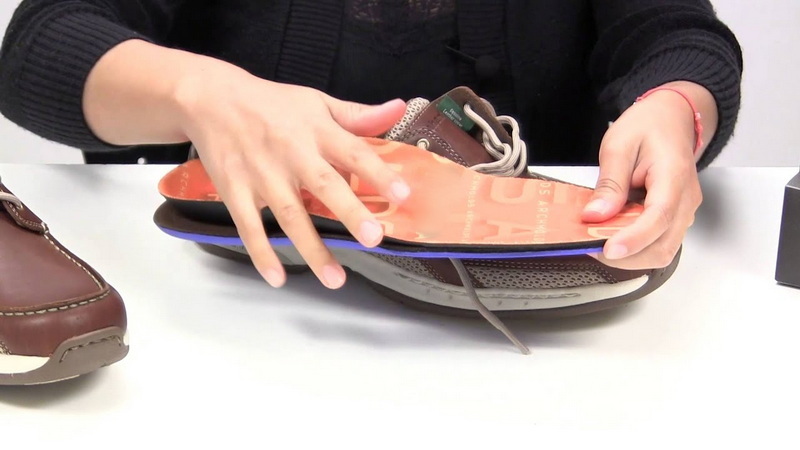
Many everyday and athletic insoles are built primarily from EVA foam because it is light, resilient, and offers reliable shock absorption at a reasonable cost. PU and memory foam are also common alternatives where brands want either more support or a more personalized, contouring feel underfoot.
Orthotic and medical insoles usually rely on structured shells made from thermoplastic materials or composite plates for firm arch and heel support. These rigid or semi‑rigid bases are then covered with softer cushioning foams and smooth, protective top covers to keep sensitive feet comfortable and safe.
Yes, cork and leather remain important in many comfort and traditional insole designs. Cork offers firm, adaptive support, while leather or synthetic suede provides a durable, breathable surface that feels premium and works well in dress shoes and classic footbeds.
Moisture‑wicking fabrics, technical meshes, and specialized fibers are used on insole surfaces to pull sweat away from the skin and improve airflow. Antimicrobial treatments and odor‑control technologies can be added to these covers to slow the growth of bacteria and keep insoles fresher for longer periods.
Brands should start by defining the target user, activity level, and price range, then work closely with their manufacturing partner to select foam, shell, and cover materials that match those goals. Through sampling and wear testing, they can compare different combinations and finalize an insole structure that delivers the best balance of comfort, stability, durability, and cost.


