
Language
Views: 222 Author: Edvo Publish Time: 2025-11-08 Origin: Site


Content Menu
● Why Choose Orthotic Shoes for Women?
● Top Features of Good Orthotic Shoes for Women
>> Arch Support and Heel Control
>> Cushioned Insoles and Shock Absorption
>> Spacious Toe Box and Flexible Uppers
>> Removable and Customizable Insoles
>> Secure Closures and Adjustability
>> Breathability and Moisture Management
>> Firm Heel Counters and Lightweight Construction
● Types of Orthotic Shoes for Women
● Best Orthotic Shoes for Women: In-Depth Brand Profiles
>> Orthofeet
>> New Balance
>> Brooks
>> Vionic
>> Hoka
● How to Choose the Right Orthotic Shoe for Women
>> Step 1: Understand Your Foot Type
>> Step 2: Prioritize Sizing and Fit
>> Step 3: Align Form with Function
>> Step 4: Evaluate Adjustability and Flexibility
>> Step 5: Consider Health and Mobility Needs
>> Step 6: Test Traction and Support
● Care and Maintenance Tips for Orthotic Shoes
● Lifestyle Integration: How Orthotic Shoes Fit Modern Women's Lives
>> For Active and Working Women
>> Older Adults and Women Recovering from Injury
>> Athletes and Weekend Warriors
>> Fashion-Conscious Consumers
● Tips for Buying Orthotic Shoes Online
● Women's Orthotic Footwear Myths and Facts
>> Myth: Orthotic Shoes Can't Be Stylish
>> Myth: Only Seniors Need Orthotic Shoes
>> Myth: Orthotic Shoes Are Only for Serious Pain
● Community Insights: Real Experiences from Women
● FAQ
>> 1. What are the core benefits of orthotic shoes for women?
>> 2. Can I wear orthotic shoes for formal occasions?
>> 3. How do I know if I need orthotic shoes?
>> 4. Are there orthotic sandals for summer?
>> 5. How often should I replace my orthotic shoes?
Women's foot health stands at the crossroads of comfort, fashion, and function. Whether you're facing foot pain, seeking injury prevention, or desire lasting comfort, orthotic shoes have become a game-changer for active women, working professionals, and those with medical needs. This comprehensive guide explores leading shoe options, advanced features, and actionable advice for choosing orthotic footwear that transforms walking into a pain-free experience.
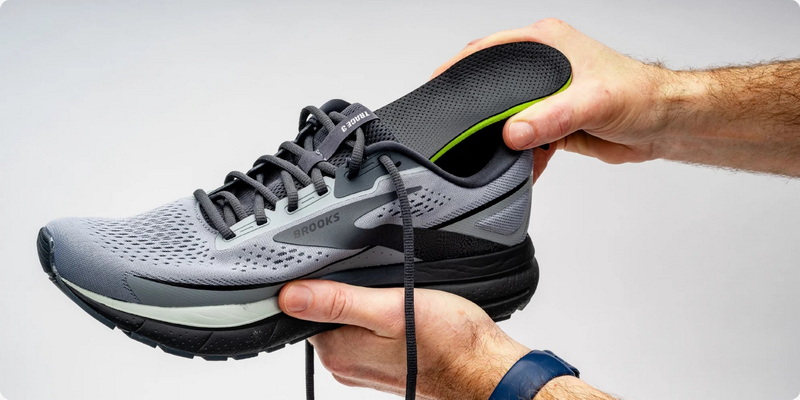
Orthotic shoes benefit women of all ages by addressing specific foot problems and enhancing daily comfort. Unlike ordinary shoes, these have built-in support systems targeting arch alignment, heel stability, and pressure relief. They can alleviate symptoms of plantar fasciitis, bunions, arthritis, diabetes, and more—conditions that are especially prevalent among women due to genetics, footwear choices, and lifestyle habits.
By prioritizing support and functional design, orthotic shoes ensure every step helps prevent pain and fosters long-term joint health. Plus, modern orthotic shoes combine fashion-forward designs with technical innovation, making them accessible for everyday activities, work events, travel, and exercise.
The hallmark of a great orthotic shoe is reinforced arch support, which maintains proper foot biomechanics and distributes weight evenly. Stable heel counters help prevent excessive motion, controlling pronation and supination. Shoes that focus on these aspects reduce stress on the ankles, knees, hips, and lower back.
High-quality shoe interiors integrate multiple layers of foam, gel, or air pockets for cushioning that adapts to your foot's shape and stride. Superior shock absorption lessens the impact forces generated with each step, providing relief for those with chronic pain or sensitive joints.
A wide, flexible toe box allows the toes to splay naturally, minimizing pain from bunions, hammertoes, and calluses. Uppers made from stretchable mesh or knit materials ensure pressure-free support, especially essential for women with swelling or diabetic neuropathy.
Versatile designs permit easy removal and replacement of insoles with custom orthotics, enhancing personalized support and comfort. This modularity is vital for matching medical prescriptions, addressing evolving needs, and extending a shoe's usability for multiple conditions.
Shoes with adjustable Velcro straps, elastic panels, or classic laces can accommodate foot size changes throughout the day. Easy-on, easy-off designs boost independence for elderly women or those with limited dexterity.
Modern orthotic shoes use high-performance fabrics to wick away moisture, promoting dryness and reducing bacterial growth. Breathability is key to preventing overheating, blisters, and unpleasant odors, allowing women to wear shoes longer and more often.
Stable heel counters offer control and keep the foot in proper alignment. Lightweight materials reduce walking fatigue, supporting both mobility and endurance for longer activities.
Orthotic shoes come in styles for every part of life:
- Walking Shoes offer structured support for daily movement and longer strolls.
- Running Shoes focus on shock absorption and alignment during high-impact activities.
- Casual Sneakers blend supportive features with laid-back aesthetics for errands or casual outings.
- Dress Shoes and Flats combine discreet arch support and cushioned insoles with smart, stylish details for office or formal occasions.
- Sandals and Mules feature breathable designs, adjustable straps, and contoured footbeds, essential for summer comfort and post-activity relief.
- Boots provide warmth, stability, and support for cooler climates or hiking.
Each type answers specific needs, ensuring that women never have to choose between support and their preferred look.
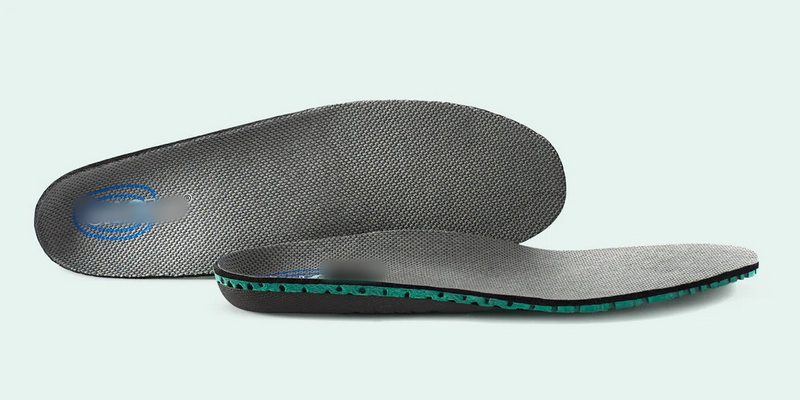
Known for anatomical arch support, shock-absorbing soles, and versatile style, KURU shoes are highly rated for active and professional women seeking maximum pain relief and modern designs.
A leader in orthopedic shoe innovation, Orthofeet specializes in solutions for arthritis, plantar fasciitis, and diabetic foot issues, with a wide catalog from athletic sneakers to stylish flats. Custom insoles and extra-depth constructions cater to various medical requirements.
The brand's Fresh Foam and 928 series combine legendary cushioning, stability, and width variety. New Balance excels in sneaker designs ideal for walking, jogging, and everyday support.
Brooks' Ghost and Addiction lines address pronation, shock absorption, and rear-foot support. Lightweight, durable, and attractive, Brooks shoes enable extended activities without pain or fatigue.
Vionic fuses podiatrist-designed orthotic footbeds with stylish silhouettes, making them a popular choice among professionals looking for elegance and comfort in one package.
Hoka's maximalist cushioning and lightweight construction win over athletes and everyday walkers alike. Wide toe boxes and supportive soles make them a consistent favorite among women with foot sensitivities.
Assess whether you have flat feet, high arches, wide feet, or specific ailments like plantar fasciitis. This knowledge helps target brands, styles, and support levels optimized for your anatomy.
Try shoes in the afternoon or after physical activity when feet are naturally swollen. Ensure there's a thumb's width of space at the toe, and that the arch support matches your foot's curve. Many orthotic shoes come in extended width options—don't hesitate to size up for comfort.
Match the shoe features to your routine: runners for sport, flats for work, sandals for leisure, boots for colder climates, and walking shoes for everyday wear.
Look for options with removable insoles, adjustable straps, or expandable panels to accommodate custom orthotics, swelling, and evolving needs. Ease of use is particularly vital for aging populations and busy women.
Women with diabetes, arthritis, or circulation issues should select shoes with seamless interiors, non-binding uppers, and soft linings. Seek advice from podiatrists to address unique requirements, ensuring durability and medical compatibility.
Grip matters for safety and stability, especially on slick surfaces or during high-impact activities. Choose shoes with rubber outsoles or patterned treads to minimize slips and falls.
Proper care enhances longevity and foot health:
- Air shoes out regularly to stop odor and bacterial buildup.
- Clean insoles weekly to prevent sweat and dirt accumulation.
- Store shoes in cool, dry areas for best structural integrity.
- Rotate shoes to avoid excessive wear on one pair.
- Replace shoes every 6–18 months based on activity levels and visible wear or degradation.
Professional women benefit from orthotic flats, slip-ons, and smart office shoes that blend support and polish. Teachers, nurses, and those on their feet appreciate athletic-inspired models for standing comfort.
Orthotic shoes restore mobility, reduce risks of falls, and ease recovery from surgery or injury. Stability-enhancing boots and easy-to-secure closures help with independence and long-term health.
Runners, hikers, and fitness enthusiasts enjoy the superior shock absorption and alignment benefits of specialized sports models, preventing injuries and enabling pain-free activity.
Vacationers and outdoor enthusiasts praise orthotic sandals and boots for their adaptability to varied terrain, weather, and long walking days.
Gone are the days of bulky or unattractive orthopedic shoes. Modern brands offer choices in colors, patterns, and styles that easily match contemporary women's wardrobes.
- Consult detailed sizing charts and customer reviews for fit and comfort advice.
- Check return policies; many reputable stores accept exchanges for improper fit.
- Measure your foot length and width before ordering.
- Seek brands that offer customization, extended sizing, and easy-to-replace insoles.
Fact: Today's brands feature elegant flats, chic sandals, and trendy sneakers integrating advanced support technologies—fashion is no longer sacrificed for foot health.
Fact: Women of all ages, especially those frequently on their feet, participating in sports, or dealing with chronic conditions, may benefit from orthotic shoes.
Fact: Preventive wear supports joint health, prevents injuries, and may extend active years for women without notable medical problems.
Many women report improved posture, energy levels, and confidence after switching to orthotic shoes. Common success stories include athletes resuming their running routines, professionals working pain-free all day, and seniors experiencing newfound mobility for travel and family activities.
Orthotic shoes are an essential investment for women seeking better foot health, comfort, and long-term wellness. With options now available in a variety of styles and support levels, every woman can find a pair tailored to her tastes and medical requirements. Prioritize support features like arch control, cushioning, and adjustability when shopping. With the right selection, orthotic shoes enable pain-free movement, improved posture, and increased confidence—empowering women to embrace every occasion actively.
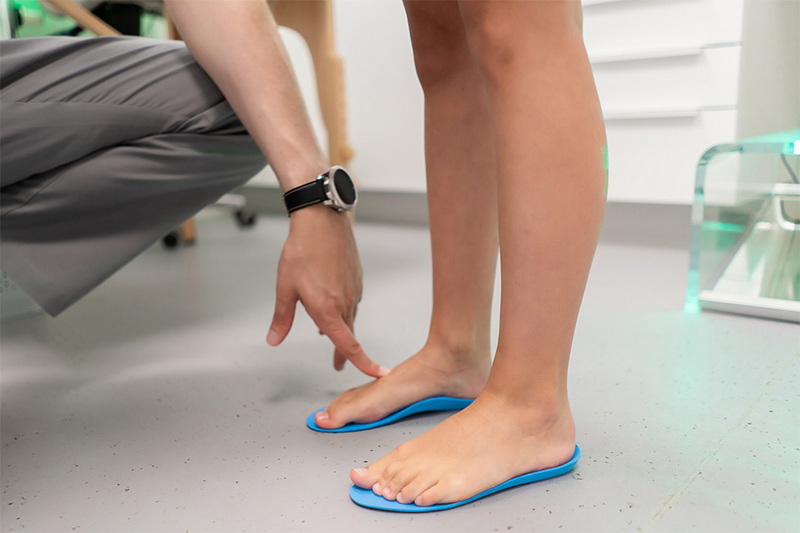
Orthotic shoes help relieve foot, knee, and back pain, improve alignment, boost posture, and minimize injury risk by providing superior arch support and cushioning.
Yes, many brands now offer orthopedic dress shoes and elegant flats with hidden orthotic technology, blending aesthetics and medical support.
Common signs include persistent pain in the feet, shins, knees, lower back, frequent blisters, or struggling with flat feet, high arches, or plantar fasciitis.
Many brands make supportive sandals with contoured footbeds, arch support, and secure straps suitable for outdoor and warm-weather use.
It's recommended to replace orthopedic shoes every 6–18 months or after significant wear, as the support and cushioning features degrade over time.


