
Views: 222 Author: Edvo Publish Time: 2025-12-07 Origin: Site


Content Menu
● Understanding High Fallen Arches
● Key Features of Ideal Insoles
● Performance Insoles for Sports
● Medical and Custom-Grade Options
● Types of Insoles for High Fallen Arches
● How to Choose the Right Insole
● Care, Hygiene, and Replacement
● Typical Problems and Troubleshooting
● Comparison of Insole Options for High Fallen Arches
● How a Professional Manufacturer Supports High Fallen Arches
● FAQ
>> 1. Are high fallen arches the same as flat feet?
>> 2. Can insoles correct high fallen arches permanently?
>> 3. How often should I replace insoles for high fallen arches?
>> 4. Do I need a professional assessment before buying insoles?
>> 5. Can I use one pair of insoles in several shoes?
High fallen arches need structured arch support with a stable heel cradle and balanced cushioning so the foot stays aligned from heel strike to toe-off. When the insole shape matches the natural curve and flexibility of the arch insole, it can reduce strain on joints, soft tissues, and muscles through the entire day.
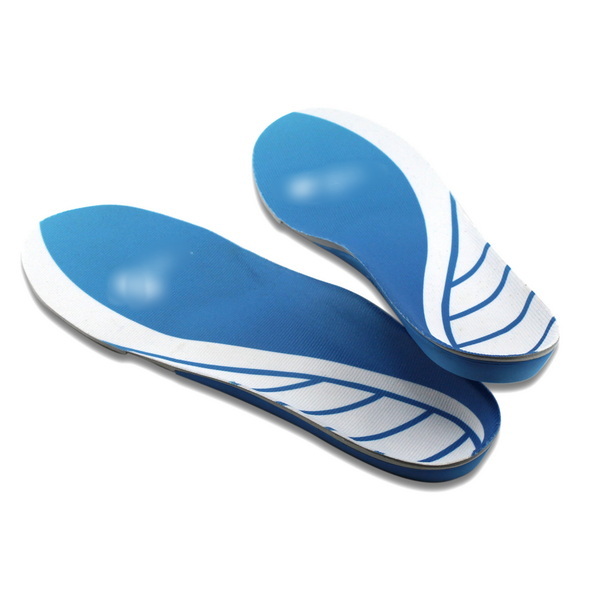
High fallen arches describe feet that look relatively high and curved when you sit or lie down but flatten noticeably when you stand. This pattern is often called flexible flat feet, because the arch collapses under body weight instead of staying stable.
When the arch collapses, the heel and ankle tend to roll inward or outward, which can increase stress on the plantar fascia, Achilles tendon, and lower leg. Over time, this can contribute to tired legs, sore heels, knee discomfort, and even hip or lower back problems if the alignment is not supported.
The arch of the foot works like a natural spring, helping to absorb shock and store energy with each step. If this spring collapses too much, the bones and ligaments lose their ideal position, and muscles must work harder to stabilize the foot.
Well-designed insoles support the midfoot and heel so the natural arch does not collapse completely under load. This helps spread pressure across a broader area of the sole, reduces excess motion, and allows the foot to function more efficiently during walking, running, and standing.
The best insoles for high fallen arches combine structure and comfort in a balanced way. When reviewing any product, focus on the following elements:
- A defined arch contour that matches your foot and resists collapse while still allowing the foot to flex.
- A deep heel cradle that cups the heel firmly and prevents it from rolling too far inward or outward.
- Full-length cushioning to soften impact under the heel and forefoot without feeling unstable.
- A top layer that feels smooth, breathable, and comfortable against socks or bare skin.
These features work together to control motion, improve alignment, and protect sensitive areas like the heel pad, the ball of the foot, and the arch itself.
For office work, commuting, shopping, and general daily activities, a versatile comfort insole is often the best starting point. This type usually has a semi-rigid arch support structure built into a cushioned base so it feels supportive but not overly stiff.
A good everyday comfort insole should slip easily into casual sneakers, work shoes, or walking shoes after removing the original liner. It should not crowd the toes or lift the heel so much that the shoe becomes loose. Many people prefer a design that offers different arch height options so each foot can receive the right level of support.
When you test this kind of insole, standing and walking should feel more stable, with less sinking of the midfoot and less pressure under the heel and forefoot. If the arch feels uncomfortably high or creates sharp pressure points, try the next lower arch height or a slightly softer structure.
During running, hiking, or training, high fallen arches experience extra forces as the foot lands and pushes off repeatedly. Performance insoles for athletes must deliver stronger support while still allowing quick, smooth movements.
These insoles typically use a firmer arch plate and a deep, secure heel cup to limit excessive rotation of the foot under impact. The forefoot area often uses more responsive cushioning so push-off feels energetic rather than sluggish.
A performance insole should lock the heel comfortably in place inside the shoe and keep the arch from collapsing fully during each stride. It should also align with the flex point of the shoe so the insole bends at the same location as the outsole, supporting a natural gait pattern.
Some people with high fallen arches also suffer from chronic pain, serious overpronation, or structural changes in the foot. In such cases, medical-grade or custom orthotic devices may offer more precise support than standard products.
A custom solution is usually made after a professional assessment and, in some cases, a three-dimensional scan or mold of the foot. The finished device is shaped to match the individual arch curve and can include specific zones of extra padding or firm correction.
These orthoses can help guide the foot into a more neutral position, reduce pressure on painful regions, and provide long-term support for demanding work or sports. They often cost more than prefabricated insoles but may last longer and give better results for complex conditions.
Different product categories are suitable for different users and applications. For high fallen arches, the most useful types include:
- Semi-rigid orthotic insoles for daily wear, blending structure and comfort.
- Rigid orthotic insoles for those who need maximal control, usually under professional guidance.
- Cushioned high-arch insoles for people who feel strong impact pain but still need clear arch support.
- Sport-focused insoles tailored to running, court sports, hiking, or specific work footwear.
By understanding these categories, buyers can match their arch type, body weight, and activity level to a more suitable design instead of relying on generic cushioning only.
Selecting the right insole begins with understanding your own feet and your typical footwear. A simple self-assessment can guide you before you even try on a product.
First, pay attention to how your arches look and feel when standing and when sitting. If the arch seems to collapse more under weight, you likely need firmer midfoot support. If the arch stays very high and rigid, you may need a design that supports the arch while adding extra cushioning under the heel and forefoot.
Next, consider your main use case. Someone who stands for long shifts in safety boots may need durable support and cushioning that holds up through heavy use, while a runner may need lighter materials and more dynamic response. Casual users may prefer softer, more forgiving insoles that still offer a clear arch shape.
Finally, check how the insole fits inside your shoes. Remove the existing liner, place it on top of the new insole, and trim along the outline if the new one is slightly longer. Once inside the shoe, your heel should sit fully in the heel cradle, and your toes should have enough space to move without feeling cramped.
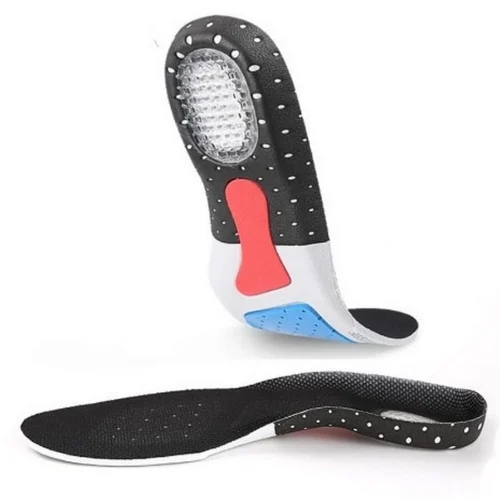
Even a well-matched insole can feel unusual at first, especially if you previously used flat liners. A short break-in period is normal and even helpful for allowing muscles and joints to adapt.
During the first days, wear the new insoles for shorter periods indoors or during low-intensity activities. If they feel comfortable, gradually extend the time and intensity. Mild arch awareness or slight muscle fatigue is expected as alignment improves and stabilizing muscles start working differently.
However, strong pain, numbness, or sharp pressure points are signs that the insole may not fit properly. In that case, it is better to adjust arch height, choose a softer structure, or consult a professional rather than forcing your feet to adapt to an unsuitable shape.
Consistent support is important for high fallen arches, so taking care of insoles helps them maintain their function. Dirt, sweat, and repeated compression slowly wear down materials and can reduce both comfort and hygiene.
To maintain insoles, remove them from the shoes periodically, wipe the surface with a soft cloth and mild soapy water, and let them air dry completely away from direct heat. Avoid machine washing and high temperatures, which can warp the structure or weaken adhesives.
Over time, watch for signs of wear such as flattened cushioning, cracks in the arch area, peeling top fabric, or a clear drop in comfort. When these appear, the insoles are no longer giving full support and should be replaced, even if the outer shoes still look relatively new.
High fallen arches can lead to several common foot complaints. Understanding these issues can help you judge whether your insoles are doing their job.
A frequent problem is soreness around the heel and along the bottom of the foot, especially first thing in the morning or after long standing. Another common issue is a burning or aching sensation under the ball of the foot, which often indicates that too much pressure is concentrated in a small area.
If these symptoms improve after introducing supportive insoles, it is a good sign that alignment and pressure distribution have become better. If they do not improve, or if new pain appears in other joints, it may be necessary to adjust the arch profile or seek professional advice to fine-tune support.
| Insole focus | Support level | Best use case | Main benefit for high fallen arches | Typical structure |
|---|---|---|---|---|
| Everyday comfort | Semi-rigid support | Office, walking, daily casual footwear | Controls arch collapse while staying comfortable | Cushioned base with built-in arch and heel cradle |
| Sports performance | Firm structured arch | Running, court sports, hiking, training | Limits excess motion under impact and stabilizes heel | Responsive foam with reinforced arch plate |
| Medical-grade | Rigid or custom | Chronic pain, serious deformity, long-term use | Corrects alignment and redistributes pressure | Custom shell with targeted padding |
| Cushioned high arch | Soft top, firm core | Long standing on hard surfaces, sensitive feet | Reduces impact while maintaining support | Soft upper layer over supportive midfoot base |
This simple overview helps match common needs to practical solutions so that users can quickly identify which category to explore first.
A specialized insole manufacturer can design product lines that address different arch types and usage scenarios under one brand. For high fallen arches, this includes offering multiple arch height options, varied densities of cushioning, and different heel cup depths across models.
Through original equipment manufacturing cooperation, brands, wholesalers, and footwear producers can customize shapes, colors, surface materials, and packaging while keeping the internal structure optimized for support. This makes it possible to develop themed collections such as comfort series for daily use, performance series for athletes, and recovery series for workers or older users.
A strong manufacturing partner can also provide technical guidance on design, testing, and quality control. This ensures that each insole not only looks good but also delivers reliable biomechanical performance for customers with high fallen arches and related foot conditions.
The best insoles for high fallen arches combine a supportive arch contour, a stable heel cradle, and thoughtfully placed cushioning to protect the foot from excessive collapse and impact. When chosen correctly, they help maintain healthier alignment through the entire body, reduce fatigue, and improve comfort during walking, standing, working, or sports.
For personal buyers, understanding arch type, activity level, and shoe style makes it easier to select a suitable insole category and model. For brands and distributors, working with an experienced insole manufacturer allows the creation of complete product ranges that serve customers with high fallen arches more professionally and effectively.
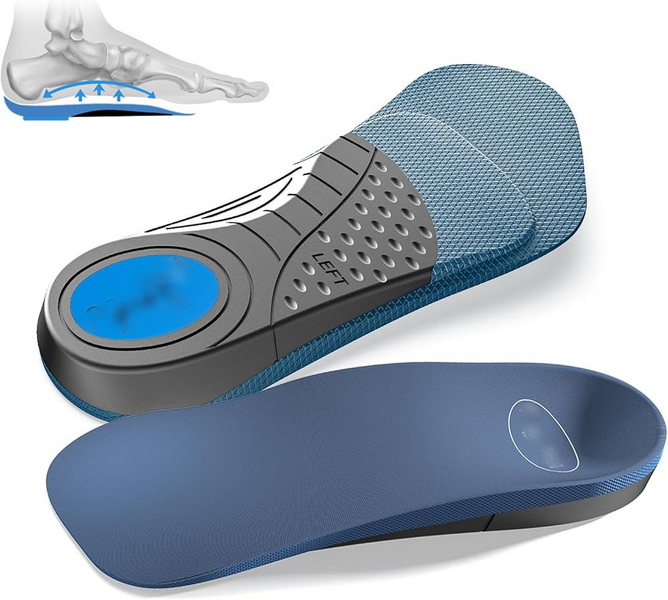
High fallen arches usually describe flexible flat feet, where the arch looks higher without weight but flattens when standing. Rigid flat feet stay flat in both positions and often require a different support approach.
Insoles do not permanently change bone structure, but they can guide the foot into a better position, lower stress on tissues, and ease pain. Over time, they support healthier movement patterns and may help prevent further problems, especially when combined with stretching and strengthening.
The replacement time depends on body weight, daily distance, and shoe rotation, but many users find that comfortable support declines after several months of heavy use. When cushioning feels flat, the arch feels weaker, or the top fabric is damaged, it is time to invest in a new pair.
Many people can start with quality over-the-counter insoles that match their arch type and shoe style. If pain is strong, long-lasting, or linked with other joint issues, a professional assessment can help decide whether medical-grade or custom solutions are necessary.
In many cases, one pair of full-length insoles can move between shoes of similar size and internal volume, especially if the original liners are removable. For tight dress shoes, narrow sports footwear, or special work boots, separate pairs or slimmer designs may be needed to keep fit, comfort, and support at a high level.


