
Language
Views: 222 Author: Amanda Publish Time: 2025-09-10 Origin: Site


Content Menu
● What Are Orthopedic Insoles?
● Benefits of Using Orthopedic Insoles
● Orthotic Insoles vs. Orthopedic Inserts
● How to Choose the Best Orthopedic Insole
>> Identify Your Foot Type and Condition
>> Consider Your Activity Level
● Top Recommended Orthopedic Insoles in 2025
● Care and Maintenance of Orthopedic Insoles
● Advances in Orthopedic Insole Technology
>> 1. What is the difference between orthopedic insoles and regular insoles?
>> 2. How do I know if I need orthopedic insoles?
>> 3. Can orthopedic insoles be used with any brand or type of shoe?
>> 4. How long do orthopedic insoles typically last?
>> 5. Are custom orthopedic insoles better than over-the-counter options?
Orthopedic insoles play a crucial role in providing support, comfort, and pain relief for those suffering from various foot conditions. Whether caused by flat feet, high arches, plantar fasciitis, or general fatigue, quality orthopedic insoles can significantly improve foot health and overall mobility. This comprehensive guide explores what makes the best orthopedic insoles, their benefits, types, how to choose them, and the best options available in 2025.
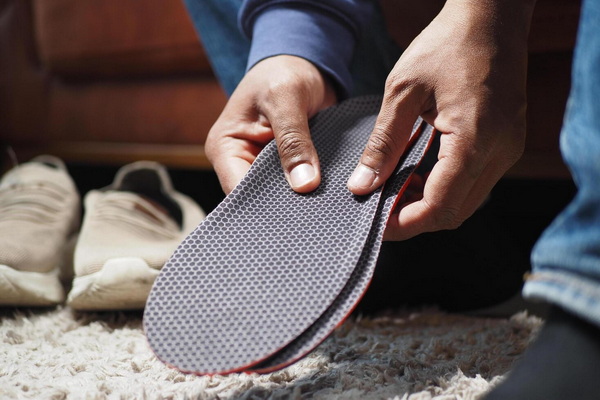
Orthopedic insoles, also known as orthotic insoles, are specially designed shoe inserts that correct abnormal foot posture and provide essential structural support. Unlike regular insoles, orthopedic insoles are made from specific materials and designed ergonomically to reduce foot pain, improve alignment, and prevent injuries related to improper foot mechanics. They support the natural shape and movements of the foot, addressing underlying issues that cause discomfort or long-term damage.
Orthopedic insoles offer numerous benefits to foot health, including:
- Pain Relief: They alleviate heel pain, arch discomfort, and pressure on the metatarsal bones, significantly reducing symptoms associated with plantar fasciitis and other foot conditions.
- Improved Foot Alignment: Orthopedic insoles help to correct biomechanical imbalances such as overpronation or supination, improving overall posture and reducing strain on ankles, knees, hips, and lower back.
- Injury Prevention: By promoting balanced weight distribution and stabilizing foot mechanics, orthopedic insoles reduce the risk of sprains, stress fractures, and repetitive strain injuries.
- Enhanced Comfort: These insoles provide cushioning and shock absorption that make prolonged standing, walking, or athletic activities more comfortable.
- Better Athletic Performance: They help optimize stride efficiency and reduce muscle fatigue through enhanced support and shock absorption.
Orthopedic insoles come in a variety of types tailored to different foot conditions, materials, and levels of customization:
- Latex Insoles: Soft and flexible, offering excellent cushioning.
- Polyurethane Insoles: Provide good shock absorption with elastic resilience, supporting arches and heels effectively.
- Resin Insoles: Thin, adaptable, often used for precise correction with less bulk.
- Rubber Component Insoles: Firmer, providing concentrated heel and arch support.
- Flat Feet Insoles: Designed with arch lifts to support fallen arches and improve stability.
- High Arch Insoles (Pes Cavus): Provide extra cushioning and arch support where natural arches are higher than normal.
- Heel Pain Insoles: Include cushioned heel cups to reduce pressure and inflammation in the heel area.
- Metatarsalgia Insoles: Feature additional padding to alleviate pressure on the ball of the foot.
- Custom Orthopedic Insoles: Tailored for individual foot contours and biomechanical issues after comprehensive podiatric assessment.
Orthopedic insoles can address lifestyle-specific needs, such as insoles meant for athletes, those for people standing long hours, or solutions designed for everyday casual wear.
It's important to distinguish between orthotic insoles and orthopedic inserts:
- Orthotic Insoles are custom-prescribed devices designed specifically by podiatrists after a full examination and gait analysis, offering precise correction for foot abnormalities.
- Orthopedic Inserts are generally pre-fabricated, off-the-shelf solutions that provide added support and comfort but lack the personalized fit and detailed correction of custom orthotics.
Custom orthotic insoles are often recommended for severe or chronic foot conditions, while orthopedic inserts may suffice for mild foot fatigue or general comfort enhancement.
Choosing the right orthopedic insole depends on several factors:
Understanding whether you have flat feet, high arches, or neutral arches helps select an insole that provides the correct support and correction.
Athletes or workers standing all day require orthotic insoles that offer durable shock absorption and firm support.
Insoles should fit comfortably inside your shoes without causing undue pressure or restriction. Size compatibility matters for proper functionality.
Materials such as foam, gel, cork, or leather may influence comfort, durability, and the type of support provided.
For complex foot problems such as plantar fasciitis, heel spurs, or biomechanical imbalances, consulting a podiatrist for custom-made orthotics ensures the best therapeutic outcome.
High-support insoles often require a break-in period where they are worn for a few hours daily and gradually increased, allowing your feet to adapt without discomfort.
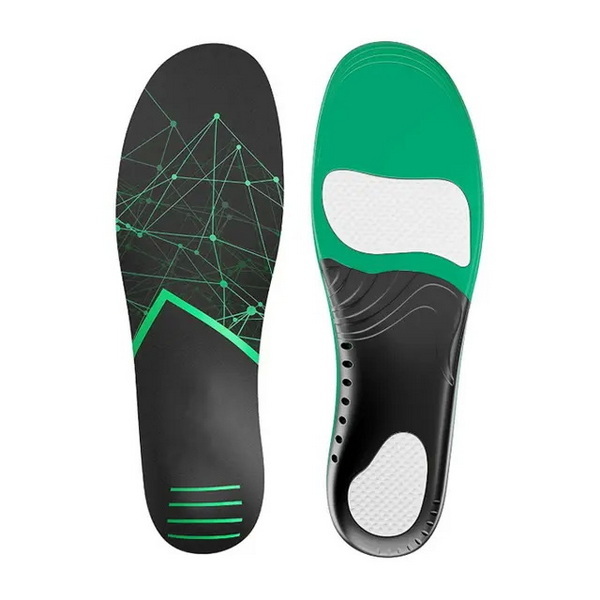
Some of the leading orthopedic insoles trusted by healthcare professionals and users include:
1. Superfeet All-Purpose Support Insoles: Known for excellent arch and heel support, especially beneficial for high arches.
2. Dr. Scholl's Plantar Fasciitis Relief Insoles: Gel-cushioned for heel pain relief and comfort.
3. PowerStep Pinnacle Insoles: Provide effective arch support ideal for flat feet and mild to moderate pronation.
4. Walk Hero Orthopedic Insoles: Versatile for running, hiking, or casual use with deep heel cups and reinforced arch support.
5. Spenco Polysorb Cross Trainer Insoles: Excellent shock absorption with added comfort for high-arched feet and athletic activities.
Each of these insoles offers a unique blend of materials, support features, and suitability for different foot conditions.
Proper care extends the lifespan and efficacy of orthopedic insoles:
- Clean regularly with mild soap and warm water; avoid soaking or machine washing.
- Air them out after use to reduce odor and moisture buildup.
- Replace insoles every 12 to 36 months depending on usage and wear signs, such as flattening or loss of support.
- Avoid exposure to extreme heat or pressure which may deform the materials.
Recent innovations have revolutionized orthopedic insoles with the integration of:
- 3D Foot Scanning: Ensures precise measurements for custom-fit orthotics.
- Advanced Materials: Memory polymers, shock-absorbing gels, and antimicrobial fabrics increase comfort and hygiene.
- 3D Printing: Allows rapid and precise manufacture of tailored insoles.
- Biomechanical Data Analysis: Improves design optimization for targeted correction and relief.
These advancements enable better outcomes in foot pain management and mobility improvement.
Choosing the best orthopedic insole is essential for alleviating foot pain, enhancing comfort, and correcting biomechanical issues. Whether opting for custom-made orthotics or high-quality off-the-shelf orthopedic insoles, understanding your foot type, condition, and needs will guide you toward the right choice. Regular care and consultation with healthcare professionals can maximize the benefits of orthopedic insoles, improving quality of life through better foot health and mobility.
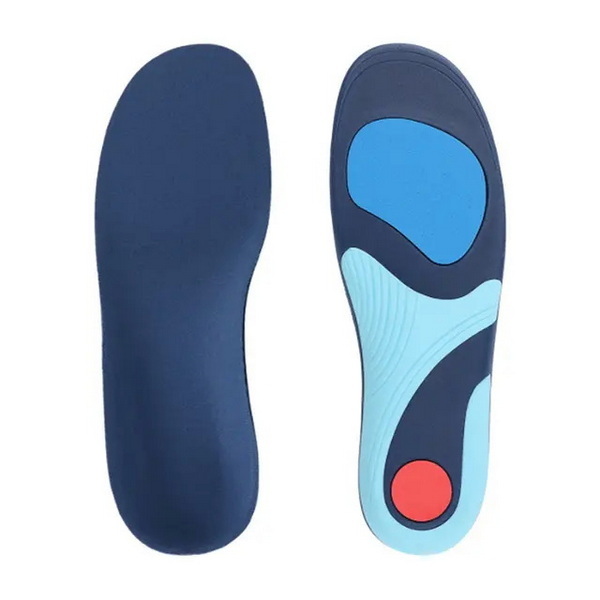
Orthopedic insoles are medically designed to correct foot abnormalities and provide structural support, whereas regular insoles primarily offer cushioning and comfort without addressing underlying biomechanical issues.
If experiencing chronic foot pain, postural problems, or diagnosed conditions like plantar fasciitis, flat feet, or heel spurs, orthopedic insoles can help. A podiatrist's evaluation confirms the need.
Most orthopedic insoles fit standard casual, athletic, and some dress shoes. However, tight or specialized footwear may not accommodate thick insoles. Always verify compatibility before use.
Depending on material quality and usage, orthopedic insoles generally last between 1 to 3 years. Regular inspection for wear is advised to maintain support.
Custom insoles provide a personalized fit and targeted correction, making them more effective for severe or specific conditions. Over-the-counter insoles are more affordable and suitable for mild support needs.
[1](https://st-charlespodiatrie.com/en-ca/2024/04/17/healthy-feet-the-guide-to-orthotic-insoles-and-orthopedic-inserts/)
[2](https://theinsolestore.com/pages/insole-guide)
[3](https://www.stridesoles.com/blogs/articles/best-insoles-for-calluses)
[4](https://millburnpodiatry.com/services/orthotics-and-podiatry-a-comprehensive-guide-to-custom-insoles-for-foot-health/)
[5](https://www.bedfordshirehospitals.nhs.uk/patient-information-leaflets/a-guide-to-your-insoles-2/)
[6](https://www.footcentregroup.com.au/guide-to-orthotics/)
[7](https://www.rei.com/learn/expert-advice/insoles.html)


