
Language
Views: 222 Author: Edvo Publish Time: 2025-11-08 Origin: Site


Content Menu
● The Importance of Orthotic-Friendly Shoes
● Features to Consider When Choosing Orthotic-Friendly Shoes
● Leading Shoe Brands for Orthotics
>> Brooks
>> New Balance
>> Orthofeet
>> Saucony
>> Hoka One One
>> Vionic
>> Aetrex
>> Propet
>> Birkenstock
>> Dr. Comfort
>> Drew Shoes
>> SAS Shoes
>> Clarks
>> ECCO
>> ASICS
>> Mizuno
● Comparing Top Shoes: Practical Scenarios
● How to Fit Orthotics in Your Shoes
● Tips for Maintenance and Longevity
● Integrating Orthotics and Footwear into Different Lifestyles
>> 1. What features should I prioritize when buying shoes for orthotics?
>> 2. Which brands are most commonly recommended for orthotics?
>> 3. Can I find orthotic-friendly shoes that are stylish?
>> 4. Should I always remove the shoe's original insole before putting in my orthotics?
>> 5. How frequently should shoes used with orthotics be replaced?
Selecting the ideal shoes for orthotics is a pivotal step for anyone seeking relief from discomfort, improved support, or simply better alignment for their feet. With endless choices available, it's crucial to understand not only which brands offer orthotic-friendly designs but also the functional features that set great shoes apart for wearers of custom or prefabricated insoles.
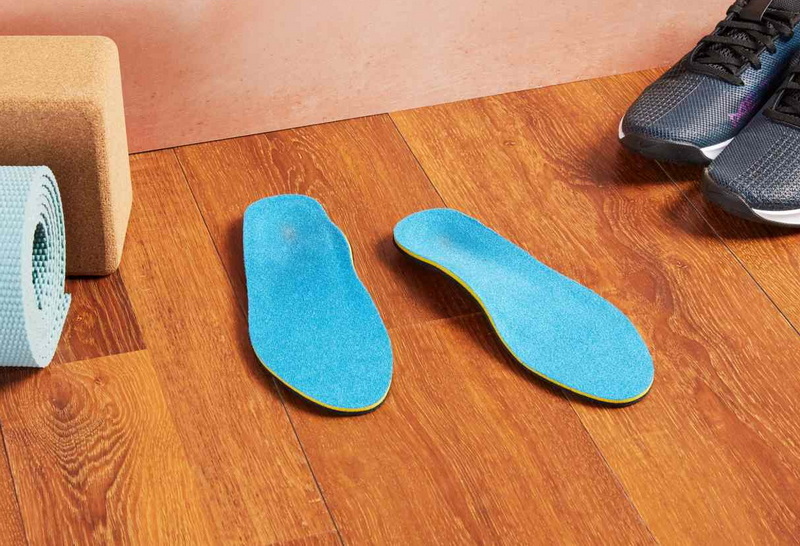
Shoes suited for orthotics do more than provide comfort—they help prevent injury, alleviate pain, and accommodate individual foot shapes. Especially for those who struggle with conditions like plantar fasciitis, diabetic foot problems, arthritis, bunions, or high arches, having the right footwear can mean the difference between walking easily and struggling with pain throughout the day.
- Removable insoles to allow for personal orthotic inserts
- Sufficient depth within the shoe for orthotic fit
- A stable, reinforced heel cup
- Roomy toe areas to prevent pinching or rubbing
- Shock-absorbing midsoles for everyday wear
- Adjustable closures for customizable fit
- Quality, breathable materials that limit moisture buildup
- Non-slip outsoles for enhanced safety
Brooks is renowned for its ergonomic designs and exceptional versatility. Models like the Ghost and Adrenaline GTS provide a plush, well-cushioned experience, and the insoles are easily replaceable, making them a go-to for athletes and walkers who use orthotics. The brand's commitment to combining comfort and durability is reflected in its wide range of orthopedic and running options. Whether you're training intensely or need a supportive pair for daily routines, Brooks shoes are often recommended by podiatrists for users of custom orthotics.
New Balance offers superior stability and sizing options for various foot widths. Shoes such as the 990 series and the Fresh Foam collection are engineered with spacious toe boxes, strong arch support, and removable insoles. This makes New Balance ideal for people with overpronation or complex orthotic needs. The brand is praised for combining functional support with modern styles, so users don't have to compromise on aesthetics.
Orthofeet is a dedicated orthopedic brand focusing on relieving pain and accommodating multiple conditions—from plantar fasciitis to diabetic foot care. All Orthofeet shoes come with anatomical orthotic insoles, deep footbeds, and stretchable uppers. The design aims to maximize comfort for sensitive feet, offering extra depth and adjustability. Orthofeet's range covers walking, athletic, and dress styles, expanding choices for everyday life.
Saucony's running and walking shoes feature Hallow-Tech guidance and responsive cushioning systems—especially in models like the Omni and Guide series. The shoe construction offers understated stability and allows for easy orthotic replacements. Runners needing additional support commonly choose Saucony for its blend of comfort and technical prowess.
Known for substantial midsoles and shock absorption, Hoka One One shoes—like the Bondi and Clifton—offer high-level cushioning and space for orthotic inserts. Their maximalist design reduces pressure on joints and is recommended for those with chronic foot problems, allowing for longer periods of walking or running without discomfort.
Vionic shoes combine modern fashion sensibility with embedded orthotic technology. The podiatrist-designed footbeds are built into stylish sandals, loafers, and athletic shoes, addressing both support and appearance. Vionic's classic Walker and Active series showcase arch support and stability, while also fitting most custom orthotics.
Aetrex shoes bring customizable orthotic support directly to the wearer through removable insoles and pliable construction. Their focus on innovative foot scanning and fit personalization means more options for unique foot structures.
Propet is acclaimed for its wide-ranging style selections, including shoes with extra room and depth as well as adjustable straps for customized fit. Propet shoes are often chosen for people managing foot swelling or irregular sizes.
Birkenstock's cork footbed is legendary for arch support and natural alignment. Their sandals and closed shoes offer removable footbeds and plenty of space for orthotic replacements, balancing function and casual style.
Dr. Comfort specializes in shoes for medical needs, focusing on diabetic, arthritic, and elderly customers. Their shoes are distinguished by wide sizing, seamless interior linings, and supportive construction, making them ideal for inserting custom orthotics.
Drew Shoes is a top orthopedic brand that prioritizes therapeutic relief for diverse conditions. With extra depth, wide toe boxes, and removable insoles, Drew Shoes are engineered to host various orthotic devices comfortably. Their focus on durability and adjustability appeals to people needing stability, security, and comfort all day long.
SAS (San Antonio Shoemakers) Shoes are another podiatrist-favored brand, praised for their exceptional build quality, soft contours, and adjustable features. Their shoes alleviate pain and support foot health.
Clarks shoes bring centuries of expertise to orthopedic comfort, with selections spanning from loafers to boots, heels to sandals. Many models feature removable insoles and supportive frameworks suitable for orthotic users who value a mix of classic style and everyday function.
ECCO's shoes are celebrated for their balance of breathability, support, and premium materials. Many styles have insoles designed for easy removal, providing sufficient room for a variety of orthotics and an uncompromised, comfortable fit.
ASICS offers versatile athletic shoes engineered for movement and stability. With models tailored for specific sports and foot needs, ASICS gives wearers confidence in their orthotic support.
Mizuno's Neo Vista and Wave Inspire collections are sought after for their lightweight builds and shock absorption. Removable insoles and responsive cushioning systems make them a smart choice for runners needing orthotic accommodation without added weight.
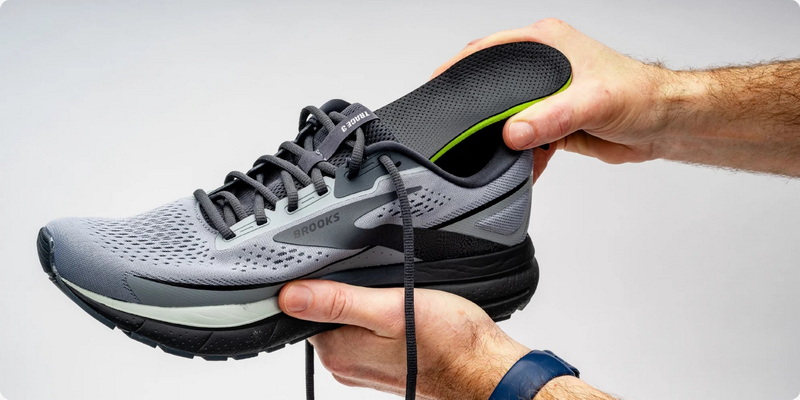
When choosing between brands, it's useful to consider the daily needs of orthotic users. For intense running, shoes such as the Brooks Ghost or Hoka Mach provide robust shock absorption. For everyday walking and casual activities, the New Balance 990 and Vionic Walker are reliable favorites. Dress shoes and sandals can be found in brands like Birkenstock, Dr. Comfort, and Aetrex, offering adaptable footbeds and stylish designs.
For wider feet, look to New Balance or Drew Shoes for extra width. For sensitive or diabetic feet, Orthofeet and Dr. Comfort prioritize comfort, seamless interiors, and gentle cushioning.
- Remove the factory insoles before placing your orthotics inside.
- Ensure there is ample depth and width in both heel and toe sections to avoid squashing or distortion.
- Adjust the closures for even pressure—don't overtighten, as this can create pressure points.
- When trying new shoes, wear the socks you use with your orthotics for accurate testing.
- Spend a few minutes walking or jogging to gauge any discomfort, friction, or unexpected movement inside the shoe.
Orthotic-friendly shoes should be cared for properly to extend their life and effectiveness. Rotate between pairs to reduce wear, especially if you walk or run frequently. Clean shoes regularly and check for sole compression and signs of excessive wear. Replace both your shoes and orthotics as recommended by your podiatrist—generally every 8-12 months—since prolonged use can reduce support and comfort.
Modern orthotic-friendly shoes now blend fashion and function. Professionals can find dress shoes with removable insoles, athletes benefit from technical running shoes, and casual wearers have options ranging from sandals to boots. There's no longer a need to sacrifice style for support: today's brands have extended their selections to accommodate a range of needs, ensuring anyone can enjoy the benefits of orthotics without compromising personal taste.
Before making a purchase, consult with a podiatrist or footwear specialist, particularly if you have existing medical issues. Prioritize shoe features that match your orthotic requirements and personal foot structure, and always try shoes on with your orthotics to secure a true fit. Shopping at specialty stores or online retailers that allow returns can help you find the best match.
Choosing the right shoes for orthotics means embracing a healthier, more comfortable lifestyle. Whether you're looking for athletic, everyday, or dress options, leading brands such as Brooks, New Balance, Orthofeet, Saucony, Vionic, Hoka One One, Aetrex, Propet, Birkenstock, Dr. Comfort, Drew Shoes, SAS Shoes, Clarks, ECCO, ASICS, and Mizuno offer innovative solutions and superior support. Focus on fit, stability, and adjustability, and you'll enjoy all-day activity and enduring foot health.
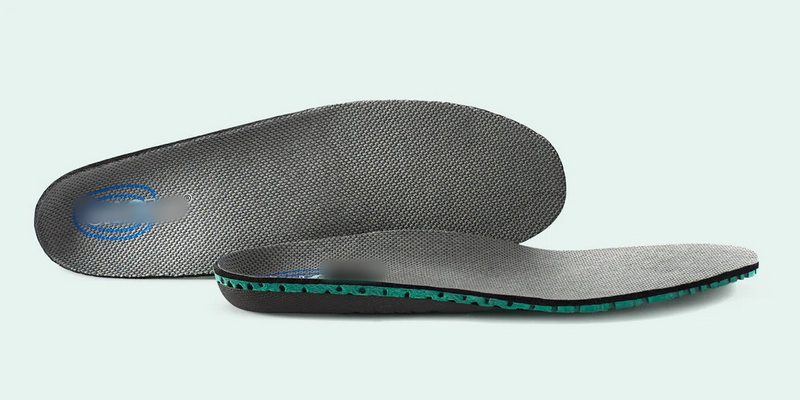
Opt for shoes with deep, wide toe boxes, removable insoles, and firm heel counters to maximize the space and support needed for your orthotics.
Recognition goes to Brooks, New Balance, Saucony, Orthofeet, Vionic, Hoka One One, Birkenstock, Drew, SAS, Clarks, ECCO, ASICS, and Mizuno for their compatibility and supportive designs.
Modern brands have expanded styles significantly, so you can select shoes that are both fashionable and orthotic-compatible for any occasion.
Yes, removing the factory insole is essential to ensure proper fit, comfort, and the effectiveness of your orthotic device.
Most orthopedic footwear should be replaced every 8-12 months, or sooner if you notice signs of wear or decrease in support and comfort.


