
Views: 222 Author: Edvo Publish Time: 2025-12-01 Origin: Site


Content Menu
● Understanding Orthotic-Friendly Shoes
>> Structural features that matter
● Leading Orthotic and Orthopedic Brands
● Mainstream Athletic Brands That Work Well
● Fashion and Casual Brands with Orthotic-Friendly Designs
● Specialty Orthotic-Friendly Collections
● Technical Guidelines for Matching Shoes and Orthotics
● Table: Good Shoe Types for Orthotics by Use Case
● Tips for Choosing the Right Brand and Model
● How an OEM Insole Manufacturer Can Help Shoe Brands
● FAQ
>> 1. Do all running shoes work with custom orthotics?
>> 2. Which brands are most commonly recommended for orthotics?
>> 3. Can I use orthotics in dress shoes or office footwear?
>> 4. How do I know if my shoe is deep enough for an orthotic?
>> 5. Should I size up when buying shoes for orthotics?
People who wear orthotic for shoes with enough internal volume, stable support, and removable insoles so the orthotics can work properly without causing extra pressure or instability. The right combination of brand, model, and fit can transform comfort, reduce pain, and help users stay active for work, sport, and everyday life.
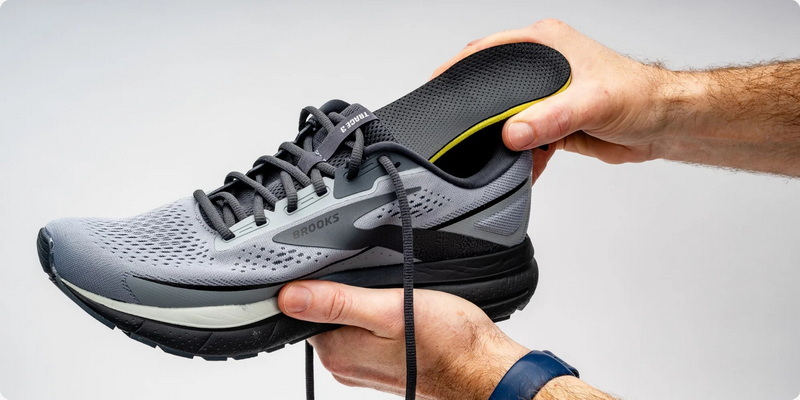
Orthotic devices support the arches, align the feet, and help distribute pressure more evenly, so the shoe must allow the orthotic to sit flat and deep inside. If the shoe interior is too shallow or the insole cannot be removed, the orthotic may lift the foot too high and cause heel slippage, rubbing, or instability.
Key structural elements include a firm heel counter, a stable midsole with limited twisting, and a flexible forefoot that bends where the toes bend. These elements allow the orthotic to control motion instead of the shoe collapsing, which helps relieve pain from conditions like plantar fasciitis, flat feet, overpronation, and arthritis.
- Firm heel counter to keep the heel in place and support the rearfoot.
- Stable midsole so the orthotic rests on a solid base instead of sinking or rolling.
- Enough internal depth so the orthotic does not push the foot out of the shoe.
- Flexible forefoot that bends where the toes bend for natural push‑off.
When comparing brands, the essential question is whether the shoe structure supports orthotics, not only whether the brand is famous or trendy. A good orthotic‑friendly model will highlight adjustability, removable insoles, and comfort features in its description.
Important features include:
- Removable insole: The stock footbed should be easy to remove so the orthotic can sit directly on the midsole.
- Deep heel cup: Helps keep both foot and orthotic locked in place, improving rearfoot stability.
- Roomy toe box: Gives toes space to spread and reduces pressure on bunions or forefoot issues.
- Firm, supportive midsole: Prevents the orthotic from collapsing into soft foam, maintaining its corrective function.
- Non‑slip, durable outsole: Adds security for workers and older adults who spend long periods on their feet.
Several orthopedic and therapeutic brands place orthotic compatibility at the center of their design, making them strong candidates for people with foot conditions. These brands often offer extra depth, wider widths, and details like soft linings and stretch uppers.
- Orthofeet: Focuses on pain‑relief footwear with extra depth, soft uppers, and removable insoles, suitable for multiple foot conditions and custom orthotics.
- Dr Comfort: Specializes in diabetic and medical shoes with deep, wide designs and orthotic‑ready footbeds.
- Answer2 and Drew: Produce therapeutic shoes with extra depth, strong heel counters, and multiple width options for deformities or swelling.
- Apex and Aetrex: Known for orthopedic constructions and customizable insoles, allowing a more personalized fit for orthotic users.
These brands are often recommended by podiatrists because they combine protective uppers, shock absorption, and internal structures designed to work together with orthotic devices.
Many active people prefer mainstream running or training shoes, and some athletic brands have become popular choices for orthotic users. Their success comes from stable platforms, removable insoles, and consistent fit patterns.
- New Balance: Offers numerous models with removable insoles, varied widths, and stable midsoles that pair well with orthotics for walking, running, and standing work.
- Brooks: Neutral and stability trainers from this brand are often highlighted as orthotic‑friendly because they combine cushioning with a broad, stable base.
- ASICS: Many cushioned and stability shoes combine firm heel counters, medial support, and removable sockliners suitable for custom devices.
- Saucony, Hoka, and similar brands: Selected models provide wide platforms, deep heel pockets, and softer rockered midsoles that can work well with orthotics when the insole is removed.
These brands are especially useful for runners, fitness enthusiasts, and professionals who need sport‑style shoes that still cooperate with their orthotic prescriptions.
For office wear and casual outings, many users want a more stylish look without sacrificing orthotic compatibility. Certain European comfort‑fashion labels focus precisely on this balance.
- ECCO and Josef Seibel: Offer leather sneakers, loafers, and boots with removable insoles and moderate extra depth, suitable for custom inserts.
- Ara, Think!, Naot, and similar brands: Provide dressy and casual styles with supportive footbeds that can often be removed or replaced with orthotics in selected lines.
- Revere, Ziera, and Klouds: Known in some markets for orthotic‑friendly sandals and shoes with adjustable straps and removable footbeds.
For these brands, not every model is orthotic‑ready, so checking product descriptions for “removable insole” and “orthotic‑friendly” is important before purchase.
Multi‑brand footwear retailers and specialty stores now curate dedicated sections focusing on shoes that accept custom orthotics. These collections save consumers time because every listed shoe already meets minimum depth and structural criteria.
- Orthotic‑friendly categories: Many online and physical stores group shoes that have removable insoles, deeper profiles, and stable midsoles in a single category.
- Filters and search tools: Users can often filter by removable insole, extra depth, width, and activity type to find suitable shoes faster.
For people who feel overwhelmed by long product lists, starting with these curated sections is an efficient way to discover orthotic‑compatible brands and models.
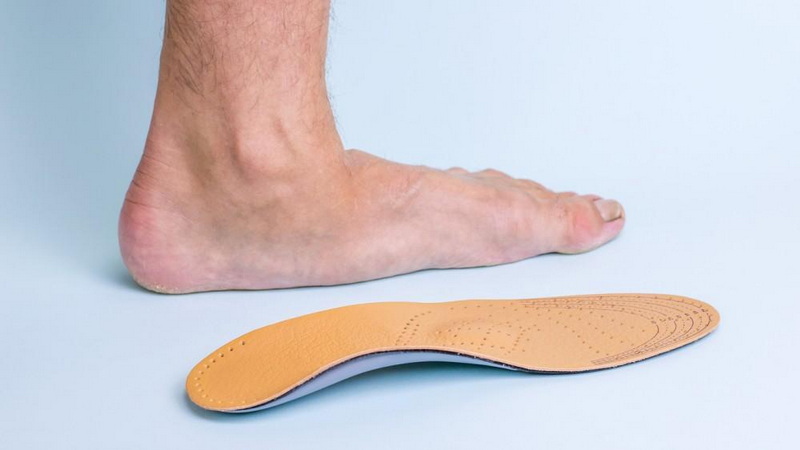
The relationship between shoe and orthotic is as important as the choice of brand. An excellent orthotic placed in the wrong shoe can cause discomfort or fail to correct gait problems effectively.
Key matching considerations:
- Length and outline: The orthotic should follow the internal outline of the shoe so that neither the heel nor the forefoot hangs over the edges.
- Heel fit: The orthotic's heel cup must sit fully within the shoe's heel pocket, with no rocking or lifting when you walk.
- Flex point: The shoe should flex where the toes bend, and the orthotic should not block this motion or cause the forefoot to feel rigid.
- Volume: Thick, rigid orthotics need higher‑volume shoes or extra‑depth models, while thinner prefabricated devices can fit in more standard shoes.
| Use case | Recommended shoe type | Typical helpful brands (examples) |
|---|---|---|
| Everyday walking | Cushioned walking shoe with removable insole and wide toe box | New Balance, Brooks, Orthofeet, Dr Comfort orthofeet+3 |
| Running / jogging | Neutral or stability trainer with firm midsole and deep heel cup | ASICS, Saucony, Brooks, New Balance, Hoka runrepeat+3 |
| Office / smart casual | Leather sneaker or low dress shoe with removable footbed | ECCO, Josef Seibel, Ara, Naot thehouseofshoes+2 |
| Standing work | Stable work shoe with strong heel counter and non‑slip outsole | Orthofeet, Answer2, Drew orthofeet+2 |
| Seniors / medical use | Extra‑depth orthopedic shoe with wide fit and protective upper | Dr Comfort, Apex, Aetrex theshoeco+2 |
A sensible, step‑by‑step approach makes it easier to match your orthotics with the right shoe brand and model. Planning ahead reduces returns and helps you feel more confident about your purchase.
1. Define your main activities
Think about whether you mostly walk, run, stand at work, or need dress shoes for office or events, then shortlist brands that are strong in that category.
2. Check product descriptions and filters
Look for explicit phrases such as “removable insole,” “orthotic‑friendly,” “extra depth,” or “accommodates custom orthotics” when browsing online or in stores.
Avoid very low‑profile, tight, or fashion‑only models that emphasize sleek looks over structural support.
3. Bring orthotics when trying shoes
Always insert your orthotics and walk on a firm surface, checking that the heel does not slip, the arch feels correctly positioned, and the toes have enough length and height.
If the collar cuts into your ankle or the top of the foot feels compressed, select a deeper or higher‑volume shoe instead.
4. Consider width and shape
People with wider feet, bunions, or high insteps often need wide or extra‑wide models from brands that specialize in multi‑width fitting.
Matching the orthotic shape to the shoe shape (for example, round toe vs more tapered) also improves comfort and stability.
5. Rotate pairs for longevity
Rotating at least two orthotic‑friendly pairs lets the midsoles recover between wears and helps the orthotics dry and stay fresh.
This approach is especially helpful for workers who spend long hours on hard surfaces and for people who walk or run frequently.
Even with good brands, a few frequent mistakes can reduce the benefits of orthotic devices.
- Choosing size only by length: Ignoring width and volume can cause tightness over the orthotic or heel slippage.
- Keeping the original insole under the orthotic when there is not enough depth: This can lift the foot too high and distort the corrective position of the device.
- Ignoring wear patterns: Old shoes with worn‑out midsoles or uneven outsole wear may not properly support orthotics anymore.
- Using fashion heels or very flat, unsupportive shoes: These shapes often lack the heel cup and midsole support needed for orthotics to function well.
Avoiding these errors helps protect your investment in custom devices and ensures that both shoe and orthotic work together efficiently.
Brands, wholesalers, and manufacturers that want to promote “orthotic‑ready” or “insole‑friendly” footwear need consistent, technically correct insole solutions. A specialized insole OEM can co‑design removable footbeds that match the last shape, internal volume, and intended support level of each shoe line.
By working together during the early development stage, shoe brands can:
- Adjust insole thickness and density so that customers can swap to custom devices without destabilizing the fit.
- Create different comfort packages using the same upper and outsole, such as standard comfort, extra support, or medical‑oriented versions.
- Standardize internal dimensions across sizes and widths, making it easier for orthotic users and clinicians to recommend specific models.
For global footwear partners, this cooperation adds value by aligning fashion, function, and medical needs, improving both customer satisfaction and brand reputation in the orthotic‑friendly segment.
Many brands make shoes that are good for wearing orthotic devices, but the most important factor is whether the shoe structure supports the orthotic's function. Orthopedic brands such as Orthofeet, Dr Comfort, Answer2, Apex, and Aetrex, as well as mainstream athletic companies like New Balance, Brooks, ASICS, Saucony, and Hoka, plus selected European comfort labels, all offer strong options for different lifestyles and foot conditions.
Focusing on removable insoles, adequate depth, firm heel counters, stable midsoles, and correct width and volume will help orthotic users choose shoes that keep them comfortable and active throughout the day. For footwear brands and manufacturers, partnering with a professional insole OEM is a strategic way to build consistent orthotic‑friendly collections that meet modern consumers' expectations for both comfort and style.
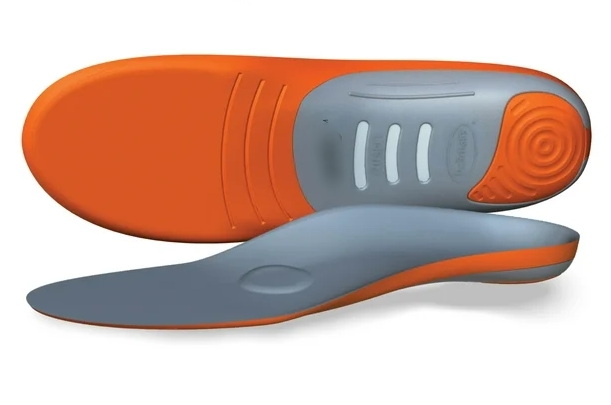
No, not all running shoes are suitable because some models have shallow interiors or fixed insoles that do not leave enough room for a custom device. The best options have removable footbeds, stable midsoles, and slightly higher volume, so the orthotic can sit flat without causing heel slippage or pressure points.
Orthopedic and comfort‑focused labels such as Orthofeet, Dr Comfort, Drew, Answer2, Apex, and Aetrex are frequently recommended for orthotic users. Among mainstream athletic brands, New Balance, Brooks, ASICS, Saucony, and Hoka often appear in professional and consumer lists of orthotic‑friendly shoes.
Yes, but it is important to choose office or dress shoes with removable insoles and enough internal depth. Brands such as ECCO, Josef Seibel, Ara, Naot, and similar comfort‑fashion labels often offer models that accept custom orthotics while still looking appropriate for professional environments.
After inserting your orthotic and putting on the shoe, your heel should sit securely without lifting, and the top of your foot should not feel crushed by the upper. If the collar rubs your ankle, your toes hit the front quickly, or the laces feel extremely tight across the instep, you likely need a deeper or higher‑volume model.
Some people benefit from going up half a size or choosing a wider width to accommodate orthotics, especially when devices are thick or semi‑rigid. However, it is better to test with your orthotics in the shoes, because going too large can cause instability and reduce the corrective effect of the devices.


