


Content Menu
● Structural Components of a High Arch Insole
● Benefits of Using High Arch Insoles
● Who Should Use High Arch Insoles?
● Choosing the Right High Arch Insole
>> Match Activity to Insole Design
>> Prioritize Material Quality
>> Focus on Breathability and Hygiene
● Common Problems Without Proper Arch Support
● The Role of High Arch Insoles in OEM Manufacturing
● Innovations in High Arch Insole Design
● Customer Applications and Case Examples
● Tips for Manufacturers and Retailers
>> 1. What are the signs that I need high arch insoles?
>> 2. Are custom high arch insoles better than standard models?
>> 3. How can I test if an insole fits correctly?
>> 4. Can I use high arch insoles in sports shoes?
>> 5. Do high arch insoles help prevent injuries?
When it comes to comfort, performance, and overall foot health, the importance of a well-designed insole cannot be overstated. Every foot shape is unique, and for people with high arches, standard shoe soles often fail to provide adequate support. The result is discomfort, fatigue, and even chronic pain that can affect mobility and posture.
A high arch insole is specifically designed to support feet with elevated arches, maintaining balance, cushioning impact, and promoting proper alignment. Whether you're a footwear brand, wholesaler, or manufacturer, understanding the structure and benefits of high arch insoles can give you an advantage in both product innovation and customer satisfaction.
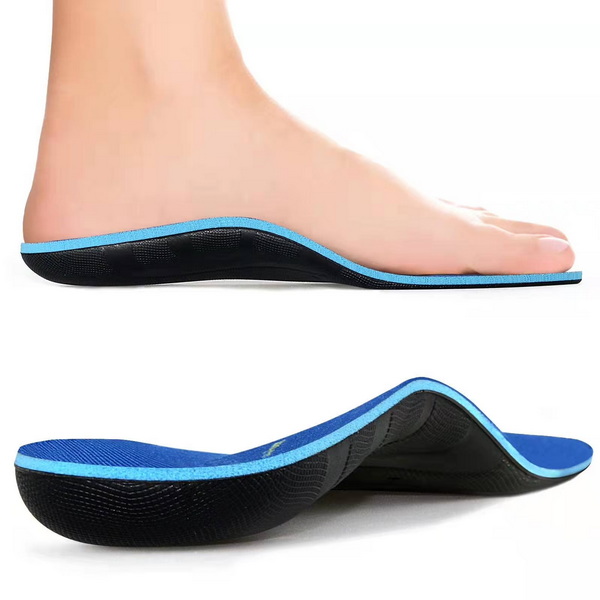
High arches, or pes cavus, refer to a foot shape where the arch along the inside of the foot is significantly raised off the ground. This elevated arch creates an imbalance in pressure distribution. Instead of spreading weight evenly across the sole, it concentrates force on two main points—the heel and the ball of the foot. Because of this, every step exerts more strain on those specific areas.
This condition may develop due to several factors:
- Inherited foot structure or genetic traits.
- Neurological or muscular issues affecting foot movement.
- Natural development of the skeletal system.
- Injury, trauma, or long-term muscle imbalance.
High arches are not always painful by themselves, but the resulting pressure and instability often lead to discomfort, calluses, or ankle sprains. Without corrective support, many people find walking or standing for extended periods increasingly painful. This makes high arch insoles an essential solution for daily comfort.
A high arch insole is a specially contoured insert designed to provide support where the natural arch of the foot is elevated. Its primary role is to stabilize the midfoot and compensate for poor shock absorption. In addition to cushioning the heel and forefoot, these insoles improve balance and promote an even stride pattern.
They are typically constructed from lightweight yet resilient materials such as EVA foam, PU (polyurethane), rubber, or gel composites. High arch insoles come in a variety of designs—some focus on sports use, while others are engineered for workplace safety boots or fashion footwear. Their versatility and ergonomic properties make them valuable in multiple footwear categories.
By supporting proper alignment, these insoles reduce fatigue, enhance movement efficiency, and protect against injuries associated with supination—when feet roll outward during walking or running.
Understanding what makes up a high arch insole helps you choose or design the right one for your product line.
A deep heel cup cradles the heel securely, minimizing lateral movement. This design prevents slippage inside the shoe and keeps the foot stable, reducing the risk of ankle sprains or tendon strain.
The defining feature of a high arch insole is its elevated midfoot area. The contour provides consistent contact with the arch, distributing weight evenly. This prevents over-supination, which is common among high-arched individuals.
Multi-layer cushioning systems—using memory foam, gel pads, or air-cell technology—absorb shocks generated by each step. They reduce impact on the heel, ankle, and knee joints, allowing users to stay active longer without discomfort.
Extra padding beneath the metatarsal region eases pressure on the ball of the foot. It also prevents toe pain and mitigates symptoms associated with metatarsalgia.
Many modern insoles feature breathable meshes, odor-resistant coatings, or moisture-wicking fabrics to enhance comfort during long wear. These details are critical for sports or occupational footwear used in hot environments.
High-end models often include a semi-rigid base plate or TPU (thermoplastic urethane) shell that ensures shape retention. This rigidity helps maintain arch height and offers consistent support through extended use.
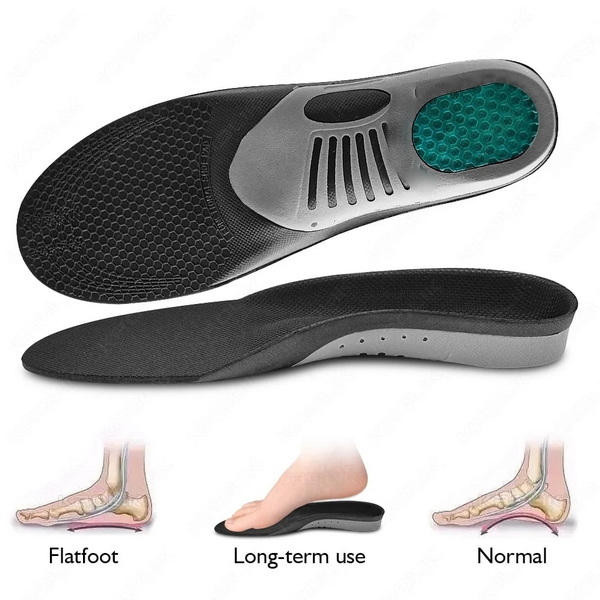
For people with elevated arches, wearing normal flat-soled shoes can result in multiple problems—from heel pain and instability to posture misalignment. The benefits of high arch insoles address these issues directly.
- Optimal Weight Distribution: They help shift pressure from two points (heel and forefoot) to the entire sole surface.
- Improved Shock Absorption: Cushioning material reduces impact shock while walking, running, or jumping, protecting joints and ligaments.
- Enhanced Foot Alignment: Arch design promotes better alignment through the knees, hips, and spine, improving posture.
- Reduced Pain and Fatigue: Proper support prevents conditions like plantar fasciitis, arch strain, and Achilles tendon irritation.
- Long-Term Comfort: Ideal for professionals or workers standing for extended hours on hard flooring.
- Durability and Shoe Protection: Insoles prevent premature shoe wear by evening out foot pressure, extending footwear life.
For athletes, these insoles also contribute to improved performance and stability by minimizing inefficient movement and energy loss during endurance activity.
While high arch insoles are specifically intended for individuals with elevated arches, many others can also benefit from their support structure.
- Athletes and Runners: To prevent repetitive stress injuries caused by high-impact activities.
- Healthcare and Industrial Workers: Who spend hours standing or walking on concrete surfaces.
- Seniors: Seeking stability and comfort to reduce balance-related falls.
- Fashion Shoe Wearers: Wanting extra comfort in narrow or hard-sole designs.
- Outdoor Enthusiasts: Who constantly walk uneven terrains that stress the arches.
- Manufacturers and Brands: Looking to create ergonomic footwear options for specialized user groups.
For individuals, using the correct insole can mean the difference between daily discomfort and lasting health improvement. For manufacturers, it represents an opportunity to deliver superior comfort technology that satisfies global consumers.
The correct choice depends on multiple factors including usage environment, material preference, and user anatomy.
If your footprint shows a narrow connection between the heel and forefoot when stepping on wet paper, you likely have a high arch. Identifying this structure is the first step toward choosing suitable support.
- Running or Sports: Choose lightweight insoles with strong shock absorption.
- Work Boots: Opt for firm, structured arch support with deep heel cups.
- Everyday Wear: Select medium-density models offering comfort for long durations.
High-density foam or PU ensures lasting rebound, while gel and memory foam enhance soft cushioning. Premium insoles combine multiple materials for balanced support and flexibility.
Feet can sweat heavily inside shoes, especially during physical work. Perforated designs and antimicrobial fabrics help avoid odor and skin irritation.
Always check size compatibility. Trim-to-fit options allow customization to various shoe shapes, ensuring proper alignment inside the footwear.
Ignoring high arches can lead to several health issues. When weight is not evenly distributed, muscles and ligaments work harder to stabilize movement, leading to chronic strain or injury.
Common conditions include:
- Plantar Fasciitis – inflammation of the ligament under the foot due to excessive tension.
- Metatarsalgia – pain under the ball of the foot from repetitive impact.
- Ankle Instability – frequent rolling or sprains caused by insufficient balance.
- Knee and Back Pain – posture imbalance from misaligned foot movement.
Early intervention with high arch insoles can prevent these conditions and improve long-term foot mechanics.
Our company, a leading insole manufacturer in China, provides customized OEM and ODM solutions for international footwear brands, wholesalers, and distributors. High arch insoles are among our most requested products, thanks to rising global demand for ergonomic footwear.
Through advanced material technology and precise molding processes, we deliver insoles that combine comfort with durability. Every stage—from concept development to final assembly—is guided by strict quality standards.
Our OEM offerings include:
- Material selection tailored to sport, safety, or lifestyle product lines.
- Advanced 3D modeling and ergonomic design optimization.
- Custom branding, packaging, and bulk production capabilities.
- Batch testing for impact resistance, flexibility, and odor control.
By partnering with us, brands can confidently expand their product catalog while maintaining a reputation for quality and comfort.
Footcare technology continues to evolve. Leading manufacturers are introducing smart insoles that track pressure points through embedded sensors, allowing real-time posture feedback. Other designs integrate memory foam with airflow channels to prevent overheating during daily wear.
Sustainable materials are also becoming popular. Many companies now use recycled EVA, plant-derived foams, or biodegradable padding to reduce environmental impact. These innovations not only enhance functionality but also align with sustainability goals that modern consumers value.
Additionally, 3D printing and digital scanning make it easier than ever to produce precision-fit insoles for individual users or premium footwear collections. Such advanced production techniques elevate OEM collaboration between manufacturers and global brands.
Even the best high arch insoles require proper maintenance to perform well.
- Clean regularly using mild soap and warm water, avoiding harsh chemicals.
- Air-dry only, keeping them away from direct sunlight or dryers.
- Replace periodically—typically every 6 to 12 months depending on wear frequency.
- Remove after heavy use to allow shoes and insoles to air out overnight.
- Inspect edges for cracks or deformation to ensure continued support.
Well-maintained insoles not only protect your feet but also keep shoes fresh, hygienic, and comfortable for long-term use.
In the global market, high arch insoles are now common across different footwear applications:
- Sports & Running Shoes: Provide energy return and stability during high-intensity activity.
- Safety and Industrial Boots: Reduce fatigue for workers on factory floors.
- Casual Fashion Footwear: Enhance comfort without sacrificing appearance.
- Medical & Orthopedic Footwear: Support rehabilitation and pain relief.
- Military and Outdoor Boots: Offer durability and shock absorption in tough environments.
These practical applications highlight the growing importance of high arch insole design for both performance enhancement and preventive foot care.
Foot health awareness is rising rapidly, especially in markets like North America and Europe. For manufacturers and retailers, offering high arch insole solutions can be a profitable strategy.
Here's how to succeed in product positioning:
- Educate customers on the benefits of specialized arch support through marketing content.
- Provide options for various levels of firmness, activity types, and materials.
- Offer replacement schedules to encourage recurring purchases.
- Highlight technology such as ergonomic shaping or sustainable components to attract eco-conscious buyers.
- Partner with OEM factories capable of consistent quality control and customization.
By incorporating these strategies, brands can strengthen their product identity and customer loyalty.
High arch insoles are not a luxury—they are a necessity for anyone with elevated arches or foot discomfort caused by inadequate support. They enhance stability, reduce impact stress, and promote proper body alignment from the feet upward. For footwear brands and wholesalers, integrating high arch insole technology into your product line positions you as a provider of genuine comfort solutions.
Our manufacturing expertise ensures that every pair of insoles not only meets ergonomic standards but also reflects your brand's quality and reliability. Whether for athletes, workers, or everyday consumers, high arch insoles improve health, performance, and confidence with every step.
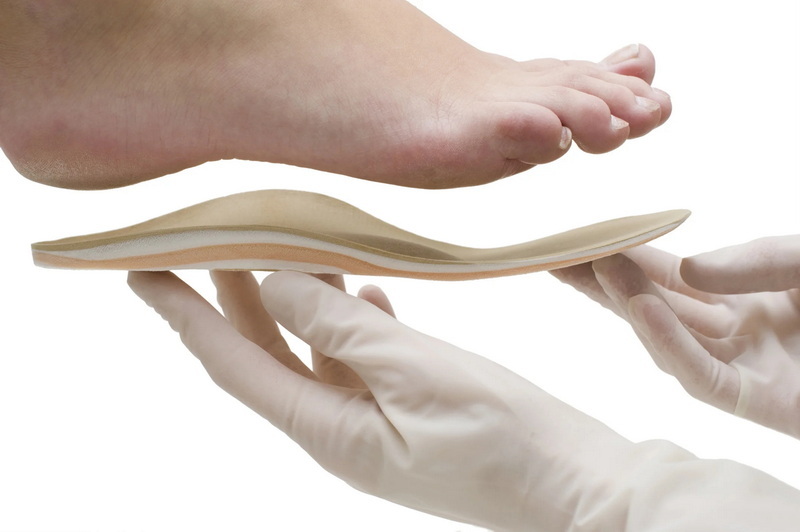
If you often experience pain in the heel or ball of your foot, frequent ankle twisting, or notice uneven wear on shoe soles, you likely have high arches that need extra support.
Custom insoles offer precise support tailored to your foot shape, but high-quality standard models made for high arches also deliver excellent results at a lower cost.
Your heel should sit snugly in the cup, and your arch should feel gently supported without pressure points. There should be no sliding or curling inside the shoe.
Yes, many athletes prefer them because they improve ankle alignment and stamina during running or training. Look for designs that combine flexibility with firm arch support.
Absolutely. Proper arch support reduces strain on muscles, ligaments, and joints, lowering the risk of plantar fasciitis, shin splints, and knee problems over time.


