
Language
Views: 222 Author: Edvo Publish Time: 2025-12-17 Origin: Site


Content Menu
● Understanding the Concept of Heat Molding Insoles
● The Engineering Behind Heat Molding Foot Arch Support Insoles
>> 1. Top Fabric Layer – Comfort and Breathability
>> 2. Heat-Moldable Foam Layer – The Adaptive Core
>> 3. Arch Support Base and Heel Cup – The Structural Foundation
>> 4. Cushioning Mid-Layer – Comfort that Absorbs Impact
>> 5. Bottom Support Layer or Outsole Plate – Stability and Durability
● The Science of the Heat Molding Process
● Benefits of Heat Molding Insoles
>> Custom Fit and Personalization
>> Enhanced Performance for Athletes
>> Relief for Common Foot Problems
>> Durability and Cost-Effectiveness
● Applications in Different Footwear Categories
● OEM and Custom Manufacturing Insights
● Sustainable and Eco-Friendly Material Development
● Maintenance and Lifespan Tips
● Comparing Heat Molding Insoles to Regular Insoles
● Consumer Education and User Experience
● The Role of Technology in Product Development
● Future Trends in Heat Moldable Insole Technology
● FAQ
>> 1. How long does the heat molding process take?
>> 2. Can the insoles be remolded multiple times?
>> 3. Are heat molding insoles suitable for all shoe types?
>> 4. Can people with flat feet or plantar fasciitis use these insoles?
>> 5. What customization options are available for OEM clients?
Comfort, stability, and performance—these three pillars define modern footwear innovation. Among all supportive shoe technologies, heat molding foot arch support insoles stand out for their ability to deliver personalized cushioning and biomechanical balance. Unlike standard insoles, they mold to the individual's unique foot shape, ensuring precise support where the body needs it most.
This detailed guide explores the composition, manufacturing process, advantages, and applications of heat insoles. Whether you are a footwear brand, wholesaler, or sports equipment supplier seeking OEM services, understanding what's in these insoles can help you make better product and sourcing decisions.
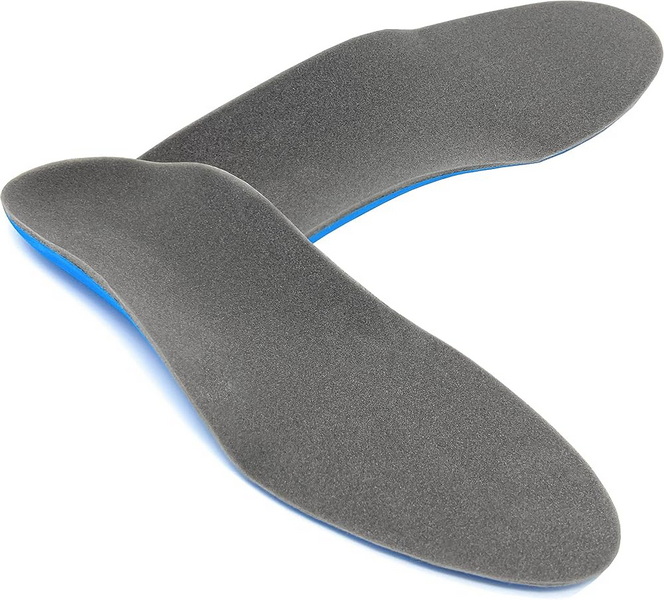
Heat molding insoles are thermoformable inserts designed to conform to the wearer's foot after being gently heated. The primary purpose is to create a custom-fit footbed that supports the arch, stabilizes the heel, and enhances comfort during movement.
While regular insoles are produced in fixed shapes and sizes, heat molding variants can be individualized. This flexibility makes them increasingly popular in professional footwear, medical orthotics, and sports performance gear.
The molding process involves warming the insoles in an oven or molding device, placing them inside the footwear, and wearing them until they naturally cool down. As they harden, they capture the complete anatomical contours of the wearer's arch, heel, and toes.
The top fabric layer directly touches the foot, so it needs to be soft, moisture-wicking, and odor-resistant. Modern manufacturers use technical fabrics such as microfiber, mesh textile, or bamboo fiber composite. These materials help absorb sweat and enhance airflow, ensuring feet remain cool and dry even during long wear.
Some models integrate antimicrobial coatings to prevent bacterial growth and odor buildup. This hygienic feature is particularly valuable in athletic or work environments where insoles endure constant use.
The top layer also serves as the aesthetic surface, often branded or color-customized for OEM clients according to their corporate identity or market segment preferences.
This layer forms the functional core responsible for the insole's ability to reshape. Manufacturers commonly use heat-sensitive EVA (Ethylene Vinyl Acetate) or PU (Polyurethane) foam, chosen for their balance between compressibility and resilience.
When heated to the optimal temperature, this foam becomes pliable. Once the user applies pressure by standing or walking, it adapts to the exact foot shape, capturing fine details like arch curvature and heel depth. After cooling, it retains this customized structure for extended periods of use.
EVA is known for its lightweight nature and flexible structure, while PU offers greater density and longevity. Many designs combine both materials—EVA for comfort and PU for support—to maximize performance.
The arch support base or orthotic frame provides essential stability and biomechanical alignment. It ensures that the wearer's weight is evenly distributed, minimizing strain on joints, lower back, and ankles.
Typical materials used include:
- TPU (Thermoplastic Polyurethane): Delivers elasticity and structural strength.
- Nylon composite: Offers a lightweight and rigid solution for long-lasting reinforcement.
- Carbon fiber insert: High-end option recognized for strength and reduced weight.
The heel cup—a contoured recess around the heel area—prevents unwanted movement within the shoe. By cradling the heel bone, it enhances stability, alignment, and energy transfer during walking or running.
In professional or industrial insoles, the arch base may include added posts or stabilizers to improve lateral control, preventing overpronation or excessive supination.
This mid-section contributes to overall comfort and fatigue reduction. It typically consists of dual-density foam, memory foam, or gel pads strategically placed under high-impact areas like the heel and forefoot.
The design ensures every step feels natural and effortless. With optimal shock absorption, the wearer can stand or perform physical activity for long hours without pain.
In high-performance models, the mid-layer material compresses under pressure and rebounds quickly, maintaining stability during repetitive movement. Combining heat moldable foam with energy-return gels allows the insole to offer both dynamic response and lasting comfort.
Beneath all cushioning materials lies the bottom plate—an essential feature for shape retention and balance support. This base maintains the insole's geometry, even after repeated wear.
Common materials include:
- High-density EVA for firm support.
- Rubberized or TPU composite base for slip resistance.
- Perforated or vented structure for improved air circulation.
The bottom layer also prevents deformation, ensuring the insole consistently maintains its customized mold through daily wear, heat exposure, and pressure cycles.
Creating a personalized insole fit is simple yet precise. The process follows these four stages:
1. Heating – The insoles are placed in a controlled heating unit at moderate temperature until the moldable foam softens.
2. Positioning – The warm insoles are quickly placed into the footwear, ensuring correct alignment inside the shoe cavity.
3. Forming – The wearer puts on the shoes and stands still or walks lightly for 3–5 minutes. Body weight evenly presses the foam into the foot's contours.
4. Cooling – As the materials cool naturally, the shape stabilizes, resulting in a fully customized footbed.
The result is a pair of insoles uniquely shaped to the user's anatomy, enhancing comfort, posture, and long-term foot health.
Every foot is different, and heat-moldable insoles create a custom footprint that eliminates pressure points. This personalization ensures superior comfort for both casual wearers and athletes.
Proper arch support corrects imbalances caused by collapsed arches or misalignment, helping reduce pain in knees, hips, and lower back.
Sports professionals benefit from consistent energy transfer, stability, and reduced fatigue. Custom-fitted insoles help maintain proper technique and prevent injuries caused by poor positioning.
Conditions such as flat feet, plantar fasciitis, and heel pain often improve with better arch alignment. These insoles distribute body weight evenly, reducing stress on sensitive areas.
High-quality heat molding materials are designed to last, often outliving standard insoles. Their long lifespan provides excellent long-term value compared to disposable inserts.
Heat molding insoles serve multiple industries and user groups:
- Sports footwear: Running, basketball, cycling, and skiing shoes rely heavily on stability and motion control that molded insoles provide.
- Outdoor and hiking boots: Custom fit ensures reduced blistering and prolonged comfort during uneven terrains.
- Industrial safety shoes: Workers standing for extended hours benefit from improved comfort and ergonomic posture.
- Medical orthopedic footwear: Used in customized orthotic devices to assist with corrective therapy.
- Daily lifestyle shoes: For elderly users or consumers seeking extra cushioning and health-oriented comfort.
Each application requires specific material combinations and hardness levels, which manufacturers can adjust according to functional and market needs.
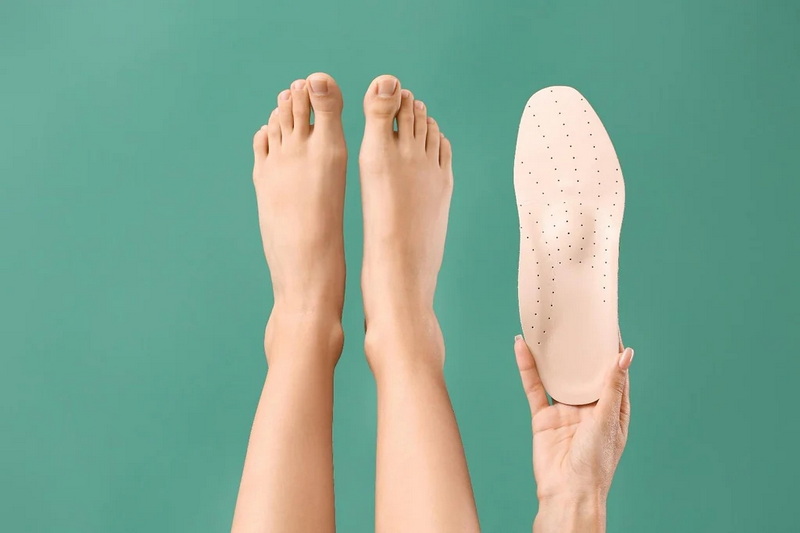
As a professional Chinese OEM insole manufacturer, we understand that international brands and distributors often require complete customization. Our OEM process covers the following services:
- Private label branding: Adding logos, colors, packaging, or marketing-specific identity elements.
- Material selection: EVA, PU, memory foam, or sustainable recycled options as per the client's preferences.
- Hardness and density adjustment: Tailored to athlete, medical, or industrial applications.
- Shape and contour design: Based on regional size standards and target demographics.
- Bulk order production: Meeting export requirements with consistent quality and delivery timelines.
Our manufacturing system integrates advanced thermoforming equipment, precision cutting machines, and quality inspection protocols, ensuring each pair meets the client's technical and performance standards.
In recent years, sustainability has become a priority across the footwear supply chain. Leading insole producers have adopted environmentally responsible solutions such as:
- Recycled EVA or PU foams to minimize waste.
- Natural fabric layers made from organic cotton, bamboo, or hemp.
- Water-based adhesives and pigment-free processing to reduce pollution.
- Biodegradable additive integration for eco-conscious clients targeting green certifications.
Eco-friendly insoles not only appeal to responsible consumers but also enhance brand value for partners working in global retail markets that prioritize environmental compliance.
To maintain performance, users should follow simple care instructions:
- Keep insoles dry after each use, especially after heavy activity.
- Clean periodically with mild soap and water, then air-dry.
- Avoid direct sunlight or high heat, which could soften the foam.
- Monitor for mechanical wear or compression loss and replace after 6–12 months.
Proper maintenance extends both comfort and hygiene, allowing customized support to last through repeated daily use.
Traditional insoles offer basic shock absorption and comfort, but they lack true anatomical fit. In contrast, heat molding insoles provide a biomechanical advantage.
| Feature | Regular Insoles | Heat Molding Insoles |
|---|---|---|
| Fit | Standard size | Customized to user |
| Support | Limited | Dynamic arch and heel support |
| Cushioning | General | Zoned and adaptive |
| Lifespan | 3–6 months | 8–12 months or more |
| Target Users | Casual wearers | Active, medical, or industrial users |
This direct customization and extended durability make them ideal for brands seeking premium performance features in their footwear lines.
For retailers and OEM buyers, educating end users about the molding process can significantly increase customer satisfaction. Providing instructions or QR-code video links on packaging helps consumers perform the heating and molding safely at home.
Additionally, consumers appreciate understanding the science behind the product. Explaining benefits such as improved posture, shock resistance, and personalized comfort will elevate brand credibility and encourage repeat purchases.
Advanced design technologies such as 3D foot scanning, CAD-based mold simulations, and thermal behavior testing now play a vital role in developing heat molding insoles. By analyzing real foot data, manufacturers can predict how materials respond under pressure, leading to more precise design adjustments.
Factories that integrate automation and digital modeling into their production lines achieve greater consistency, lower waste, and faster prototyping—benefits that matter for international buyers seeking competitive pricing and efficiency.
The next generation of heat molding insoles will focus on smart materials and adaptive performance systems. Ongoing innovations include:
- Temperature-sensitive polymers that reshape multiple times without damage.
- Pressure-sensor layers allowing manufacturers to evaluate balance and gait efficiency.
- Memory foam with phase-change properties providing cooling and thermal regulation.
- Hybrid 3D-printed frames for lightweight orthotic customization.
These developments will continue to blur the line between orthopedic technology and everyday footwear comfort.
Heat molding foot arch support insoles represent a remarkable fusion of engineering and ergonomic design. Their layered construction—combining breathable textiles, thermoformable foams, structural bases, and cushioning systems—provides tailored comfort, improved posture, and long-lasting durability.
For international brands, manufacturers, and wholesalers, understanding what's inside these insoles offers significant insights into product differentiation and consumer value. Partnering with a professional OEM supplier ensures quality consistency, customization flexibility, and innovation alignment.
Whether for sports performance, workplace safety, or daily comfort, heat molding insoles continue to redefine how we experience foot support and personalized fit in modern footwear design.
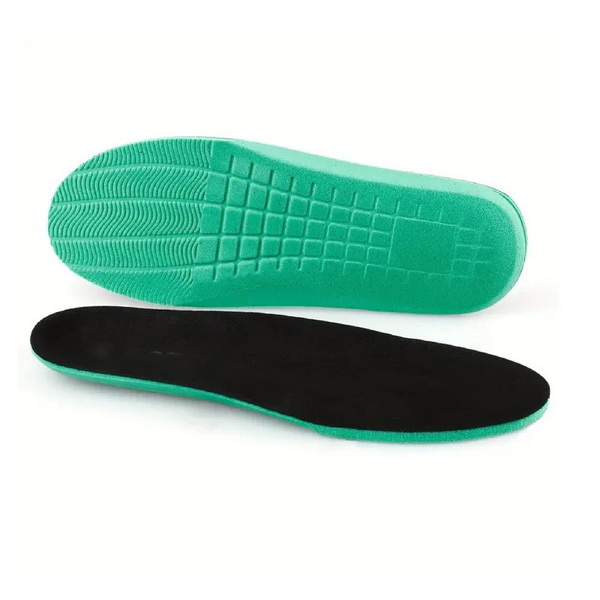
The entire process, including heating and cooling, generally takes about 10 minutes. It's quick, simple, and can be done either in-store or at home.
Yes, most models can be reheated and reshaped several times. However, after many cycles, the foam may lose some elasticity, so it's best to limit remolding to two or three times.
They are compatible with most footwear that allows removal of existing insoles. Deeper or performance-style shoes work best to ensure space for moulding flexibility.
Absolutely. The custom arch profile supports alignment and relieves pressure for people with flat feet, overpronation, or chronic heel pain, aiding daily comfort and mobility.
Manufacturers can adjust density, durometer hardness, material blends, logo imprinting, color selection, and eco-material combinations to suit specific market needs.


