


Content Menu
● Understanding Orthotic Inserts
● The Purpose of Orthotic Inserts
● Common Materials Used in Orthotic Inserts
● Biomechanics and Health Benefits
>> Key Health Benefits Include:
● Manufacturing Process of Orthotic Inserts
>> Step 1: Research and Design
>> Step 3: Molding and Shaping
>> Step 4: Finishing and Quality Testing
>> Step 5: Custom Branding and OEM Integration
● Advanced Manufacturing Innovations
● Global Market Demand and OEM Opportunity
● Choosing the Right Orthotic Inserts
● The Future of Orthotic Inserts
>> 1. What materials are best for orthotic inserts?
>> 2. How often should orthotic inserts be replaced?
>> 3. Can orthotic inserts help correct foot posture?
>> 4. Are custom orthotics worth the investment?
>> 5. What advantages do OEM manufacturers offer to footwear brands?
Orthotic inserts, also known as orthopedic insoles, have transformed from simple shoe accessories into essential elements of modern footwear and medical correction technology. As global awareness of foot health continues to rise, orthotic inserts have become indispensable for consumers seeking comfort, body balance, and improved mobility. For international brands, wholesalers, and OEM manufacturers, orthotic inserts represent both a growing retail segment and a sophisticated functional product line with medical benefits.
This comprehensive article explores what orthotic inserts are, their purpose, working principles, different types, materials, biomechanical impact, and how manufacturers produce and customize them for global markets. It also covers current market trends and offers insights into how orthotic inserts can enhance human mobility and comfort in everyday life.
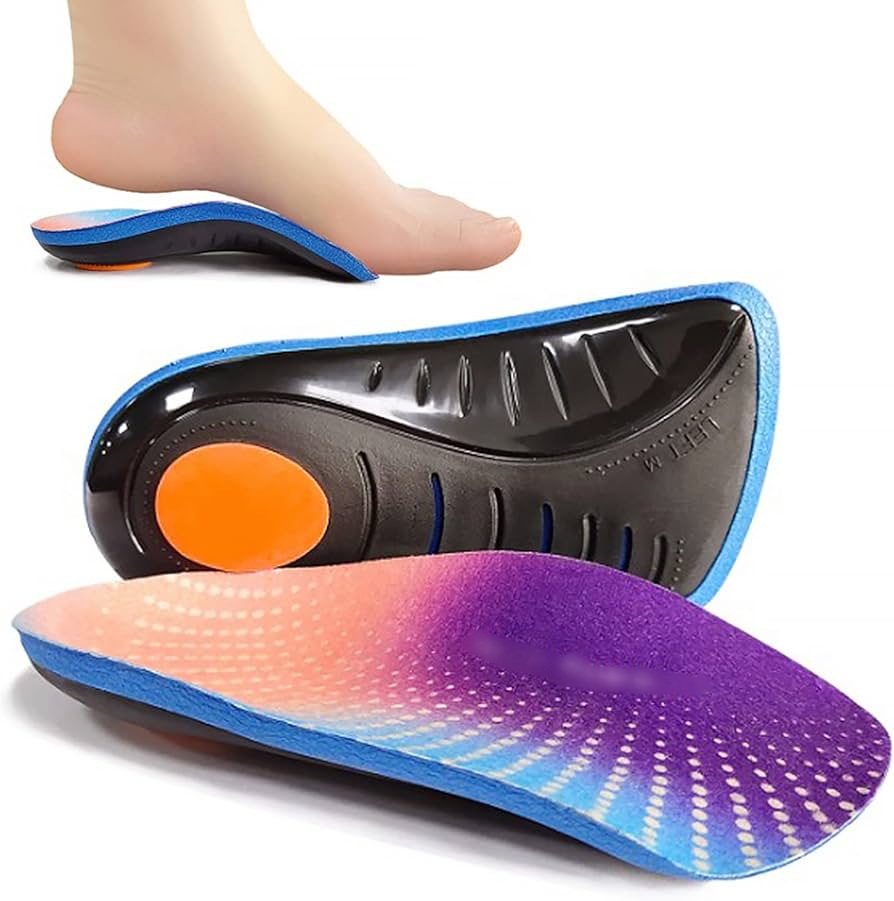
Orthotic inserts are specially designed components that fit inside shoes to correct abnormal walking patterns, support the foot arch, and redistribute body weight during standing and movement. They differ from regular insoles by offering structural correction instead of simple cushioning. In most cases, orthotic inserts help align the foot and ankle joints into their natural positions, preventing or correcting biomechanical issues.
Orthotic inserts can be custom-made or prefabricated. Custom-made orthotics are developed using digital scans or precise molds of an individual's foot, ensuring tailored correction for specific conditions. Prefabricated ones, on the other hand, are produced in standard sizes and used in general retail or OEM product lines for large-scale footwear production. Both types serve valuable roles in medical, sports, and lifestyle applications.
The main function of orthotic inserts is to help maintain the correct alignment of bones and joints in the feet and legs. When the feet are properly aligned, the body's entire posture improves, reducing pain and fatigue from prolonged standing or walking.
People often turn to orthotic inserts for relief from a variety of conditions such as:
- Flat feet and collapsed arches
- Plantar fasciitis and chronic heel pain
- Overpronation and supination
- High arches causing instability
- Diabetic foot complications
- Shin splints and Achilles tendon strain
Orthotic inserts serve both preventive and corrective purposes. They can prevent injuries in athletes, promote efficient movement, and offer relief for people with existing medical conditions. By supporting the body's base—the feet—they help maintain the structural integrity of the musculoskeletal system.
To meet diverse medical and lifestyle needs, orthotic inserts are categorized into several main types.
Functional orthotics correct abnormal motion in the lower limbs. These insoles are made with more rigid materials such as polypropylene, TPU, or carbon fiber. They are designed to control overpronation, stabilize ankle movements, and restore natural alignment. Functional orthoses are commonly prescribed by podiatrists for biomechanical correction and are also popular in professional athletic footwear.
Accommodative orthotics are primarily for cushioning and pressure redistribution. They do not alter alignment but provide softness and protection for sensitive or injured feet. People with arthritis, diabetes, or pressure ulcers benefit most from these orthotics, which use soft foam, gel, or multilayer construction to reduce tissue stress.
Sports orthotics combine support with energy return and impact absorption. They are used by runners, soccer players, basketball athletes, and outdoor enthusiasts. These inserts are lightweight yet stable and integrate advanced materials like EVA foam or TPU for shock attenuation. They not only reduce the risk of injury but also enhance athletic performance and endurance.
Pediatric orthotics are designed for children to guide proper foot and leg development. They can correct mild deformities, improve gait, and prevent misalignment from becoming permanent as the child grows.
Elderly users benefit from orthotics designed to improve comfort, balance, and safety. Geriatric orthotics often incorporate antibacterial fabrics, breathable layers, and pressure-relief cushions that prevent falls and improve stability for seniors.
Modern orthotic manufacturing relies on combining diverse materials to achieve the perfect balance between comfort, flexibility, and durability. Below are the most common materials used:
- EVA Foam: Lightweight, flexible, and shock-absorbing. Offers outstanding cushioning properties while maintaining shape.
- PU Foam: Dense and long-lasting. Ideal for inserts requiring durability and high load-bearing capacity.
- TPU (Thermoplastic Polyurethane): Adds elasticity and structure, often used as a stabilizing frame.
- Memory Foam: Conforms to foot contours for a personalized fit, delivering superior comfort during long hours.
- Gel Layers: Used in heel and forefoot zones to absorb impact effectively.
- Carbon Fiber Plates: Used in high-performance medical and athletic orthotics for rigidity and arch reinforcement.
By layering multiple materials, manufacturers create multi-zone orthotics that provide both cushioning and correction across different pressure points.
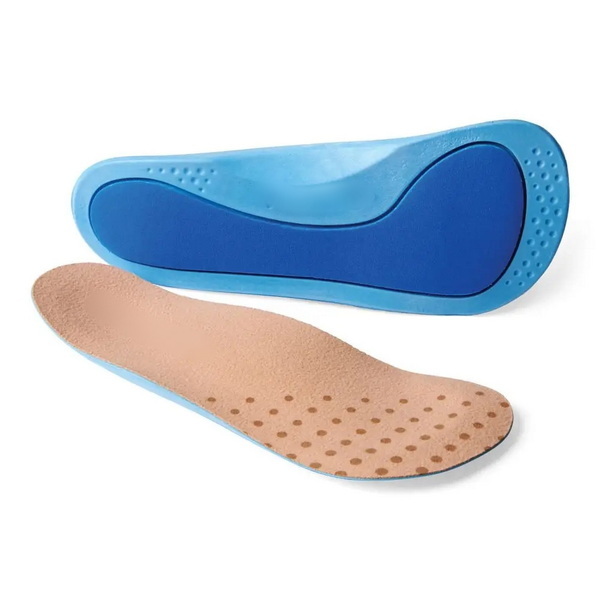
The human foot contains dozens of bones, muscles, and ligaments that work together to maintain stability and motion. When this system is disrupted—whether by injury, overuse, or poor posture—pain and dysfunction occur.
Orthotic inserts restore natural foot mechanics by redistributing weight, guiding motion, and absorbing shock. They change the way pressure is applied with each step, creating a smoother, more balanced gait. Proper alignment improves blood circulation and reduces fatigue over time.
For instance:
- Overpronators—whose feet roll inward—benefit from arch-lifting orthotics that stabilize the heel.
- High-arched or supinating feet require inserts that add cushioning and balance.
- People with plantar fasciitis find relief in designs that reduce heel stress and stretch the plantar fascia ligament.
The long-term use of orthotic inserts can prevent chronic pain and structural damage by correcting biomechanical errors early.
Orthotic inserts directly influence the biomechanics of walking and running. When correctly designed, they improve load distribution across joints, reduce impact on soft tissues, and promote kinetic efficiency.
- Reduced stress on knees, hips, and lower back.
- Enhanced posture and standing balance.
- Minimized fatigue during prolonged standing.
- Prevention of overuse injuries.
- Comfort during recovery after foot or leg surgery.
For athletes, orthotic inserts translate into more efficient energy transfer, improved motion control, and fewer repetitive strain injuries. For workers or elderly individuals, they provide comfort and stability necessary for daily movements.
As a professional orthotic insert manufacturer, precision, consistency, and custom engineering are the pillars of production. The typical manufacturing process involves several key stages:
Engineering teams study ergonomics and foot anatomy to map ideal arch angles and pressure zones. For custom orthotics, digital foot scanning is used to capture individual structure.
Raw materials such as EVA foam, gel, or PU are cut and combined into multi-layer stacks according to design specifications. Some inserts include odor-control or breathable surface fabrics.
Thermoforming or injection molding shapes the layers under high heat and pressure, ensuring exact curvature and consistent density. Molding defines the arch profile, heel cup, and metatarsal support zone.
Each piece undergoes dimensional checks, surface smoothing, and adherence testing. Hardness, elasticity, and impact tests ensure that orthotics will perform reliably in real-life conditions.
For international companies, OEM partners can incorporate logos, packaging, or custom dimensions. Private labeling helps brands expand product lines efficiently without building in-house manufacturing capacity.
Recent technological advances are changing the orthotic manufacturing landscape:
- 3D Printing: Enables highly customized medical orthotics using biodegradable or flexible materials.
- Smart Insoles: Embedded sensors can measure pressure distribution and walking patterns.
- Eco-friendly Materials: Bio-based EVA, recycled PU, and plant-derived cushioning foam help reduce carbon footprints.
- Automation and Robotics: Ensure consistency, minimize defects, and improve production speed.
Manufacturers adopting these technologies can offer higher precision, faster delivery, and eco-conscious solutions to global clients.
The international market for orthotic inserts is rapidly expanding across North America, Europe, and Asia-Pacific. Rising awareness of foot care, along with the increasing population of aging adults, drives strong demand for medically functional insoles. Athletes and active lifestyle consumers are also seeking footwear products with orthopedic benefits.
For global footwear brands, partnering with trusted Chinese OEM and ODM manufacturers provides several advantages:
- Cost-effective mass production with professional customization.
- Access to modern equipment and material engineering.
- High-volume scalability for private label orders.
- Short lead times and strict quality assurance systems.
OEM manufacturers capable of blending ergonomic design and material innovation have become key suppliers in the booming wellness footwear market.
Selecting a suitable orthotic insert requires understanding personal foot type and intended use. The right insert provides maximum comfort and correction with minimal bulk.
Consider the following aspects:
- Purpose of Use: Medical recovery, daily walking, or athletic performance.
- Foot Arch Type: Low, medium, or high arches.
- Material Composition: Choose softer inserts for comfort, and firmer ones for biomechanical correction.
- Shoe Compatibility: Ensure fit across different footwear categories—from walking shoes to work boots.
- User Health Condition: For diabetic or arthritic patients, non-irritating and breathable materials are essential.
A professional evaluation by a podiatrist or orthotic specialist helps identify individual needs before purchase.
Taking good care of orthotic inserts ensures long-term functionality and hygiene.
Here are practical maintenance tips:
- Air-dry inserts regularly to prevent odor buildup.
- Hand wash gently with mild soap when necessary.
- Avoid exposing them to excessive heat or direct sunlight.
- Check periodically for deformation or compression marks.
- Replace the inserts annually or when performance declines.
Proper care extends lifespan and keeps your footwear healthy and comfortable.
The future of orthotic inserts lies in personalization, technology integration, and sustainability. Digital foot scanning and artificial intelligence-based design tools allow producers to create precise, data-driven orthotics. Meanwhile, consumers are demanding eco-friendly materials and recyclable components in footwear products.
As wearable technology advances, smart orthotics that track step patterns and balance may offer real-time health feedback. This innovation opens a new chapter where comfort and digital healthcare merge in one product. For OEM manufacturers, adopting intelligent design and sustainable production methods will be key to staying competitive in this evolving industry.
Orthotic inserts are no longer luxury accessories—they are vital for maintaining foot health, correcting alignment, and improving everyday comfort. Whether for medical treatment, sports enhancement, or daily lifestyle use, high-quality orthotics enhance mobility and prevent chronic pain by addressing the body's foundation: the feet.
For footwear brands and wholesalers, collaborating with experienced orthotic insert manufacturers opens a world of design innovation, material excellence, and product diversity. As health-conscious consumers continue to seek comfort and performance, orthotic inserts stand at the intersection of technology, healthcare, and fashion—providing benefits that go well beyond comfort.
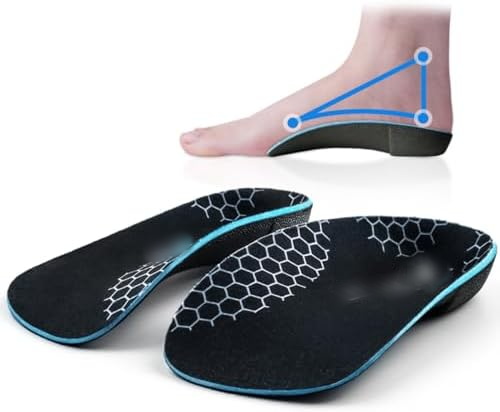
EVA, PU, and TPU are among the best materials. They balance comfort, durability, and corrective strength, making them suitable for both everyday wear and specialized applications.
Depending on usage and material quality, inserts should be replaced every 12 to 18 months. Heavy use or visible wear may require earlier replacement.
Yes. Properly designed orthotics guide the foot into a natural position, improving posture, gait, and alignment across ankles, knees, and hips.
For people with chronic pain or specific medical issues, custom orthotics are extremely beneficial. They provide personalized correction and long-term relief.
OEM partnerships allow brands to expand product offerings with professional-grade orthotic technology. It ensures scalability, brand customization, and consistent manufacturing quality.


